Why Homemade Sugar-Free Foods Are Better for Your Health

Introduction

Imagine starting your morning with a freshly made smoothie sweetened with ripe bananas and dates instead of refined sugar. For lunch, you enjoy a homemade vegetable salad with a light lemon dressing, and in the evening, you prepare a bowl of roasted makhana seasoned with herbs instead of reaching for packaged snacks. These simple choices may seem small, but over time, they can have a meaningful impact on your health.

Today, many processed foods and beverages contain added sugars that often go unnoticed. From breakfast cereals and flavored yogurts to sauces and packaged snacks, sugar has become a common ingredient in everyday diets. While enjoying sweet foods occasionally is perfectly fine, regularly consuming high amounts of added sugar may contribute to weight gain, tooth decay, and increase the risk of certain chronic health conditions when combined with other lifestyle factors.

Homemade sugar-free foods offer a healthier alternative because they allow you to control ingredients, reduce unnecessary additives, and focus on wholesome nutrition. Whether you’re preparing meals for your family in Varanasi, Delhi, Mumbai, or anywhere else, cooking at home without added sugar can support a balanced lifestyle.

This guide explores why homemade sugar-free foods are a smart choice, their health benefits, practical cooking tips, and easy ways to make healthier meals every day.

What Are Homemade Sugar-Free Foods?

Homemade sugar-free foods are meals, snacks, or drinks prepared at home without adding refined or processed sugar. They may naturally contain sweetness from fruits, vegetables, or dairy while avoiding added sugars commonly found in processed foods.

Why It Matters

The term “sugar-free” in homemade cooking generally refers to no added refined sugar. Many natural foods, such as apples, bananas, and milk, contain naturally occurring sugars that are part of a balanced diet.

Examples include:

  • Fresh fruit smoothies
  • Oats with berries
  • Vegetable soups
  • Homemade yogurt with fruit
  • Roasted chickpeas
  • Whole-grain salads
  • Fresh coconut water
  • Lemon water without sugar

Why Is Added Sugar a Health Concern?

Eating too much added sugar may contribute to excess calorie intake and can make it harder to maintain a healthy weight and balanced diet. Reducing added sugar is one step toward supporting long-term health.

Many packaged foods contain sugar under different names, including:

  • Sucrose
  • Glucose syrup
  • High-fructose corn syrup
  • Maltose
  • Dextrose
  • Brown sugar
  • Cane sugar

People often consume more sugar than they realize because it is present in:

  • Soft drinks
  • Bakery products
  • Flavored beverages
  • Breakfast cereals
  • Packaged fruit juices
  • Ice creams
  • Biscuits
  • Sauces and condiments

Homemade vs Packaged Sugar-Containing Foods

FeatureHomemade Sugar-Free FoodsPackaged Sweet Foods
Added SugarUsually noneOften high
PreservativesMinimal or noneCommon
Artificial FlavoursRareFrequently added
Ingredient ControlCompleteLimited
FreshnessHighDepends on shelf life
Nutritional QualityCan be tailoredVaries by product
Cost Over TimeOften economicalMay be more expensive

Preparing food at home gives you greater control over ingredients, portion sizes, and cooking methods.

Top Health Benefits of Homemade Sugar-Free Foods

1. Better Weight Management

Reducing added sugar may help lower excess calorie intake, making it easier to maintain a healthy weight when combined with balanced eating and regular physical activity.

Homemade meals often include:

  • Whole grains
  • Fresh vegetables
  • Lean protein
  • Healthy fats
  • Fiber-rich ingredients

These foods can help you feel satisfied for longer.

2. Supports Better Dental Health

Sugar feeds bacteria in the mouth that produce acids capable of damaging tooth enamel. Choosing homemade meals and limiting sugary snacks can support good oral hygiene alongside regular brushing and dental check-ups.

3. Better Ingredient Quality

One of the biggest advantages of cooking at home is knowing exactly what goes into your food.

You can avoid unnecessary:

  • Artificial colours
  • Preservatives
  • Excess sodium
  • Artificial flavours
  • Trans fats
  • Added sugars

Instead, you can use:

  • Fresh vegetables
  • Seasonal fruits
  • Whole grains
  • Lentils
  • Nuts
  • Seeds
  • Herbs and spices

4. More Balanced Nutrition

Homemade meals make it easier to include a variety of nutrient-rich foods, such as:

  • Leafy greens
  • Whole grains
  • Pulses
  • Fresh fruits
  • Dairy or fortified alternatives
  • Healthy oils in moderation

This helps create a more balanced diet that supports overall well-being.

Natural Ways to Add Sweetness Without Refined Sugar

If you enjoy sweet flavors, you can use naturally sweet ingredients instead of refined sugar in many recipes.

Some popular options include:

  • Ripe bananas
  • Dates
  • Apples
  • Pears
  • Raisins
  • Figs
  • Mango (seasonally)
  • Cinnamon for flavor enhancement
  • Vanilla extract
  • Unsweetened coconut

Remember that these ingredients still contain natural sugars, so portion size remains important.

Homemade Sugar-Free Breakfast Ideas

A healthy breakfast sets the tone for the day. Try options such as:

  • Oats topped with fresh berries and nuts
  • Vegetable poha with peanuts
  • Besan chilla with mint chutney
  • Plain yogurt with sliced fruit
  • Moong dal cheela
  • Sprout salad
  • Vegetable upma
  • Smoothie made with banana, spinach, and milk or a fortified plant-based drink

These meals provide fiber, protein, vitamins, and minerals without relying on added sugar.

Healthy Sugar-Free Snack Ideas

Instead of processed snacks, consider:

  • Roasted makhana
  • Roasted chana
  • Mixed nuts (unsalted)
  • Fresh fruit
  • Cucumber and carrot sticks
  • Homemade hummus
  • Boiled corn
  • Fruit chaat
  • Homemade vegetable soup

These options are easy to prepare and can help satisfy hunger between meals.E

Why Homemade Foods Are Popular in India

Across cities like Varanasi, families have long prepared traditional meals using fresh ingredients from local markets. Seasonal vegetables, lentils, whole grains, and fruits remain an important part of many regional cuisines.

Simple home-cooked dishes such as dal, sabzi, millet rotis, khichdi, and fresh salads naturally contain little or no added sugar, making them a nutritious foundation for everyday meals.

Buying fresh produce from local vendors also supports regional agriculture while encouraging healthier eating habits.

Practical Tips for Reducing Added Sugar

Making gradual changes is often more sustainable than eliminating sugar overnight. Here are a few practical tips:

  • Read nutrition labels and ingredient lists.
  • Choose plain yogurt instead of sweetened varieties.
  • Drink water or unsweetened beverages instead of sugary drinks.
  • Prepare snacks at home when possible.
  • Use fruit to add natural sweetness to recipes.
  • Limit packaged desserts and confectionery.
  • Cook more meals from scratch using fresh ingredients.

Conclusion

Homemade sugar-free foods are more than just a dietary trend—they’re a practical way to take greater control of your nutrition. By preparing meals at home with fresh, minimally processed ingredients and reducing added sugars, you can support healthier eating habits for yourself and your family.

Rather than aiming for perfection, focus on making small, consistent changes. Swapping one sugary snack for fresh fruit, preparing a homemade breakfast, or choosing water instead of a sweetened beverage are simple steps that can add up over time.

A balanced diet, regular physical activity, adequate sleep, and routine health check-ups all play important roles in overall wellness. Homemade meals can be a valuable part of that healthy lifestyle.

Disclaimer: This article is for educational purposes only and should not replace personalized medical or dietary advice. If you have diabetes, kidney disease, or another medical condition requiring dietary modifications, consult a qualified healthcare professional or registered dietitian before making significant changes to your eating pattern.


How to Make Sugar-Free Desserts at Home Using Natural Ingredients

Introduction

Imagine enjoying your favorite dessert without worrying about excessive sugar, empty calories, or blood sugar spikes. Sounds impossible? Fortunately, it isn’t.

Many traditional desserts rely on refined sugar for sweetness, but today’s health-conscious families are discovering that delicious treats can be made using naturally sweet ingredients such as fruits, dates, jaggery, raisins, and pure honey. These ingredients not only add flavor but also provide vitamins, minerals, fiber, and antioxidants that refined sugar lacks.

Whether you’re trying to reduce sugar intake, support better overall health, or simply enjoy wholesome homemade recipes, learning to prepare sugar-free desserts is a smart step toward a healthier lifestyle.

In cities like Varanasi and across India, many households are returning to traditional ingredients and homemade recipes that celebrate natural sweetness. This guide will show you how to create tasty sugar-free desserts using simple ingredients commonly found in Indian kitchens.

What Are Sugar-Free Desserts?

Sugar-free desserts are sweet dishes made without refined white sugar. Instead, they use natural sweeteners such as fruits, dates, jaggery, raisins, honey (where appropriate), or unsweetened fruit purees to provide sweetness while enhancing nutritional value.

Unlike commercially processed sweets, homemade sugar-free desserts allow you to control ingredients and reduce unnecessary additives.

Why Choose Homemade Sugar-Free Desserts?

Many packaged desserts contain:

  • Refined sugar
  • Artificial flavors
  • Preservatives
  • Hydrogenated fats
  • Artificial colors

Preparing desserts at home gives you complete control over the ingredients.

Benefits include:

✔ Better ingredient quality

✔ No artificial preservatives

✔ Less processed food

✔ Higher fiber content

✔ Rich in natural vitamins and minerals

✔ Easy to customize for family preferences

Natural Ingredients That Add Sweetness

Instead of refined sugar, try these naturally sweet options:

Natural IngredientBest Used InNutritional Benefit
DatesEnergy balls, puddingsFiber, potassium, iron
BananaCakes, pancakes, smoothiesPotassium, vitamin B6
Apple PureeMuffins, browniesNatural sweetness, fiber
RaisinsCookies, barsIron and antioxidants
FigsEnergy bitesCalcium and fiber
JaggeryTraditional Indian sweetsContains small amounts of minerals
Honey*Dressings, yogurt, some dessertsNatural sweetness (not suitable for infants under 1 year)
CoconutLaddoos, puddingsHealthy fats and flavor

Honey is still a form of sugar and should be consumed in moderation.

Best Homemade Sugar-Free Dessert Ideas

1. Date and Nut Energy Balls

Ingredients

  • Soft dates
  • Almonds
  • Cashews
  • Pistachios
  • Coconut powder
  • Cardamom

Blend everything together, roll into small balls, and refrigerate.

Why it’s healthy:

  • No refined sugar
  • Rich in healthy fats
  • High in fiber
  • Convenient snack

2. Banana Oat Pancakes

Ingredients:

  • Ripe banana
  • Oats
  • Eggs or plant-based alternative
  • Cinnamon

Naturally sweet and ideal for breakfast or dessert.

3. Chia Seed Pudding

Mix:

  • Chia seeds
  • Unsweetened milk
  • Fresh mango
  • Strawberries
  • Kiwi
  • Almonds

Refrigerate overnight for a creamy dessert rich in omega-3 fatty acids and fiber.

4. Fruit Yogurt Bowl

Combine:

  • Plain yogurt
  • Seasonal fruits
  • Walnuts
  • Pumpkin seeds
  • Flax seeds

A refreshing dessert packed with protein and probiotics.

5. Baked Apple with Cinnamon

Core an apple, sprinkle cinnamon, and bake until soft.

Top with chopped nuts for added texture.

Sugar-Free vs Refined Sugar Desserts

FeatureHomemade Sugar-FreeTraditional Desserts
Refined SugarNoUsually Yes
Artificial ColorsRarelyOften
PreservativesNoSometimes
FiberHigherLower
Nutritional ValueBetterLower
CustomizableYesLimited

Tips for Making Healthy Sugar-Free Desserts

Use Ripe Fruits

Naturally ripe fruits provide more sweetness without added sugar.

Include Healthy Fats

Add:

  • Almonds
  • Walnuts
  • Pistachios
  • Peanuts
  • Seeds

These improve texture and help you feel full.

Choose Whole Grains

Replace refined flour with:

  • Oats
  • Whole wheat flour
  • Almond flour
  • Millet flour

Add Natural Flavors

Instead of extra sweeteners, use:

  • Cinnamon
  • Cardamom
  • Vanilla
  • Nutmeg
  • Cocoa powder

These ingredients enhance flavor naturally.

Common Mistakes to Avoid

  • Adding too much honey or jaggery
  • Assuming “natural” means unlimited portions
  • Using sweetened packaged yogurt
  • Buying processed “sugar-free” products with artificial additives without reading labels
  • Ignoring portion sizes

Moderation is important, even when using natural ingredients.

Are Sugar-Free Desserts Suitable for Everyone?

Homemade desserts made with natural ingredients can fit into many balanced eating patterns, but individual needs vary.

People with diabetes, kidney disease, food allergies, or other medical conditions should seek personalized advice from a healthcare professional or registered dietitian before making significant dietary changes.

Healthy Dessert Ideas Using Seasonal Indian Fruits

India offers a variety of fruits that can naturally sweeten desserts throughout the year.

Summer

  • Mango
  • Watermelon
  • Muskmelon
  • Litchi

Monsoon

  • Pear
  • Plum
  • Jamun

Winter

  • Apple
  • Orange
  • Guava
  • Strawberry

Using seasonal fruits can improve flavor and support a varied diet.

Healthy Eating Tips for Families in Varanasi

Families in Varanasi can prepare nutritious desserts using locally available ingredients such as bananas, guava, dates, jaggery, roasted gram, peanuts, and fresh dairy products. Local markets often provide fresh seasonal produce that can be incorporated into wholesome homemade recipes.

Preparing desserts at home also encourages mindful eating and allows children to become familiar with healthier ingredients from an early age.

Frequently Asked Questions

Can I make desserts without refined sugar?

Yes. Natural ingredients such as dates, bananas, apples, raisins, and seasonal fruits can provide sweetness without using refined white sugar.

Is jaggery healthier than white sugar?

Jaggery contains small amounts of minerals, but it is still a source of sugar. It should be consumed in moderation as part of a balanced diet.

Which fruits are best for naturally sweet desserts?

Bananas, dates, mangoes, apples, pears, figs, berries, and ripe papaya are popular choices for homemade desserts.

Can children enjoy homemade sugar-free desserts?

Many homemade desserts prepared with wholesome ingredients can be suitable for children. Choose age-appropriate ingredients and consult a healthcare professional if your child has allergies or specific nutritional needs.

Are homemade desserts better than packaged sweets?

Homemade desserts allow better control over ingredients and can reduce the use of preservatives, artificial flavors, and excess added sugar compared with many packaged products.

Conclusion

Making sugar-free desserts at home using natural ingredients is a simple and enjoyable way to support healthier eating habits. By replacing refined sugar with naturally sweet foods like fruits, dates, and nuts, you can create delicious treats that are flavorful and nourishing.

Remember, no single food guarantees good health. A balanced diet, regular physical activity, adequate sleep, and mindful portion sizes all contribute to long-term wellness. Whether you’re preparing desserts for your family in Varanasi or anywhere else in the world, choosing wholesome ingredients is a meaningful step toward a healthier lifestyle.

Start with one recipe today, experiment with seasonal fruits and natural flavors, and discover how satisfying homemade sugar-free desserts can be.

Healthy Homemade Drinks Without Added Sugar You Can Enjoy Every Day

Imagine coming home on a hot afternoon and reaching for a chilled drink. Many packaged beverages promise refreshment, but they often contain hidden sugars, artificial flavors, and preservatives. While they may taste good, drinking them regularly can increase your daily sugar intake without providing much nutritional value.

The good news is that you don’t need sugary soft drinks or packaged juices to stay refreshed. Your kitchen already has many ingredients that can be transformed into delicious, naturally flavored beverages without adding refined sugar.

Healthy homemade drinks made with fruits, vegetables, herbs, spices, and dairy alternatives offer hydration, essential nutrients, and refreshing flavors. Whether you’re looking to improve your lifestyle, support your fitness goals, or simply enjoy healthier beverages, these drinks are excellent additions to your daily routine.

This guide explores the best homemade drinks without added sugar, their benefits, easy recipes, and practical tips to help you make healthier choices every day.

What Are Healthy Homemade Drinks Without Added Sugar?

Healthy homemade drinks without added sugar are beverages prepared using natural ingredients such as fresh fruits, vegetables, herbs, spices, yogurt, coconut water, or infused water without adding refined sugar, syrups, or artificial sweeteners.

These drinks provide hydration while supplying vitamins, minerals, antioxidants, and natural flavors.

Why Should You Avoid Added Sugar?

Many people consume far more added sugar than they realize.

Added sugar is commonly found in:

  • Soft drinks
  • Energy drinks
  • Packaged fruit juices
  • Flavored milk
  • Sweetened coffee
  • Sweetened tea
  • Sports drinks
  • Ready-to-drink beverages

Excess sugar intake has been linked to:

  • Weight gain
  • Higher calorie intake
  • Dental problems
  • Increased risk of type 2 diabetes
  • Heart disease
  • Fatty liver disease

Replacing sugary drinks with homemade alternatives is one of the easiest lifestyle changes you can make.

Benefits of Homemade Sugar-Free Drinks

Healthy homemade beverages provide several advantages.

Key Benefits

  • Better hydration
  • Naturally refreshing
  • Rich in vitamins and minerals
  • Free from preservatives
  • No artificial colors
  • No added refined sugar
  • Easy to prepare
  • Budget-friendly
  • Suitable for the whole family
  • Customizable to your taste

Best Healthy Homemade Drinks Without Added Sugar

1. Lemon Mint Water

Lemon mint water is one of the easiest homemade drinks for daily hydration.

Ingredients

  • 1 lemon
  • Fresh mint leaves
  • Cold water
  • Ice cubes

Benefits

  • Refreshing taste
  • Supports hydration
  • Naturally low in calories
  • Easy to prepare

2. Coconut Water

Fresh coconut water is naturally sweet and rich in electrolytes.

Benefits

  • Helps maintain hydration
  • Contains potassium
  • Refreshing after exercise
  • Naturally sugar-free (no added sugar)

3. Buttermilk (Chaas)

A traditional Indian drink that remains popular during summer.

Ingredients

  • Curd
  • Water
  • Roasted cumin
  • Mint
  • Coriander
  • Black salt (optional)

Benefits

  • Refreshing
  • Easy to digest
  • Supports hydration
  • Rich in probiotics

4. Green Smoothie

Blend:

  • Spinach
  • Cucumber
  • Apple
  • Mint
  • Water

No sugar required.

This drink provides vitamins, minerals, and fiber.

5. Fresh Vegetable Juice

Fresh vegetable juices can be prepared using:

  • Tomato
  • Carrot
  • Beetroot
  • Celery
  • Cucumber

Avoid adding sugar.

6. Watermelon Cooler

Blend chilled watermelon cubes with fresh mint and a squeeze of lemon.

No added sugar is necessary because watermelon already contains natural sweetness.

7. Cucumber Mint Cooler

This drink is especially refreshing during hot weather.

Ingredients include:

  • Cucumber
  • Mint
  • Lemon
  • Cold water

8. Ginger Lemon Drink

Fresh ginger and lemon create a refreshing beverage with bold flavor.

Serve chilled or warm.

9. Amla Drink

Indian gooseberry (Amla) is naturally rich in Vitamin C.

Blend:

  • Fresh amla
  • Water
  • Mint
  • Black pepper

No sugar needed.

10. Herbal Tea

Herbal teas can be enjoyed both hot and cold.

Popular choices include:

  • Chamomile
  • Hibiscus
  • Peppermint
  • Ginger
  • Tulsi

Comparison Table

DrinkBest ForMain IngredientAdded Sugar
Lemon WaterHydrationLemonNo
Coconut WaterElectrolytesCoconutNo
ButtermilkDigestionCurdNo
Green SmoothieNutritionSpinachNo
Amla DrinkVitamin CAmlaNo
Herbal TeaRelaxationHerbsNo
Watermelon CoolerSummerWatermelonNo
Cucumber CoolerHydrationCucumberNo

Tips for Making Healthy Homemade Drinks

  • Use fresh ingredients.
  • Avoid refined sugar.
  • Skip artificial syrups.
  • Add herbs for natural flavor.
  • Use seasonal fruits.
  • Drink immediately after preparation.
  • Store properly if needed.
  • Wash ingredients thoroughly.
  • Use clean drinking water.
  • Experiment with different combinations.

Common Mistakes to Avoid

Many homemade drinks become unhealthy because people unknowingly add too much sugar.

Avoid:

  • White sugar
  • Artificial syrups
  • Sweetened condensed milk
  • Sweetened fruit concentrates
  • Flavored creamers

Natural fruit sweetness is usually enough.

Frequently Asked Questions

Are homemade drinks healthier than packaged drinks?

In many cases, yes. Homemade drinks allow you to control the ingredients and avoid added sugars, artificial flavors, and preservatives.

Can I drink these beverages every day?

Most homemade sugar-free drinks can be enjoyed daily as part of a balanced diet, provided they are prepared hygienically and consumed in appropriate portions.

Which homemade drink is best during summer?

Lemon water, buttermilk, coconut water, cucumber cooler, and watermelon juice are popular choices for staying hydrated in hot weather.

Can children drink homemade sugar-free beverages?

Yes. Drinks prepared with fresh fruits, vegetables, yogurt, or herbs without added sugar can be suitable for children, depending on their age and dietary needs.

Do natural fruits contain sugar?

Yes. Fruits naturally contain sugars such as fructose, along with fiber, vitamins, minerals, and antioxidants, making them different from beverages with added refined sugar.

Conclusion

Making healthy homemade drinks without added sugar is one of the easiest ways to support a healthier lifestyle. Whether you choose refreshing lemon water, probiotic-rich buttermilk, nutrient-packed green smoothies, or naturally sweet coconut water, these beverages provide hydration and essential nutrients without relying on refined sugar.

By replacing sugary packaged drinks with fresh homemade alternatives, you can make a positive change for yourself and your family. Start with simple recipes, experiment with seasonal ingredients, and enjoy refreshing drinks that nourish your body naturally—one glass at a time.

10 Delicious Homemade Sugar-Free Snacks for a Healthier Lifestyle

Imagine it’s 4 PM. You’re hungry, your energy is dropping, and you reach for a packet of biscuits or a sugary snack. It feels satisfying for a moment—but soon, the energy crash follows.

What if you could enjoy delicious snacks that satisfy your cravings without added sugar?

Whether you’re trying to lose weight, manage diabetes, improve your family’s eating habits, or simply live healthier, homemade sugar-free snacks are a smart choice. They’re easy to prepare, budget-friendly, and packed with nutrients that help keep you energized throughout the day.

In India, especially in cities like Varanasi, where traditional homemade foods are still cherished, creating healthy snacks using local ingredients is easier than ever.

This guide shares 10 delicious homemade sugar-free snack ideas, their health benefits, preparation tips, and expert advice to help you snack smarter every day.

What Are Homemade Sugar-Free Snacks?

Homemade sugar-free snacks are foods prepared without adding refined sugar. They rely on naturally nutritious ingredients such as fruits, nuts, seeds, oats, yogurt, vegetables, and spices to provide flavor, fiber, protein, and essential nutrients.

Unlike processed packaged snacks, homemade options allow you to control ingredients and avoid unnecessary preservatives, artificial sweeteners, and excess calories.

Why Choose Sugar-Free Homemade Snacks?

Reducing added sugar offers several health benefits.

Benefits at a Glance

  • Supports healthy weight management
  • Helps maintain balanced energy levels
  • Supports healthy blood sugar levels
  • Rich in fiber and nutrients
  • Keeps you full for longer
  • Reduces processed food intake
  • Encourages mindful eating
  • Family-friendly and budget-friendly

Homemade vs Packaged Snacks

Homemade Sugar-Free SnacksPackaged Sugary Snacks
No refined sugarHigh added sugar
Fresh ingredientsPreservatives
High fiberLow fiber
Better nutritionEmpty calories
CustomizableFixed ingredients
Budget friendlyOften expensive

1. Roasted Mixed Nuts

Roasted almonds, walnuts, peanuts, and cashews make an excellent sugar-free snack.

Ingredients

  • Almonds
  • Walnuts
  • Peanuts
  • Pumpkin seeds
  • Sunflower seeds

Benefits

  • Rich in protein
  • Healthy fats
  • High fiber
  • Keeps you full

Preparation Tip: Dry roast for 5–7 minutes and store in an airtight container.

2. Greek Yogurt with Fresh Fruits

Plain yogurt paired with seasonal fruits creates a naturally sweet snack.

Add

  • Strawberries
  • Blueberries
  • Apple slices
  • Kiwi
  • Pomegranate

Why It Works

  • Protein-rich
  • Calcium source
  • Gut-friendly probiotics
  • Naturally sweet without refined sugar

3. Oats Energy Balls

These bite-sized snacks are perfect for busy mornings.

Ingredients

  • Rolled oats
  • Peanut butter
  • Chia seeds
  • Flaxseeds
  • Cinnamon

Roll into balls and refrigerate.

4. Sprouts Chaat

One of India’s healthiest snacks.

Ingredients

  • Green gram sprouts
  • Tomato
  • Onion
  • Cucumber
  • Lemon
  • Coriander
  • Black pepper

Rich in protein, vitamins, and fiber.

5. Vegetable Sticks with Hummus

Crunchy vegetables paired with hummus provide satisfying nutrition.

Best Vegetables

  • Carrot
  • Cucumber
  • Bell peppers
  • Celery

Hummus made from chickpeas adds protein and healthy fats.

6. Roasted Makhana (Fox Nuts)

A popular Indian superfood.

Season with:

  • Turmeric
  • Black pepper
  • Rock salt
  • Curry leaves

Benefits include:

  • Low calories
  • High protein
  • Rich minerals
  • Easy digestion

7. Chia Seed Pudding

Mix:

  • Chia seeds
  • Unsweetened milk
  • Cinnamon
  • Vanilla extract

Refrigerate overnight.

Top with berries or sliced almonds.

8. Peanut & Coconut Ladoo (No Sugar)

Instead of sugar, use naturally sweet dates if desired.

Ingredients:

  • Peanuts
  • Coconut
  • Cardamom
  • Dates (optional)

Perfect festive healthy snack.

9. Avocado Whole Wheat Toast

Simple yet filling.

Top whole wheat bread with mashed avocado.

Add:

  • Tomato
  • Pepper
  • Lemon
  • Chili flakes

Rich in healthy fats and fiber.

10. Fruit & Nut Trail Mix

Mix together:

  • Almonds
  • Pistachios
  • Pumpkin seeds
  • Unsweetened coconut flakes
  • Raisins (in moderation)

Ideal for travel or office snacks.

Which Snack Is Best?

SnackProteinFiberEasy to Make
Roasted Nuts★★★★★★★★★☆★★★★★
Yogurt Bowl★★★★☆★★★☆☆★★★★★
Sprouts Chaat★★★★★★★★★★★★★★☆
Makhana★★★☆☆★★★★☆★★★★★
Oats Balls★★★★☆★★★★☆★★★★☆

Healthy Snacking Tips

  • Read food labels carefully.
  • Avoid hidden sugars.
  • Prepare snacks in advance.
  • Drink enough water.
  • Choose seasonal fruits.
  • Include protein in every snack.
  • Control portion sizes.
  • Avoid sugary beverages.

Homemade Sugar-Free Snacks Frequently Asked Questions

1. What are sugar-free snacks?

Sugar-free snacks are foods prepared without added refined sugar while using naturally nutritious ingredients.

2. Are sugar-free snacks healthy?

They can be healthier when made with whole foods, balanced ingredients, and appropriate portion sizes.

3. Can people with diabetes eat homemade sugar-free snacks?

Many homemade sugar-free snacks can fit into a balanced meal plan, but individuals with diabetes should follow advice from their healthcare professional or dietitian.

4. Which Indian snacks are naturally sugar-free?

Roasted makhana, sprouts chaat, roasted nuts, vegetable salads, and plain yogurt are popular examples.

5. Can children eat sugar-free snacks?

Yes. Homemade snacks made from wholesome ingredients can be suitable for children as part of a balanced diet.

6. What ingredients should I avoid?

Limit refined sugar, sugary syrups, sweetened beverages, and heavily processed snacks.

7. Are fruits allowed?

Yes. Whole fruits provide natural sugars along with fiber, vitamins, and minerals.

8. Can sugar-free snacks help with weight management?

Replacing high-sugar processed snacks with balanced homemade options may support healthy weight management when combined with regular physical activity and an overall healthy diet.

9. How long do homemade snacks last?

Most can be stored in airtight containers for 2–7 days, depending on the ingredients.

10. Which snack is best before exercise?

A combination of fruit with nuts or yogurt can provide energy before physical activity.

Conclusion

Healthy eating doesn’t have to be complicated or boring. By choosing homemade sugar-free snacks, you can enjoy delicious flavors while reducing added sugar and increasing your intake of wholesome ingredients. From roasted makhana and sprouts chaat to yogurt bowls and chia pudding, these easy recipes fit seamlessly into everyday life.

Whether you’re in Varanasi, elsewhere in India, or anywhere in the world, preparing nutritious snacks at home is a simple step toward a healthier lifestyle. Small, consistent choices today can lead to lasting improvements in your overall well-being.

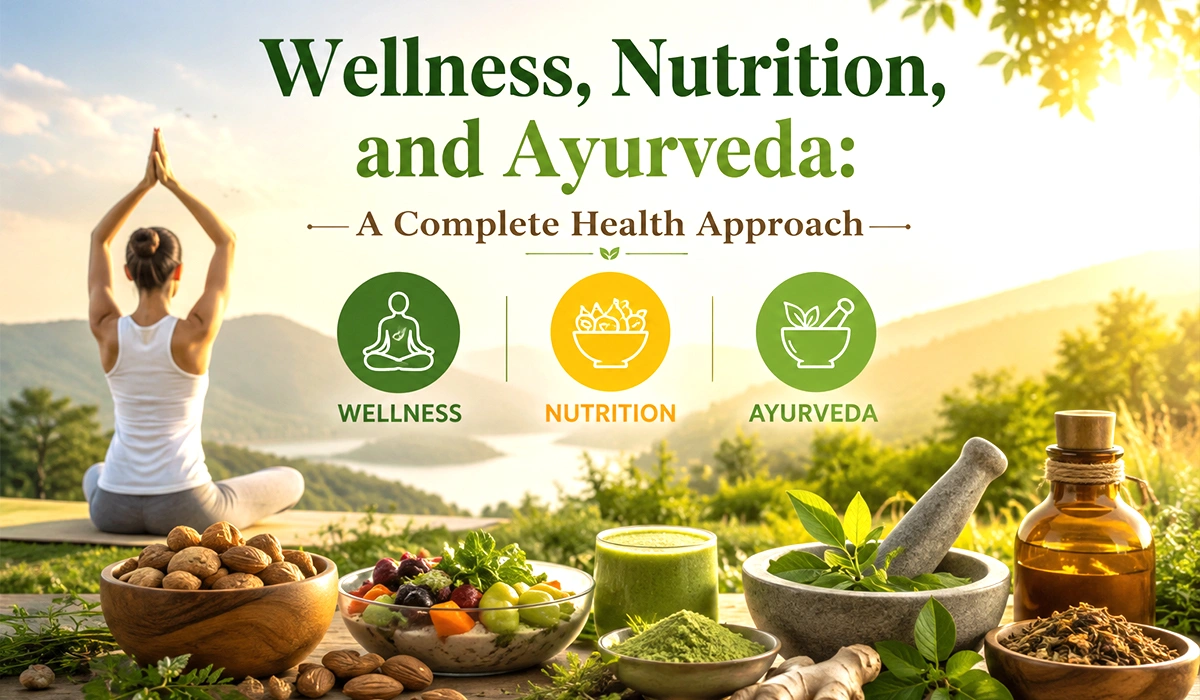
Wellness, Nutrition, and Ayurveda: A Complete Health Approach

Introduction: The Journey to Holistic Health

Imagine waking up every morning feeling energized, mentally focused, and emotionally balanced. Unfortunately, for many people, modern lifestyles filled with processed foods, stress, lack of sleep, and sedentary habits make this difficult. According to global health studies, lifestyle-related diseases such as obesity, diabetes, hypertension, and digestive disorders are increasing every year.

The good news is that better health doesn’t always require complicated solutions. By combining wellness, proper nutrition, and the time-tested principles of Ayurveda, individuals can create a sustainable approach to healthy living.

Ayurveda, one of the world’s oldest healthcare systems originating in India over 5,000 years ago, emphasizes balance between the body, mind, and spirit. When paired with modern nutritional science, it offers a practical roadmap toward long-term wellness rather than temporary health fixes.

This comprehensive guide explores how wellness, nutrition, and Ayurveda complement each other to build a healthier lifestyle suitable for today’s fast-paced world.

What Is Wellness?

Wellness is the active process of making healthy lifestyle choices that improve physical, mental, emotional, social, and spiritual well-being.

Unlike simply being free from disease, wellness focuses on achieving a higher quality of life through preventive healthcare and balanced living.

Key Dimensions of Wellness

Wellness DimensionImportance
Physical WellnessHealthy body and fitness
Mental WellnessPositive thinking and stress management
Emotional WellnessHealthy relationships and emotional stability
Social WellnessCommunity and personal connections
Spiritual WellnessInner peace and purpose
Occupational WellnessJob satisfaction and work-life balance

Practical Tip

Start by making one healthy improvement every week instead of trying to change everything overnight.

Why Nutrition Is the Foundation of Good Health

Nutrition provides the essential nutrients your body needs for energy, growth, immunity, and disease prevention.

A balanced diet directly influences:

  • Energy levels
  • Brain function
  • Digestive health
  • Immune strength
  • Heart health
  • Healthy aging

Essential Nutrients

NutrientFunctionFood Sources
ProteinMuscle repairLentils, eggs, dairy
CarbohydratesEnergyWhole grains
Healthy FatsBrain & hormonesNuts, seeds
VitaminsImmunityFruits & vegetables
MineralsBone & nerve healthDairy, leafy greens
WaterHydrationDrinking water

Understanding Ayurveda

Ayurveda is a holistic healthcare system that promotes balance through personalized diet, lifestyle, herbal support, yoga, and daily routines.

The word Ayurveda means:

  • Ayu = Life
  • Veda = Knowledge

It is often described as “The Science of Life.”

Core Principles

Ayurveda focuses on balancing three Doshas:

DoshaCharacteristics
VataMovement and creativity
PittaDigestion and metabolism
KaphaStability and immunity

Everyone has a unique combination of these doshas.

How Wellness, Nutrition, and Ayurveda Work Together

Rather than treating illness after it occurs, these three pillars work together to prevent disease.

WellnessNutritionAyurveda
ExerciseBalanced dietPersonalized lifestyle
SleepHydrationDaily routines
Mental healthVitaminsHerbal support
Stress reductionHealthy eatingMind-body balance

Together they improve:

  • Energy
  • Immunity
  • Digestion
  • Mental clarity
  • Longevity

The Role of Preventive Healthcare

Preventive healthcare focuses on avoiding illness before it develops through healthy habits and regular health monitoring.

Examples include:

  • Annual health checkups
  • Healthy eating
  • Exercise
  • Yoga
  • Meditation
  • Quality sleep
  • Maintaining healthy weight

Preventive healthcare reduces long-term healthcare costs while improving overall quality of life.

Daily Ayurvedic Lifestyle Practices

Ayurveda recommends simple routines that can improve daily wellness.

Morning

✔ Wake up early

✔ Drink warm water

✔ Tongue cleaning

✔ Light stretching

✔ Yoga

✔ Meditation

Afternoon

✔ Eat your largest meal

✔ Stay hydrated

✔ Short walk after meals

Evening

✔ Light dinner

✔ Reduce screen time

✔ Relaxation

✔ Sleep before 10 PM

Consistency matters more than perfection.

Nutrition According to Ayurveda

Ayurveda encourages eating according to:

  • Body type
  • Season
  • Digestive strength
  • Age
  • Climate

General Recommendations

Eat fresh food.

Avoid overeating.

Prefer seasonal fruits.

Use traditional spices like:

  • Turmeric
  • Ginger
  • Cumin
  • Coriander

Avoid excessive processed foods.

Benefits of Combining Ayurveda with Modern Nutrition

Modern nutritional science and Ayurveda complement each other rather than compete.

Modern NutritionAyurveda
Scientific nutrient analysisIndividual body constitution
Clinical researchPersonalized lifestyle
Balanced dietDigestive health
Supplements when neededHerbal wellness support

Together they create sustainable health improvements.

Common Lifestyle Challenges and Natural Solutions

ProblemWellness SolutionAyurvedic Approach
StressMeditationAshwagandha*
Poor digestionFiber-rich dietGinger
Low energyExerciseBalanced meals
Sleep issuesSleep hygieneWarm milk with herbs
Weak immunityNutritionTulsi, Turmeric

*Herbal use should be based on professional advice and individual health needs.

Practical Wellness Tips for Every Age Group

Children

  • Balanced meals
  • Outdoor activities
  • Proper sleep

Adults

  • Regular exercise
  • Stress management
  • Healthy work-life balance

Older Adults

  • Joint-friendly exercise
  • Nutrient-rich diet
  • Regular health checkups

How Organizations Promote Everyday Wellness

Many healthcare organizations are now encouraging preventive healthcare by developing wellness-focused products, nutritional solutions, personal care products, and Ayurvedic formulations that support healthier lifestyles. These efforts help individuals incorporate better health habits into their daily routines while complementing professional medical care when needed.

Why Choose a Holistic Health Approach?

Benefits

✔ Better immunity

✔ Improved digestion

✔ Increased energy

✔ Better mental health

✔ Reduced lifestyle disease risk

✔ Sustainable healthy habits

✔ Improved sleep quality

✔ Better work productivity

✔ Healthy aging

✔ Overall quality of life

Myths vs Facts

MythFact
Ayurveda is only herbal medicineAyurveda includes diet, lifestyle, yoga, and preventive care.
Healthy eating is expensiveSimple home-cooked meals can be highly nutritious.
Wellness means exercising dailyWellness includes mental, emotional, and social health too.
Supplements replace foodWhole foods remain the primary source of nutrition.

Wellness, Nutrition, and Ayurveda Frequently Asked Questions

What is holistic wellness?

Holistic wellness focuses on improving physical, mental, emotional, and social well-being together rather than addressing only one aspect of health.

Why is nutrition important for wellness?

Nutrition supplies essential nutrients that support energy, immunity, healthy growth, and overall body function.

Is Ayurveda scientifically supported?

Several Ayurvedic practices and herbs have been studied for their potential health benefits. However, evidence varies depending on the therapy, and treatments should complement—not replace—professional medical advice.

Can Ayurveda and modern medicine work together?

Yes. Many healthcare professionals support an integrative approach where appropriate, combining evidence-based medical care with healthy lifestyle practices.

How can I improve my daily wellness?

Start with balanced meals, regular physical activity, adequate sleep, stress management, hydration, and routine health checkups.

Is Ayurveda suitable for everyone?

Ayurvedic recommendations are personalized. It is advisable to consult a qualified healthcare professional or Ayurvedic practitioner before starting herbal therapies or significant dietary changes.

Which foods support overall wellness?

Fresh fruits, vegetables, whole grains, lean proteins, healthy fats, nuts, seeds, and adequate water contribute to a balanced diet.

How does stress affect overall health?

Chronic stress can impact sleep, digestion, immunity, and heart health. Mindfulness, exercise, and relaxation techniques can help manage stress.

Conclusion

Wellness is not achieved through a single diet, supplement, or exercise routine—it is the result of consistent, balanced choices made every day. By integrating wellness practices, balanced nutrition, and the holistic principles of Ayurveda, individuals can build healthier habits that support physical vitality, mental clarity, emotional resilience, and long-term well-being. Rather than waiting for illness to occur, adopting a preventive approach empowers people to take charge of their health in a sustainable way.

Whether you’re beginning your wellness journey or refining your current lifestyle, start with simple, achievable steps: eat nutritious foods, stay active, prioritize quality sleep, manage stress, and seek guidance from qualified healthcare professionals when needed. Small daily actions, practiced consistently, can lead to meaningful improvements in overall health and quality of life for years to come.

The Importance of Holistic Wellness in Today’s World

Modern life moves faster than ever before. From long working hours and digital distractions to changing lifestyles and environmental challenges, maintaining good health has become more complex than simply avoiding illness. People today are increasingly realizing that true health is about much more than treating diseases—it’s about achieving balance in every aspect of life. This is where holistic wellness plays a vital role.

Imagine a professional who exercises regularly but constantly feels stressed, sleeps poorly, and struggles with work-life balance. Although physically active, they may not experience complete well-being. Similarly, someone with excellent mental health but poor nutrition may also face long-term health issues. These examples highlight why focusing on only one aspect of health is no longer enough.

Holistic wellness recognizes that physical, mental, emotional, social, and even spiritual health are interconnected. When one area suffers, it often impacts the others. By adopting a holistic approach, individuals can improve their quality of life, reduce the risk of chronic diseases, enhance productivity, and achieve lasting happiness.

Whether you’re a student, working professional, entrepreneur, parent, or senior citizen, understanding holistic wellness can help you make healthier choices every day.

What Is Holistic Wellness?

Holistic wellness is an approach to health that focuses on the complete well-being of a person by balancing physical, mental, emotional, social, and spiritual health instead of treating only illnesses.

Holistic wellness believes that every aspect of life influences overall health. Instead of simply managing symptoms, it aims to identify the root causes of health challenges and encourage preventive care.

Key Dimensions of Holistic Wellness

Wellness DimensionFocus Area
Physical WellnessNutrition, exercise, sleep, preventive healthcare
Mental WellnessLearning, focus, cognitive development
Emotional WellnessStress management, emotional balance
Social WellnessHealthy relationships and communication
Spiritual WellnessPurpose, values, inner peace
Occupational WellnessCareer satisfaction and work-life balance
Environmental WellnessHealthy surroundings and sustainable living

Why Holistic Wellness Matters More Than Ever

Rising stress levels, sedentary lifestyles, unhealthy eating habits, and increasing chronic diseases make holistic wellness essential for maintaining long-term health.

Modern lifestyles expose people to numerous health risks including:

  • Long sitting hours
  • Poor eating habits
  • Screen addiction
  • Sleep deprivation
  • Mental stress
  • Environmental pollution
  • Reduced physical activity

These factors contribute to obesity, diabetes, hypertension, anxiety, depression, and cardiovascular diseases.

A holistic wellness approach addresses these issues before they develop into serious health problems.

Physical Wellness: The Foundation of Good Health

Physical wellness forms the base of holistic health.

It includes:

  • Balanced nutrition
  • Daily physical activity
  • Adequate hydration
  • Proper sleep
  • Regular health check-ups
  • Preventive healthcare

Practical Tips

  • Walk at least 30 minutes daily.
  • Eat seasonal fruits and vegetables.
  • Stay hydrated.
  • Limit processed foods.
  • Schedule routine health screenings.

Mental Wellness in a Digital World

Mental wellness helps individuals think clearly, manage stress, make better decisions, and maintain emotional stability.

Today’s digital world has increased mental fatigue due to:

  • Constant notifications
  • Social media pressure
  • Information overload
  • Work-related stress

Maintaining mental wellness involves:

  • Reading books
  • Learning new skills
  • Practicing mindfulness
  • Limiting screen time
  • Taking regular breaks

Strong mental health improves productivity, creativity, and overall happiness.

Emotional Wellness: Managing Stress Effectively

Emotional wellness means understanding, expressing, and managing emotions in healthy ways.

Healthy emotional habits include:

  • Accepting emotions
  • Talking openly
  • Practicing gratitude
  • Seeking support when needed
  • Building emotional resilience

People with strong emotional wellness often enjoy healthier relationships and better decision-making.

Nutrition: Fueling Your Body Naturally

A nutritious diet supports every aspect of holistic wellness.

Healthy eating includes:

  • Whole grains
  • Lean proteins
  • Healthy fats
  • Fruits
  • Vegetables
  • Dairy or suitable alternatives

Foods That Support Wellness

Food GroupBenefits
FruitsRich in vitamins and antioxidants
VegetablesImprove immunity
Whole GrainsProvide sustained energy
ProteinSupports muscle health
Nuts & SeedsHealthy fats and brain function
DairyCalcium and bone strength

Reducing excess sugar, salt, and processed foods contributes to better long-term health.

The Role of Exercise in Holistic Wellness

Exercise is more than weight management.

Regular physical activity helps:

  • Strengthen the heart
  • Improve flexibility
  • Reduce stress
  • Improve sleep quality
  • Enhance mood
  • Support immune function

Experts recommend at least 150 minutes of moderate exercise each week.

Popular options include:

  • Walking
  • Yoga
  • Cycling
  • Swimming
  • Strength training
  • Dancing

Sleep: The Most Underrated Health Habit

Quality sleep allows the body to recover physically and mentally.

Benefits include:

  • Improved concentration
  • Better immunity
  • Hormonal balance
  • Enhanced memory
  • Reduced stress

Healthy sleep habits:

  • Maintain a regular sleep schedule.
  • Avoid screens before bedtime.
  • Create a calm sleeping environment.
  • Avoid caffeine late in the day.

Adults generally need 7–9 hours of sleep per night.

Preventive Healthcare: Staying Ahead of Illness

Preventive healthcare focuses on identifying health risks before they become serious.

Examples include:

  • Annual health check-ups
  • Vaccinations
  • Blood pressure monitoring
  • Blood sugar testing
  • Cholesterol screening
  • Dental check-ups

Early detection improves treatment outcomes and reduces healthcare costs.

Holistic Wellness in the Workplace

Healthy employees are more productive, motivated, and engaged.

Organizations can support wellness through:

  • Flexible working arrangements
  • Wellness programs
  • Mental health initiatives
  • Healthy workplace environments
  • Ergonomic workstations

Employees also benefit from maintaining work-life balance and taking regular breaks.

Benefits of Holistic Wellness

BenefitImpact
Better Physical HealthReduced disease risk
Improved Mental HealthLower stress and anxiety
Increased EnergyHigher productivity
Better SleepFaster recovery
Stronger ImmunityImproved resistance to illness
Healthier RelationshipsBetter emotional well-being
Longer LifespanImproved quality of life

Holistic Wellness vs Traditional Healthcare

Holistic WellnessTraditional Healthcare
Focuses on preventionOften focuses on treatment
Considers overall well-beingPrimarily addresses symptoms
Encourages healthy lifestyleRelies on medical interventions
Long-term health improvementImmediate disease management
Patient-centeredCondition-centered

Both approaches complement each other and are most effective when combined.

Practical Steps to Begin Your Wellness Journey

Starting your holistic wellness journey doesn’t require drastic changes.

Begin with simple habits:

  1. Drink enough water every day.
  2. Eat balanced meals.
  3. Exercise regularly.
  4. Sleep well.
  5. Practice mindfulness.
  6. Build healthy relationships.
  7. Reduce screen time.
  8. Spend time outdoors.
  9. Schedule regular health check-ups.
  10. Continue learning about healthy living.

Small, consistent improvements lead to lasting results.

Frequently Asked Questions (FAQs)

What is holistic wellness?

Holistic wellness is an approach that focuses on improving physical, mental, emotional, social, and spiritual health to achieve complete well-being.

Is holistic wellness only about alternative medicine?

No. Holistic wellness combines healthy lifestyle habits, preventive healthcare, medical care when needed, nutrition, exercise, stress management, and emotional well-being.

Why is preventive healthcare important?

Preventive healthcare helps identify health issues early, reducing complications and improving long-term health outcomes.

Can holistic wellness reduce stress?

Yes. Healthy eating, regular exercise, mindfulness, adequate sleep, and emotional support all contribute to lower stress levels.

How can I improve my wellness every day?

Start with balanced nutrition, regular physical activity, proper sleep, hydration, stress management, and routine medical check-ups.

Is holistic wellness suitable for all age groups?

Yes. Children, adults, and seniors can all benefit from adopting healthy lifestyle practices tailored to their individual needs.

Conclusion

Holistic wellness is more than a health trend—it is a lifelong commitment to achieving balance in every aspect of life. By caring for your body, mind, emotions, relationships, and overall lifestyle, you can build resilience, prevent chronic diseases, and improve your quality of life. Small daily habits, such as eating nutritious foods, staying active, managing stress, getting quality sleep, and prioritizing preventive healthcare, create lasting benefits over time.

In today’s fast-paced world, investing in holistic wellness is one of the most valuable decisions you can make for yourself and your family. Remember, true wellness is not about perfection; it’s about making consistent, mindful choices that support a healthier, happier, and more fulfilling life.

Natural Ways to Support Immunity and Overall Health

Introduction

Every day, our immune system works silently to protect us from viruses, bacteria, and other harmful microorganisms. Most people only think about immunity when they become sick, but maintaining a strong immune system is actually a daily commitment. Small choices—such as eating nutritious foods, staying physically active, sleeping well, and managing stress—play a significant role in supporting overall health.

In India, growing awareness of preventive healthcare has encouraged more people to adopt healthier lifestyles. Instead of waiting for illness to occur, individuals are focusing on wellness habits that help maintain long-term health. This shift reflects a broader understanding that prevention is often more effective than treatment.

Natural immunity support does not rely on a single food, supplement, or routine. Rather, it comes from a combination of balanced nutrition, regular physical activity, good sleep, proper hydration, stress management, and healthy daily habits.

This guide explores practical, science-informed ways to support immunity naturally while promoting overall wellness for people of all ages.

What Is the Immune System?

The immune system is the body’s natural defense network that helps identify and fight harmful microorganisms while protecting healthy cells.

The immune system consists of:

  • White blood cells
  • Lymph nodes
  • Bone marrow
  • Spleen
  • Antibodies
  • Skin and mucous membranes

Together, these components help defend the body against infections and support recovery.

A healthy immune system does not guarantee that a person will never become ill, but it helps the body respond more effectively to everyday health challenges.

Why Is Strong Immunity Important?

A healthy immune system supports the body’s ability to respond to infections, recover from illness, and maintain overall well-being.

Strong immunity contributes to:

  • Better resistance to common infections
  • Faster recovery
  • Improved energy levels
  • Healthier aging
  • Better overall wellness

Maintaining immunity is an ongoing process rather than a one-time effort.

Factors That Affect Immunity

Many daily habits influence immune health.

Positive Factors

  • Balanced nutrition
  • Regular exercise
  • Adequate sleep
  • Healthy weight
  • Stress management
  • Good hygiene
  • Proper hydration

Negative Factors

  • Smoking
  • Excessive alcohol intake
  • Chronic stress
  • Sleep deprivation
  • Highly processed diets
  • Physical inactivity

Understanding these factors helps people make informed lifestyle choices.

Eat a Balanced Diet for Better Immunity

A varied, nutrient-rich diet provides vitamins, minerals, protein, healthy fats, and fiber that support normal immune function.

No single food can “boost” immunity overnight. Instead, overall dietary patterns matter.

Important nutrients include:

NutrientFood SourcesRole
Vitamin CCitrus fruits, guava, amlaSupports normal immune function
Vitamin DSunlight, fortified foodsSupports immune regulation
ZincNuts, seeds, legumesHelps normal immune cell function
IronGreen vegetables, beansSupports oxygen transport
ProteinPulses, dairy, eggsEssential for immune cells

A colorful plate usually provides a wide range of beneficial nutrients.

Hydration Supports Overall Health

Water supports circulation, digestion, temperature regulation, and nutrient transport—all of which contribute to overall wellness.

Hydration helps the body by:

  • Supporting digestion
  • Maintaining energy levels
  • Regulating body temperature
  • Transporting nutrients
  • Supporting normal body functions

Simple hydration habits include:

  • Drinking water regularly throughout the day
  • Limiting sugary beverages
  • Increasing fluids during hot weather or exercise

Prioritize Quality Sleep

Good-quality sleep allows the body to recover and supports normal immune function.

Adults generally benefit from 7–9 hours of sleep each night.

Poor sleep may affect:

  • Energy
  • Mood
  • Concentration
  • Recovery
  • Overall wellness

Healthy sleep habits include:

  • Sleeping at consistent times
  • Limiting screen exposure before bedtime
  • Creating a comfortable sleep environment
  • Avoiding heavy meals late at night

Stay Physically Active

Regular physical activity supports cardiovascular health, circulation, and overall wellness.

Exercise benefits include:

  • Improved circulation
  • Better energy
  • Healthy weight management
  • Reduced stress
  • Better sleep quality

Recommended activities include:

  • Walking
  • Cycling
  • Yoga
  • Swimming
  • Strength training

Aim for at least 150 minutes of moderate physical activity each week, or as advised by healthcare professionals.

Manage Everyday Stress

Managing stress supports both mental well-being and overall health.

Long-term stress may influence:

  • Sleep quality
  • Appetite
  • Energy
  • Lifestyle habits

Healthy stress management techniques include:

  • Meditation
  • Yoga
  • Deep breathing
  • Reading
  • Spending time outdoors
  • Talking with friends or family

Even 10–15 minutes of relaxation each day can help improve overall well-being.

Build Healthy Daily Habits

Wellness is created through consistency rather than perfection.

Simple daily habits include:

  • Eating balanced meals
  • Staying active
  • Drinking enough water
  • Sleeping well
  • Spending time outdoors
  • Practicing good hygiene
  • Maintaining regular health check-ups

Small improvements made consistently often have the greatest long-term impact.

Natural Ways to Support Immunity and Overall Health – Frequently Asked Questions

1. What are the best natural ways to support immunity and overall health?

A balanced diet, regular exercise, quality sleep, proper hydration, stress management, and good hygiene are some of the most effective natural ways to support immunity and overall health.

2. Which foods naturally support a healthy immune system?

Foods rich in vitamins, minerals, and antioxidants—such as citrus fruits, amla, leafy greens, berries, nuts, seeds, yogurt, and whole grains—can help support normal immune function as part of a balanced diet.

3. Does regular exercise help improve immunity?

Yes. Moderate physical activity supports healthy circulation, cardiovascular fitness, and overall well-being, all of which contribute to a healthy immune system.

4. How important is sleep for immunity?

Quality sleep is essential for immune health. Most adults benefit from 7–9 hours of sleep each night to help the body recover and maintain normal immune function.

5. Can stress affect the immune system?

Yes. Long-term stress may influence immune function and overall wellness. Managing stress through relaxation techniques, exercise, meditation, and healthy lifestyle habits can support better health.

6. Do herbal supplements help support immunity?

Some herbal ingredients, such as Tulsi, Amla, Giloy, Turmeric, and Ashwagandha, have traditionally been used to support wellness. Herbal supplements should complement a healthy lifestyle and be used according to professional guidance.

7. How much water should I drink daily for overall health?

Hydration needs vary based on age, activity level, climate, and health status. Drinking enough water throughout the day supports digestion, circulation, energy levels, and overall wellness.

8. Can nutrition alone keep the immune system strong?

No. While balanced nutrition is important, immunity also depends on sleep, exercise, stress management, hydration, healthy habits, and preventive healthcare.

9. Why is preventive healthcare important?

Preventive healthcare focuses on maintaining health before illness develops. Healthy lifestyle choices, regular medical check-ups, vaccinations where appropriate, and early health awareness all contribute to long-term wellness.

10. How can I improve my overall health naturally?

Focus on simple daily habits such as eating nutritious meals, staying physically active, sleeping well, drinking enough water, managing stress, avoiding tobacco, limiting alcohol, and following a consistent wellness routine. These habits work together to support immunity and long-term health.

Personal Care and Wellness: Building Healthy Habits Every Day

Introduction

Imagine starting every morning feeling energized, confident, and ready to take on the day. You wake up after a restful night’s sleep, follow a simple skincare routine, enjoy a nutritious breakfast, and take a few moments to focus on your well-being before work begins.

Now imagine the opposite—poor sleep, unhealthy eating habits, stress, and neglecting personal hygiene. Over time, these small choices can affect your energy, skin, immunity, productivity, and overall health.

The difference between these two lifestyles often comes down to one simple factor: daily habits.

Personal care and wellness are no longer considered luxuries. They have become an essential part of preventive healthcare. Around the world, especially in India, people are increasingly focusing on maintaining healthy lifestyles instead of waiting until illness develops.

Understanding Personal Care and Wellness: Building Healthy Habits Every Day can help individuals make smarter lifestyle choices that improve both short-term well-being and long-term health.

What Is Personal Care and Wellness?

Personal care and wellness refer to the daily habits and practices that help maintain physical, mental, emotional, and social well-being.

Personal care includes:

  • Personal hygiene
  • Skin care
  • Hair care
  • Oral hygiene
  • Healthy nutrition
  • Physical activity
  • Stress management
  • Mental wellness

Unlike medical treatment, wellness focuses on preventing health problems before they occur.

Why It Matters

Good personal care improves:

  • Physical appearance
  • Confidence
  • Energy levels
  • Productivity
  • Disease prevention
  • Quality of life

Healthy habits practiced consistently often provide greater long-term benefits than occasional intensive efforts.

Why Personal Care Matters More Than Ever

Modern lifestyles expose people to stress, pollution, unhealthy diets, and long working hours. Personal care helps reduce these lifestyle-related health risks.

Daily challenges include:

  • Air pollution
  • Screen exposure
  • Irregular sleep
  • Processed foods
  • Work stress
  • Lack of exercise

These factors can affect:

  • Skin health
  • Hair health
  • Mental wellness
  • Immunity
  • Bone health
  • Digestive health

A simple daily wellness routine can significantly reduce these effects.

The Connection Between Personal Care and Preventive Healthcare

Preventive healthcare begins with healthy daily habits.

Instead of waiting for illness, preventive healthcare encourages people to:

  • Stay active
  • Eat nutritious food
  • Sleep well
  • Maintain hygiene
  • Manage stress
  • Schedule regular health check-ups

Research consistently shows that lifestyle plays a major role in long-term health outcomes.

Small daily improvements often prevent larger health issues later in life.

Essential Daily Habits for Better Wellness

Building healthy habits does not require dramatic lifestyle changes.

Start with these simple practices.

Eat a Balanced Diet

A healthy diet provides:

  • Vitamins
  • Minerals
  • Protein
  • Fiber
  • Healthy fats

Include:

  • Fruits
  • Vegetables
  • Whole grains
  • Lean protein
  • Dairy products
  • Nuts and seeds

Good nutrition supports immunity, energy, skin health, and overall wellness.

Stay Hydrated

Water helps the body:

  • Regulate temperature
  • Support digestion
  • Improve skin hydration
  • Remove waste
  • Maintain energy

Aim to drink sufficient water throughout the day.

Exercise Regularly

Physical activity improves:

  • Heart health
  • Bone strength
  • Muscle health
  • Mental well-being
  • Weight management

Even 30 minutes of walking each day can provide meaningful health benefits.

Prioritize Quality Sleep

Sleep allows the body to recover and repair.

Adults generally benefit from 7–9 hours of quality sleep each night.

Poor sleep may contribute to:

  • Fatigue
  • Poor concentration
  • Reduced immunity
  • Mood changes

Personal Hygiene: The Foundation of Wellness

Good hygiene protects both individual and public health.

Daily hygiene includes:

  • Bathing
  • Hand washing
  • Oral care
  • Hair care
  • Nail care
  • Clean clothing

Maintaining proper hygiene helps reduce infections while improving confidence and comfort.

Skin Care as Part of Personal Wellness

Healthy skin is more than appearance.

The skin acts as the body’s first protective barrier.

A basic skincare routine may include:

  • Gentle cleansing
  • Moisturizing
  • Sun protection
  • Hydration

Choosing products suitable for your skin type supports long-term skin health.

Mental Wellness Is Personal Care Too

Many people associate wellness only with physical health.

Mental wellness is equally important.

Simple ways to support mental health include:

  • Meditation
  • Reading
  • Spending time with family
  • Outdoor walks
  • Digital detox
  • Relaxation exercises

Managing stress improves both emotional and physical well-being.

Comparison Table: Healthy Habits vs Unhealthy Habits

Healthy HabitsUnhealthy Habits
Balanced dietFrequent processed foods
Regular exerciseSedentary lifestyle
Quality sleepSleep deprivation
Good hygienePoor hygiene
Stress managementChronic stress
HydrationSugary beverages

The long-term impact of daily habits is often greater than short-term treatments.

Benefits of Building Healthy Habits Every Day

Consistent personal care can support:

  • Better immunity
  • Healthy skin
  • Strong bones
  • Higher energy
  • Better digestion
  • Improved confidence
  • Mental clarity
  • Healthy aging

Healthy habits work together to support overall wellness rather than targeting a single health concern.

Wellness in Modern India

India is witnessing a growing awareness of preventive healthcare.

Consumers increasingly seek:

  • Herbal wellness products
  • Nutritional supplements
  • Personal care products
  • Healthy lifestyle guidance
  • Natural wellness solutions

This reflects a shift from treatment-focused healthcare to wellness-focused living.

Why Daily Consistency Matters

Success in personal wellness comes from consistency rather than perfection.

Simple actions repeated daily often create lasting improvements.

Healthy habits become easier when they become part of your routine.

How Herbal and Ayurvedic Solutions Support Healthy Living

Introduction

What if staying healthy didn’t always begin with a hospital visit?

Across India, families have trusted herbs like Tulsi, Neem, Amla, Ashwagandha, and Turmeric for generations. Long before modern healthcare became widespread, these natural ingredients were used to support immunity, digestion, skin health, and overall wellness.

Today, the same wisdom is finding new relevance. Modern lifestyles often include stress, poor eating habits, pollution, and irregular routines. As a result, more people are turning toward preventive healthcare instead of waiting until illness develops.

This growing shift explains why how herbal and Ayurvedic solutions support healthy living has become one of the most searched healthcare topics worldwide.

Whether you are looking for daily wellness support, natural healthcare products, or a balanced lifestyle, herbal and Ayurvedic solutions offer an approach that combines traditional knowledge with modern scientific development.

What Are Herbal and Ayurvedic Solutions?

Herbal and Ayurvedic solutions are healthcare products and wellness practices that use natural plant-based ingredients and traditional Ayurvedic principles to support overall health and preventive wellness.

Ayurveda, which originated in India more than 5,000 years ago, focuses on maintaining balance within the body rather than simply treating illness.

Herbal wellness products may include:

  • Herbal tablets
  • Capsules
  • Syrups
  • Powders
  • Oils
  • Skin care products
  • Nutraceutical supplements

Many formulations combine traditional herbs with modern manufacturing standards to improve quality and consistency.

Why Are Herbal Wellness Products Becoming More Popular?

Consumers increasingly prefer herbal healthcare because they are seeking natural, preventive, and holistic wellness solutions.

Several trends are driving this growth:

  • Greater health awareness
  • Rising interest in preventive healthcare
  • Demand for natural ingredients
  • Increased focus on immunity
  • Growing trust in Ayurveda
  • Lifestyle-related health concerns

According to global wellness reports, the herbal and natural healthcare industry continues to experience steady growth as consumers seek healthier daily habits.

Understanding the Ayurvedic Approach to Healthy Living

Unlike conventional healthcare that often focuses on disease treatment, Ayurveda emphasizes maintaining balance before illness develops.

The Ayurvedic approach includes:

  • Balanced nutrition
  • Daily routines
  • Physical activity
  • Stress management
  • Quality sleep
  • Herbal support
  • Seasonal wellness practices

This preventive philosophy aligns closely with today’s growing interest in long-term wellness.

Common Herbs Used in Ayurvedic Healthcare

Some herbs have remained popular for centuries because of their traditional uses.

Herbal IngredientTraditional Wellness Uses
AshwagandhaStress management and vitality
TulsiRespiratory and immune support
NeemSkin and cleansing support
TurmericAntioxidant and inflammatory support
AmlaVitamin C and immunity
Aloe VeraSkin and digestive wellness
GiloyGeneral wellness support
BrahmiCognitive wellness

Modern research continues to investigate many of these herbs for their potential health-supporting properties.

How Herbal and Ayurvedic Solutions Support Healthy Living

Herbal and Ayurvedic solutions support healthy living by promoting balance, supporting natural body functions, and encouraging preventive healthcare habits.

Some common wellness areas include:

Daily Wellness

Natural formulations help support everyday health and vitality.

Immune Support

Many herbal ingredients have traditionally been used to support normal immune function.

Digestive Health

Healthy digestion remains one of Ayurveda’s primary wellness principles.

Bone and Joint Wellness

Herbal formulations may complement healthy nutrition and physical activity.

Skin Wellness

Plant-based ingredients continue to be widely used in skincare routines.

Preventive Healthcare Starts with Daily Habits

One of Ayurveda’s greatest strengths is prevention.

Rather than waiting until symptoms become severe, Ayurveda encourages healthy daily routines such as:

  • Eating balanced meals
  • Staying hydrated
  • Managing stress
  • Getting enough sleep
  • Regular physical activity
  • Using wellness products appropriately

Small habits often create significant long-term health benefits.

Herbal Wellness vs Conventional Wellness

FeatureHerbal & Ayurvedic SolutionsConventional Wellness Products
Primary FocusPrevention and balanceTargeted support
IngredientsPlant-basedSynthetic or mixed
Daily UseCommonly used for wellnessDepends on formulation
Wellness PhilosophyHolisticSymptom-focused
Consumer TrendRapidly growingWell established

Both approaches can play valuable roles depending on individual health needs and professional medical advice.

The Role of Modern Science

Ayurveda and herbal healthcare continue to evolve alongside modern science.

Today’s manufacturers invest in:

  • Ingredient testing
  • Quality assurance
  • Standardized extracts
  • Stability studies
  • Advanced manufacturing technologies

This combination helps improve product quality while respecting traditional knowledge.

India’s Leadership in Herbal Healthcare

India remains one of the world’s leading centers for Ayurveda and herbal wellness.

Key advantages include:

  • Rich biodiversity
  • Traditional healthcare knowledge
  • Skilled researchers
  • Advanced pharmaceutical manufacturing
  • Strong global export capabilities

Companies like Nukind Healthcare contribute to this ecosystem by combining innovation with quality-focused manufacturing.

Choosing High-Quality Herbal Products

Consumers should look for products that offer:

  • Transparent ingredient information
  • Quality manufacturing
  • Regulatory compliance
  • Reputable brands
  • Scientific formulation processes

Selecting products from trusted manufacturers improves confidence in product quality.

Why Nukind Healthcare Supports Herbal Wellness

Nukind Healthcare develops healthcare solutions across:

  • Pharmaceuticals
  • Nutraceuticals
  • Personal Care
  • Ayurveda & Herbals

Our focus is to combine traditional herbal wisdom with modern research, advanced manufacturing, and strict quality standards.

We believe preventive healthcare begins with informed choices, quality products, and long-term wellness.

Practical Tips for Healthier Living

Simple lifestyle improvements can complement herbal wellness.

Consider these daily habits:

  • Eat a balanced diet rich in fruits and vegetables.
  • Stay physically active.
  • Drink enough water.
  • Prioritize quality sleep.
  • Manage stress through relaxation techniques.
  • Consult qualified healthcare professionals when considering supplements.

Healthy living is built through consistent habits rather than quick solutions.

The Complete Guide to Daily Wellness and Nutritional Support

Introduction

What does it truly mean to be healthy?

For many people, good health simply means not being sick. However, true wellness is much more than the absence of illness. It is about having the energy to enjoy life, the strength to overcome daily challenges, and the confidence that your body is getting the nutrition it needs.

Modern lifestyles have made maintaining good health more difficult than ever. Long working hours, processed foods, stress, lack of sleep, and reduced physical activity have increased the risk of nutritional deficiencies and lifestyle-related health concerns. This is why daily wellness and nutritional support have become essential for people of all ages.

Whether you are a student, a working professional, a parent, or a senior citizen, building healthy habits today can help reduce health risks tomorrow. Daily wellness is not about following complicated routines or extreme diets. It is about making small, consistent choices that support long-term physical and mental well-being.

This complete guide explains how nutrition, preventive healthcare, and healthy habits work together to help you live a healthier and more active life.

What Is Daily Wellness?

Daily wellness is the practice of maintaining physical, mental, and emotional health through healthy lifestyle habits, balanced nutrition, regular physical activity, adequate sleep, and preventive healthcare.

Wellness is not a one-time goal. It is a lifelong commitment to taking care of your body every day.

Daily wellness includes:

  • Healthy eating
  • Regular exercise
  • Good sleep
  • Stress management
  • Hydration
  • Preventive healthcare
  • Nutritional support

When these elements work together, they help improve overall quality of life.

Why Is Nutritional Support Important?

Nutrition provides the body with the vitamins, minerals, proteins, healthy fats, and carbohydrates needed for growth, repair, and energy production.

Without proper nutrition, even healthy-looking individuals may experience:

  • Low energy
  • Poor immunity
  • Weak bones
  • Muscle fatigue
  • Poor concentration
  • Slow recovery

Nutritional support helps fill dietary gaps and supports the body’s daily functions when combined with a balanced diet and healthy lifestyle.

The Building Blocks of Good Nutrition

Every healthy diet contains six essential nutrients.

NutrientRole in the BodyCommon Sources
ProteinMuscle growth and repairPulses, eggs, dairy, fish
CarbohydratesMain energy sourceRice, wheat, fruits
Healthy FatsBrain and heart healthNuts, seeds, olive oil
VitaminsSupport body functionsFruits and vegetables
MineralsBone, nerve, and muscle healthDairy, leafy greens
WaterHydration and metabolismWater, fruits, vegetables

A balanced intake of these nutrients supports daily wellness.

Common Nutritional Challenges in India

India has made significant progress in healthcare, yet nutritional deficiencies remain common due to changing lifestyles.

Some common challenges include:

  • Vitamin D deficiency
  • Iron deficiency
  • Calcium deficiency
  • Vitamin B12 deficiency
  • Low protein intake

Busy work schedules, processed foods, and reduced outdoor activity contribute to these nutritional gaps.

Regular health checkups and healthy eating habits can help identify and manage these deficiencies early.

Daily Habits That Improve Wellness

Healthy living does not require major lifestyle changes.

Simple daily habits can make a significant difference.

Eat Balanced Meals

Fill your plate with vegetables, fruits, whole grains, lean proteins, and healthy fats.

Stay Hydrated

Drink enough water throughout the day to support digestion, circulation, and energy levels.

Exercise Regularly

Aim for at least 30 minutes of physical activity most days of the week.

Prioritize Sleep

Adults generally need 7–9 hours of quality sleep each night.

Manage Stress

Practice mindfulness, meditation, or deep breathing exercises to support emotional well-being.

Preventive Healthcare: The Foundation of Long-Term Wellness

Preventive healthcare focuses on staying healthy before illness develops.

Key preventive practices include:

  • Routine health screenings
  • Vaccinations
  • Healthy nutrition
  • Regular physical activity
  • Avoiding tobacco and excessive alcohol
  • Maintaining a healthy weight

Early prevention often reduces the risk of chronic diseases and improves quality of life.

How Nutritional Support Complements a Healthy Lifestyle

Nutritional support should never replace healthy eating. Instead, it complements a balanced diet when nutritional needs are not fully met.

Healthcare professionals may recommend nutritional support for:

  • Older adults
  • Pregnant women
  • Athletes
  • Individuals with dietary restrictions
  • People recovering from illness

Always seek professional advice before starting any supplement regimen.

Daily Wellness Across Different Life Stages

Children

Growing children need adequate nutrition for healthy development, strong bones, and learning.

Adults

Adults benefit from balanced nutrition to maintain energy, productivity, and overall health.

Seniors

Older adults often require additional nutritional support for bone health, muscle strength, and immune function.

Healthy habits remain important at every stage of life.

Why Preventive Wellness Is the Future

Healthcare is evolving from treating illness to preventing disease.

People now recognize the importance of:

  • Healthy nutrition
  • Regular exercise
  • Stress management
  • Wellness education
  • Preventive healthcare

This shift encourages healthier communities and reduces long-term health risks.

Why Choose Nukind Healthcare?

Nukind Healthcare is committed to supporting healthier lifestyles through high-quality pharmaceutical, nutraceutical, personal care, and herbal wellness solutions.

Our focus includes:

  • Science-backed formulations
  • Preventive healthcare
  • Quality manufacturing
  • Affordable wellness solutions
  • Customer-focused innovation

Our mission is simple:

Advancing Science. Empowering Wellness.

Conclusion

Daily wellness is not achieved overnight. It is built through small choices made consistently over time.

Balanced nutrition, regular exercise, quality sleep, stress management, and preventive healthcare all work together to improve overall well-being.

The complete guide to daily wellness and nutritional support begins with understanding your body’s needs and making informed health decisions every day.

Healthy habits today create a healthier tomorrow. Whether you are improving your diet, becoming more active, or focusing on preventive healthcare, every positive step contributes to a stronger, healthier future.

Well Being Products

Add to cart
Home

Get in Touch

Footer

Get in Touch

May I help you?