Women’s Health After 30: Essential Wellness Tips
Introduction
Priya had just celebrated her 31st birthday. Between managing her career, family responsibilities, and personal goals, she rarely found time for herself. Occasional fatigue, changing skin, irregular sleep, and stress became part of her daily routine. Like many women, she believed these changes were simply a part of getting older.
The truth is different.
Turning 30 is not a health crisis—it is an opportunity. During this stage, a woman’s body begins to experience gradual hormonal, metabolic, and lifestyle-related changes. Building healthy habits now can significantly reduce the risk of chronic diseases later in life while improving energy, confidence, and overall quality of life.
Across India and around the world, women are increasingly prioritizing preventive healthcare. Instead of waiting for health problems to appear, many are focusing on nutrition, physical activity, stress management, and regular health check-ups to maintain long-term wellness.
Whether you’re a working professional, homemaker, entrepreneur, or new mother, understanding your body’s changing needs after 30 can help you make informed decisions that support lifelong health.
Why Women’s Health Changes After 30
After the age of 30, natural changes in hormones, metabolism, muscle mass, and bone density begin gradually. While these changes are normal, adopting healthy lifestyle habits can help maintain overall physical and mental well-being.
Why does this happen?
Several factors contribute to these changes:
- Slower metabolism
- Hormonal fluctuations
- Reduced collagen production
- Gradual loss of muscle mass
- Higher work and family responsibilities
- Increased stress levels
- Nutritional deficiencies
- Less physical activity
These changes don’t affect everyone the same way, but awareness helps you stay proactive.
Practical Tip
Don’t wait for symptoms to appear. Annual health check-ups and healthy daily habits are among the best investments you can make.
Common Health Challenges Women Face After 30
Women over 30 may experience changes in energy, hormonal balance, bone health, skin, sleep, and emotional well-being. Most of these can be managed through preventive care and a healthy lifestyle.
Common concerns include:
| Physical Health | Emotional Health |
|---|---|
| Weight gain | Stress |
| Low energy | Anxiety |
| Vitamin deficiencies | Mood swings |
| Reduced bone density | Mental fatigue |
| Skin ageing | Poor sleep |
| Hormonal imbalance | Burnout |
These concerns don’t necessarily indicate illness but highlight the importance of maintaining healthy habits.
Practical Tip
Track changes in your body rather than ignoring them. Small changes noticed early are often easier to manage.
Nutrition Becomes More Important Than Ever
A balanced diet rich in protein, fibre, vitamins, minerals, and healthy fats supports energy, immunity, hormonal health, muscle maintenance, and overall wellness after 30.
Daily nutrition essentials
Include:
- Fresh fruits
- Green leafy vegetables
- Whole grains
- Lentils and pulses
- Dairy or fortified alternatives
- Nuts and seeds
- Healthy fats
- Adequate water
Important nutrients
| Nutrient | Why It Matters |
|---|---|
| Protein | Muscle maintenance |
| Calcium | Bone health |
| Vitamin D | Calcium absorption |
| Iron | Healthy blood function |
| Vitamin B12 | Energy metabolism |
| Omega-3 | Heart and brain health |
| Fibre | Digestive health |
Practical Tip
Try to include at least one source of protein with every meal.
Staying Active After 30
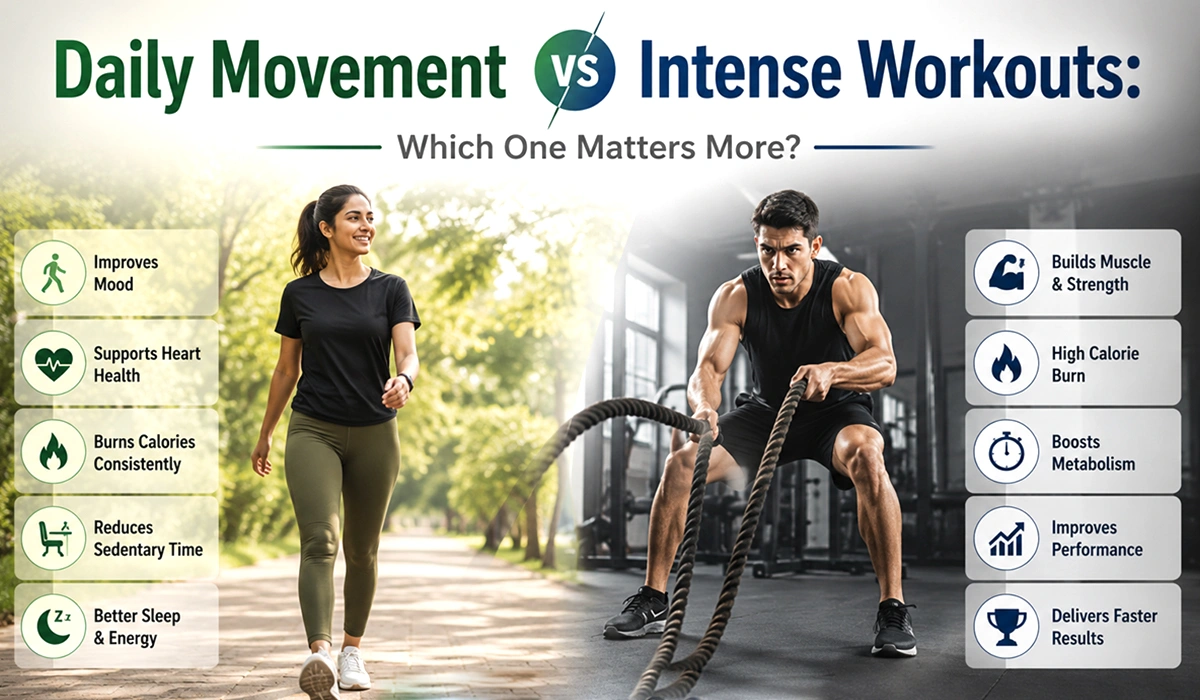
Regular physical activity supports heart health, muscle strength, metabolism, mobility, and emotional well-being.
Health experts recommend:
- At least 150 minutes of moderate-intensity aerobic activity each week, or 75 minutes of vigorous-intensity activity, plus muscle-strengthening activities on two or more days weekly.
Activities to consider
- Walking
- Yoga
- Strength training
- Cycling
- Swimming
- Dancing
- Pilates
- Stretching
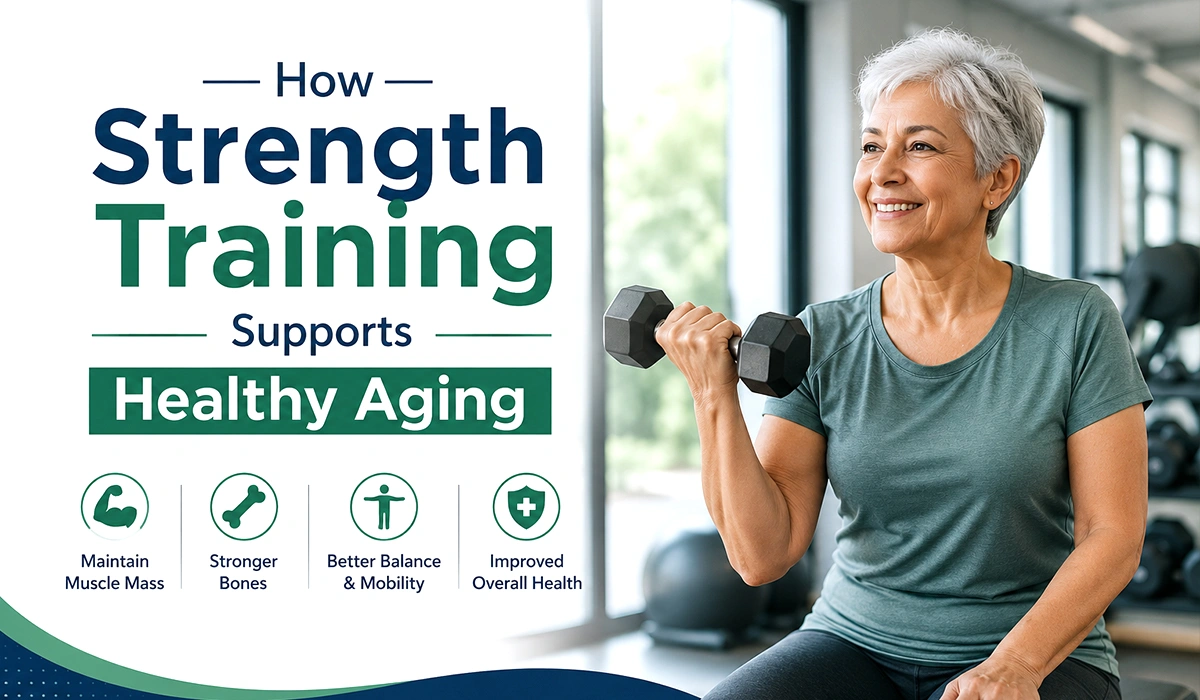
Why strength training matters
Many women believe cardio alone is enough.
In reality, strength training helps:
- Preserve muscle mass
- Improve bone density
- Support metabolism
- Enhance posture
- Improve balance
Practical Tip
Start with 20–30 minutes of activity most days of the week. Consistency is more important than intensity.
Hormonal Health: Understanding Your Body
Hormones regulate many body functions, including mood, sleep, metabolism, reproductive health, and energy levels. Lifestyle choices play a key role in maintaining hormonal balance.
Signs to watch
- Irregular menstrual cycles
- Persistent fatigue
- Sleep disturbances
- Mood changes
- Weight fluctuations
- Hair thinning
- Skin changes
These symptoms can have many causes and should be discussed with a qualified healthcare professional if they persist.
Supporting hormonal health
- Eat balanced meals
- Stay physically active
- Get enough sleep
- Manage stress
- Maintain a healthy weight
- Attend regular health check-ups
Practical Tip
Keeping a simple health journal can help identify patterns in your menstrual cycle, energy levels, and mood.
Bone Health Deserves Early Attention
Bone density naturally begins to decline with age. Building strong bones through proper nutrition and regular exercise after 30 can reduce the risk of osteoporosis later in life.
Bone-friendly habits
- Consume calcium-rich foods
- Ensure adequate vitamin D
- Include resistance exercises
- Walk regularly
- Avoid smoking
- Limit excessive alcohol intake
Foods for bone health
- Milk and yogurt
- Paneer
- Ragi
- Sesame seeds
- Almonds
- Soy products
- Green leafy vegetables
Practical Tip
Weight-bearing exercises such as brisk walking and stair climbing help strengthen bones.
Heart Health After 30: Protect Your Heart Earl
Heart disease is often considered a men’s health issue, but it is also one of the leading health concerns for women. After 30, maintaining a healthy heart through lifestyle choices becomes increasingly important.
Why heart health matters
Hormonal changes, increasing stress, unhealthy eating habits, and reduced physical activity can gradually affect cardiovascular health.
Heart-friendly habits
- Walk at least 30 minutes daily.
- Eat more fruits and vegetables.
- Reduce processed foods.
- Maintain a healthy weight.
- Avoid tobacco.
- Limit alcohol consumption.
- Monitor blood pressure and cholesterol.
Practical Example
Instead of using elevators, choose stairs whenever possible. Small daily activities contribute to long-term heart health.
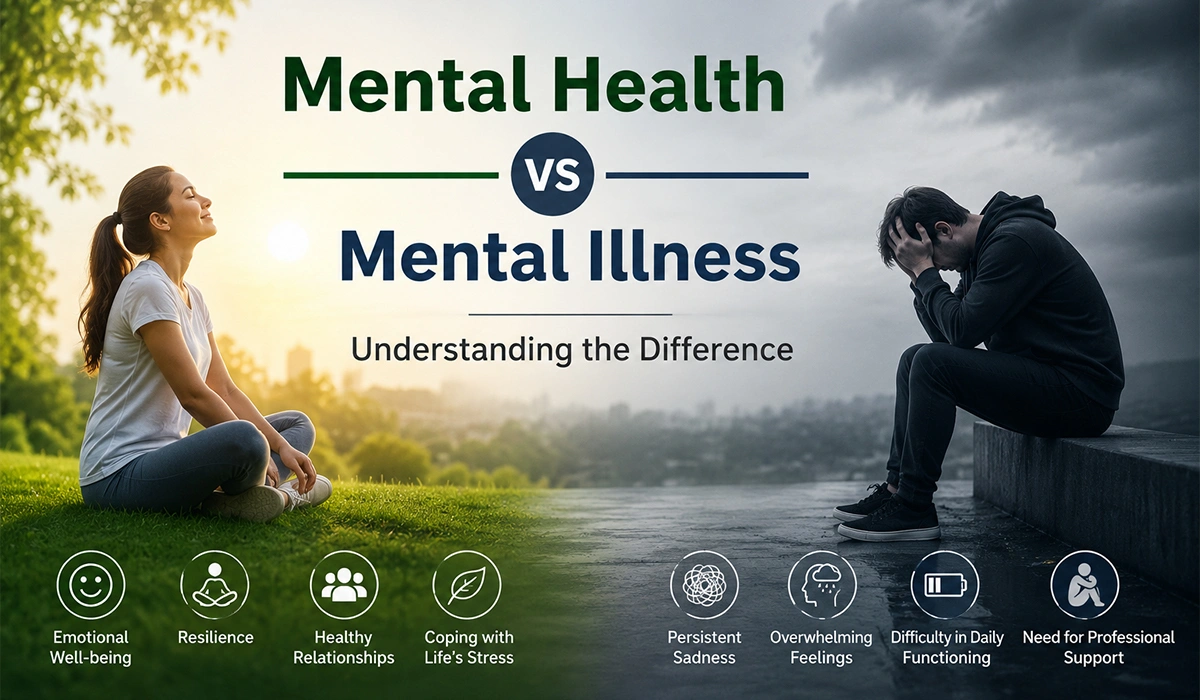
Mental Health Is Just as Important as Physical Health
Women after 30 often balance careers, parenting, relationships, and household responsibilities. Managing mental well-being is essential for overall health.
Common emotional challenges
- Work stress
- Anxiety
- Burnout
- Emotional fatigue
- Sleep disturbances
Ways to improve mental wellness
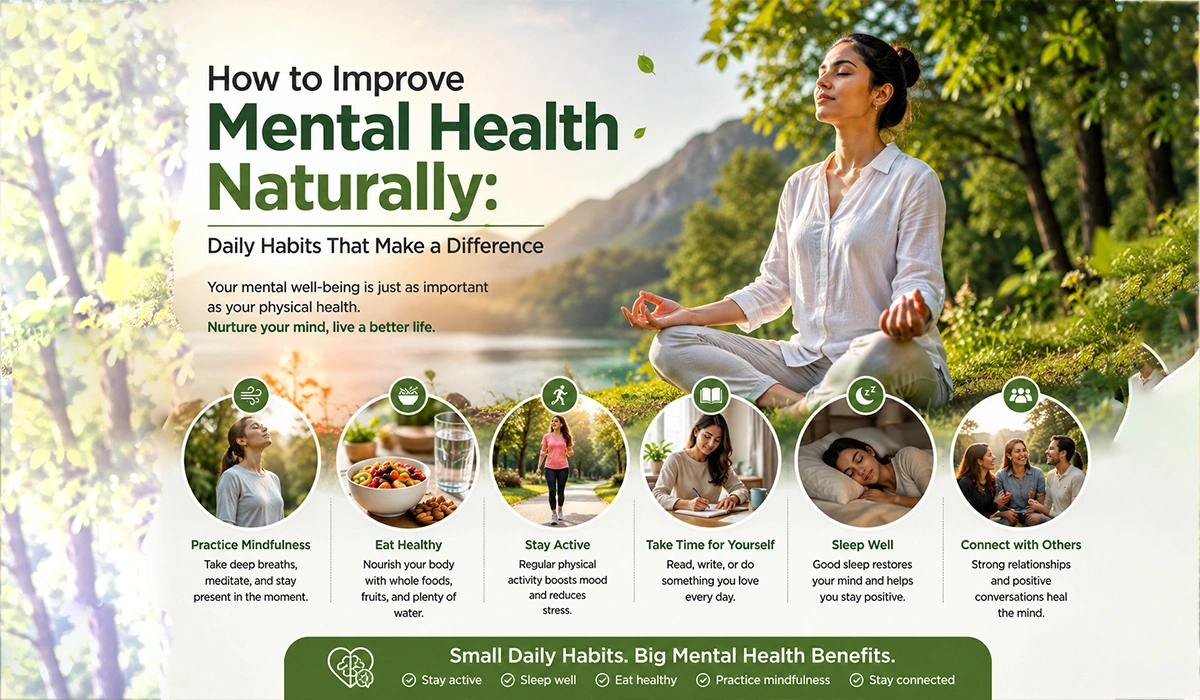
- Practice mindfulness.
- Spend time outdoors.
- Stay socially connected.
- Take regular breaks.
- Pursue hobbies.
- Seek professional support if needed.
Practical Tip
Even 15 minutes of uninterrupted “me time” each day can improve emotional well-being.
Better Sleep Improves Every Aspect of Health
Quality sleep helps regulate hormones, supports immunity, improves concentration, and aids recovery.
Signs of poor sleep
- Constant fatigue
- Difficulty concentrating
- Mood swings
- Increased cravings
- Low productivity
Healthy sleep habits
- Sleep at consistent times.
- Avoid screens before bed.
- Reduce caffeine in the evening.
- Keep your bedroom cool and quiet.
- Exercise regularly.
Practical Tip
Aim for 7–9 hours of quality sleep each night.
Healthy Skin and Hair Begin from Within
Healthy skin and hair depend on nutrition, hydration, sleep, and proper skincare—not just cosmetic products.
Daily skincare essentials
- Cleanse gently.
- Apply moisturizer.
- Use sunscreen every day.
- Stay hydrated.
- Eat antioxidant-rich foods.
Nutrients that support healthy skin
| Nutrient | Benefit |
|---|---|
| Vitamin C | Collagen production |
| Vitamin E | Antioxidant protection |
| Biotin | Hair and nail health |
| Zinc | Skin repair |
| Omega-3 | Skin hydration |
Practical Tip
Consistent skincare combined with balanced nutrition delivers better long-term results than occasional treatments.
Reproductive Health After 30
Regular reproductive health check-ups help identify concerns early and support overall well-being.
Schedule routine care
- Annual gynecological consultation
- Cervical cancer screening as recommended
- Breast health awareness
- Family planning discussions
- Pregnancy counselling if applicable
Symptoms not to ignore
- Persistent pelvic pain
- Heavy bleeding
- Missed periods without pregnancy
- Unusual discharge
- Severe menstrual pain
Practical Tip
Early consultation often leads to better outcomes and greater peace of mind.
Preventive Health Screenings Every Woman Should Consider
Preventive screenings help detect potential health concerns before symptoms appear.
Recommended health checks
| Screening | Suggested Frequency* |
|---|---|
| Blood Pressure | At least annually |
| Blood Sugar | As advised |
| Cholesterol | Periodically |
| Thyroid Function | If recommended |
| Vitamin D | When clinically indicated |
| Vitamin B12 | If at risk |
| Pap Test | As recommended |
| Breast Examination | Regularly |
*Frequency depends on age, risk factors, and your healthcare provider’s advice.
Practical Tip
Maintain a digital record of your health reports to track changes over time.
Managing Weight the Healthy Way
Weight management after 30 focuses on building sustainable habits rather than following restrictive diets.
Healthy strategies
- Eat balanced meals.
- Avoid skipping breakfast.
- Stay hydrated.
- Exercise regularly.
- Increase protein intake.
- Control portion sizes.
- Reduce sugary beverages.
Avoid
- Crash diets
- Meal skipping
- Detox fads
- Excessive calorie restriction
Practical Tip
Aim for gradual, sustainable progress rather than rapid weight loss.
Everyday Habits That Make a Big Difference
Small daily habits have a powerful impact on long-term health.
Healthy daily checklist
✔ Drink enough water
✔ Eat colourful fruits and vegetables
✔ Include protein in every meal
✔ Walk daily
✔ Stretch regularly
✔ Sleep well
✔ Practice stress management
✔ Stay socially connected
✔ Schedule preventive check-ups
✔ Continue learning about your health
Comparison: Healthy vs Unhealthy Lifestyle After 30
| Healthy Habit | Unhealthy Habit |
|---|---|
| Balanced diet | Processed food |
| Regular exercise | Sedentary lifestyle |
| Quality sleep | Poor sleep routine |
| Regular screenings | Ignoring symptoms |
| Stress management | Chronic stress |
| Hydration | Sugary drinks |
| Preventive care | Delayed medical attention |
Real-Life Example
Anita, a 35-year-old marketing professional from Bengaluru, often felt tired despite working out occasionally. After a routine health check, she learned she had low vitamin D and irregular sleep patterns. By improving her diet, walking daily, following her doctor’s advice, and prioritising sleep, she noticed better energy, improved focus, and greater overall well-being within a few months.
Her experience highlights how simple, consistent lifestyle changes can make a meaningful difference.
Expert Insights
Health professionals generally recommend that women over 30:
- Prioritise preventive healthcare.
- Maintain a healthy body weight.
- Stay physically active.
- Eat nutrient-rich foods.
- Get adequate sleep.
- Manage stress effectively.
- Follow age-appropriate health screenings.
- Consult qualified healthcare professionals for persistent symptoms.
These practices support long-term health and reduce the risk of many lifestyle-related conditions.
Women’s Health After 30 Frequently Asked Questions
1. Why does women’s health change after the age of 30?
Women’s bodies naturally undergo gradual hormonal and metabolic changes after 30. Muscle mass, bone density, and collagen production may slowly decline, making healthy nutrition, regular exercise, quality sleep, and preventive healthcare increasingly important.
2. What are the essential health check-ups for women after 30?
Women should consider regular blood pressure checks, blood sugar testing, cholesterol screening, thyroid evaluation when appropriate, cervical cancer screening, breast examinations, and periodic vitamin D and vitamin B12 assessments as advised by their healthcare professional.
3. What nutrients are most important for women after 30?
Key nutrients include:
- Protein
- Calcium
- Vitamin D
- Iron
- Vitamin B12
- Omega-3 fatty acids
- Folate
- Zinc
- Magnesium
- Dietary fibre
A balanced diet remains the best foundation for meeting nutritional needs.
4. How much exercise should women over 30 do?
Most adults benefit from at least 150 minutes of moderate-intensity aerobic activity each week or 75 minutes of vigorous-intensity activity, along with muscle-strengthening activities on two or more days per week, depending on individual health needs.
5. Is strength training necessary after 30?
Yes. Strength training helps preserve muscle mass, supports bone health, improves metabolism, enhances posture, and reduces the risk of age-related muscle loss.
6. How can women maintain hormonal health naturally?
Healthy habits that support hormonal well-being include:
- Eating balanced meals
- Regular physical activity
- Managing stress
- Maintaining a healthy body weight
- Getting adequate sleep
- Consulting healthcare professionals for persistent symptoms
7. Why is calcium and vitamin D important after 30?
Calcium supports healthy bones and teeth, while vitamin D helps the body absorb calcium effectively. Together, they contribute to maintaining bone strength and reducing the risk of bone-related conditions later in life.
8. What are common signs of nutritional deficiencies in women?
Possible signs include:
- Persistent fatigue
- Hair thinning
- Brittle nails
- Pale skin
- Poor concentration
- Muscle weakness
These symptoms may have multiple causes, so proper medical evaluation is recommended.
9. How can women reduce stress after 30?
Simple stress-management strategies include regular exercise, mindfulness, spending time with family and friends, pursuing hobbies, limiting excessive screen time, and ensuring adequate sleep.
10. Is walking enough for women after 30?
Walking is an excellent form of exercise for heart health and overall fitness. However, combining walking with strength training, flexibility exercises, and balance activities provides more comprehensive health benefits.
11. How much sleep do women need after 30?
Most adults require 7–9 hours of quality sleep each night to support hormone regulation, immune function, mental health, and physical recovery.
12. How can women support healthy skin after 30?
Healthy skin can be supported by:
- Drinking enough water
- Using sunscreen daily
- Following a gentle skincare routine
- Eating antioxidant-rich foods
- Sleeping well
- Avoiding smoking
13. Why are preventive health screenings important?
Preventive screenings help identify potential health concerns before symptoms develop, allowing for earlier intervention and better long-term health outcomes
14. Can a healthy lifestyle reduce the risk of chronic diseases?
Yes. Regular physical activity, balanced nutrition, healthy body weight, stress management, quality sleep, and avoiding tobacco significantly contribute to reducing the risk of many chronic health conditions.
15. When should women consult a healthcare professional?
Women should seek medical advice if they experience persistent fatigue, unexplained weight changes, abnormal menstrual cycles, ongoing pain, breast changes, or any symptoms that interfere with daily life.
Conclusion
Turning 30 is not the beginning of decline—it is the beginning of a more intentional approach to health. By focusing on balanced nutrition, regular physical activity, preventive health screenings, quality sleep, mental well-being, and informed healthcare decisions, women can build a strong foundation for the decades ahead.
Small, consistent habits often create the biggest long-term impact. Whether it’s taking a daily walk, choosing nutritious meals, scheduling an annual health check-up, or making time to rest, each step contributes to better overall wellness.
Remember that every woman’s health journey is unique. Listen to your body, seek professional medical advice when needed, and prioritise preventive care. Investing in your health today can help you enjoy greater energy, confidence, and quality of life in the years to come.`