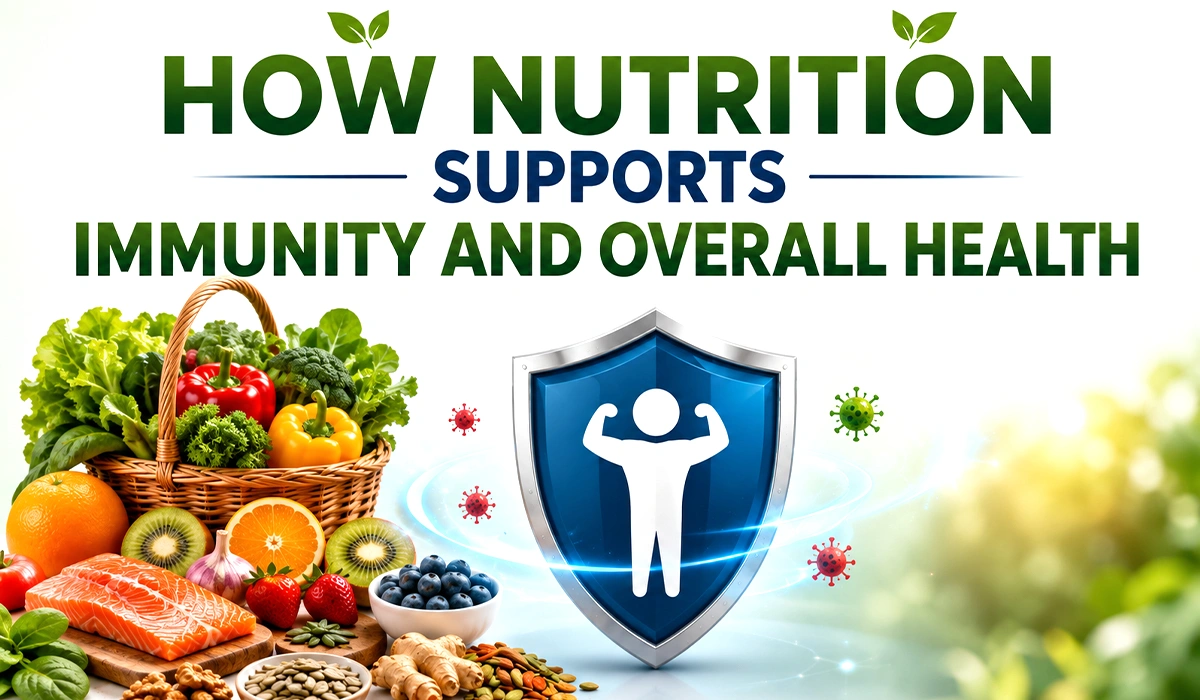
How Nutrition Supports Immunity and Overall Health

How nutrition supports immunity and overall health is one of the most important questions in preventive healthcare. A balanced diet rich in vitamins, minerals, proteins, healthy fats, and antioxidants helps strengthen the immune system, improve energy levels, support brain function, and reduce the risk of many lifestyle-related diseases.

Introduction

A young professional in Mumbai skips breakfast, drinks several cups of coffee, and works late into the night. Across the world in New York, a college student relies on fast food because of a busy schedule. Both feel tired, get frequent colds, and wonder why their energy levels are so low.

The answer may not always be a lack of sleep or a heavy workload. Sometimes, the body simply is not getting the nutrition it needs.

Modern healthcare is moving beyond treating diseases after they appear. Today, experts around the world agree that nutrition plays a major role in maintaining immunity and supporting overall health.

Understanding how nutrition supports immunity and overall health helps people make better daily choices that benefit their bodies for years to come.

What Is Nutrition?

Nutrition is the process by which the body obtains and uses nutrients from food to support growth, energy production, immunity, and overall well-being.

Detailed Explanation

The body requires different nutrients to function properly:

NutrientMain Function
ProteinMuscle repair and immunity
CarbohydratesEnergy production
Healthy fatsBrain and hormone function
VitaminsCellular protection
MineralsBone, nerve, and muscle health
WaterHydration and body balance

Without proper nutrition, many body systems become weaker over time.

How Does Nutrition Support the Immune System?

Good nutrition helps the immune system produce protective cells and antibodies that fight infections.

Detailed Explanation

The immune system depends on nutrients to function effectively.

Key nutrients include:

  • Vitamin C
  • Vitamin D
  • Zinc
  • Iron
  • Protein
  • Selenium

When these nutrients are lacking, the body’s defense system may not perform efficiently.

Why Immunity Matters in Modern Life

The immune system protects the body from:

  • Viruses
  • Bacteria
  • Fungi
  • Environmental toxins

A strong immune system may help reduce the severity and frequency of common infections.

Poor nutrition, stress, lack of sleep, and sedentary lifestyles can weaken immunity over time.

Essential Nutrients That Support Immunity

Vitamin C

Benefits

  • Supports white blood cells
  • Protects against oxidative stress
  • Helps wound healing

Food Sources

  • Oranges
  • Lemons
  • Guava
  • Kiwi
  • Bell peppers

Vitamin D

Benefits

  • Supports immune regulation
  • Helps bone strength
  • Assists calcium absorption

Sources

  • Sunlight
  • Fortified milk
  • Egg yolks
  • Fish

Zinc

Benefits

  • Supports immune cell growth
  • Helps tissue repair

Sources

  • Nuts
  • Seeds
  • Whole grains
  • Beans

Protein

Protein is essential because antibodies and immune cells are made from amino acids.

Good sources:

  • Lentils
  • Dairy products
  • Eggs
  • Fish
  • Soy

The Connection Between Gut Health and Immunity

A healthy digestive system supports a healthy immune system.

Many experts believe that a significant portion of immune activity is connected to the gut.

Gut-friendly foods include:

  • Yogurt
  • Fruits
  • Vegetables
  • Whole grains
  • Fiber-rich foods

Maintaining digestive health may improve overall wellness.

How Poor Nutrition Weakens the Body

Poor nutrition may contribute to:

  • Fatigue
  • Frequent infections
  • Weak bones
  • Hair fall
  • Slow wound healing
  • Poor concentration

Long-term nutritional imbalance may increase the risk of lifestyle-related health problems.

Nutrition and Overall Health

Good nutrition supports more than immunity.

It also benefits:

Brain Health

Healthy fats and vitamins support memory and concentration.

Heart Health

Balanced nutrition may help maintain healthy cholesterol and blood pressure levels.

Bone Health

Calcium and Vitamin D help maintain strong bones.

Muscle Strength

Protein supports muscle growth and recovery.

Skin Health

Vitamins and antioxidants contribute to healthy-looking skin.

Best Foods for a Strong Immune System

Fruits

  • Orange
  • Papaya
  • Kiwi
  • Berries

Vegetables

  • Spinach
  • Broccoli
  • Carrots

Protein Sources

  • Lentils
  • Eggs
  • Fish
  • Dairy

Healthy Fats

  • Nuts
  • Seeds
  • Olive oil

Hydration

Water plays a critical role in nutrient transport and overall health.

Nutrition Across Different Age Groups

Children

Need nutrition for growth and development.

Adults

Need balanced nutrition to manage work and lifestyle stress.

Older Adults

Need additional support for immunity, muscles, and bones.

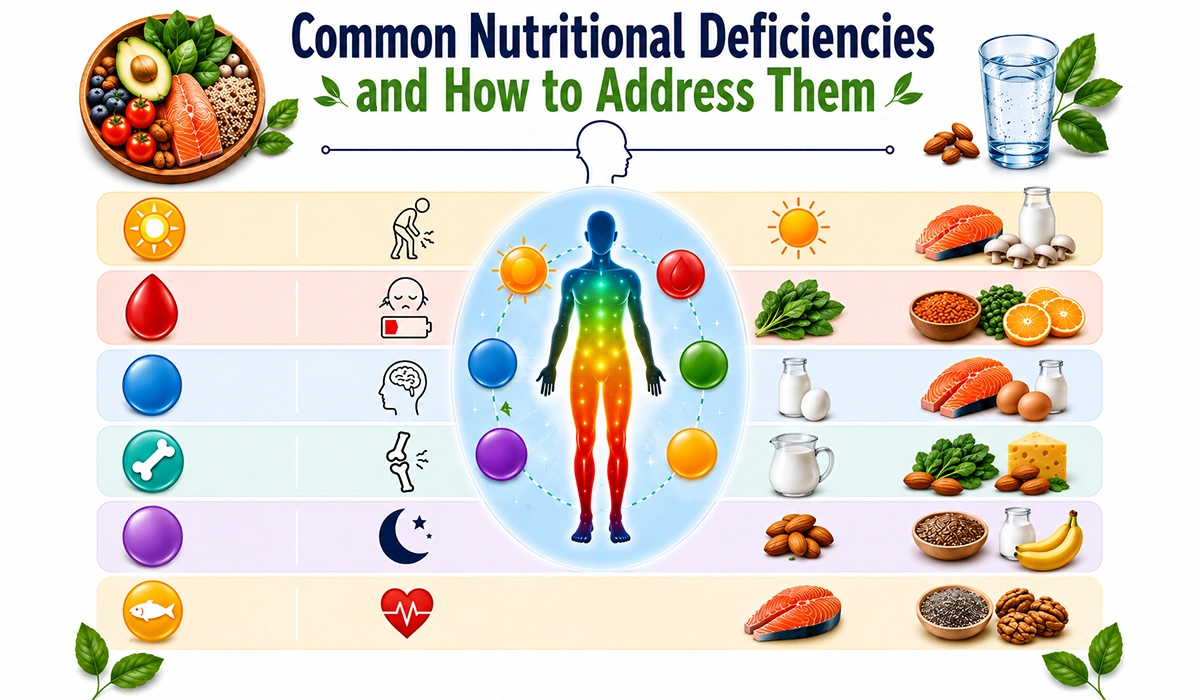
Common Nutritional Deficiencies

Some of the most common deficiencies include:

NutrientCommon Symptoms
IronFatigue
Vitamin DBone weakness
CalciumMuscle cramps
Vitamin B12Low energy
ProteinMuscle loss
ZincPoor immunity

Regular health checkups may help identify nutritional gaps.

Can Nutritional Supplements Help?

Supplements may help when dietary intake is insufficient.

However, whole foods should remain the primary source of nutrition.

Healthcare professionals may recommend supplements based on individual needs.

Daily Habits That Support Immunity

Eat a balanced diet

Include fruits, vegetables, proteins, and whole grains.

Stay hydrated

Drink enough water throughout the day.

Sleep well

Quality sleep supports immune function.

Exercise regularly

Physical activity promotes overall wellness.

Manage stress

Chronic stress may weaken immunity.

Nutrition and Preventive Healthcare

Preventive healthcare focuses on avoiding illness before it develops.

Nutrition is one of the most effective preventive healthcare tools.

Healthy eating habits may help support:

  • Immune health
  • Heart health
  • Brain function
  • Healthy aging

Why Choose a Preventive Wellness Approach?

Modern healthcare is moving toward prevention rather than treatment.

Benefits include:

  • Better long-term health
  • Improved quality of life
  • Lower healthcare costs
  • Increased productivity

Small daily habits often create lasting health benefits.

Practical Example

Consider two office workers.

One regularly eats balanced meals, stays hydrated, and sleeps well.

The other frequently skips meals and relies on processed foods.

Over time, the first individual is more likely to maintain better energy, immunity, and overall wellness.

Nutrition influences everyday performance.

Nutrition Myths vs Facts

MythFact
Supplements can replace foodWhole foods remain the best source
Healthy eating is expensiveSimple balanced meals can be affordable
Only older adults need nutrition supportEvery age group benefits
One superfood can improve healthBalanced diets work best

How Nutrition Supports Immunity and Overall Health Frequently Asked Questions

How does nutrition support immunity and overall health?

Nutrition provides essential vitamins, minerals, proteins, and antioxidants that help the immune system function properly.

Which nutrients are most important for immunity?

Vitamin C, Vitamin D, Zinc, Iron, Protein, and Selenium are among the most important nutrients.

Can poor nutrition weaken the immune system?

Yes. Long-term nutritional deficiencies may reduce the body’s ability to fight infections.

What foods help improve immunity naturally?

Fruits, vegetables, whole grains, nuts, seeds, dairy products, and protein-rich foods support healthy immunity.

Are nutritional supplements necessary?

Supplements may be useful when deficiencies exist, but balanced diets remain the best foundation for health.

How much water should I drink daily?

Hydration needs vary, but regular water intake is essential for overall health and body function.

Conclusion

Understanding how nutrition supports immunity and overall health helps people make informed choices that benefit both the body and mind.

A healthy diet is not about perfection. It is about giving the body the nutrients it needs to function properly every day.

Small habits such as eating balanced meals, staying hydrated, exercising regularly, and getting enough sleep can strengthen immunity and improve overall wellness.

The future of healthcare is increasingly focused on prevention, and good nutrition remains one of the most powerful tools available.

Nutritional
Why Nutritional Supplements Are Important in Modern Lifestyles
Common Nutritional Deficiencies and How to Address Them
The Science Behind Daily Nutritional Support
How Nutrition Supports Immunity and Overall Health
Benefits of Calcium and Vitamin D3 for Bone Health
Understanding the Growing Importance of Nutraceuticals
How Nutrition Impacts Energy, Strength, and Wellness
Essential Nutrients Your Body Needs Every Day

The Science Behind Daily Nutritional Support

Introduction

A busy office worker skips breakfast. A college student survives on fast food. A parent spends the day caring for everyone else but forgets to eat balanced meals.

These situations are common around the world.

Many people believe they are eating enough because they rarely feel hungry. Yet their bodies may still lack important nutrients needed for energy, immunity, and long-term wellness.

This is why understanding the science behind daily nutritional support has become more important than ever.

Modern life is fast. Stress levels are higher, eating habits are changing, and processed foods have become a regular part of many diets. As a result, healthcare experts increasingly focus on preventive wellness rather than simply treating illness.

Daily nutritional support is not about replacing healthy food. It is about helping the body receive the nutrients it needs to function properly every day.

What Is Daily Nutritional Support?

Daily nutritional support means providing the body with essential vitamins, minerals, proteins, healthy fats, and other nutrients required for normal physical and mental function.

Detailed Explanation

The human body performs thousands of biological activities every second.

It needs nutrients for:

  • Energy production
  • Brain function
  • Muscle repair
  • Bone health
  • Immune defense
  • Hormone balance
  • Cell growth

Without adequate nutrition, these systems may not work efficiently.

Why Does the Body Need Nutritional Support Every Day?

The body constantly uses nutrients and cannot store many of them for long periods.

Why daily intake matters:

Body FunctionNutrients Required
EnergyB Vitamins, Iron
ImmunityVitamin C, Zinc
BonesCalcium, Vitamin D
MusclesProtein, Magnesium
BrainOmega-3, B12
SkinVitamins A, C, E

Daily replenishment helps maintain these functions.

The Science of How Nutrients Work

Food is converted into energy through complex biochemical processes.

Macronutrients

Carbohydrates

Primary energy source.

Proteins

Support muscles and tissue repair.

Healthy Fats

Support hormones and brain health.

Micronutrients

These include:

  • Vitamins
  • Minerals
  • Trace elements

Although needed in smaller amounts, they are essential for overall wellness.

Common Nutritional Gaps in Modern Lifestyles

Many people do not meet recommended nutrient levels due to changing lifestyles.

Common causes

  • Busy work schedules
  • Fast food consumption
  • Low fruit and vegetable intake
  • Poor sleep
  • Stress
  • Indoor lifestyles

Frequently missing nutrients

  • Vitamin D
  • Calcium
  • Iron
  • Vitamin B12
  • Zinc
  • Protein
  • Magnesium

The Role of Nutrition in Immune Health

A healthy immune system depends on balanced nutrition.

Nutrients supporting immunity

  • Vitamin C
  • Zinc
  • Vitamin D
  • Protein
  • Selenium

Practical Example

People with poor dietary habits may experience:

  • Frequent colds
  • Low energy
  • Slow recovery

Good nutrition helps the immune system function efficiently.

How Nutrition Supports Energy Levels

Many people blame stress for low energy.

Sometimes the cause may be nutritional.

Nutrients involved in energy production

  • Iron
  • Vitamin B12
  • Magnesium
  • B Complex Vitamins

These nutrients help convert food into usable energy.

Daily Nutritional Support and Bone Health

Bones constantly rebuild themselves.

Key nutrients include:

  • Calcium
  • Vitamin D
  • Magnesium
  • Vitamin K

Comparison Table

NutrientMain Function
CalciumBone strength
Vitamin DCalcium absorption
MagnesiumBone metabolism
Vitamin KBone protein activation

The Connection Between Nutrition and Brain Function

The brain requires a steady supply of nutrients.

Nutrients for cognitive health

  • Omega-3 fatty acids
  • Vitamin B12
  • Iron
  • Folate

Balanced nutrition may support:

  • Focus
  • Memory
  • Learning
  • Mental performance

Nutrition and Healthy Aging

As people age, nutrient absorption may decrease.

Older adults often require attention to:

  • Protein intake
  • Bone health
  • Vitamin D
  • Calcium
  • Vitamin B12

Preventive nutrition helps support active aging.

Can Nutritional Supplements Help?

Supplements may help fill nutritional gaps but should not replace a healthy diet.

People who may benefit include:

  • Older adults
  • Vegetarians
  • Pregnant women
  • Busy professionals
  • Individuals with diagnosed deficiencies

Healthcare guidance is recommended.

Preventive Healthcare and Nutritional Wellness

Preventive healthcare focuses on reducing health risks before problems occur.

Daily nutritional support is part of this approach.

Benefits include

  • Better immunity
  • Improved energy
  • Bone support
  • Muscle maintenance
  • Long-term wellness

Why Modern Consumers Are Choosing Daily Nutritional Support

Healthcare trends show increasing interest in:

  • Preventive wellness
  • Nutraceuticals
  • Functional nutrition
  • Healthy aging

Consumers are becoming proactive about their health rather than waiting for illness.

Why Choose Quality Nutritional Solutions?

Benefits

  • Quality ingredients
  • Scientifically developed formulations
  • Consistent manufacturing
  • Wellness-focused approach

Trust Signals

  • GMP manufacturing
  • Quality testing
  • Research-backed development
  • Consumer-focused healthcare

Case Study Example

A working professional experiences fatigue and poor concentration.

After improving dietary habits and addressing nutritional gaps under healthcare guidance, energy levels improve and daily productivity increases.

This demonstrates how preventive nutrition supports long-term wellness.

Daily Nutritional Support: Step-by-Step Plan

Morning

  • Balanced breakfast
  • Protein source
  • Fruit

Afternoon

  • Healthy lunch
  • Hydration

Evening

  • Light exercise
  • Balanced dinner

Daily Habits

  • Sleep 7–8 hours
  • Drink enough water
  • Stay physically active

Daily Nutritional Support Frequently Asked Questions

What is daily nutritional support?

Daily nutritional support means providing the body with essential nutrients needed for healthy function.

Why is daily nutrition important?

The body continuously uses nutrients for energy, immunity, and cell repair.

Can supplements replace healthy food?

No. Supplements support nutrition but should not replace a balanced diet.

What nutrients are commonly lacking?

Vitamin D, Iron, Calcium, Vitamin B12, Zinc, and Protein are common nutritional gaps.

Who benefits from nutritional support?

Children, adults, seniors, busy professionals, and people with increased nutritional needs may benefit.

How can I improve my nutrition naturally?

Eat balanced meals, include fruits and vegetables, stay active, sleep well, and seek healthcare guidance when needed.

Conclusion

The science behind daily nutritional support is simple: the body performs best when it receives the nutrients it needs every day.

Good nutrition supports energy, immunity, brain function, bone strength, muscle health, and overall wellness. While no single food or supplement can guarantee perfect health, balanced eating habits combined with preventive healthcare create a strong foundation for long-term well-being.

Small daily choices—healthy meals, physical activity, quality sleep, and nutritional awareness—can lead to meaningful health improvements over time.

The future of healthcare is not only about treating illness. It is about building healthier lives through informed, preventive, and science-backed nutrition.

Nutritional
Why Nutritional Supplements Are Important in Modern Lifestyles
Common Nutritional Deficiencies and How to Address Them
The Science Behind Daily Nutritional Support
How Nutrition Supports Immunity and Overall Health
Benefits of Calcium and Vitamin D3 for Bone Health
Understanding the Growing Importance of Nutraceuticals
How Nutrition Impacts Energy, Strength, and Wellness
Essential Nutrients Your Body Needs Every Day

Common Nutritional Deficiencies and How to Address Them

Introduction

Have you ever felt tired even after a full night’s sleep? Or noticed frequent hair fall, weak bones, or low energy despite eating regular meals?

Many people assume these problems are caused by a busy lifestyle. However, the real reason may be something much simpler—nutritional deficiencies.

Today, common nutritional deficiencies and how to address them has become an important healthcare topic, especially in India, where changing food habits, busy schedules, and lifestyle factors affect millions of people every year.

Good nutrition is the foundation of good health. The body depends on vitamins, minerals, proteins, and other nutrients to function properly. When these nutrients are missing, even small deficiencies can slowly affect energy, immunity, bone strength, and overall well-being.

Understanding the signs of nutritional deficiencies and taking early action can help people live healthier and more active lives.

What Are Nutritional Deficiencies?

Nutritional deficiencies occur when the body does not receive enough essential nutrients to perform its normal functions.

These nutrients include:

  • Vitamins
  • Minerals
  • Proteins
  • Healthy fats
  • Trace elements

A deficiency may develop because of:

  • Poor eating habits
  • Limited food variety
  • Digestive disorders
  • Increased nutritional needs
  • Aging
  • Pregnancy

Early detection can prevent many long-term health problems.

Why Nutritional Deficiencies Are Common in India

India has made significant progress in healthcare, but nutritional deficiencies remain a challenge.

Several factors contribute to this:

  • Busy lifestyles
  • Processed food consumption
  • Vegetarian dietary patterns
  • Poor eating schedules
  • Lack of sun exposure
  • Economic and social factors

Even people who eat enough calories may not get enough essential nutrients.

Signs Your Body May Be Missing Important Nutrients

The body often gives warning signals.

Common symptoms include:

  • Constant fatigue
  • Weakness
  • Hair fall
  • Dry skin
  • Poor immunity
  • Muscle cramps
  • Bone pain
  • Difficulty concentrating
  • Slow wound healing

Ignoring these signs may allow deficiencies to worsen over time.

Iron Deficiency: One of the Most Common Nutritional Problems

Iron helps produce hemoglobin, which carries oxygen through the body.

Symptoms of iron deficiency:

  • Low energy
  • Pale skin
  • Dizziness
  • Shortness of breath
  • Brittle nails

Iron-rich foods:

  • Green leafy vegetables
  • Beans
  • Lentils
  • Dates
  • Lean meat
  • Fortified cereals

Vitamin C-rich foods may improve iron absorption.

Vitamin D Deficiency and Bone Health

Vitamin D helps the body absorb calcium and maintain healthy bones.

In India, Vitamin D deficiency is common because many people spend limited time in direct sunlight.

Symptoms include:

  • Bone pain
  • Muscle weakness
  • Fatigue
  • Frequent illness

Sources of Vitamin D:

  • Morning sunlight
  • Fortified milk
  • Egg yolks
  • Fatty fish
  • Nutritional supplements when needed

Calcium Deficiency and Strong Bones

Calcium is essential for:

  • Bone strength
  • Teeth health
  • Muscle function
  • Heart rhythm

Signs of low calcium:

  • Muscle cramps
  • Weak bones
  • Dental problems
  • Brittle nails

Calcium-rich foods:

  • Milk
  • Yogurt
  • Cheese
  • Sesame seeds
  • Almonds
  • Green vegetables

Vitamin D helps improve calcium absorption.

Vitamin B12 Deficiency and Energy Levels

Vitamin B12 supports nerve health and red blood cell production.

Vegetarians may face a higher risk because many natural sources come from animal-based foods.

Common symptoms:

  • Fatigue
  • Numbness
  • Memory problems
  • Weakness
  • Mood changes

Good sources:

  • Dairy products
  • Eggs
  • Fish
  • Meat
  • Fortified foods

Protein Deficiency and Muscle Health

Protein supports:

  • Muscle growth
  • Tissue repair
  • Hormone production
  • Immune function

Signs of protein deficiency:

  • Muscle weakness
  • Slow recovery
  • Hair thinning
  • Frequent infections

Healthy protein sources:

  • Lentils
  • Chickpeas
  • Dairy products
  • Eggs
  • Fish
  • Soy products
  • Nuts

Zinc Deficiency and Immunity

Zinc plays an important role in immune health.

Low zinc levels may cause:

  • Slow wound healing
  • Frequent infections
  • Hair loss
  • Reduced appetite

Zinc-rich foods include:

  • Pumpkin seeds
  • Nuts
  • Beans
  • Whole grains
  • Seafood

Magnesium Deficiency and Stress

Magnesium helps regulate:

  • Muscle function
  • Sleep quality
  • Heart rhythm
  • Nervous system health

Symptoms may include:

  • Muscle cramps
  • Fatigue
  • Anxiety
  • Poor sleep

Magnesium-rich foods include nuts, seeds, whole grains, and leafy vegetables.

Folic Acid Deficiency

Folic acid is essential for healthy cell growth.

It is particularly important during pregnancy.

Signs of deficiency:

  • Fatigue
  • Weakness
  • Mouth ulcers
  • Poor concentration

Food sources:

  • Spinach
  • Broccoli
  • Lentils
  • Citrus fruits

Children and Nutritional Deficiencies

Growing children need balanced nutrition for healthy development.

Common childhood deficiencies include:

  • Iron
  • Vitamin D
  • Calcium
  • Protein

Parents should encourage balanced meals and healthy eating habits.

Women’s Nutritional Needs

Women often have increased nutritional requirements due to menstruation, pregnancy, and menopause.

Key nutrients include:

  • Iron
  • Calcium
  • Vitamin D
  • Folic acid
  • Vitamin B12

Regular health checkups can help identify deficiencies early.

Older Adults and Nutritional Health

As people age, nutrient absorption may decrease.

Older adults may require additional attention to:

  • Bone health
  • Muscle strength
  • Immunity
  • Brain function

Balanced diets and healthcare guidance can support healthy aging.

Can Nutritional Supplements Help?

Food should always be the primary source of nutrition.

However, supplements may be helpful when:

  • Deficiencies are diagnosed
  • Dietary restrictions exist
  • Medical conditions affect absorption

Healthcare professionals can recommend suitable nutritional support.

Healthy Habits to Prevent Nutritional Deficiencies

Simple daily habits can improve nutritional health.

Tips include:

  • Eat colorful fruits and vegetables
  • Include protein in every meal
  • Drink enough water
  • Spend time in sunlight
  • Limit processed foods
  • Exercise regularly
  • Get routine health checkups

Consistency is more important than perfection.

The Role of Preventive Healthcare

Preventive healthcare helps identify nutritional gaps before they become serious.

Regular health screenings can monitor:

  • Iron levels
  • Vitamin D
  • Blood sugar
  • Bone health
  • Overall wellness

Early action often leads to better health outcomes.

Common Nutritional Deficiencies and How to Address Them – Frequently Asked Questions

What are the most common nutritional deficiencies?

Iron, Vitamin D, Calcium, Vitamin B12, Protein, Zinc, and Magnesium deficiencies are among the most common.

How do I know if I have a nutritional deficiency?

Symptoms such as fatigue, weakness, hair fall, muscle cramps, and poor immunity may indicate a deficiency.

Can nutritional deficiencies be corrected naturally?

Many deficiencies improve through balanced diets rich in vitamins and minerals.

Is Vitamin D deficiency common in India?

Yes. Limited sunlight exposure and lifestyle factors contribute to widespread Vitamin D deficiency.

Who is most at risk for nutritional deficiencies?

Children, women, older adults, vegetarians, and people with certain medical conditions may have higher risks.

Should I take nutritional supplements every day?

Supplements should be taken based on healthcare advice and individual nutritional needs.

Conclusion

Understanding common nutritional deficiencies and how to address them is one of the most important steps toward better health.

Many everyday problems such as fatigue, weak immunity, poor bone health, and low energy may be linked to missing nutrients rather than serious illness.

Balanced nutrition, healthy lifestyle habits, regular checkups, and early awareness can help prevent deficiencies before they affect quality of life.

Small improvements in daily eating habits can create long-term health benefits for individuals and families across India and beyond.

Nutritional
Why Nutritional Supplements Are Important in Modern Lifestyles
Common Nutritional Deficiencies and How to Address Them
The Science Behind Daily Nutritional Support
How Nutrition Supports Immunity and Overall Health
Benefits of Calcium and Vitamin D3 for Bone Health
Understanding the Growing Importance of Nutraceuticals
How Nutrition Impacts Energy, Strength, and Wellness
Essential Nutrients Your Body Needs Every Day

Why Nutritional Supplements Are Important in Modern Lifestyles

Introduction

Have you ever wondered why so many people today feel tired, stressed, or low on energy despite having access to more food choices than ever before?

A busy professional skips breakfast to catch an early meeting. A student relies on fast food between classes. Parents juggle work, family, and household responsibilities with little time to focus on balanced nutrition. These scenarios are becoming increasingly common in India and around the world.

Modern lifestyles have brought convenience, but they have also created new health challenges. Poor eating habits, long working hours, processed foods, lack of physical activity, and environmental stress can affect the body’s nutritional balance. As a result, many people may not get all the essential nutrients their bodies need every day.

This is why understanding why nutritional supplements are important in modern lifestyles has become increasingly relevant. Nutritional supplements can help support overall health, fill dietary gaps, and contribute to better wellness when combined with a balanced diet and healthy habits.

In this comprehensive guide, we will explore the role of nutritional supplements, their benefits, common deficiencies, and how they fit into modern preventive healthcare.

What Are Nutritional Supplements?

Nutritional supplements are products designed to provide nutrients that may be missing or insufficient in a person’s daily diet.

These may include:

  • Vitamins
  • Minerals
  • Amino acids
  • Herbal extracts
  • Omega-3 fatty acids
  • Protein supplements
  • Antioxidants

Nutritional supplements are intended to support health and wellness rather than replace healthy eating habits.

Why Nutritional Supplements Are Important in Modern Lifestyles

The modern world is fast-paced.

People often face:

  • Busy schedules
  • High stress levels
  • Irregular eating habits
  • Processed food consumption
  • Reduced physical activity

These lifestyle factors may contribute to nutritional gaps that affect overall well-being.

Understanding why nutritional supplements are important in modern lifestyles helps individuals make informed decisions about their health and nutrition.

Common Nutritional Deficiencies in Today’s Population

Despite food abundance, nutritional deficiencies remain common.

Frequently observed deficiencies include:

Vitamin D

Often caused by limited sun exposure and indoor lifestyles.

Vitamin B12

Common among vegetarians and older adults.

Iron

Frequently seen in women and growing children.

Calcium

Important for bone health and often under-consumed.

Omega-3 Fatty Acids

Many diets contain insufficient amounts of healthy fats.

Addressing these deficiencies can help support overall health and vitality.

How Modern Eating Habits Affect Nutrition

Modern diets have changed significantly over the last few decades.

Many people consume:

  • Fast food
  • Refined carbohydrates
  • Sugary beverages
  • Processed snacks

While convenient, these foods may lack essential nutrients.

At the same time, fruits, vegetables, and whole foods are often consumed in lower amounts than recommended.

This imbalance increases the importance of nutritional awareness.

Nutritional Supplements and Energy Support

Feeling constantly tired is one of the most common health complaints today.

Nutritional deficiencies can contribute to:

  • Low energy levels
  • Fatigue
  • Reduced productivity
  • Difficulty concentrating

Certain nutrients play key roles in energy production, including:

  • B Vitamins
  • Iron
  • Magnesium
  • Coenzyme Q10

When dietary intake is inadequate, nutritional support may help maintain normal energy metabolism.

Supporting Immunity Through Proper Nutrition

The immune system depends on adequate nutrition to function effectively.

Important nutrients for immune health include:

  • Vitamin C
  • Vitamin D
  • Zinc
  • Selenium

A balanced diet remains the foundation of immune wellness, but nutritional supplements may provide additional support when needed.

This is one reason why many people seek nutritional supplements during seasonal health challenges.

The Growing Importance of Nutraceuticals

Nutraceuticals combine nutrition and wellness benefits in a single product category.

Examples include:

  • Curcumin supplements
  • Omega-3 formulations
  • Antioxidant complexes
  • Joint support supplements

The nutraceutical market in India is growing rapidly as consumers become more focused on preventive healthcare.

Many healthcare experts view nutraceuticals as part of a broader wellness strategy.

Bone Health and Nutritional Support

Bone health often becomes a concern with age, but prevention should start early.

Key nutrients for bone support include:

Calcium

Supports bone structure and strength.

Vitamin D3

Helps the body absorb calcium effectively.

Magnesium

Contributes to healthy bone function.

Many people do not achieve recommended daily intake through diet alone, making nutritional awareness especially important.

How Nutritional Supplements Support Active Lifestyles

Modern lifestyles demand physical and mental performance.

Whether someone is:

  • Working long hours
  • Managing family responsibilities
  • Studying
  • Exercising regularly

The body requires adequate nutritional support.

Active individuals often seek supplements that support:

  • Energy
  • Recovery
  • Joint health
  • Muscle function
  • Overall wellness

Women’s Health and Nutritional Needs

Women experience unique nutritional requirements throughout life.

Factors affecting nutritional needs include:

  • Menstrual health
  • Pregnancy
  • Lactation
  • Menopause

Important nutrients often include:

  • Iron
  • Calcium
  • Folate
  • Vitamin D

Nutritional support can play an important role in helping women maintain long-term wellness.

Nutritional Supplements for Healthy Aging

As people age, nutritional needs often change.

Common challenges include:

  • Reduced nutrient absorption
  • Decreased appetite
  • Bone density changes
  • Lower energy levels

Healthy aging strategies often include:

  • Balanced nutrition
  • Regular exercise
  • Preventive healthcare
  • Appropriate nutritional supplementation

Are Nutritional Supplements a Replacement for Food?

No.

This is one of the most important points when discussing why nutritional supplements are important in modern lifestyles.

Supplements should complement a healthy diet, not replace it.

Whole foods provide:

  • Fiber
  • Antioxidants
  • Phytochemicals
  • Natural nutrient combinations

The best approach combines healthy eating with targeted nutritional support when needed.

Choosing the Right Nutritional Supplements

Not all supplements are created equal.

When selecting products, consider:

Quality Standards

Choose products manufactured under recognized quality systems.

Ingredient Transparency

Look for clear ingredient labeling.

Scientific Support

Select products based on evidence and expert guidance.

Individual Needs

Nutritional requirements vary based on age, lifestyle, and health goals.

Consulting healthcare professionals can help determine appropriate options.

The Role of Preventive Healthcare

Preventive healthcare focuses on staying healthy before illness develops.

Nutritional supplements often fit within this approach by supporting:

  • Wellness
  • Immunity
  • Bone health
  • Energy levels
  • Healthy aging

Combined with lifestyle habits such as exercise, sleep, and stress management, proper nutrition can support long-term well-being.

Future Trends in Nutritional Wellness

Healthcare is becoming increasingly personalized.

Emerging trends include:

  • Personalized nutrition
  • DNA-based nutrition plans
  • Functional foods
  • Advanced nutraceutical formulations

Consumers are moving toward proactive health management rather than waiting for health issues to develop.

This shift is expected to drive continued growth in nutritional wellness solutions.

Conclusion

Understanding why nutritional supplements are important in modern lifestyles is becoming increasingly important as daily routines become busier and nutritional challenges grow more common.

While a balanced diet remains the foundation of good health, nutritional supplements can help fill dietary gaps, support immunity, promote energy, contribute to bone health, and assist overall wellness.

The key is balance.

Combining healthy eating, regular exercise, quality sleep, preventive healthcare, and appropriate nutritional support creates a strong foundation for long-term well-being.

As healthcare continues to evolve, nutritional wellness will remain a central part of helping people live healthier, more active lives.

NFACE Skin Care Range by Nukind: Complete Care for Every Skin, Every Need

Introduction

Have you ever stood in front of a mirror wondering why your skin still struggles despite using multiple products?

Some people battle acne. Others deal with dryness, excess oil, dullness, or sensitivity. The truth is that healthy skin requires more than occasional care—it needs the right products, consistency, and a routine designed for your skin’s unique needs.

This is where the NFACE Skin Care Range by Nukind: Complete Care for Every Skin, Every Need comes in. Designed to address common skin concerns while supporting overall skin health, the NFACE range combines modern skincare science with carefully selected ingredients to provide targeted solutions for different skin types.

In today’s fast-paced world, pollution, stress, poor sleep, and environmental factors continuously affect skin health. A complete skincare solution helps restore balance, protect the skin barrier, and support a healthier appearance every day.

What Is the NFACE Skin Care Range?

The NFACE Skin Care Range by Nukind is a comprehensive skincare portfolio developed to support healthy, clean, and well-nourished skin.

The range focuses on:

  • Daily cleansing
  • Acne management
  • Skin hydration
  • Oil control
  • Skin protection
  • Healthy skin maintenance

Rather than offering a one-size-fits-all approach, NFACE products are designed to meet diverse skincare needs.

Why Skin Care Matters More Than Ever

Modern lifestyles expose the skin to numerous challenges:

Common skin stressors include:

  • Pollution
  • UV exposure
  • Stress
  • Poor diet
  • Lack of sleep
  • Digital screen exposure

These factors may contribute to:

  • Acne breakouts
  • Excess oil production
  • Premature aging
  • Dryness
  • Skin irritation

Consistent skincare helps maintain the skin’s natural protective barrier.

Understanding Different Skin Types

One of the biggest reasons skincare routines fail is choosing products that do not match the skin type.

Common skin types:

Oily Skin

Produces excess sebum and is prone to acne.

Dry Skin

Often feels tight, rough, or flaky.

Combination Skin

Contains both oily and dry areas.

Sensitive Skin

Easily irritated by environmental factors or products.

The NFACE Skin Care Range provides solutions suitable for multiple skin concerns.

NFACE AC: Targeted Acne Care

Acne remains one of the most common skin concerns among teenagers and adults.

Causes of acne:

  • Excess oil production
  • Hormonal changes
  • Clogged pores
  • Bacterial growth

NFACE AC products are designed to help:

  • Clean pores
  • Reduce excess oil
  • Support clearer-looking skin
  • Improve skin hygiene

Regular use can become an important part of an acne-management routine.

The Importance of Daily Cleansing

Healthy skin starts with proper cleansing.

Throughout the day, the skin collects:

  • Dirt
  • Sweat
  • Oil
  • Environmental pollutants

A quality face wash helps remove impurities without stripping away essential moisture.

Benefits of daily cleansing:

  • Cleaner pores
  • Reduced oil buildup
  • Fresher appearance
  • Better product absorption

How NFACE Supports Oily Skin

Oily skin requires balance rather than harsh treatments.

The NFACE range focuses on:

  • Oil control
  • Gentle cleansing
  • Pore maintenance
  • Skin comfort

By reducing excessive oil while maintaining hydration, skin can appear healthier and more balanced.

Hydration: The Foundation of Healthy Skin

Many people mistakenly believe only dry skin needs hydration.

In reality, all skin types require moisture.

Proper hydration helps:

  • Support skin elasticity
  • Improve texture
  • Strengthen the skin barrier
  • Maintain a healthy glow

Hydrated skin often looks smoother and healthier.

Protection Against Environmental Damage

Indian cities often expose skin to:

  • Dust
  • Pollution
  • Sunlight
  • Humidity

These environmental stressors may contribute to premature skin concerns.

A complete skincare routine should focus on:

  • Cleansing
  • Hydration
  • Protection

The NFACE philosophy emphasizes overall skin wellness rather than temporary cosmetic improvement.

Building a Simple Daily NFACE Routine

Morning Routine

  1. Cleanse
  2. Hydrate
  3. Protect

Evening Routine

  1. Remove impurities
  2. Cleanse thoroughly
  3. Support overnight recovery

Consistency is more important than complexity.

Common Skincare Mistakes to Avoid

Many people unintentionally damage their skin through poor habits.

Common mistakes include:

  • Overwashing
  • Using harsh scrubs
  • Skipping hydration
  • Touching the face frequently
  • Inconsistent routines

A balanced skincare approach often delivers better long-term results.

Skin Care and Confidence

Healthy skin affects more than appearance.

Good skincare habits often contribute to:

  • Improved confidence
  • Better self-care routines
  • Positive daily habits

Feeling comfortable in your skin can influence overall well-being.

Why Consumers Are Choosing Complete Skin Care Solutions

Today’s consumers increasingly prefer integrated skincare systems.

Rather than mixing random products, many seek:

  • Consistency
  • Reliability
  • Targeted care
  • Trusted brands

The NFACE Skin Care Range by Nukind: Complete Care for Every Skin, Every Need is designed to simplify skincare while addressing common concerns effectively.

The Future of Personal Care and Skin Wellness

Skincare continues evolving rapidly.

Emerging trends include:

  • Preventive skincare
  • Personalized routines
  • Dermatology-inspired formulations
  • Wellness-focused beauty

Consumers are becoming more informed about ingredient quality and long-term skin health.

Conclusion

Healthy skin starts with consistency, proper care, and products designed to meet real skin needs.

The NFACE Skin Care Range by Nukind: Complete Care for Every Skin, Every Need provides a comprehensive approach to cleansing, hydration, acne management, and daily skin wellness. Whether your concern is oil control, clearer skin, or maintaining healthy-looking skin, a structured skincare routine can make a meaningful difference.

With growing awareness around personal care and preventive wellness, investing in daily skincare is not just about appearance—it is about supporting the health of your skin for years to come.

Preventive Healthcare Starts with Stress Management

Introduction

Imagine two people of the same age. Both have similar jobs, similar lifestyles, and similar diets. Yet one feels energetic, sleeps well, and rarely falls sick, while the other constantly struggles with fatigue, headaches, anxiety, and health concerns.

What could be the difference?

In many cases, the answer is stress.

Modern life has made stress almost unavoidable. From work deadlines and financial responsibilities to family obligations and digital overload, people today face constant pressure. While occasional stress is normal, chronic stress can quietly affect nearly every system in the body.

This is why preventive healthcare starts with stress management. Managing stress is not simply about feeling calm; it is about protecting your heart, brain, immune system, sleep quality, and long-term health.

Across India and around the world, healthcare experts increasingly recognize stress management as one of the most important pillars of preventive healthcare. Understanding how stress affects the body—and learning how to control it—can help people avoid future health complications and live healthier lives.

What Is Preventive Healthcare?

Preventive healthcare focuses on preventing illness before it develops rather than treating diseases after they appear.

The goal is to:

  • Reduce health risks
  • Improve quality of life
  • Detect health problems early
  • Promote long-term wellness

Preventive healthcare includes:

  • Regular health checkups
  • Healthy nutrition
  • Physical activity
  • Vaccinations
  • Good sleep habits
  • Stress management

Among these factors, stress management is often overlooked despite its significant impact on overall health.

Why Preventive Healthcare Starts with Stress Management

Stress affects the body long before symptoms become visible.

When stress becomes chronic, the body remains in a constant state of alertness.

This activates:

  • Cortisol production
  • Adrenaline release
  • Increased heart rate
  • Elevated blood pressure

Over time, these changes may contribute to:

  • Heart disease
  • Diabetes
  • Digestive issues
  • Anxiety disorders
  • Sleep disturbances

This is why preventive healthcare starts with stress management. Reducing stress helps protect multiple systems in the body simultaneously.

Understanding the Body’s Stress Response

The human body is designed to respond to danger.

When faced with a threat, the nervous system activates the “fight or flight” response.

This causes:

  • Faster breathing
  • Increased blood flow
  • Higher alertness
  • Hormonal changes

While useful during emergencies, this response becomes harmful when activated continuously through workplace pressure, financial worries, or personal stress.

How Stress Affects Brain Health

One of the most noticeable effects of chronic stress is its impact on the brain.

Long-term stress may contribute to:

  • Difficulty concentrating
  • Memory issues
  • Reduced productivity
  • Mental fatigue
  • Emotional exhaustion

Many professionals experience brain fog without realizing stress is the underlying cause.

Research shows prolonged exposure to stress hormones can affect cognitive function and emotional well-being.

The Connection Between Stress and Heart Health

Heart health and stress are closely connected.

When stress remains uncontrolled:

  • Blood pressure may rise
  • Heart rate increases
  • Inflammation may increase

These factors can contribute to cardiovascular problems over time.

Several studies suggest individuals experiencing chronic stress may face a higher risk of heart disease compared to those with healthier stress management habits.

Stress and the Immune System

The immune system helps defend the body against infections and illness.

However, chronic stress can weaken immune function.

Effects may include:

  • Frequent infections
  • Slow recovery
  • Increased inflammation
  • Lower resistance to illness

This connection explains why people often become sick after periods of prolonged stress.

Maintaining emotional wellness helps support immune resilience.

Why Stress Disrupts Sleep

Sleep and stress influence each other significantly.

Stress can make it difficult to:

  • Fall asleep
  • Stay asleep
  • Achieve deep sleep

Poor sleep then increases stress levels the following day.

This creates a cycle that can affect:

  • Energy levels
  • Mood
  • Focus
  • Physical health

Good sleep hygiene is a critical component of preventive healthcare.

The Impact of Stress on Digestive Health

The digestive system is highly sensitive to emotional and physical stress.

Many individuals experience:

  • Acid reflux
  • Indigestion
  • Stomach discomfort
  • Appetite changes
  • Irritable bowel symptoms

The gut and brain communicate constantly through the gut-brain axis.

When stress increases, digestive health often suffers.

Mental Health and Stress Management

Mental health is one of the most important reasons preventive healthcare starts with stress management.

Chronic stress may contribute to:

  • Anxiety
  • Depression
  • Mood disorders
  • Emotional exhaustion

Mental health challenges affect not only emotions but also physical wellness and daily functioning.

Addressing stress early helps protect long-term psychological health.

Common Sources of Stress in India

While stress is a global issue, some common stress triggers in India include:

Workplace Pressure

Long hours, job competition, and performance expectations.

Financial Responsibilities

Family obligations and rising living costs.

Academic Stress

Pressure on students to achieve high performance.

Digital Overload

Constant notifications and social media exposure.

Urban Lifestyle Challenges

Traffic, pollution, and fast-paced living.

Recognizing these stressors is the first step toward effective management.

Physical Warning Signs of Chronic Stress

The body often sends warning signals before serious health issues develop.

Common symptoms include:

  • Headaches
  • Fatigue
  • Muscle tension
  • Neck pain
  • Frequent illness
  • Digestive discomfort
  • Sleep problems

Ignoring these symptoms may allow stress-related conditions to worsen.

Healthy Habits That Reduce Stress Naturally

Fortunately, many effective stress-management strategies are simple and accessible.

Regular Physical Activity

Exercise helps reduce cortisol levels and improves mood.

Balanced Nutrition

Healthy meals provide nutrients needed for brain and body function.

Deep Breathing

Breathing exercises calm the nervous system.

Meditation and Mindfulness

Mindfulness practices improve emotional resilience.

Spending Time Outdoors

Nature can reduce mental fatigue and improve mood.

Social Support

Strong relationships help people cope with challenges more effectively.

The Role of Nutrition in Stress Management

Nutrition and stress are closely linked.

Certain nutrients support:

  • Brain function
  • Energy production
  • Nervous system health

A healthy diet should include:

  • Fruits
  • Vegetables
  • Whole grains
  • Nuts
  • Seeds
  • Lean proteins

Hydration is equally important for maintaining mental and physical performance.

Workplace Wellness and Preventive Healthcare

Organizations are increasingly investing in employee wellness programs.

These initiatives may include:

  • Mental health support
  • Flexible work arrangements
  • Stress management workshops
  • Fitness programs

Healthy employees tend to be more productive, engaged, and satisfied.

Workplace wellness is becoming a key component of preventive healthcare strategies.

How Technology Can Support Stress Management

Technology can contribute to stress, but it can also help manage it.

Helpful tools include:

  • Meditation apps
  • Sleep trackers
  • Fitness platforms
  • Wellness programs

The key is using technology intentionally rather than allowing it to increase stress levels.

Building a Personal Stress Management Plan

Every individual experiences stress differently.

A personalized stress-management plan may include:

  1. Identifying stress triggers
  2. Prioritizing sleep
  3. Exercising regularly
  4. Scheduling relaxation time
  5. Practicing mindfulness
  6. Maintaining healthy relationships

Small daily improvements often create significant long-term benefits.

The Future of Preventive Healthcare

Healthcare systems worldwide are moving toward prevention rather than treatment alone.

Future preventive healthcare strategies will likely focus on:

  • Mental wellness
  • Lifestyle medicine
  • Personalized healthcare
  • Early intervention

Stress management will continue to play a central role in these efforts.

Conclusion

The message is simple: preventive healthcare starts with stress management.

Stress affects far more than emotions. It influences heart health, brain function, sleep quality, immunity, digestion, and overall wellness. Left unmanaged, chronic stress can become a major risk factor for long-term health problems.

The good news is that effective stress management does not require complicated solutions. Small daily habits such as exercise, mindfulness, healthy nutrition, quality sleep, and meaningful social connections can create lasting improvements.

By making stress management a priority today, individuals can build a stronger foundation for better health tomorrow.

The Hidden Effects of Work Stress on Your Body and Mind

Introduction

Have you ever finished a workday feeling completely exhausted, even though you spent most of it sitting at a desk?

You are not alone.

For millions of professionals in the United States, India, and around the world, workplace stress has become a normal part of daily life. Tight deadlines, long working hours, constant notifications, and increasing responsibilities often leave people feeling overwhelmed. While many consider stress a mental challenge, its effects reach far beyond the mind.

The truth is that the hidden effects of work stress on your body and mind can influence your sleep, heart health, immune system, digestion, productivity, and overall well-being. What begins as occasional pressure can slowly develop into chronic stress, affecting both physical and emotional health.

Understanding how workplace stress impacts the body is the first step toward creating healthier habits and preventing long-term health complications.

What Is Work Stress?

Work stress is the physical and emotional response that occurs when job demands exceed a person’s ability to cope effectively.

Stress at work may result from:

  • Excessive workload
  • Long working hours
  • Lack of work-life balance
  • Job insecurity
  • Workplace conflicts
  • Constant pressure to perform

While short-term stress can sometimes improve focus and performance, long-term stress can have serious consequences for both the body and mind.

Why Workplace Stress Is Increasing Worldwide

Modern workplaces are changing rapidly.

Technology has made it possible to work from almost anywhere, but it has also created a culture of constant availability.

Common causes of rising workplace stress include:

  • Remote work challenges
  • Digital overload
  • High performance expectations
  • Economic uncertainty
  • Increased competition

In both India and the USA, employee burnout has become a growing concern across industries.

How Stress Affects the Brain

One of the most significant hidden effects of work stress on your body and mind occurs in the brain.

When stress levels rise, the body releases hormones such as cortisol and adrenaline.

While these hormones are useful during emergencies, chronic exposure can affect brain function.

Effects on the brain include:

  • Difficulty concentrating
  • Memory problems
  • Reduced decision-making ability
  • Increased anxiety
  • Mental fatigue

Many professionals describe this experience as “brain fog.”

The Connection Between Work Stress and Heart Health

Stress does not only affect thoughts and emotions. It also affects the cardiovascular system.

When the body remains in a prolonged stress response:

  • Heart rate increases
  • Blood pressure rises
  • Blood vessels become strained

Over time, chronic workplace stress may contribute to:

  • High blood pressure
  • Heart disease
  • Increased risk of stroke

This is why experts often discuss the relationship between stress and heart health.

How Work Stress Disrupts Sleep

Sleep is one of the first areas affected by workplace stress.

Many people struggle to “switch off” after work.

Common sleep-related symptoms include:

  • Difficulty falling asleep
  • Frequent waking during the night
  • Poor sleep quality
  • Feeling tired despite sleeping

Lack of sleep then increases stress levels, creating a difficult cycle.

The Impact of Stress on Mental Health

Work stress and mental health are closely connected.

When stress becomes chronic, it can contribute to:

  • Anxiety
  • Mood swings
  • Irritability
  • Emotional exhaustion
  • Depression

Mental health challenges often develop gradually, making them difficult to recognize early.

Stress and the Immune System

A healthy immune system helps the body fight infections and maintain wellness.

Chronic stress can weaken immune function by:

  • Increasing inflammation
  • Reducing immune cell activity
  • Slowing recovery from illness

People experiencing high levels of workplace stress may notice:

  • Frequent colds
  • Low energy
  • Longer recovery periods

How Stress Affects Digestion

The digestive system is highly sensitive to stress.

Many people experience digestive symptoms during stressful periods.

These may include:

  • Stomach discomfort
  • Acid reflux
  • Appetite changes
  • Bloating
  • Digestive irregularities

Researchers continue studying the relationship between stress, gut health, and overall wellness.

Physical Signs Your Body Is Under Stress

The hidden effects of work stress on your body and mind often appear as physical symptoms.

Common warning signs include:

  • Headaches
  • Neck pain
  • Shoulder tension
  • Back pain
  • Fatigue
  • Muscle stiffness

Ignoring these symptoms may allow stress to build over time.

Workplace Burnout: A Growing Concern

Burnout is a state of physical, emotional, and mental exhaustion caused by prolonged workplace stress.

Signs of burnout include:

  • Loss of motivation
  • Constant fatigue
  • Reduced productivity
  • Cynicism toward work
  • Difficulty focusing

Burnout affects both employees and organizations, making workplace wellness increasingly important.

The Difference Between Healthy Pressure and Harmful Stress

Not all stress is harmful.

Healthy pressure can:

  • Improve focus
  • Increase motivation
  • Support performance

However, stress becomes harmful when:

  • Recovery time is limited
  • Work demands remain constant
  • Physical symptoms develop

Recognizing the difference helps individuals manage stress more effectively.

How Work Stress Affects Relationships

Stress rarely stays at work.

Many people bring workplace pressures into their personal lives.

This can affect:

  • Family relationships
  • Friendships
  • Communication
  • Emotional well-being

Healthy boundaries between work and personal life are essential for long-term wellness.

Practical Ways to Reduce Workplace Stress

Managing stress requires consistent habits.

Effective strategies include:

Prioritize Sleep

Aim for 7–8 hours of quality sleep each night.

Take Regular Breaks

Short breaks improve focus and reduce mental fatigue.

Stay Physically Active

Exercise helps reduce cortisol levels and improve mood.

Practice Mindfulness

Deep breathing and meditation can help calm the nervous system.

Maintain Healthy Nutrition

Balanced meals support energy levels and stress resilience.

Set Boundaries

Avoid checking emails or work messages constantly outside work hours.

The Role of Preventive Healthcare in Stress Management

Preventive healthcare focuses on identifying health risks before they become serious problems.

For workplace stress, this includes:

  • Regular health checkups
  • Mental health awareness
  • Wellness programs
  • Lifestyle improvements

Taking action early can reduce the long-term effects of stress on the body and mind.

Creating a Healthier Work-Life Balance

Work-life balance is not about working less. It is about creating healthier boundaries and prioritizing recovery.

Simple changes include:

  • Scheduling personal time
  • Limiting unnecessary overtime
  • Spending time with family
  • Engaging in hobbies
  • Practicing self-care

A balanced lifestyle supports both professional success and personal well-being.

The Future of Workplace Wellness

Organizations are increasingly recognizing the importance of employee health.

Modern workplace wellness initiatives often focus on:

  • Mental health support
  • Flexible work arrangements
  • Stress management programs
  • Physical wellness initiatives

These efforts benefit both employees and businesses.

Conclusion

The hidden effects of work stress on your body and mind are often more serious than many people realize.

What begins as daily pressure can gradually affect brain function, sleep quality, heart health, immunity, digestion, and emotional well-being. Recognizing early warning signs and adopting healthier habits can make a significant difference.

Preventive healthcare, stress management, quality sleep, regular exercise, and maintaining work-life balance are powerful tools for protecting long-term health.

The goal is not to eliminate stress completely. It is to manage it effectively so that it does not control your health, happiness, and future well-being.

Ebola Outbreak in Congo and Uganda: Understanding the Latest WHO Public Health Emergency

Introduction

Imagine waking up to headlines announcing a deadly disease outbreak in multiple countries and a global health agency warning the world to pay attention. For many people, such news can feel distant—until they realize how interconnected today’s world has become.

The recent Ebola outbreak in Congo and Uganda: understanding the latest WHO public health emergency has once again placed infectious disease preparedness at the center of global healthcare discussions. While the outbreak is concentrated in parts of Africa, health experts across the United States, India, Europe, and Asia are closely monitoring developments.

Ebola remains one of the world’s most serious viral diseases. Although major advances have been made in surveillance, treatment, and vaccination, outbreaks continue to challenge healthcare systems and communities. Understanding what Ebola is, how it spreads, and why the World Health Organization (WHO) has raised concerns can help individuals make informed decisions and support public health efforts.

What Is the Ebola Virus?

The Ebola virus is a severe and often life-threatening disease caused by infection with viruses from the Ebolavirus family.

It was first identified in 1976 near the Ebola River in what is now the Democratic Republic of Congo.

Key Characteristics of Ebola

  • Highly infectious through direct contact
  • Causes severe illness
  • Can lead to internal and external bleeding
  • Requires rapid medical intervention
  • Has caused multiple outbreaks across Africa

Ebola is not spread through the air like influenza or COVID-19. Instead, transmission occurs through direct contact with infected bodily fluids.

Why Has WHO Declared a Public Health Emergency?

The phrase Ebola outbreak in Congo and Uganda: understanding the latest WHO public health emergency has gained attention because WHO declarations signal a heightened need for coordinated international action.

A public health emergency may be declared when:

  • Disease transmission increases rapidly
  • Multiple regions are affected
  • Healthcare systems face pressure
  • International cooperation becomes necessary
  • Public awareness is critical

The declaration helps governments, healthcare organizations, and global partners mobilize resources more efficiently.

Understanding the Current Ebola Outbreak in Congo and Uganda

The Democratic Republic of Congo has experienced several Ebola outbreaks over the past decades.

Uganda has also faced recurring challenges linked to Ebola virus disease.

Recent concerns involve:

  • New confirmed cases
  • Cross-border monitoring
  • Contact tracing efforts
  • Public health surveillance
  • Community education programs

Health authorities continue working to contain the outbreak and prevent wider spread.

How Does Ebola Spread?

Understanding transmission is essential for prevention.

Ebola spreads through:

  • Blood of infected individuals
  • Saliva
  • Sweat
  • Vomit
  • Urine
  • Breast milk
  • Contaminated medical equipment

Ebola does not spread through:

  • Casual conversation
  • Air conditioning systems
  • Drinking water
  • Mosquito bites

Direct contact remains the primary transmission route.

Common Symptoms of Ebola Virus Disease

Symptoms typically appear between 2 and 21 days after exposure.

Early Symptoms

  • Fever
  • Fatigue
  • Muscle pain
  • Headache
  • Sore throat

Advanced Symptoms

  • Vomiting
  • Diarrhea
  • Skin rash
  • Abdominal pain
  • Internal bleeding
  • External bleeding

Early diagnosis greatly improves treatment outcomes.

Why Early Detection Matters

One of the biggest lessons from previous outbreaks is the importance of rapid identification.

Benefits of Early Detection

  • Faster treatment
  • Better patient outcomes
  • Reduced transmission
  • Improved contact tracing
  • Stronger outbreak control

Healthcare workers play a crucial role in recognizing symptoms quickly.

The Role of Vaccines in Ebola Prevention

Vaccines have transformed Ebola response efforts.

Modern Ebola vaccines help:

  • Reduce infection risk
  • Protect healthcare workers
  • Support outbreak containment
  • Improve public health preparedness

Vaccination campaigns are often deployed in high-risk regions during active outbreaks.

How Healthcare Systems Respond to Ebola Emergencies

Managing Ebola requires a coordinated approach.

Key Response Measures

  • Isolation units
  • Contact tracing
  • Laboratory testing
  • Community education
  • International collaboration

Governments and health organizations work together to prevent large-scale transmission.

What Does This Mean for the United States and India?

Although the outbreak is centered in Africa, countries worldwide remain vigilant.

For the USA

  • Airport screening protocols
  • Disease surveillance
  • Healthcare preparedness

For India

  • Monitoring international travel
  • Strengthening public health systems
  • Emergency response planning

Global travel means infectious diseases can cross borders quickly if not controlled.

Lessons Learned From Previous Ebola Outbreaks

Past outbreaks have taught valuable lessons.

Key Takeaways

  • Early intervention saves lives
  • Community trust is essential
  • Public education reduces fear
  • International cooperation improves outcomes
  • Prepared healthcare systems respond faster

These lessons continue shaping global health strategies.

Preventive Healthcare and Public Awareness

The Ebola outbreak highlights the importance of preventive healthcare.

Strong public health systems depend on:

  • Disease surveillance
  • Health education
  • Vaccination programs
  • Community engagement

Awareness helps individuals recognize symptoms and seek medical assistance promptly.

The Future of Global Outbreak Preparedness

Modern technology is improving disease response.

Emerging tools include:

  • AI-assisted outbreak tracking
  • Digital surveillance systems
  • Faster diagnostic testing
  • Advanced vaccine development

These innovations may strengthen future responses to infectious diseases.

Conclusion

The topic Ebola outbreak in Congo and Uganda: understanding the latest WHO public health emergency serves as an important reminder that infectious diseases remain a global challenge.

While healthcare systems today are better equipped than ever before, rapid response, public awareness, vaccination efforts, and international cooperation remain essential for controlling outbreaks.

For individuals in the United States, India, and around the world, staying informed through trusted health organizations is one of the most effective ways to support public health and reduce misinformation.

The lessons learned from Ebola continue to strengthen global preparedness and reinforce the importance of preventive healthcare.

Ebola Outbreak
Ebola Outbreak 2026: How India Is Strengthening Healthcare Preparedness Amid Rising Cases in Africa
Ebola Cases Rise in DR Congo and Uganda: What the World Needs to Know About Prevention and Safety
Global Health Alert: Why the Latest Ebola Outbreak Is Raising Concerns Across International Healthcare Systems
Ebola Preparedness in India: Key Measures Being Reviewed as Death Toll Crosses 100 in Africa
Understanding Ebola Virus: Symptoms, Transmission, Prevention, and Global Healthcare Response

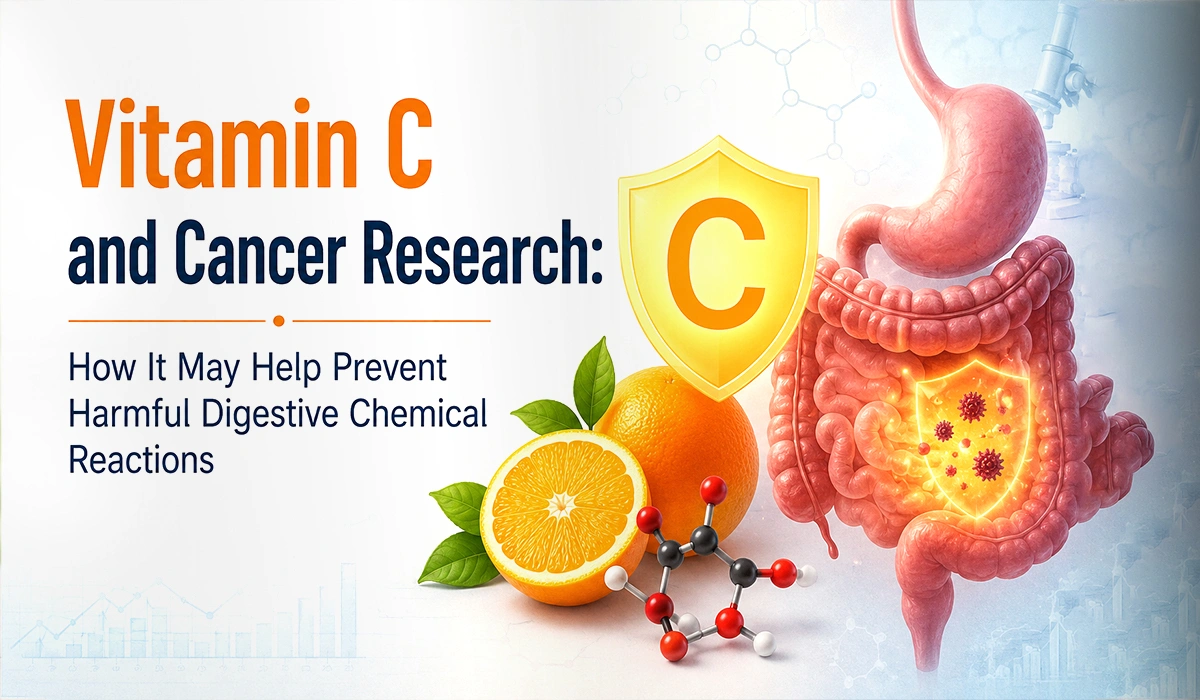
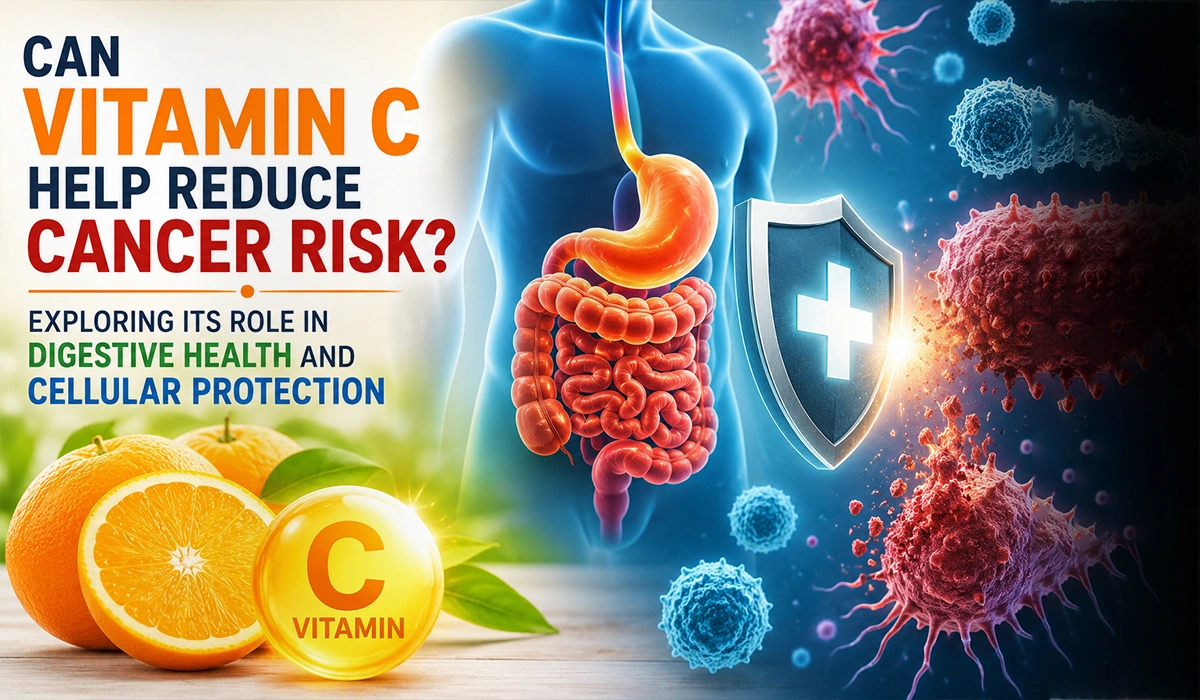
Vitamin C and Cancer Research: How It May Help Prevent Harmful Digestive Chemical Reactions

Introduction

Can a simple vitamin found in oranges, lemons, and everyday fruits help protect the body from harmful digestive chemical reactions linked to cancer risk?

This question has become one of the most interesting topics in modern nutrition and cancer research. Scientists worldwide are studying how Vitamin C may support the body’s natural defense system and reduce harmful chemical activity inside the digestive tract.

In the United States and across the globe, digestive health concerns, processed food consumption, and lifestyle-related diseases are increasing rapidly. As a result, healthcare researchers are exploring how nutrition may play a role in long-term disease prevention.

Understanding Vitamin C and cancer research: how it may help prevent harmful digestive chemical reactions is important because it connects everyday nutrition with cellular protection, immune health, and digestive wellness.

This article explores the science behind Vitamin C, how harmful digestive reactions occur, and why researchers believe this essential nutrient may support better long-term health.

What Is Vitamin C?

Vitamin C, also called ascorbic acid, is a water-soluble vitamin essential for human health.

The body uses Vitamin C for:

  • Immune support
  • Collagen production
  • Wound healing
  • Antioxidant protection
  • Iron absorption

Unlike some animals, humans cannot naturally produce Vitamin C. This means it must come from foods or supplements.

Common Vitamin C-rich foods include:

  • Oranges
  • Lemons
  • Strawberries
  • Kiwi
  • Bell peppers
  • Broccoli

Vitamin C is widely known for immunity benefits, but researchers are now studying its deeper connection to digestive and cellular health.

Understanding Harmful Digestive Chemical Reactions

The digestive system processes everything we eat and drink. During digestion, certain chemical reactions naturally occur.

Some of these reactions can create harmful compounds under specific conditions.

One major concern involves:

Nitrites + stomach acids = nitrosamines

Nitrosamines are chemical compounds that have been linked to increased cancer risk in some studies.

These compounds may form when:

  • Processed meats are consumed frequently
  • High nitrate foods interact with stomach acids
  • Digestive conditions create chemical imbalance

Researchers studying Vitamin C and cancer research: how it may help prevent harmful digestive chemical reactions believe Vitamin C may help reduce the formation of some harmful compounds.

How Vitamin C Works as an Antioxidant

Vitamin C is one of the body’s most important antioxidants.

Antioxidants help:

  • Neutralize free radicals
  • Reduce oxidative stress
  • Protect cells from damage

Free radicals are unstable molecules that may damage DNA and cells over time.

Oxidative stress has been linked to:

  • Aging
  • Inflammation
  • Chronic diseases
  • Cancer development

Vitamin C helps support the body’s natural defense system against this damage.

The Link Between Vitamin C and Nitrosamine Prevention

One of the most important areas in Vitamin C and cancer research: how it may help prevent harmful digestive chemical reactions involves nitrosamine formation.

Research suggests Vitamin C may:

  • Interfere with nitrosamine production
  • Reduce chemical reactions in the stomach
  • Support safer digestion processes

Scientists believe Vitamin C reacts with nitrites before harmful compounds fully form.

This protective mechanism is why Vitamin C remains an important focus in digestive health research.

Why Processed Foods Raise Concern

Modern diets often include processed foods high in:

  • Preservatives
  • Sodium nitrites
  • Artificial additives

Common examples:

  • Processed meats
  • Sausages
  • Bacon
  • Smoked foods

Frequent consumption may increase exposure to compounds associated with digestive stress and long-term health risks.

Researchers recommend balancing processed foods with antioxidant-rich fruits and vegetables.

Vitamin C and Digestive Health

Vitamin C may support digestive wellness in several ways.

Possible digestive benefits:

  • Supports healthy stomach lining
  • Helps reduce oxidative stress
  • Supports immune response in the gut
  • Helps improve iron absorption

A healthier digestive environment may reduce the chances of harmful chemical activity inside the body.

The Role of Inflammation in Cancer Research

Chronic inflammation is a major focus in cancer science.

Inflammation can result from:

  • Poor diet
  • Smoking
  • Stress
  • Obesity
  • Gut imbalance

Long-term inflammation may damage cells and create an unhealthy environment for tissues.

Vitamin C’s antioxidant properties may help support the body’s anti-inflammatory defenses.

Can Vitamin C Prevent Cancer?

This is one of the most searched questions online.

Current scientific evidence suggests:
Vitamin C alone cannot prevent or cure cancer.

However, diets rich in fruits and vegetables containing Vitamin C may help support:

  • Cellular protection
  • Immune function
  • Reduced oxidative stress

Cancer prevention depends on multiple factors, including:

  • Healthy diet
  • Exercise
  • Avoiding smoking
  • Weight management
  • Regular screenings

Vitamin C is one part of a broader healthy lifestyle.

Why Researchers Continue Studying Vitamin C

Scientists remain interested in Vitamin C because it influences several important biological functions.

Research areas include:

  • Oxidative stress reduction
  • Immune health
  • DNA protection
  • Digestive health
  • Cancer cell behavior

Some laboratory studies continue exploring how Vitamin C interacts with abnormal cells under controlled conditions.

However, more large-scale human research is still needed.

Best Natural Sources of Vitamin C

Natural food sources are often considered the safest and most effective way to obtain Vitamin C.

Excellent sources include:

  • Citrus fruits
  • Guava
  • Kiwi
  • Papaya
  • Tomatoes
  • Spinach
  • Broccoli

Whole foods also provide:

  • Fiber
  • Phytochemicals
  • Additional antioxidants

These nutrients work together to support overall health.

Can Vitamin C Deficiency Affect Health?

Low Vitamin C levels may weaken the body’s defense systems.

Deficiency symptoms include:

  • Fatigue
  • Weak immunity
  • Slow wound healing
  • Gum problems
  • Weakness

Long-term nutritional deficiencies may increase vulnerability to oxidative stress and inflammation.

Vitamin C Supplements: Are They Necessary?

Some people may benefit from supplementation, especially if:

  • Diet quality is poor
  • Nutritional deficiencies exist
  • Medical conditions affect absorption

However, excessive supplementation may not always provide additional benefits.

Healthcare professionals usually recommend balanced intake rather than very high doses without supervision.

Gut Health and Long-Term Wellness

The digestive system plays a major role in:

  • Immunity
  • Nutrient absorption
  • Inflammation control

Researchers studying Vitamin C and cancer research: how it may help prevent harmful digestive chemical reactions emphasize the importance of overall gut health.

Gut-friendly habits include:

  • Eating fiber-rich foods
  • Staying hydrated
  • Limiting processed foods
  • Including antioxidants in the diet

These habits support healthier digestion and long-term wellness.

Lifestyle Choices Matter More Than One Nutrient

No single vitamin determines overall health.

Long-term wellness depends on:

  • Balanced nutrition
  • Physical activity
  • Sleep quality
  • Stress management
  • Preventive healthcare

Vitamin C works best when combined with healthy lifestyle habits.

The Future of Nutrition and Cancer Research

Modern healthcare is increasingly focused on preventive nutrition.

Future research may explore:

  • Personalized nutrition plans
  • Antioxidant therapies
  • Gut microbiome interactions
  • Nutritional disease prevention

Vitamin C continues to remain an important area of interest in nutritional science and digestive health studies.

Conclusion

Understanding Vitamin C and cancer research: how it may help prevent harmful digestive chemical reactions highlights the growing connection between nutrition, digestive wellness, and long-term health.

Vitamin C plays an important role in antioxidant protection, immune support, and potentially reducing harmful digestive chemical activity linked to oxidative stress.

While no nutrient alone can prevent cancer, maintaining a healthy diet rich in fruits, vegetables, and natural antioxidants may help support the body’s natural defense systems.

The future of healthcare is increasingly focused on prevention, awareness, and smarter nutrition choices—and Vitamin C remains an important part of that conversation.

Can Vitamin C Help Reduce Cancer Risk? Exploring Its Role in Digestive Health and Cellular Protection

Introduction

Can something as simple as Vitamin C play a role in protecting the body from serious diseases like cancer?

For decades, Vitamin C has been known as an immunity-supporting nutrient. Many people associate it with oranges, lemons, and cold remedies. But today, scientists are exploring a much bigger question: can Vitamin C help reduce cancer risk?

Recent research suggests that Vitamin C may support the body in several important ways, including protecting cells from damage, supporting digestive health, reducing oxidative stress, and strengthening immune function. While Vitamin C is not a cure for cancer, understanding its role in long-term wellness is becoming increasingly important in the United States and worldwide.

This article explores Can Vitamin C Help Reduce Cancer Risk? Exploring Its Role in Digestive Health and Cellular Protection through scientific research, digestive health insights, and practical lifestyle recommendations.

What Is Vitamin C?

Vitamin C, also called ascorbic acid, is a water-soluble vitamin essential for human health.

The body cannot produce or store Vitamin C naturally, which means people must get it from:

  • Fruits
  • Vegetables
  • Supplements

Common Vitamin C-rich foods:

  • Oranges
  • Lemons
  • Kiwi
  • Strawberries
  • Bell peppers
  • Broccoli

Vitamin C supports many critical body functions, including:

  • Immune defense
  • Skin health
  • Wound healing
  • Iron absorption
  • Cellular repair

Why Is Vitamin C Important for Cellular Protection?

Every day, the body faces damage from:

  • Pollution
  • Stress
  • Poor diet
  • Smoking
  • Environmental toxins

These factors create unstable molecules called free radicals.

What are free radicals?

Free radicals damage healthy cells and may contribute to:

  • Aging
  • Inflammation
  • Chronic diseases
  • Cancer development

Vitamin C acts as an antioxidant, helping neutralize these harmful molecules.

This is one reason researchers are studying Vitamin C and cancer prevention more closely.

Can Vitamin C Help Reduce Cancer Risk?

This is one of the most discussed topics in nutritional science.

Research suggests Vitamin C may help reduce certain cancer risks indirectly by:

  • Protecting cells from oxidative damage
  • Supporting immune health
  • Reducing inflammation
  • Improving digestive health

However, experts also clarify:
Vitamin C alone cannot prevent or cure cancer.

Cancer is influenced by many factors, including:

  • Genetics
  • Lifestyle
  • Environment
  • Diet
  • Smoking
  • Physical activity

Still, maintaining healthy Vitamin C levels may support overall wellness and lower long-term health risks.

The Link Between Vitamin C and Digestive Health

Digestive health plays a major role in overall immunity and disease prevention.

A healthy digestive system helps:

  • Absorb nutrients properly
  • Maintain gut bacteria balance
  • Reduce inflammation
  • Support immune response

Researchers believe poor gut health may increase chronic inflammation, which is linked to various diseases, including colorectal cancer.

How Vitamin C supports digestive health:

  • Supports healthy gut lining
  • Helps tissue repair
  • Reduces oxidative stress in digestive tissues
  • Supports beneficial immune responses

This connection makes Vitamin C for digestive health and cellular protection an important topic in preventive healthcare.

Understanding Oxidative Stress and Cancer

Oxidative stress occurs when the body has too many free radicals and not enough antioxidants.

Over time, oxidative stress can:

  • Damage DNA
  • Affect healthy cell function
  • Increase inflammation

Scientists believe long-term oxidative stress may contribute to cancer development.

Vitamin C helps reduce oxidative stress by protecting healthy cells from damage.

This protective effect is one reason why antioxidant-rich diets are often associated with better long-term health outcomes.

Vitamin C and Immune System Support

The immune system helps the body detect and remove abnormal cells.

Vitamin C supports immunity by:

  • Supporting white blood cell function
  • Helping immune defense mechanisms
  • Supporting recovery and healing

A stronger immune system may help the body respond more effectively to infections and abnormal cellular activity.

Can Vitamin C Help Support Colon Health?

Colon health is becoming a major healthcare focus globally.

Research suggests diets rich in fruits and vegetables may support:

  • Better gut health
  • Reduced inflammation
  • Healthier digestion

Vitamin C-rich foods are commonly included in colon-friendly diets because of their antioxidant and fiber content.

Healthy digestive habits include:

  • Eating fiber-rich foods
  • Staying hydrated
  • Reducing processed foods
  • Consuming antioxidant-rich fruits and vegetables

These habits work together to support digestive wellness.

Natural Food Sources vs Supplements

One common question is whether food or supplements are better sources of Vitamin C.

Natural food sources provide:

  • Fiber
  • Phytochemicals
  • Additional antioxidants
  • Better nutrient balance

Whole foods often provide broader health benefits than isolated supplements.

Supplements may help:

  • Individuals with deficiencies
  • Poor dietary intake
  • Increased nutritional needs

However, excessive supplementation is not always beneficial.

Can Too Much Vitamin C Be Harmful?

Vitamin C is generally considered safe, but extremely high doses may cause:

  • Digestive discomfort
  • Nausea
  • Diarrhea
  • Kidney stone risk in some individuals

Moderation and medical guidance are important, especially for long-term supplementation.

Lifestyle Habits That Work Alongside Vitamin C

Vitamin C works best as part of a healthy lifestyle—not as a standalone solution.

Important preventive health habits:

  • Regular exercise
  • Balanced diet
  • Adequate sleep
  • Stress management
  • Avoiding smoking
  • Limiting alcohol intake

These habits support long-term wellness and cellular protection.

What Research Says About High-Dose Vitamin C Therapy

Researchers are also studying high-dose intravenous Vitamin C therapy in cancer care.

Some studies suggest it may:

  • Support treatment tolerance
  • Reduce fatigue
  • Improve quality of life in some patients

However, research is still ongoing, and high-dose Vitamin C therapy is not considered a standard cancer cure.

Medical supervision is essential for any advanced treatment approach.

Why Preventive Nutrition Matters More Than Ever

Modern lifestyles often include:

  • Processed foods
  • Stress
  • Poor sleep
  • Low nutrient intake

Preventive nutrition focuses on supporting the body before major health issues develop.

Nutrients like Vitamin C play an important role in:

  • Cellular health
  • Immune defense
  • Healthy aging
  • Digestive balance

This is why healthcare experts increasingly encourage nutrient-rich diets.

The Global Rise of Preventive Healthcare

Countries like the USA are seeing growing interest in:

  • Preventive wellness
  • Nutritional healthcare
  • Functional foods
  • Immunity support

Consumers today are becoming more proactive about long-term health.

This growing awareness is driving interest in topics like:

  • Vitamin C and cancer risk
  • Digestive health protection
  • Antioxidant-rich nutrition

Practical Ways to Increase Vitamin C Naturally

Adding Vitamin C to daily life can be simple.

Easy ways to improve Vitamin C intake:

  • Eat citrus fruits regularly
  • Add fresh salads to meals
  • Include berries and kiwi
  • Drink enough water
  • Reduce processed foods

Consistency matters more than extreme supplementation.

Common Myths About Vitamin C and Cancer

There are many misconceptions online.

Myth 1: Vitamin C cures cancer

There is no scientific proof that Vitamin C alone cures cancer.

Myth 2: More Vitamin C is always better

Excessive intake may cause side effects.

Myth 3: Supplements replace healthy food

Whole foods provide broader nutritional benefits.

Balanced healthcare decisions are always best.

Conclusion

Understanding Can Vitamin C Help Reduce Cancer Risk? Exploring Its Role in Digestive Health and Cellular Protection helps people make more informed health decisions.

Vitamin C supports the body in several important ways, including antioxidant protection, immune support, digestive wellness, and cellular health. While it is not a cure for cancer, maintaining healthy Vitamin C levels through balanced nutrition may help support long-term wellness and reduce oxidative stress.

The bigger message is simple:
Good health is built daily through healthy habits, proper nutrition, preventive care, and informed choices.

Supporting digestive health and cellular protection today may contribute to a healthier future tomorrow.

Well Being Products

Add to cart
Home

Get in Touch

Footer

Get in Touch

May I help you?