The Importance of Choosing the Right Personal Care Products

Introduction

Have you ever purchased a skincare or personal care product because of attractive packaging or social media hype, only to realize later that it did not suit your skin or daily needs?

You are not alone.

Every day, millions of people buy soaps, face washes, shampoos, creams, body lotions, and hygiene products without fully understanding what their body actually needs. The truth is simple: choosing the wrong personal care products can lead to skin irritation, dryness, breakouts, allergies, and long-term skin damage.

This is why understanding the importance of choosing the right personal care products matters more than ever.

Personal care is no longer just about looking good. It is about hygiene, health, wellness, confidence, and preventive care. The right products can improve skin health, support hygiene, and contribute to overall well-being.

In the USA, India, and globally, consumers are becoming more conscious about ingredients, safety, and product quality. People want products that are effective, safe, and suitable for their lifestyle.

This guide explains how to choose the right personal care products and why smart choices matter for healthier daily living.

What Are Personal Care Products?

Personal care products are products used for hygiene, grooming, skincare, haircare, and overall wellness.

These products include:

  • Face wash
  • Soap
  • Shampoo
  • Conditioner
  • Moisturizer
  • Sunscreen
  • Body wash
  • Hair oil
  • Deodorant
  • Oral care products

These products play an important role in maintaining daily hygiene and supporting healthy skin and hair.

Why Choosing the Right Personal Care Products Matters

The right personal care products support healthy skin, hygiene, comfort, and long-term wellness.

Choosing products randomly can create problems such as:

  • Skin irritation
  • Acne breakouts
  • Dryness
  • Hair damage
  • Allergic reactions

The right product helps protect and nourish your body while supporting daily wellness.

Understanding Your Skin Type Before Choosing Products

Knowing your skin type helps you choose products that match your needs.

Most skin types fall into these categories:

Skin TypeCharacteristics
OilyExcess oil, acne-prone
DryFlaky, rough, tight
CombinationOily T-zone, dry cheeks
SensitiveEasily irritated
NormalBalanced skin

Example:
A face wash for oily skin may cause excessive dryness if used on dry skin.

Key Ingredients to Look For

Always check active ingredients before buying personal care products.

Helpful ingredients include:

For Acne-Prone Skin

  • Neem
  • Salicylic acid
  • Tea tree oil

For Dry Skin

  • Aloe vera
  • Glycerin
  • Hyaluronic acid

For Sensitive Skin

  • Chamomile
  • Oat extracts
  • Fragrance-free formulas

For Hair Care

  • Keratin
  • Biotin
  • Natural oils

Ingredient awareness helps consumers make smarter decisions.

Ingredients to Be Careful About

Not every product is suitable for every person.

Some ingredients may cause irritation in sensitive individuals.

Examples include:

  • Strong alcohol
  • Artificial fragrance
  • Harsh sulfates
  • Parabens (depending on sensitivity)

Always perform a patch test before using a new product.

Personal Care and Preventive Healthcare

Personal care is an important part of preventive healthcare.

Good personal care habits help prevent:

  • Skin infections
  • Acne flare-ups
  • Scalp issues
  • Body odor
  • Hygiene-related concerns

Daily hygiene supports both physical health and confidence.

This is why personal care is increasingly linked with preventive wellness.

Choosing Products Based on Lifestyle

Your lifestyle affects what products you need.

Working Professionals

Need:

  • Pollution protection
  • Quick skincare
  • Sweat control

Students

Need:

  • Acne care
  • Oil control
  • Easy routines

Athletes

Need:

  • Deep cleansing
  • Sweat management
  • Skin protection

Older Adults

Need:

  • Gentle products
  • Moisture support
  • Sensitive skin care

The best personal care routine fits your daily lifestyle.

Natural vs Chemical-Based Products

One common question is whether natural products are better.

Both natural and scientifically formulated products can be effective.

Natural Products

Pros:

  • Plant-based ingredients
  • Herbal support
  • Gentle care

Science-Based Products

Pros:

  • Targeted solutions
  • Clinically tested ingredients
  • Fast results

The best choice depends on your needs and skin condition.

Importance of Product Quality

Quality matters in personal care.

Low-quality products may:

  • Irritate skin
  • Damage hair
  • Cause allergic reactions

High-quality products often offer:

  • Better safety
  • Better results
  • Reliable ingredients

Trusted brands invest in research, testing, and quality control.

Why Brand Trust Matters

Consumers should buy from brands that prioritize:

  • Quality
  • Transparency
  • Safety
  • Research
  • Customer trust

Reliable brands clearly mention:

  • Ingredients
  • Product benefits
  • Usage instructions

Brand trust reduces risk and improves satisfaction.

Building a Simple Personal Care Routine

A complicated routine is not always necessary.

A basic routine may include:

Morning

  • Cleanser
  • Moisturizer
  • Sunscreen

Evening

  • Face wash
  • Targeted care
  • Moisturizer

Weekly

  • Exfoliation
  • Deep cleansing
  • Hair care treatment

Consistency matters more than complexity.

Common Personal Care Mistakes

Many people unknowingly damage their skin and hair.

Common mistakes include:

  • Using too many products
  • Skipping sunscreen
  • Ignoring ingredient labels
  • Overwashing skin
  • Not patch testing

Avoiding these mistakes improves results.

Personal Care for Men, Women, and Families

Personal care needs vary across age groups and lifestyles.

Men

Focus on:

  • Grooming
  • Oil control
  • Hair care

Women

Focus on:

  • Skin hydration
  • Hair health
  • Specialized skincare

Families

Focus on:

  • Safe products
  • Daily hygiene
  • Gentle care

Choosing suitable products ensures better care for everyone.

Why Consumers Prefer Herbal Personal Care Products

Herbal personal care is growing globally.

Popular herbal ingredients include:

  • Neem
  • Aloe vera
  • Turmeric
  • Tea tree
  • Amla

Consumers prefer herbal products for:

  • Natural care
  • Gentle ingredients
  • Long-term wellness

This trend is especially strong in India.

How to Choose the Right Personal Care Brand

Choose brands that offer:

✔ Safe ingredients
✔ Quality assurance
✔ Research-backed products
✔ Good customer reviews
✔ Transparent labeling

This helps ensure long-term trust.

Why Choosing the Right Personal Care Products Supports Confidence

Healthy skin and hair affect confidence.

Good personal care can improve:

  • Self-esteem
  • Comfort
  • Appearance
  • Social confidence

Personal care is not only cosmetic. It supports emotional well-being too.

The Importance of Choosing the Right Personal Care Products Frequently Asked Questions

How do I choose the right personal care products?

Choose products based on skin type, lifestyle, ingredients, and personal needs.

Why is skin type important?

Skin type helps determine which products will work safely and effectively.

Are herbal personal care products better?

Herbal products can be beneficial, especially for gentle daily care, but effectiveness depends on ingredients and formulation.

How often should I change personal care products?

Only change products when necessary, such as seasonal changes or skin concerns.

What ingredients should I avoid?

Avoid ingredients that trigger irritation or allergies based on your skin sensitivity.

Can personal care affect long-term skin health?

Yes. The right products help protect, nourish, and maintain healthier skin over time.

Conclusion

Understanding the importance of choosing the right personal care products is essential for healthier living.

The products you use every day directly affect your skin, hair, hygiene, and overall wellness. Choosing wisely means understanding your skin type, reading ingredients, prioritizing quality, and selecting trusted brands.

Small daily choices create long-term results.

Healthy personal care is not about following trends. It is about choosing products that truly support your body, lifestyle, and well-being.

The right personal care products do more than improve appearance—they help build confidence, comfort, and healthier living every day.


How Skin Health Reflects Overall Wellness

Introduction

Have you ever looked in the mirror and noticed dull skin, unexpected acne, dryness, or irritation—and wondered if something deeper was happening inside your body?

Your skin often tells a story before the rest of your body does.

As the body’s largest organ, skin does much more than affect appearance. It acts as a protective barrier, regulates temperature, and reflects internal health. In many cases, skin changes can be early signs of nutritional deficiencies, dehydration, stress, hormonal imbalance, poor sleep, or other health concerns.

Understanding how skin health reflects overall wellness is becoming more important in modern healthcare. Today, dermatologists, wellness experts, and preventive healthcare professionals recognize that healthy skin is closely connected to healthy living.

Beautiful skin is not only about external skincare. It starts from within.

What Does Skin Health Reveal About Overall Wellness?

Skin health reflects hydration, nutrition, hormone balance, immunity, sleep quality, and overall physical health.

The skin often acts as a visible indicator of internal wellness.

Common skin changes may signal:

  • Poor nutrition
  • Stress
  • Dehydration
  • Digestive imbalance
  • Hormonal changes
  • Lack of sleep

Healthy skin usually reflects a healthy internal environment.

Why Skin Is Called the Mirror of Internal Health

Skin is one of the first organs to show signs of imbalance.

Warning signs include:

  • Dryness
  • Acne
  • Excess oil
  • Rashes
  • Pigmentation
  • Premature aging
  • Dark circles

These changes may indicate more than skincare issues.

For example:

  • Dry skin may suggest dehydration
  • Pale skin may indicate iron deficiency
  • Acne may point to hormonal imbalance

This is why experts say skin often mirrors internal health.

The Link Between Nutrition and Skin Health

Good nutrition supports skin repair, collagen production, hydration, and protection against damage.

Your skin depends on essential nutrients.

Key nutrients for healthy skin:

NutrientSkin BenefitSources
Vitamin CCollagen supportCitrus fruits
Vitamin EAntioxidant protectionNuts, seeds
ZincAcne supportLegumes, seeds
ProteinTissue repairEggs, dairy
Omega-3Skin hydrationFish, nuts

Poor nutrition often leads to dull or unhealthy-looking skin.

How Hydration Affects Skin Wellness

Water is essential for healthy skin.

Signs of dehydration:

  • Dry skin
  • Tightness
  • Flaky patches
  • Dull complexion

Hydration helps:

  • Maintain elasticity
  • Support skin barrier
  • Improve glow

Simple tip:
Drink enough water throughout the day and include water-rich foods.

Stress and Its Hidden Effects on Skin

Stress can trigger acne, inflammation, dullness, and premature aging.

Stress affects hormones, especially cortisol.

High cortisol levels may cause:

  • Acne breakouts
  • Oily skin
  • Redness
  • Sensitivity

Long-term stress also increases inflammation.

This explains why stressful periods often affect skin quality.

Poor Sleep and Skin Damage

Sleep is essential for skin repair.

During sleep, the body repairs tissues and supports cell regeneration.

Poor sleep may cause:

  • Dark circles
  • Puffy eyes
  • Dull skin
  • Fine lines

Beauty sleep is more than a phrase—it has real biological value.

Hormonal Imbalance and Skin Problems

Hormones strongly influence skin health.

Hormonal imbalance may lead to:

  • Acne
  • Oily skin
  • Pigmentation
  • Hair thinning

This is common during:

  • Puberty
  • Pregnancy
  • Menopause
  • Stressful periods

Hormonal changes often show visible effects on the skin.

Gut Health and Skin Connection

Modern research highlights a strong gut-skin connection.

Poor digestion may contribute to:

  • Acne
  • Inflammation
  • Skin sensitivity
  • Breakouts

A healthy gut supports:

  • Better nutrient absorption
  • Reduced inflammation
  • Stronger immunity

Healthy digestion often improves skin health.

Skin and Immunity: The Protective Connection

The skin acts as the first defense against external threats.

Healthy skin supports:

  • Protection from bacteria
  • Defense against pollutants
  • Barrier against irritants

Weak immunity may increase:

  • Skin infections
  • Sensitivity
  • Slow healing

This makes skin health an important part of preventive healthcare.

Pollution and Environmental Damage

Environmental stress affects skin daily.

Common skin concerns caused by pollution:

  • Premature aging
  • Pigmentation
  • Clogged pores
  • Skin irritation

Protection strategies include:

  • Cleansing properly
  • Using sunscreen
  • Maintaining hydration
  • Antioxidant-rich nutrition

Common Skin Problems and Their Possible Internal Causes

Skin ConcernPossible Internal Cause
AcneHormonal imbalance
Dry skinDehydration
Pale skinIron deficiency
Dark circlesPoor sleep
Hair fallNutritional deficiency
Dull skinStress or poor nutrition

This table shows how skin symptoms often connect to internal health.

Daily Habits for Better Skin and Better Wellness

Healthy skin requires healthy habits.

Daily wellness habits:

  • Eat balanced nutrition
  • Stay hydrated
  • Sleep 7–8 hours
  • Manage stress
  • Exercise regularly
  • Follow skincare routine

Consistency matters more than perfection.

External Skincare vs Internal Wellness

Both are important, but long-term skin health starts from within.

Skincare products help externally.

Internal wellness supports:

  • Skin repair
  • Cell regeneration
  • Long-term glow

Best results come from combining both.

Why Preventive Healthcare Matters for Skin Health

Preventive healthcare focuses on identifying early warning signs before bigger problems develop.

Regular checkups help monitor:

  • Hormones
  • Nutrition
  • Vitamin levels
  • Hydration
  • General health

Early action improves long-term skin and body wellness.

The Role of Personal Care Products in Skin Wellness

Quality skincare products support daily skin protection.

A good skincare routine helps:

  • Cleanse
  • Hydrate
  • Protect
  • Repair

Choosing products based on skin type improves long-term results.

For example, targeted skincare ranges like acne care, herbal face washes, moisturizing products, and skin creams can support healthier skin when paired with healthy lifestyle habits.

Why Healthy Skin Starts from Within

Healthy skin is a reflection of internal balance.

When the body gets:

  • Proper nutrition
  • Good sleep
  • Enough hydration
  • Low stress
  • Balanced hormones

The skin naturally looks healthier.

True skin wellness begins inside the body.

How Skin Health Reflects Overall Wellness – Frequently Asked Questions

Can skin problems indicate health issues?

Yes. Skin problems can sometimes indicate dehydration, hormonal imbalance, nutritional deficiencies, or stress.

How does nutrition affect skin health?

Nutrients like Vitamin C, Protein, Zinc, and Omega-3 help support healthy skin repair and protection.

Can stress affect skin?

Yes. Stress may trigger acne, inflammation, sensitivity, and dullness.

Does hydration improve skin?

Yes. Proper hydration supports elasticity, glow, and overall skin health.

Why does lack of sleep affect skin?

Poor sleep slows skin repair and may cause dullness, dark circles, and premature aging.

Is healthy skin only about skincare products?

No. Healthy skin depends on both external care and internal wellness.

Conclusion

Understanding how skin health reflects overall wellness helps us look beyond surface-level beauty.

Skin often reveals early signs of dehydration, stress, poor nutrition, hormonal imbalance, and lifestyle challenges. Healthy skin is built through balanced nutrition, hydration, quality sleep, stress management, and proper skincare.

The goal is not perfect skin. The goal is healthy skin supported by a healthy body.

Because when your body feels better, your skin often shows it first.

Building an Effective Daily Personal Care Routine

Introduction

Imagine starting every day feeling refreshed, confident, and ready to take on new challenges. Now imagine ending each day knowing you have taken care of your health, appearance, and well-being through simple daily habits.

Many people associate personal care only with skincare products or grooming routines. However, personal care is much broader. It includes hygiene, skin health, oral care, hair care, nutrition, hydration, sleep, and overall wellness.

In today’s fast-paced world, building an effective daily personal care routine is more important than ever. Whether you live in New York, Mumbai, London, Sydney, or any other city, daily personal care habits directly impact physical health, self-confidence, and quality of life.

This guide explores how to create a sustainable personal care routine that supports long-term wellness while helping you look and feel your best every day.

What Is a Daily Personal Care Routine?

A daily personal care routine is a set of consistent habits that support cleanliness, hygiene, skin health, grooming, wellness, and overall self-care.

Detailed Explanation

Personal care goes beyond appearance. It focuses on maintaining physical health, preventing common skin and hygiene problems, and improving self-confidence.

A complete personal care routine includes:

  • Skin care
  • Hair care
  • Oral hygiene
  • Bathing habits
  • Hydration
  • Sleep management
  • Nutrition support
  • Stress management

These daily actions contribute to long-term well-being.

Why Personal Care Matters for Overall Health

Personal care helps prevent infections, improves confidence, supports healthy skin, and promotes better physical and mental wellness.

Detailed Explanation

Good personal care supports:

BenefitImpact
Better HygieneReduces risk of infections
Healthy SkinImproves skin appearance
Oral HealthProtects teeth and gums
Self-ConfidenceImproves social interactions
WellnessSupports physical and mental health

Many healthcare professionals view personal care as an important part of preventive healthcare.

Step 1: Start Your Day with Proper Cleansing

Cleansing removes dirt, sweat, oil, and environmental pollutants that accumulate overnight.

Best Practices

  • Wash your face using a gentle cleanser.
  • Use lukewarm water.
  • Avoid harsh soaps.
  • Pat skin dry instead of rubbing.

Practical Example

People living in cities such as Delhi, Mumbai, New York, or Los Angeles may face higher exposure to pollution, making daily cleansing especially important.

Step 2: Build an Effective Skincare Routine

A skincare routine protects the skin barrier and helps maintain healthy-looking skin.

Basic Skincare Routine

Morning

  1. Cleanser
  2. Moisturizer
  3. Sunscreen

Evening

  1. Cleanser
  2. Treatment products (if needed)
  3. Moisturizer

Common Skin Concerns

  • Dry skin
  • Acne
  • Oily skin
  • Sensitive skin
  • Pigmentation

Choosing products suitable for your skin type is essential.

Step 3: Prioritize Oral Care Every Day

Good oral hygiene prevents cavities, gum disease, and bad breath.

Daily Oral Care Checklist

  • Brush twice daily
  • Floss once daily
  • Clean your tongue
  • Use mouthwash if recommended
  • Visit a dentist regularly

Expert Insight

Oral health is often linked to overall health, including heart health and immune function.

Step 4: Maintain Healthy Hair Care Habits

Proper hair care supports scalp health and reduces damage.

Hair Care Tips

  • Wash hair according to hair type
  • Avoid excessive heat styling
  • Use mild shampoos
  • Maintain scalp cleanliness
  • Eat nutrient-rich foods

Common Hair Problems

  • Hair fall
  • Dandruff
  • Dry scalp
  • Frizzy hair

Step 5: Stay Hydrated Throughout the Day

Hydration supports skin health, energy levels, digestion, and overall wellness.

Daily Hydration Tips

  • Drink water regularly
  • Limit sugary beverages
  • Consume water-rich fruits
  • Monitor hydration during hot weather

Benefits of Hydration

Hydration BenefitHealth Impact
Healthy SkinImproved moisture balance
Better DigestionSupports gut function
Energy SupportReduces fatigue
Temperature RegulationSupports body functions

Step 6: Nutrition and Personal Care

Healthy nutrition plays a major role in skin, hair, nails, and overall wellness.

Nutrients That Support Personal Care

  • Protein
  • Vitamin C
  • Vitamin D
  • Calcium
  • Zinc
  • Omega-3 Fatty Acids

Food Sources

  • Fruits
  • Vegetables
  • Whole grains
  • Nuts
  • Dairy products
  • Lean proteins

Healthy skin often starts with healthy nutrition.

Step 7: Practice Good Bathing and Hygiene Habits

Daily hygiene helps remove sweat, bacteria, and environmental contaminants.

Hygiene Essentials

  • Daily bathing
  • Hand washing
  • Clean clothing
  • Nail care
  • Foot care

These habits reduce the risk of infections and promote comfort.

Step 8: Protect Your Skin from Sun Damage

Quick Answer

Sun protection helps reduce premature aging and supports long-term skin health.

Sun Protection Checklist

  • Apply sunscreen daily
  • Wear protective clothing
  • Seek shade during peak hours
  • Reapply sunscreen when outdoors

Why It Matters

Excessive UV exposure may contribute to skin damage over time.

Step 9: Manage Stress for Better Personal Wellness

Quick Answer

Stress affects both physical appearance and overall health.

Common Effects of Stress

  • Acne flare-ups
  • Hair fall
  • Poor sleep
  • Fatigue

Stress Management Techniques

  • Meditation
  • Exercise
  • Deep breathing
  • Time management
  • Hobbies

Mental wellness is an important part of personal care.

Step 10: Prioritize Quality Sleep

Quick Answer

Sleep supports recovery, skin repair, and overall health.

Healthy Sleep Habits

  • Sleep 7–9 hours
  • Follow a consistent schedule
  • Limit screen exposure before bed
  • Create a relaxing bedtime routine

Benefits

  • Improved skin appearance
  • Better mood
  • Increased energy
  • Enhanced concentration

Personal Care Routine Comparison

Basic RoutineAdvanced Routine
Face WashCleanser + Serum + Moisturizer
Daily BathCustomized Skin Care
Brushing TeethComplete Oral Care
Water IntakeHydration Tracking
Basic GroomingComprehensive Wellness Approach

Why Consistency Matters More Than Perfection

Small daily habits create long-term results.

Real-World Example

Someone who follows a simple personal care routine every day often sees better results than someone who follows an intensive routine occasionally.

Consistency builds healthier habits and sustainable wellness.

How Personal Care Supports Preventive Healthcare

Personal care helps identify and prevent potential health concerns early.

Preventive Benefits

  • Better skin monitoring
  • Improved hygiene
  • Early identification of concerns
  • Increased wellness awareness

Healthcare experts increasingly recognize personal care as part of preventive health management.

Common Personal Care Mistakes to Avoid

Mistakes Include

  • Skipping sunscreen
  • Overwashing skin
  • Ignoring hydration
  • Inconsistent routines
  • Poor sleep habits
  • Using unsuitable products

Avoiding these mistakes can improve long-term results.

Why Choose Quality Personal Care Products?

Key Considerations

  • Ingredient quality
  • Safety standards
  • Skin compatibility
  • Product transparency
  • Trusted manufacturers

Consumers should choose products that align with their individual needs and wellness goals.

Building an Effective Daily Personal Care Routine Frequently Asked Questions

What is the most important step in a personal care routine?

Consistency is the most important factor. Daily cleansing, hydration, oral care, and sun protection form the foundation.

How often should I follow my personal care routine?

Personal care habits should be followed daily for the best long-term results.

Can personal care improve confidence?

Yes. Good hygiene, healthy skin, and grooming habits often contribute to greater self-confidence.

How much water should I drink daily?

Individual needs vary, but regular hydration throughout the day supports overall wellness.

Is skincare necessary even if I have healthy skin?

Yes. Preventive skincare helps maintain skin health and protect against environmental stressors.

What role does nutrition play in personal care?

Nutrition supports healthy skin, hair, nails, energy levels, and overall wellness.

Conclusion

Building an effective daily personal care routine is one of the simplest and most powerful investments you can make in your health and well-being.

Daily habits such as cleansing, hydration, skincare, oral care, proper nutrition, stress management, and quality sleep work together to support long-term wellness. Personal care is not about perfection or expensive products—it is about consistency.

When practiced regularly, these habits can improve confidence, support preventive healthcare, and contribute to a healthier, happier life.

The best routine is the one you can maintain every day. Start small, stay consistent, and let healthy habits create lasting results.

Why Personal Care Is an Important Part of Preventive Healthcare

Introduction

Imagine two people living in the same city, eating similar foods, and working similar jobs. One follows a simple daily routine—maintaining hygiene, caring for their skin, staying hydrated, exercising regularly, and paying attention to their health. The other ignores these habits until a health problem appears.

Years later, the difference can be significant.

Preventive healthcare is often associated with medical checkups, vaccinations, and health screenings. However, one of the most powerful and accessible forms of preventive healthcare begins at home: personal care.

Personal care is more than looking good. It is about maintaining physical, mental, and emotional well-being through daily habits that support long-term health. From skincare and oral hygiene to nutrition and stress management, personal care helps prevent health issues before they develop into larger concerns.

Understanding why personal care is an important part of preventive healthcare can help individuals make better choices that support a healthier future.

What Is Personal Care?

Personal care refers to daily habits and practices that help maintain hygiene, appearance, health, and overall well-being.

Detailed Explanation

Personal care includes:

  • Skin care
  • Hair care
  • Oral hygiene
  • Hand hygiene
  • Nutrition
  • Sleep habits
  • Physical activity
  • Mental wellness practices

These activities help protect the body from illness, infection, and lifestyle-related health challenges.

Practical Tip

Think of personal care as daily maintenance for your body, much like servicing a vehicle before problems occur.

What Is Preventive Healthcare?

Preventive healthcare focuses on preventing diseases and maintaining health rather than treating illness after it develops.

Key Components

Preventive Healthcare ActivityPurpose
VaccinationsDisease prevention
Health screeningsEarly detection
NutritionWellness support
ExerciseDisease risk reduction
Personal careDaily health protection

Preventive healthcare helps people stay healthier for longer and may reduce healthcare costs over time.

Why Personal Care and Preventive Healthcare Are Connected

Personal care supports preventive healthcare by reducing risks and promoting healthy body functions.

How They Work Together

Personal care habits:

  • Help reduce infection risks
  • Support skin health
  • Improve oral health
  • Enhance immunity
  • Encourage healthier lifestyles

Daily self-care often serves as the first line of defense against many health concerns.

How Personal Care Supports Skin Health

Why It Matters

The skin is the body’s largest organ and acts as a protective barrier.

Benefits of Proper Skin Care

  • Maintains skin barrier function
  • Reduces irritation
  • Supports hydration
  • Promotes healthy appearance
  • Protects against environmental stressors

Common Personal Care Products

  • Face washes
  • Moisturizers
  • Sunscreens
  • Cleansers
  • Herbal skincare products

Example

A daily skincare routine can help maintain healthy skin and support overall hygiene.

Oral Hygiene: A Key Part of Preventive Healthcare

Quick Answer

Good oral care supports both dental and overall health.

Benefits

  • Reduces plaque buildup
  • Supports healthy gums
  • Helps prevent tooth decay
  • Supports overall wellness

Best Practices

  • Brush twice daily
  • Floss regularly
  • Visit a dentist periodically
  • Limit excessive sugar intake

Research continues to show connections between oral health and overall health outcomes.

Personal Hygiene and Infection Prevention

Why It Matters

Simple hygiene practices can significantly reduce the spread of harmful microorganisms.

Essential Habits

  • Hand washing
  • Bathing regularly
  • Wearing clean clothes
  • Proper nail care

Practical Example

Regular handwashing remains one of the simplest and most effective preventive health practices worldwide.

Hair Care and Scalp Wellness

Healthy hair begins with a healthy scalp.

Benefits of Proper Hair Care

  • Maintains scalp hygiene
  • Reduces buildup
  • Supports healthy hair appearance
  • Enhances confidence

Personal Care Tips

  • Use suitable hair care products
  • Avoid excessive heat exposure
  • Maintain balanced nutrition

Nutrition Is Personal Care from the Inside Out

What you eat directly affects your skin, hair, energy levels, and overall health.

Nutrients That Support Wellness

NutrientBenefits
ProteinTissue repair
Vitamin CSkin support
Vitamin DBone health
CalciumStrong bones
ZincImmunity support

Practical Tip

Balanced nutrition is one of the most effective forms of preventive healthcare.

Mental Wellness Is Personal Care Too

Why Mental Health Matters

Personal care extends beyond physical appearance.

Healthy Mental Wellness Habits

  • Meditation
  • Mindfulness
  • Adequate sleep
  • Stress management
  • Social connections

Benefits

  • Improved focus
  • Better emotional balance
  • Enhanced resilience

Mental well-being plays a major role in overall health.

Sleep and Preventive Healthcare

Quick Answer

Sleep is one of the most important personal care practices.

Benefits of Quality Sleep

  • Supports immunity
  • Promotes recovery
  • Enhances concentration
  • Helps regulate hormones

Recommended Habits

  • Maintain a consistent sleep schedule
  • Reduce screen time before bed
  • Create a relaxing bedtime routine

Physical Activity as Daily Self-Care

Why Exercise Matters

Movement supports both preventive healthcare and personal wellness.

Benefits

  • Better cardiovascular health
  • Stronger muscles
  • Improved mood
  • Enhanced energy levels

Simple Activities

  • Walking
  • Yoga
  • Cycling
  • Stretching

Consistency is more important than intensity.

The Role of Personal Care Products in Preventive Healthcare

Personal care products support hygiene, wellness, and daily health maintenance.

Examples

  • Face washes
  • Moisturizers
  • Herbal soaps
  • Hair care products
  • Oral care products

What to Look For

  • Quality ingredients
  • Suitable formulations
  • Safety standards
  • Trusted manufacturers

Personal Care Across Different Life Stages

Children

Focus on hygiene and healthy habits.

Teenagers

Support skin care and nutrition.

Adults

Balance wellness, work, and self-care.

Seniors

Prioritize skin hydration, oral care, and mobility.

Personal care needs evolve throughout life.

Why Consumers Are Choosing Preventive Wellness

Current Trends

People are becoming more proactive about health.

Growing Areas

  • Nutraceuticals
  • Herbal wellness
  • Skincare
  • Personal care products
  • Preventive healthcare solutions

The goal is no longer simply treating illness—it is maintaining wellness.

Why Choose Quality Personal Care Solutions?

Key Benefits

  • Supports daily hygiene
  • Encourages healthier habits
  • Helps maintain confidence
  • Complements preventive healthcare

Trust Signals

When choosing personal care products, look for:

  • Quality manufacturing
  • Safety standards
  • Research-backed formulations
  • Consumer trust

Comparison Table: Reactive Healthcare vs Preventive Healthcare

FactorReactive HealthcarePreventive Healthcare
FocusTreat illnessPrevent illness
TimingAfter symptomsBefore symptoms
CostOften higherOften lower
Health OutcomeRecovery-focusedWellness-focused
Personal Care RoleLimitedEssential

Real-Life Example

A busy office professional began experiencing skin irritation, fatigue, and poor sleep. Instead of waiting for symptoms to worsen, they improved their personal care routine by focusing on hygiene, hydration, balanced nutrition, skincare, and stress management.

Within months, overall wellness improved significantly.

This illustrates how small personal care habits can support long-term preventive healthcare goals.

Why Personal Care Is an Important Part of Preventive Healthcare – Frequently Asked Questions

Why is personal care important for preventive healthcare?

Personal care helps maintain hygiene, wellness, and healthy daily habits that may reduce health risks and support overall well-being.

What are examples of personal care?

Examples include skincare, oral hygiene, bathing, hair care, nutrition, exercise, and sleep management.

How does personal care affect overall health?

Personal care supports physical, mental, and emotional wellness while promoting healthier lifestyle habits.

Is skincare considered preventive healthcare?

Yes. Proper skincare helps maintain skin health and supports the body’s natural protective barrier.

Can personal care improve quality of life?

Yes. Consistent personal care habits often contribute to better health, confidence, and overall well-being.

How can I create a personal care routine?

Start with hygiene, balanced nutrition, sleep, hydration, exercise, and suitable personal care products.

Conclusion

Personal care is far more than a daily routine. It is a practical and powerful form of preventive healthcare that supports physical health, emotional well-being, and long-term wellness.

Simple habits such as maintaining hygiene, caring for your skin, eating nutritious foods, staying active, and prioritizing sleep can make a meaningful difference over time.

The healthiest future is often built through the small choices we make every day. Personal care is one of those choices—and one of the most important investments you can make in your overall well-being.

The Role of Functional Nutrition in Healthy Living

Introduction

What if food could do more than simply satisfy hunger?

Imagine two people eating the same number of calories every day. One feels energetic, focused, and healthy, while the other struggles with fatigue, poor digestion, and low immunity. The difference often lies not in how much they eat, but in what their food does for their body.

This is where functional nutrition comes into the picture.

Modern healthcare is increasingly moving toward prevention rather than treatment. Across the United States, India, and many other countries, people are becoming more interested in how nutrition influences energy, immunity, gut health, mental well-being, and long-term disease prevention.

Understanding the role of functional nutrition in healthy living can help individuals make informed choices that support overall wellness and improve quality of life.

Quick Summary

Functional nutrition focuses on how food supports the body’s systems and addresses individual health needs. By prioritizing nutrient-dense foods, balanced eating habits, and personalized nutrition strategies, people can improve energy, immunity, digestion, and long-term wellness.

What Is Functional Nutrition?

Functional nutrition is a personalized approach to nutrition that focuses on how food affects the body’s systems, health outcomes, and overall well-being.

Detailed Explanation

Unlike traditional nutrition, which often focuses primarily on calorie intake and nutrient requirements, functional nutrition examines the relationship between food, lifestyle, genetics, environment, and health.

The goal is to identify root causes of health concerns and use nutrition as a tool to support optimal body function.

Practical Example

Instead of simply treating fatigue, functional nutrition may explore:

  • Iron levels
  • Vitamin B12 status
  • Sleep quality
  • Gut health
  • Dietary patterns

Why Functional Nutrition Matters Today

Modern lifestyles have increased the need for nutrition strategies that support long-term health and disease prevention.

Key Challenges

  • Processed food consumption
  • Sedentary lifestyles
  • Chronic stress
  • Sleep disruption
  • Nutritional deficiencies

Functional nutrition addresses these challenges through evidence-based dietary choices.

How Functional Nutrition Supports Healthy Living

Functional nutrition supports healthy living by optimizing the body’s natural systems.

Benefits

  • Better energy production
  • Improved immunity
  • Enhanced digestion
  • Healthy aging
  • Mental wellness
  • Hormonal balance

Practical Tip

Focus on nutrient density rather than simply counting calories.

Functional Nutrition vs Traditional Nutrition

FeatureTraditional NutritionFunctional Nutrition
FocusNutrient intakeWhole-body wellness
ApproachGeneral guidelinesPersonalized strategies
GoalPrevent deficiencyOptimize health
AssessmentDiet evaluationLifestyle, environment, health history
Long-Term FocusBasic nutritionRoot-cause wellness

The Connection Between Nutrition and Immunity

A strong immune system depends on adequate nutrition.

Important Nutrients

  • Vitamin C
  • Vitamin D
  • Zinc
  • Selenium
  • Protein

Functional Nutrition Approach

Instead of focusing on a single nutrient, functional nutrition emphasizes overall dietary quality and lifestyle habits.

Functional Nutrition and Gut Health

A healthy gut plays a major role in digestion, immunity, and overall wellness.

Foods That Support Gut Health

  • Yogurt
  • Fermented foods
  • Fruits
  • Vegetables
  • Whole grains

Why It Matters

Research continues to show strong connections between gut health and overall health outcomes.

The Role of Functional Nutrition in Energy Production

The body converts nutrients into usable energy.

Nutrients That Support Energy

  • Iron
  • Vitamin B12
  • Magnesium
  • Protein
  • Complex carbohydrates

Common Signs of Nutritional Gaps

  • Fatigue
  • Brain fog
  • Weakness
  • Poor concentration

Functional Nutrition and Mental Wellness

Nutrition influences brain health, mood, and cognitive performance.

Important Nutrients

  • Omega-3 fatty acids
  • Magnesium
  • B vitamins
  • Zinc

Example

Individuals consuming balanced diets often report improved focus and productivity.

Functional Nutrition and Healthy Aging

Healthy aging begins with proper nutrition.

Key Areas

  • Bone health
  • Muscle preservation
  • Heart health
  • Cognitive support

Nutrients for Healthy Aging

  • Calcium
  • Vitamin D
  • Protein
  • Antioxidants

Personalized Nutrition: Why One Size Doesn’t Fit All

Functional nutrition recognizes that every person is unique.

Factors Considered

  • Age
  • Gender
  • Activity level
  • Medical history
  • Lifestyle
  • Nutritional needs

A personalized approach often leads to better health outcomes.

Essential Nutrients in Functional Nutrition

Macronutrients

Protein

Supports growth and repair.

Carbohydrates

Provide energy.

Healthy Fats

Support hormones and brain function.

Micronutrients

Vitamins

Support body regulation.

Minerals

Support bone health, immunity, and metabolism.

Functional Foods and Their Benefits

Examples of Functional Foods

FoodPotential Benefits
TurmericAntioxidant support
OatsHeart health
YogurtGut health
BerriesAntioxidant support
NutsHealthy fats and minerals

Functional foods provide nutrients beyond basic nutrition.

Common Mistakes People Make

Skipping Meals

May affect energy and concentration.

Excess Processed Foods

Often provide calories without adequate nutrition.

Poor Hydration

Can affect physical and mental performance.

Ignoring Nutritional Deficiencies

May contribute to long-term health concerns.

Functional Nutrition for Busy Professionals

Many professionals struggle to maintain healthy eating habits.

Practical Strategies

  • Plan meals ahead
  • Keep healthy snacks available
  • Stay hydrated
  • Prioritize breakfast
  • Limit excessive sugar intake

Small improvements can create meaningful long-term results.

Why Preventive Healthcare and Functional Nutrition Work Together

Preventive healthcare aims to reduce future health risks.

Functional nutrition supports this goal by:

  • Addressing nutritional gaps
  • Supporting healthy habits
  • Encouraging proactive wellness

Together, they form a strong foundation for lifelong health.

Why Choose a Functional Nutrition Approach?

Benefits

✔ Personalized wellness support

✔ Focus on root causes

✔ Long-term health optimization

✔ Better lifestyle integration

✔ Preventive healthcare alignment

✔ Sustainable healthy habits

Real-World Example

A corporate employee experienced fatigue, poor sleep, and low productivity.

Rather than relying only on temporary solutions, they improved:

  • Nutrient intake
  • Hydration
  • Sleep habits
  • Meal planning

Within several months, energy levels and overall wellness improved significantly.

This demonstrates the practical value of functional nutrition in daily life.

The Role of Functional Nutrition in Healthy Living Frequently Asked Questions

What is functional nutrition?

Functional nutrition is a personalized approach that uses food and lifestyle factors to support overall health and address root causes of wellness concerns.

Direct Answer

It focuses on how nutrition affects the body’s systems rather than simply counting calories.

How is functional nutrition different from traditional nutrition?

Functional nutrition looks at the whole person, including lifestyle, environment, and health history, while traditional nutrition often focuses on general dietary recommendations.

Can functional nutrition improve gut health?

Yes. Functional nutrition often emphasizes foods that support digestion, gut microbiome balance, and overall digestive wellness.

Is functional nutrition suitable for healthy individuals?

Absolutely. Functional nutrition is not only for managing health concerns but also for optimizing wellness and preventing future problems.

What foods are commonly used in functional nutrition?

Fruits, vegetables, whole grains, nuts, seeds, lean proteins, fermented foods, and nutrient-dense functional foods are commonly recommended.

How does functional nutrition support healthy aging?

It provides nutrients that support bone health, muscle maintenance, cognitive function, and overall vitality as people age.

Conclusion

The role of functional nutrition in healthy living extends far beyond basic nutrition. It focuses on understanding how food interacts with the body’s systems and supports long-term wellness.

By prioritizing nutrient-dense foods, healthy lifestyle habits, and personalized nutrition strategies, individuals can improve energy, immunity, digestion, mental well-being, and overall quality of life.

In a world increasingly focused on preventive healthcare, functional nutrition offers a practical and sustainable path toward healthier living. The choices made today can become the foundation for better health tomorrow.

Nutrition and Preventive Healthcare: A Complete Guide

Introduction

What if one of the most powerful healthcare tools wasn’t found in a hospital, clinic, or pharmacy—but on your plate?

Every day, millions of people focus on treating health problems after they appear. Yet many chronic conditions develop slowly over time, influenced by daily habits, nutrition choices, physical activity, and lifestyle factors.

This is where preventive healthcare becomes important.

Preventive healthcare focuses on reducing health risks before illness develops. Nutrition plays a central role in this approach because every cell, organ, and system in the body relies on essential nutrients to function properly.

Today, healthcare experts worldwide recognize that balanced nutrition is one of the most effective ways to support immunity, maintain energy levels, strengthen bones, protect heart health, and improve overall quality of life.

Understanding the connection between nutrition and preventive healthcare can help individuals make informed choices that support lifelong wellness.

What Is Preventive Healthcare?

Preventive healthcare refers to measures taken to prevent diseases and maintain health before medical problems develop.

Detailed Explanation

Preventive healthcare includes:

  • Healthy eating
  • Regular exercise
  • Health screenings
  • Vaccinations
  • Stress management
  • Adequate sleep

Instead of focusing only on treatment, preventive healthcare emphasizes maintaining wellness and reducing disease risk.

Practical Example

Choosing balanced meals today may help reduce the future risk of obesity, diabetes, and cardiovascular disease.

What Is Nutrition and Why Does It Matter?

Nutrition is the process through which the body obtains and uses nutrients for growth, repair, energy production, and overall health.

Why Nutrition Matters

Proper nutrition supports:

  • Immune function
  • Brain health
  • Bone strength
  • Heart health
  • Digestive health
  • Healthy aging

Without adequate nutrition, the body’s systems cannot function optimally.

How Nutrition Supports Preventive Healthcare

Nutrition provides the essential nutrients needed to support healthy body functions and reduce the risk of chronic diseases.

Key Benefits

  • Strengthens immunity
  • Supports healthy weight management
  • Maintains energy levels
  • Protects cardiovascular health
  • Supports healthy aging

A nutritious diet serves as the foundation of preventive healthcare.

Essential Nutrients That Support Long-Term Health

Macronutrients

Protein

Supports:

  • Muscle growth
  • Tissue repair
  • Immune health

Sources:

  • Lentils
  • Dairy
  • Eggs
  • Fish
  • Soy

Carbohydrates

Provide energy for daily activities.

Healthy sources include:

  • Whole grains
  • Fruits
  • Vegetables

Healthy Fats

Support:

  • Brain health
  • Hormone production
  • Heart function

Sources:

  • Nuts
  • Seeds
  • Olive oil

Important Vitamins for Preventive Wellness

Vitamin A

Supports vision and immunity.

Vitamin B Complex

Supports energy metabolism and nervous system health.

Vitamin C

Acts as an antioxidant and supports immunity.

Vitamin D

Supports calcium absorption and bone strength.

Vitamin E

Helps protect cells from oxidative stress.

Vitamin K

Supports bone and blood health.

Minerals That Help Prevent Health Problems

Important minerals include:

MineralMain Function
CalciumBone health
IronOxygen transport
ZincImmunity
MagnesiumMuscle and nerve function
PotassiumBlood pressure regulation

A balanced diet helps maintain adequate mineral intake.

Nutrition and Immune System Health

A strong immune system depends on adequate nutrition.

Nutrients Supporting Immunity

  • Vitamin C
  • Vitamin D
  • Zinc
  • Selenium
  • Protein

Practical Tip

Include colorful fruits and vegetables daily to support immune health.

Nutrition and Heart Disease Prevention

Cardiovascular disease remains one of the leading causes of death worldwide.

Heart-Healthy Nutritional Habits

  • Increase fiber intake
  • Limit excess sodium
  • Choose healthy fats
  • Eat more fruits and vegetables

Benefits

  • Better cholesterol management
  • Improved blood pressure control
  • Reduced cardiovascular risk

Nutrition and Diabetes Prevention

Type 2 diabetes continues to rise globally.

Nutritional Strategies

  • Choose whole grains
  • Limit sugary beverages
  • Maintain healthy body weight
  • Include fiber-rich foods

Balanced nutrition plays an important role in blood sugar management.

Nutrition and Bone Health

Strong bones require multiple nutrients working together.

Key Nutrients

  • Calcium
  • Vitamin D
  • Magnesium
  • Protein

Food Sources

  • Dairy products
  • Green leafy vegetables
  • Fortified foods

Preventive nutrition helps reduce the risk of osteoporosis later in life.

Nutrition and Healthy Aging

As people age, nutritional needs change.

Benefits of Proper Nutrition

  • Supports muscle maintenance
  • Preserves cognitive function
  • Strengthens immunity
  • Maintains mobility

Healthy eating habits can contribute to better quality of life during aging.

Common Nutritional Deficiencies and Their Impact

Many people unknowingly experience nutritional deficiencies.

NutrientCommon Symptoms
IronFatigue
Vitamin DBone weakness
CalciumMuscle cramps
B12Low energy
ZincPoor immunity

Regular health assessments can help identify nutritional gaps.

Food First vs Supplements

Food First Approach

Whole foods provide:

  • Fiber
  • Phytonutrients
  • Antioxidants
  • Natural nutrient combinations

When Supplements May Help

Supplements may be beneficial when:

  • Nutritional deficiencies are diagnosed
  • Dietary restrictions exist
  • Medical conditions affect nutrient absorption

Professional guidance is recommended.

Preventive Healthcare Habits Beyond Nutrition

Nutrition is important, but preventive healthcare involves additional healthy habits.

Daily Wellness Practices

✔ Regular exercise

✔ Quality sleep

✔ Hydration

✔ Stress management

✔ Routine health checkups

✔ Avoiding tobacco

✔ Limiting excessive alcohol consumption

Why Preventive Healthcare Is Growing Worldwide

Healthcare systems in countries such as the United States, India, Canada, Australia, and the United Kingdom increasingly emphasize prevention.

Reasons include:

  • Rising healthcare costs
  • Increasing chronic disease rates
  • Aging populations
  • Greater health awareness

Preventive healthcare helps improve outcomes while reducing healthcare burdens.

Real-Life Example

A 38-year-old office professional experienced frequent fatigue and weight gain.

Instead of waiting for serious health issues to develop, they adopted preventive wellness habits:

  • Improved diet quality
  • Increased physical activity
  • Better sleep hygiene
  • Routine health screenings

Within months, energy levels improved, weight stabilized, and overall well-being increased.

Small daily choices often produce significant long-term benefits.

Nutrition and Preventive Healthcare: Benefits Comparison

Preventive NutritionReactive Healthcare
Focuses on preventionFocuses on treatment
Lower long-term health risksOften begins after symptoms appear
Supports daily wellnessAddresses existing conditions
Improves quality of lifeMay involve higher healthcare costs
Encourages healthy habitsOften requires medical intervention

Why Choose a Preventive Wellness Lifestyle?

Benefits include:

  • Better energy
  • Stronger immunity
  • Improved mental wellness
  • Reduced disease risk
  • Healthier aging
  • Better quality of life

Preventive healthcare empowers individuals to take control of their health.

Nutrition and Preventive Healthcare Frequently Asked Questions

What is preventive healthcare?

Preventive healthcare includes actions taken to maintain health and prevent disease before symptoms develop.

Why is nutrition important in preventive healthcare?

Nutrition provides essential nutrients that support immunity, heart health, bone strength, and overall wellness.

Can healthy eating reduce disease risk?

Yes. Balanced nutrition may help reduce the risk of obesity, diabetes, cardiovascular disease, and nutrient deficiencies.

What nutrients are most important for preventive health?

Protein, vitamins, minerals, healthy fats, carbohydrates, and water all play important roles.

Are supplements necessary for everyone?

No. Supplements should be used according to individual nutritional needs and healthcare recommendations.

What is the first step toward preventive healthcare?

Building healthy daily habits such as balanced eating, physical activity, hydration, and routine health screenings.

Conclusion

Nutrition and preventive healthcare work hand in hand to build a healthier future.

By providing the body with essential nutrients and adopting healthy daily habits, individuals can reduce disease risk, improve energy levels, strengthen immunity, and support long-term wellness.

Preventive healthcare is not about waiting for illness to appear. It is about making informed choices every day that protect health for years to come.

The most powerful investment you can make in your future health often begins with what you choose today.

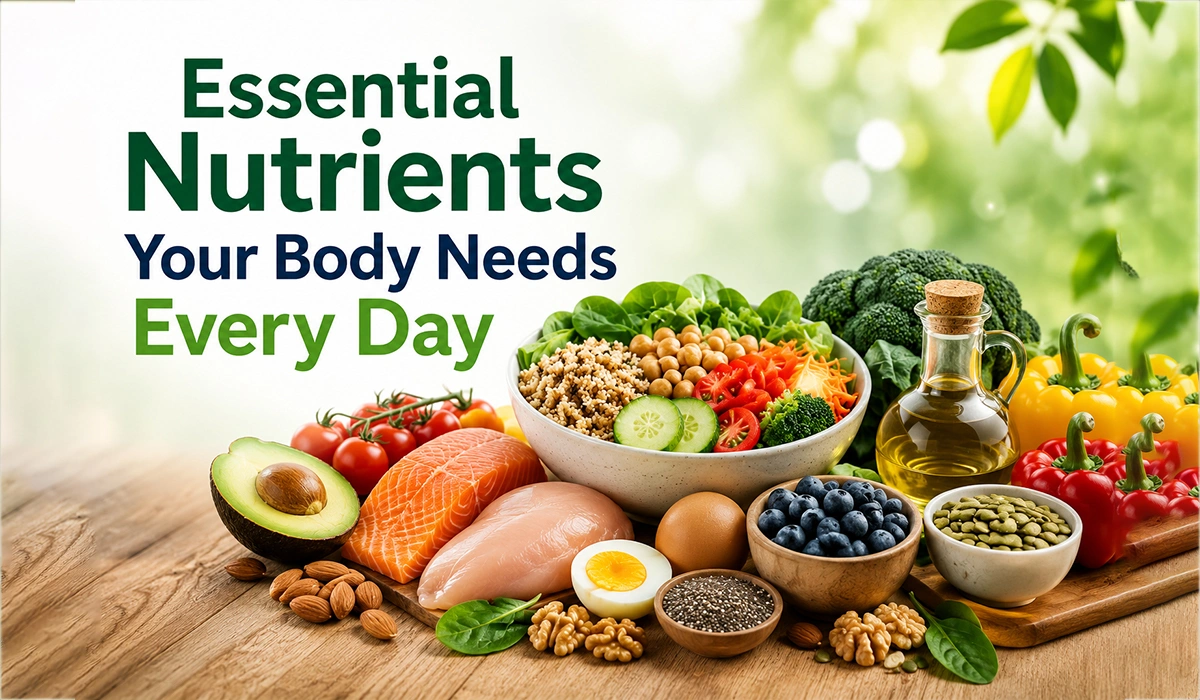
Essential Nutrients Your Body Needs Every Day

Introduction

Imagine trying to build a strong house without bricks, cement, or steel. No matter how beautiful the design is, the structure cannot survive without the right materials.

The human body works the same way.

Every heartbeat, every breath, every muscle movement, and every thought depends on essential nutrients working behind the scenes. Yet millions of people across the world, including India and the USA, experience nutritional gaps that affect their energy, immunity, and overall health.

The topic Essential Nutrients Your Body Needs Every Day is more important today than ever before. Busy lifestyles, processed foods, long working hours, and changing eating habits often prevent people from getting balanced nutrition.

The good news is that understanding these nutrients can help you make smarter food choices and support long-term wellness.

What Are Essential Nutrients?

Quick Answer

Essential nutrients are substances the body cannot produce in sufficient amounts and must obtain from food or supplements.

Detailed Explanation

The body requires nutrients to:

  • Produce energy
  • Build muscles
  • Support immunity
  • Maintain healthy bones
  • Protect organs
  • Repair tissues

The six major nutrient groups are:

NutrientMain Function
CarbohydratesEnergy
ProteinsGrowth and repair
Healthy FatsBrain and hormone health
VitaminsBody regulation
MineralsBone and cell function
WaterHydration and metabolism

Why Good Nutrition Matters

Quick Answer

Good nutrition helps the body perform efficiently and reduces the risk of many health problems.

Benefits

  • Better immunity
  • Higher energy levels
  • Healthy skin
  • Strong bones
  • Improved mental focus
  • Better digestion

Proper nutrition is a foundation of preventive healthcare.

Protein: The Building Block of the Body

What is Protein?

Protein helps build and repair muscles, skin, organs, and tissues.

Signs of Protein Deficiency

  • Weak muscles
  • Hair thinning
  • Slow healing
  • Frequent illness

Healthy Sources

  • Lentils
  • Eggs
  • Milk
  • Fish
  • Soybeans
  • Nuts

Practical Tip

Include a protein source in every meal.

Carbohydrates: The Body’s Main Energy Source

Quick Answer

Carbohydrates provide fuel for the brain and muscles.

Healthy Carbohydrates

  • Whole grains
  • Brown rice
  • Oats
  • Fruits
  • Vegetables

Avoid Excess

Limit refined sugar and highly processed foods.

Healthy Fats Support Brain and Heart Health

Many people fear fats, but healthy fats are essential.

Benefits

  • Brain development
  • Hormone production
  • Heart health
  • Vitamin absorption

Good Sources

  • Almonds
  • Walnuts
  • Olive oil
  • Seeds
  • Fatty fish

Vitamins Your Body Needs Daily

Vitamin A

Supports vision and immunity.

Sources:

  • Carrots
  • Sweet potatoes
  • Spinach

Vitamin B Complex

Supports metabolism and nerve function.

Sources:

  • Whole grains
  • Dairy
  • Eggs
  • Meat

Vitamin C

Supports immunity and collagen production.

Sources:

  • Oranges
  • Kiwi
  • Lemon
  • Bell peppers

Vitamin D

Supports bone health and calcium absorption.

Sources:

  • Sunlight
  • Eggs
  • Fortified foods

Vitamin E

Acts as an antioxidant.

Sources:

  • Nuts
  • Seeds
  • Vegetable oils

Vitamin K

Supports blood clotting and bone health.

Sources:

  • Green leafy vegetables

Important Minerals for Daily Health

Calcium

Supports:

  • Bones
  • Teeth
  • Muscles

Sources:

  • Dairy products
  • Sesame seeds
  • Green vegetables

Iron

Helps carry oxygen throughout the body.

Sources:

  • Lentils
  • Beans
  • Dates
  • Meat

Zinc

Supports immunity and healing.

Sources:

  • Pumpkin seeds
  • Nuts
  • Seafood

Magnesium

Supports muscles and sleep.

Sources:

  • Whole grains
  • Nuts
  • Green vegetables

Water: The Forgotten Essential Nutrient

Quick Answer

Water is essential for life and supports every major body function.

Benefits

  • Temperature regulation
  • Digestion
  • Nutrient transport
  • Joint lubrication

Aim to stay hydrated throughout the day.

Common Nutritional Deficiencies

Many people experience deficiencies without realizing it.

NutrientCommon Symptoms
IronFatigue
Vitamin DWeak bones
CalciumMuscle cramps
Vitamin B12Low energy
ProteinMuscle weakness
ZincPoor immunity

Essential Nutrients Across Different Life Stages

Children

Need nutrients for growth and development.

Adults

Need balanced nutrition for energy and productivity.

Women

Require additional iron, calcium, and folic acid.

Older Adults

Need support for bone and muscle health.

Food vs Supplements

Food First

Whole foods provide:

  • Fiber
  • Antioxidants
  • Natural nutrients

When Supplements Help

Supplements may be useful when:

  • Deficiencies exist
  • Diet restrictions apply
  • Healthcare professionals recommend them

Daily Nutrition Checklist

✔ Eat fruits and vegetables

✔ Include protein

✔ Drink enough water

✔ Get sunlight exposure

✔ Limit processed foods

✔ Exercise regularly

✔ Sleep well

Comparison Table: Natural Food vs Processed Food

FeatureNatural FoodsProcessed Foods
NutrientsHighLower
FiberHighLow
Added SugarMinimalHigh
PreservativesNoneOften Present
Long-Term HealthBetterLess Beneficial

Why Preventive Nutrition Matters

Healthy nutrition helps prevent:

  • Bone weakness
  • Fatigue
  • Low immunity
  • Lifestyle disorders

Small daily improvements often create long-term health benefits.

Why Choose a Preventive Wellness Approach

Preventive healthcare focuses on staying healthy before illness develops.

Benefits include:

  • Better quality of life
  • Lower healthcare costs
  • Higher productivity
  • Improved longevity

Real-Life Example

A working professional often skipped breakfast and depended on fast food.

Over time, they experienced fatigue, low concentration, and frequent illness.

After improving their nutrition with balanced meals, hydration, and regular health checkups, energy levels and productivity improved significantly.

Small nutritional changes can produce meaningful results.

Essential Nutrients Your Body Needs Every Day Frequently Asked Questions

What are essential nutrients?

Essential nutrients are vitamins, minerals, proteins, fats, carbohydrates, and water that the body requires for normal function.

Which nutrient deficiency is most common?

Iron, Vitamin D, Calcium, and Vitamin B12 deficiencies are among the most common.

Can nutritional deficiencies cause fatigue?

Yes. Low levels of iron, Vitamin B12, Vitamin D, and protein may contribute to fatigue.

Should I take supplements daily?

Supplements should be taken according to individual needs and professional healthcare advice.

How can I improve my nutrition naturally?

Eat balanced meals, include fruits and vegetables, stay hydrated, and avoid excessive processed foods.

Which foods provide the most nutrients?

Whole grains, fruits, vegetables, dairy, nuts, seeds, legumes, and lean proteins are excellent choices.

Conclusion

Understanding Essential Nutrients Your Body Needs Every Day is one of the simplest and most effective ways to improve long-term health.

Balanced nutrition is not about following complicated diets. It is about consistently giving the body the nutrients it needs to build strength, support immunity, improve energy, and maintain overall wellness.

Healthy eating today becomes the foundation for a healthier tomorrow.

Small daily choices create lifelong benefits.

Nutritional
Why Nutritional Supplements Are Important in Modern Lifestyles
Common Nutritional Deficiencies and How to Address Them
The Science Behind Daily Nutritional Support
How Nutrition Supports Immunity and Overall Health
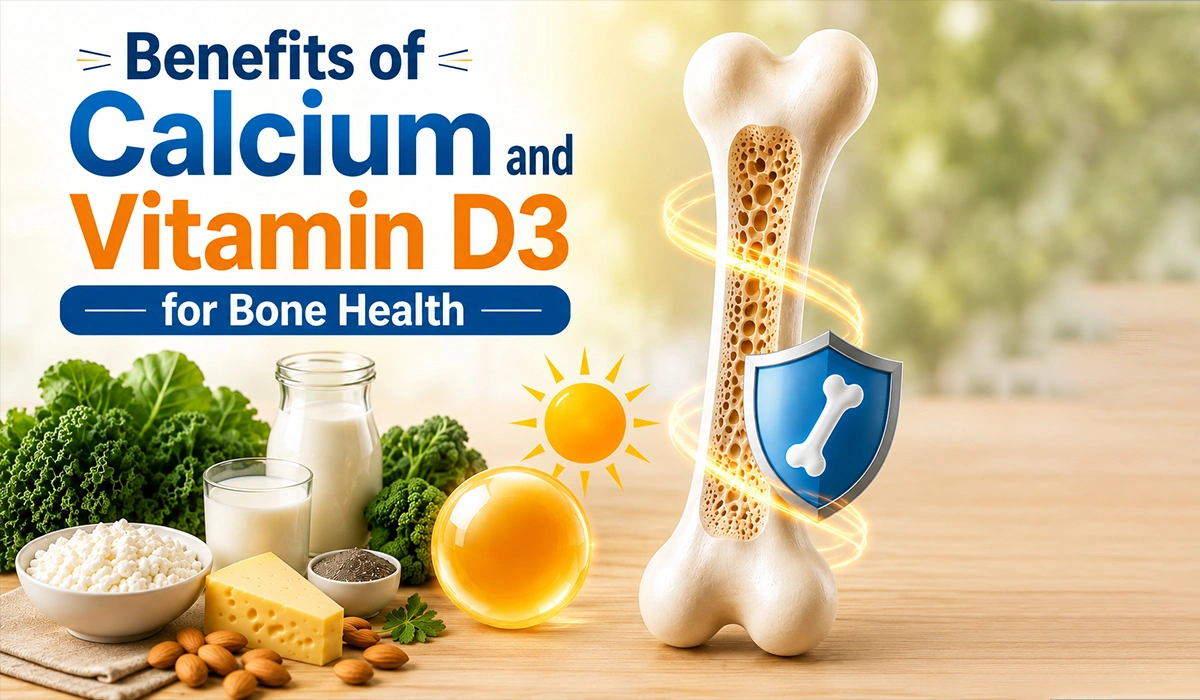
Benefits of Calcium and Vitamin D3 for Bone Health
Understanding the Growing Importance of Nutraceuticals
How Nutrition Impacts Energy, Strength, and Wellness
Essential Nutrients Your Body Needs Every Day

How Nutrition Impacts Energy, Strength, and Wellness

Introduction

Imagine starting every morning feeling refreshed, energetic, and ready to take on the day.

Now imagine the opposite—constant tiredness, low energy, poor concentration, and frequent illness.

The difference often comes down to one simple factor: nutrition.

Many people believe food is only meant to satisfy hunger. In reality, food is fuel. Every cell, muscle, organ, and system in the body depends on proper nutrition to function effectively.

Understanding how nutrition impacts energy, strength, and wellness is essential in today’s fast-paced world. Whether you are a student, working professional, athlete, or senior citizen, your daily nutrition directly affects your physical and mental performance.

What Is Nutrition?

Quick Answer

Nutrition is the process by which the body receives and uses nutrients from food for growth, energy, repair, and overall health.

Detailed Explanation

The body requires six major nutrients:

NutrientFunction
CarbohydratesEnergy source
ProteinMuscle repair and growth
Healthy FatsBrain and hormone health
VitaminsCellular functions
MineralsBone and organ support
WaterHydration and metabolism

Without balanced nutrition, the body cannot perform efficiently.

Why Nutrition Is the Foundation of Good Health

Quick Answer

Good nutrition supports every function in the body.

Benefits include:

  • Better energy levels
  • Strong muscles
  • Healthy bones
  • Improved immunity
  • Better concentration
  • Healthy skin and hair
  • Faster recovery

Healthcare experts worldwide agree that preventive nutrition is one of the best investments in long-term wellness.

How Nutrition Impacts Energy

Direct Answer

Food provides calories that the body converts into energy.

When meals lack essential nutrients, the body struggles to produce enough energy for daily activities.

Common causes of low energy:

  • Iron deficiency
  • Poor hydration
  • Skipping meals
  • Low protein intake
  • Vitamin B12 deficiency

Energy-supporting foods:

  • Whole grains
  • Fruits
  • Vegetables
  • Nuts
  • Dairy products
  • Eggs

The Relationship Between Nutrition and Strength

Muscles require nutrients to grow and recover.

Key nutrients for strength:

NutrientBenefit
ProteinMuscle building
CalciumBone support
Vitamin DCalcium absorption
MagnesiumMuscle function
PotassiumNerve and muscle activity

People who consume balanced nutrition often experience better physical performance.

Nutrition and Immune System Health

A healthy immune system protects the body against infections.

Nutrients that support immunity:

  • Vitamin C
  • Vitamin D
  • Zinc
  • Selenium
  • Protein

Balanced nutrition helps the immune system work efficiently.

Brain Health and Nutrition

The brain consumes a significant amount of the body’s daily energy.

Healthy nutrition supports:

  • Memory
  • Focus
  • Mood balance
  • Mental performance

Brain-friendly foods:

  • Omega-3 fatty acids
  • Nuts
  • Fruits
  • Green vegetables
  • Whole grains

Common Nutritional Deficiencies

Millions of people worldwide experience nutritional deficiencies.

Most common deficiencies:

  • Iron
  • Vitamin D
  • Calcium
  • Vitamin B12
  • Protein
  • Zinc
  • Magnesium

Warning signs:

  • Fatigue
  • Hair fall
  • Weakness
  • Muscle cramps
  • Poor immunity

The Importance of Hydration

Water is often overlooked as a nutrient.

Benefits of proper hydration:

  • Better energy
  • Healthy digestion
  • Temperature regulation
  • Improved concentration

Most adults should drink enough fluids throughout the day based on individual needs and activity levels.

Nutrition Through Different Stages of Life

Children

Need nutrients for growth and development.

Adults

Require balanced nutrition for productivity and wellness.

Older Adults

Need additional support for bones, muscles, and immunity.

Modern Lifestyle and Poor Nutrition

Busy schedules often lead to unhealthy eating patterns.

Common habits:

  • Fast food consumption
  • Processed snacks
  • Excess sugar
  • Irregular meals

These habits may increase the risk of nutritional deficiencies.

Preventive Healthcare and Nutrition

Good nutrition helps reduce health risks.

Preventive healthcare focuses on:

  • Healthy eating
  • Exercise
  • Regular health checkups
  • Stress management

Nutrition forms the foundation of preventive wellness.

How to Build a Balanced Plate

A healthy meal should include:

  • Whole grains
  • Lean protein
  • Vegetables
  • Fruits
  • Healthy fats
  • Water

Small improvements in daily eating habits create long-term health benefits.

Practical Tips to Improve Daily Nutrition

Start your day with breakfast
Eat colorful fruits and vegetables
Include protein with every meal
Reduce processed foods
Stay hydrated
Exercise regularly
Get adequate sleep

Consistency matters more than perfection.

Nutrition Myths vs Facts

MythFact
Skipping meals helps weight lossBalanced meals support metabolism
All fats are unhealthyHealthy fats are essential
Supplements replace foodWhole foods remain the best source
Carbohydrates are badComplex carbohydrates provide energy

Why Preventive Nutrition Matters for the Future

Healthcare is moving toward prevention rather than treatment.

People increasingly focus on:

  • Nutritional wellness
  • Functional foods
  • Daily supplementation
  • Healthy aging

Nutrition plays a major role in improving quality of life.

Why Choose a Preventive Wellness Approach

Benefits

  • Better energy
  • Stronger immunity
  • Healthy aging
  • Improved productivity
  • Better mental health

Real-World Example

A working professional experiencing fatigue and poor concentration improved energy levels after correcting Vitamin D and Iron deficiencies and adopting balanced nutrition habits.

This example highlights how small nutritional improvements can produce significant health benefits.

Comparison Table

Healthy Nutrition vs Poor Nutrition

Healthy NutritionPoor Nutrition
High energyConstant fatigue
Strong immunityFrequent illness
Better focusBrain fog
Healthy bonesWeak bones
Muscle strengthMuscle weakness

How Nutrition Impacts Energy, Strength, and Wellness Frequently Asked Questions

How does nutrition affect energy levels?

Nutrition provides the body with calories and nutrients needed to produce energy and maintain daily activities.

Which nutrients improve strength?

Protein, Calcium, Vitamin D, Magnesium, and Potassium support muscle and bone strength.

What are the signs of nutritional deficiencies?

Fatigue, weakness, hair fall, muscle cramps, poor immunity, and low energy may indicate deficiencies.

Can nutrition improve immunity?

Yes. Vitamins, minerals, proteins, and antioxidants support healthy immune function.

Is hydration important for wellness?

Yes. Water supports digestion, metabolism, energy production, and overall health.

Should nutritional supplements be taken daily?

Supplements should be used according to individual health needs and healthcare advice.

Conclusion

Understanding how nutrition impacts energy, strength, and wellness helps people make smarter choices for long-term health.

Balanced nutrition supports every system in the body, from muscles and bones to the brain and immune system. Small daily improvements such as eating nutrient-rich foods, staying hydrated, and maintaining healthy habits can significantly improve quality of life.

The future of healthcare is increasingly focused on prevention, and good nutrition remains one of the most powerful tools for building a healthier tomorrow.

Nutritional
Why Nutritional Supplements Are Important in Modern Lifestyles
Common Nutritional Deficiencies and How to Address Them
The Science Behind Daily Nutritional Support
How Nutrition Supports Immunity and Overall Health
Benefits of Calcium and Vitamin D3 for Bone Health
Understanding the Growing Importance of Nutraceuticals
How Nutrition Impacts Energy, Strength, and Wellness
Essential Nutrients Your Body Needs Every Day

Understanding the Growing Importance of Nutraceuticals

A few decades ago, most people visited a doctor only after becoming sick. Today, that mindset is changing. People want to stay healthy rather than wait for health problems to appear. They are exercising more, choosing healthier foods, and adding nutritional supplements to their daily routines.

This shift has brought nutraceuticals into the spotlight.

According to global healthcare trends, consumers are increasingly looking for products that support immunity, heart health, bone strength, skin wellness, digestive health, and overall quality of life.

The growing importance of nutraceuticals lies in one simple idea:

Prevention is often better than treatment.

What Are Nutraceuticals?

Quick Answer

Nutraceuticals are products derived from food sources that provide additional health and wellness benefits beyond basic nutrition.

Detailed Explanation

The word “nutraceutical” combines two words:

  • Nutrition
  • Pharmaceutical

These products are designed to support overall health and may help address nutritional gaps.

Common forms include:

  • Capsules
  • Tablets
  • Softgels
  • Powders
  • Gummies
  • Functional beverages
  • Herbal extracts

Example

Vitamin D supplements, Omega-3 capsules, probiotics, herbal formulations, and antioxidant blends are common examples of nutraceutical products.

Why Are Nutraceuticals Becoming More Important?

Quick Answer

Modern lifestyles, nutritional deficiencies, and growing awareness about preventive healthcare have increased demand for nutraceuticals.

Major Reasons

FactorImpact
Busy lifestylesPoor eating habits
UrbanizationIncreased stress
Processed foodsNutrient deficiencies
Aging populationHigher wellness needs
Health awarenessPreventive care focus

Practical Tip

Regular health checkups can help identify nutritional deficiencies that may require dietary changes or supplementation.

Types of Nutraceuticals

Dietary Supplements

Contain vitamins, minerals, amino acids, and herbal ingredients.

Examples:

  • Vitamin C
  • Vitamin D3
  • Biotin
  • Zinc
  • Magnesium

Functional Foods

Foods enhanced with additional nutritional value.

Examples:

  • Fortified milk
  • Probiotic yogurt
  • High-fiber cereals

Herbal Nutraceuticals

Derived from natural plant ingredients.

Examples:

  • Turmeric
  • Ashwagandha
  • Aloe Vera
  • Green Tea Extract

Probiotics and Prebiotics

Support digestive health and gut microbiome balance.

Key Benefits of Nutraceuticals

1. Supports Immune Health

Many nutraceutical products contain vitamins and antioxidants that help support the body’s natural defense mechanisms.

2. Helps Address Nutritional Deficiencies

Modern diets may lack essential nutrients. Nutraceuticals can help bridge nutritional gaps.

3. Supports Healthy Aging

Antioxidants help protect cells from oxidative stress associated with aging.

4. Promotes Bone and Joint Wellness

Calcium, Vitamin D3, and collagen-supporting nutrients contribute to musculoskeletal health.

5. Supports Heart Health

Omega-3 fatty acids and selected nutritional ingredients are widely recognized for cardiovascular wellness.

6. Enhances Skin, Hair, and Nail Health

Biotin, Vitamin E, amino acids, and collagen-supporting nutrients contribute to beauty from within.

Nutraceuticals vs Pharmaceuticals

FeatureNutraceuticalsPharmaceuticals
PurposeWellness supportDisease treatment
SourceFood or natural ingredientsDrug formulations
UsageDaily nutritional supportMedical treatment
FocusPreventionTherapy
GuidanceDietician/Healthcare ProfessionalPhysician

The Role of Nutraceuticals in Preventive Healthcare

Direct Answer

Preventive healthcare focuses on maintaining health before illness develops, and nutraceuticals play an important supporting role.

Key Areas

  • Immunity support
  • Healthy aging
  • Weight management
  • Bone health
  • Nutritional wellness
  • Energy support

Global Nutraceutical Market Trends

Healthcare experts expect continuous growth because consumers increasingly prefer proactive wellness solutions.

Popular Categories

  • Immune health
  • Sports nutrition
  • Women’s wellness
  • Men’s wellness
  • Senior nutrition
  • Pediatric nutrition
  • Beauty nutrition

Why Consumers Prefer Nutraceuticals

Consumer Benefits

✔ Easy to consume

✔ Supports daily wellness

✔ Complements healthy lifestyles

✔ Available in multiple formats

✔ Convenient for busy schedules

How to Choose High-Quality Nutraceuticals

Look For

  • Trusted manufacturer
  • Quality certifications
  • Transparent ingredient labeling
  • Scientific formulation
  • Regulatory compliance
  • Professional guidance

Avoid

  • Unrealistic health claims
  • Unknown ingredients
  • Poor manufacturing standards

The Future of Nutraceuticals

Experts believe the future will include:

  • Personalized nutrition
  • AI-driven wellness recommendations
  • Functional foods
  • Precision supplementation
  • Sustainable ingredient sourcing
  • Digital healthcare integration

Why Quality Manufacturing Matters

Consumers should select products from organizations committed to:

  • Research-driven development
  • Quality assurance
  • Ethical manufacturing
  • Product consistency
  • Regulatory compliance

Strong manufacturing practices help build consumer confidence and support long-term wellness goals.

Real-World Example

A working professional with limited time may experience fatigue due to poor dietary habits.

By improving nutrition, increasing physical activity, and adding professionally recommended nutritional supplements, they may better support their daily wellness routine.

This demonstrates how nutraceuticals can complement a healthy lifestyle rather than replace one.

Nutraceuticals Frequently Asked Questions

What are nutraceuticals?

Nutraceuticals are food-derived products that provide nutritional and wellness benefits beyond basic dietary intake.

Why are nutraceuticals important?

They help support preventive healthcare, nutritional balance, and overall wellness.

Are nutraceuticals the same as medicines?

No. Nutraceuticals are designed to support health and nutrition, while medicines are intended for treating medical conditions.

What are common examples of nutraceuticals?

Vitamin supplements, probiotics, Omega-3 fatty acids, herbal extracts, antioxidants, and functional foods.

Can nutraceuticals support immunity?

Many nutraceutical ingredients such as vitamins and antioxidants help support normal immune function.

Who can use nutraceuticals?

Adults seeking nutritional support may use them under the guidance of a healthcare professional.

Are nutraceuticals popular in the USA?

Yes. The USA is one of the world’s largest nutraceutical markets due to increasing health awareness and preventive healthcare trends.

How do I choose the best nutraceutical product?

Look for trusted brands, quality certifications, scientific formulations, and transparent labeling.

Conclusion

Healthcare is evolving from treating illness to promoting wellness. Nutraceuticals have become an important part of this transformation by helping people maintain nutritional balance and support long-term health goals.

While they are not replacements for medical treatment, they can complement a healthy lifestyle that includes balanced nutrition, physical activity, adequate sleep, and regular health checkups.

The future of healthcare will likely combine science, nutrition, and technology to create more personalized wellness solutions. Understanding the growing importance of nutraceuticals today helps individuals and organizations prepare for a healthier tomorrow.

The best healthcare strategy is not simply living longer—it is living healthier.

Nutritional
Why Nutritional Supplements Are Important in Modern Lifestyles
Common Nutritional Deficiencies and How to Address Them
The Science Behind Daily Nutritional Support
How Nutrition Supports Immunity and Overall Health
Benefits of Calcium and Vitamin D3 for Bone Health
Understanding the Growing Importance of Nutraceuticals
How Nutrition Impacts Energy, Strength, and Wellness
Essential Nutrients Your Body Needs Every Day

Benefits of Calcium and Vitamin D3 for Bone Health: A Complete Guide to Stronger Bones and Lifelong Wellness

Imagine trying to build a strong house without a solid foundation. No matter how beautiful the walls or roof may look, the structure eventually weakens. The human body works the same way. Bones are the framework that supports every step, jump, and movement we make.

Many people only think about bone health after experiencing pain or fractures. However, healthy bones are built over a lifetime. Two nutrients play the biggest role in this process: Calcium and Vitamin D3.

According to health experts, inadequate calcium intake and low Vitamin D levels are common worldwide, affecting children, adults, and older individuals alike. Maintaining adequate nutrition can help support normal bone development, muscle function, and overall wellness.

This guide explains how Calcium and Vitamin D3 work together, why they matter, and practical ways to support lifelong bone health.

What Are Calcium and Vitamin D3?

Quick Answer

Calcium is an essential mineral that supports bones and teeth, while Vitamin D3 helps the body absorb and utilize calcium effectively.

Detailed Explanation

Nearly 99% of the body’s calcium is stored in bones and teeth. The remaining amount supports muscle contraction, nerve signaling, and blood clotting.

Vitamin D3, also called cholecalciferol, helps the intestines absorb calcium from food. Without enough Vitamin D3, the body cannot efficiently use the calcium consumed.

Why Are Strong Bones Important?

Direct Answer

Healthy bones support movement, protect organs, store minerals, and contribute to overall physical well-being.

Bone Functions

  • Supports body structure
  • Protects vital organs
  • Stores calcium and phosphorus
  • Helps produce blood cells
  • Supports muscle movement

Strong bones also contribute to maintaining an active lifestyle as people age.

How Calcium and Vitamin D3 Work Together

Simple Explanation

Think of calcium as the building material and Vitamin D3 as the delivery system.

Without Vitamin D3:

  • Calcium absorption decreases
  • Bone mineralization may be affected
  • Nutritional balance becomes more difficult

Together, they help support:

  • Bone density
  • Muscle function
  • Skeletal development
  • General wellness

Top Benefits of Calcium and Vitamin D3 for Bone Health

1. Supports Healthy Bone Density

Adequate intake helps maintain normal bone mineralization throughout life.

2. Helps Maintain Strong Teeth

Calcium is a major structural component of teeth and supports oral health.

3. Supports Muscle Function

Vitamin D contributes to normal muscle function, helping maintain strength and mobility.

4. Aids Calcium Absorption

Vitamin D3 enhances the body’s ability to absorb dietary calcium.

5. Supports Healthy Aging

Proper nutrition may help maintain bone health as age-related changes occur.

6. Encourages Active Living

Strong bones and muscles help people remain physically active.

Signs That May Indicate Low Calcium or Vitamin D

Common Signs

  • Muscle weakness
  • Fatigue
  • Bone discomfort
  • Frequent cramps
  • Dental concerns
  • General weakness

These symptoms may have multiple causes. Professional medical evaluation is recommended.

Who May Need More Attention to Bone Health?

Higher-Risk Groups

GroupReason
Older adultsNatural bone changes
Post-menopausal womenHormonal changes
Growing childrenRapid bone development
Individuals with limited sunlight exposureLower Vitamin D production
People with restricted dietsReduced nutrient intake

Natural Sources of Calcium

Foods Rich in Calcium

  • Milk
  • Yogurt
  • Cheese
  • Leafy green vegetables
  • Almonds
  • Sesame seeds
  • Fortified foods

Practical Tip

Include calcium-rich foods in daily meals rather than relying on a single source.

Natural Sources of Vitamin D3

Main Sources

  • Sunlight exposure
  • Fatty fish
  • Egg yolks
  • Fortified dairy products
  • Fortified cereals

Balanced sun exposure and a healthy diet can support Vitamin D levels.

Calcium vs Vitamin D3: Comparison Table

FeatureCalciumVitamin D3
TypeMineralVitamin
Primary RoleBuilds bonesHelps absorb calcium
Found InDairy, greens, nutsSunlight, fish, eggs
SupportsBones and teethBone and muscle function
Works BestWith Vitamin D3With Calcium

Lifestyle Habits That Support Bone Health

Daily Habits

✔ Regular physical activity

✔ Weight-bearing exercises

✔ Balanced nutrition

✔ Healthy body weight

✔ Adequate sleep

✔ Avoid excessive smoking and alcohol

Healthy habits work together with proper nutrition.

Bone Health Across Different Life Stages

Children

Support normal growth and development.

Adults

Maintain bone strength and active lifestyles.

Older Adults

Help preserve mobility and independence.

Bone health should be a lifelong priority.

Why Many Healthcare Professionals Recommend Combined Support

Experts often emphasize that Calcium and Vitamin D3 complement one another.

Benefits include:

  • Better nutritional balance
  • Improved calcium utilization
  • Comprehensive bone support
  • Daily wellness maintenance

Practical Example

A working professional spends most of the day indoors and avoids dairy products. Over time, dietary calcium intake and sunlight exposure may decrease.

Adding calcium-rich foods, safe sunlight exposure, regular exercise, and professional nutritional guidance can help support long-term bone wellness.

Why Quality Nutritional Solutions Matter

When selecting nutritional supplements, important factors include:

  • Quality manufacturing
  • Trusted ingredients
  • Regulatory compliance
  • Reliable sourcing
  • Clear labeling
  • Professional guidance

Choosing reputable healthcare brands helps support consumer confidence.

Benefits of Calcium and Vitamin D3 for Bone Health Frequently Asked Questions

What are the benefits of Calcium and Vitamin D3?

They help support bone health, calcium absorption, muscle function, and overall wellness.

Why does the body need both Calcium and Vitamin D3?

Vitamin D3 helps the body absorb and use calcium effectively.

Can I get Calcium and Vitamin D naturally?

Yes. Dairy products, leafy vegetables, sunlight, fish, and fortified foods are common sources.

Who should pay attention to bone health?

Children, older adults, post-menopausal women, and people with limited sunlight exposure may particularly benefit from maintaining healthy nutrient intake.

Does exercise help bone health?

Yes. Weight-bearing exercises help support strong bones and muscles.

What foods are rich in Calcium?

Milk, yogurt, cheese, almonds, leafy greens, and fortified foods.

What is the best source of Vitamin D3?

Sunlight is a natural source, while fish and fortified foods also contribute.

Can lifestyle affect bone health?

Yes. Diet, exercise, smoking, alcohol intake, and overall wellness habits influence bone health.

Conclusion

Bone health is not something to think about only later in life. Every meal, every walk, and every healthy habit contributes to building and maintaining strong bones.

Calcium provides the essential building blocks, while Vitamin D3 helps the body use those building blocks efficiently. Together, they support movement, strength, and everyday wellness.

The best approach combines balanced nutrition, active living, healthy lifestyle choices, and professional healthcare guidance.

After all, strong bones are not built in a day—they are built through consistent care over a lifetime.

Nutritional
Why Nutritional Supplements Are Important in Modern Lifestyles
Common Nutritional Deficiencies and How to Address Them
The Science Behind Daily Nutritional Support
How Nutrition Supports Immunity and Overall Health
Benefits of Calcium and Vitamin D3 for Bone Health
Understanding the Growing Importance of Nutraceuticals
How Nutrition Impacts Energy, Strength, and Wellness
Essential Nutrients Your Body Needs Every Day

Well Being Products

Add to cart
Home

Get in Touch

Footer

Get in Touch

May I help you?