How Herbal and Ayurvedic Solutions Support Healthy Living

Introduction

What if staying healthy didn’t always begin with a hospital visit?

Across India, families have trusted herbs like Tulsi, Neem, Amla, Ashwagandha, and Turmeric for generations. Long before modern healthcare became widespread, these natural ingredients were used to support immunity, digestion, skin health, and overall wellness.

Today, the same wisdom is finding new relevance. Modern lifestyles often include stress, poor eating habits, pollution, and irregular routines. As a result, more people are turning toward preventive healthcare instead of waiting until illness develops.

This growing shift explains why how herbal and Ayurvedic solutions support healthy living has become one of the most searched healthcare topics worldwide.

Whether you are looking for daily wellness support, natural healthcare products, or a balanced lifestyle, herbal and Ayurvedic solutions offer an approach that combines traditional knowledge with modern scientific development.

What Are Herbal and Ayurvedic Solutions?

Herbal and Ayurvedic solutions are healthcare products and wellness practices that use natural plant-based ingredients and traditional Ayurvedic principles to support overall health and preventive wellness.

Ayurveda, which originated in India more than 5,000 years ago, focuses on maintaining balance within the body rather than simply treating illness.

Herbal wellness products may include:

  • Herbal tablets
  • Capsules
  • Syrups
  • Powders
  • Oils
  • Skin care products
  • Nutraceutical supplements

Many formulations combine traditional herbs with modern manufacturing standards to improve quality and consistency.

Why Are Herbal Wellness Products Becoming More Popular?

Consumers increasingly prefer herbal healthcare because they are seeking natural, preventive, and holistic wellness solutions.

Several trends are driving this growth:

  • Greater health awareness
  • Rising interest in preventive healthcare
  • Demand for natural ingredients
  • Increased focus on immunity
  • Growing trust in Ayurveda
  • Lifestyle-related health concerns

According to global wellness reports, the herbal and natural healthcare industry continues to experience steady growth as consumers seek healthier daily habits.

Understanding the Ayurvedic Approach to Healthy Living

Unlike conventional healthcare that often focuses on disease treatment, Ayurveda emphasizes maintaining balance before illness develops.

The Ayurvedic approach includes:

  • Balanced nutrition
  • Daily routines
  • Physical activity
  • Stress management
  • Quality sleep
  • Herbal support
  • Seasonal wellness practices

This preventive philosophy aligns closely with today’s growing interest in long-term wellness.

Common Herbs Used in Ayurvedic Healthcare

Some herbs have remained popular for centuries because of their traditional uses.

Herbal IngredientTraditional Wellness Uses
AshwagandhaStress management and vitality
TulsiRespiratory and immune support
NeemSkin and cleansing support
TurmericAntioxidant and inflammatory support
AmlaVitamin C and immunity
Aloe VeraSkin and digestive wellness
GiloyGeneral wellness support
BrahmiCognitive wellness

Modern research continues to investigate many of these herbs for their potential health-supporting properties.

How Herbal and Ayurvedic Solutions Support Healthy Living

Herbal and Ayurvedic solutions support healthy living by promoting balance, supporting natural body functions, and encouraging preventive healthcare habits.

Some common wellness areas include:

Daily Wellness

Natural formulations help support everyday health and vitality.

Immune Support

Many herbal ingredients have traditionally been used to support normal immune function.

Digestive Health

Healthy digestion remains one of Ayurveda’s primary wellness principles.

Bone and Joint Wellness

Herbal formulations may complement healthy nutrition and physical activity.

Skin Wellness

Plant-based ingredients continue to be widely used in skincare routines.

Preventive Healthcare Starts with Daily Habits

One of Ayurveda’s greatest strengths is prevention.

Rather than waiting until symptoms become severe, Ayurveda encourages healthy daily routines such as:

  • Eating balanced meals
  • Staying hydrated
  • Managing stress
  • Getting enough sleep
  • Regular physical activity
  • Using wellness products appropriately

Small habits often create significant long-term health benefits.

Herbal Wellness vs Conventional Wellness

FeatureHerbal & Ayurvedic SolutionsConventional Wellness Products
Primary FocusPrevention and balanceTargeted support
IngredientsPlant-basedSynthetic or mixed
Daily UseCommonly used for wellnessDepends on formulation
Wellness PhilosophyHolisticSymptom-focused
Consumer TrendRapidly growingWell established

Both approaches can play valuable roles depending on individual health needs and professional medical advice.

The Role of Modern Science

Ayurveda and herbal healthcare continue to evolve alongside modern science.

Today’s manufacturers invest in:

  • Ingredient testing
  • Quality assurance
  • Standardized extracts
  • Stability studies
  • Advanced manufacturing technologies

This combination helps improve product quality while respecting traditional knowledge.

India’s Leadership in Herbal Healthcare

India remains one of the world’s leading centers for Ayurveda and herbal wellness.

Key advantages include:

  • Rich biodiversity
  • Traditional healthcare knowledge
  • Skilled researchers
  • Advanced pharmaceutical manufacturing
  • Strong global export capabilities

Companies like Nukind Healthcare contribute to this ecosystem by combining innovation with quality-focused manufacturing.

Choosing High-Quality Herbal Products

Consumers should look for products that offer:

  • Transparent ingredient information
  • Quality manufacturing
  • Regulatory compliance
  • Reputable brands
  • Scientific formulation processes

Selecting products from trusted manufacturers improves confidence in product quality.

Why Nukind Healthcare Supports Herbal Wellness

Nukind Healthcare develops healthcare solutions across:

  • Pharmaceuticals
  • Nutraceuticals
  • Personal Care
  • Ayurveda & Herbals

Our focus is to combine traditional herbal wisdom with modern research, advanced manufacturing, and strict quality standards.

We believe preventive healthcare begins with informed choices, quality products, and long-term wellness.

Practical Tips for Healthier Living

Simple lifestyle improvements can complement herbal wellness.

Consider these daily habits:

  • Eat a balanced diet rich in fruits and vegetables.
  • Stay physically active.
  • Drink enough water.
  • Prioritize quality sleep.
  • Manage stress through relaxation techniques.
  • Consult qualified healthcare professionals when considering supplements.

Healthy living is built through consistent habits rather than quick solutions.

The Complete Guide to Daily Wellness and Nutritional Support

Introduction

What does it truly mean to be healthy?

For many people, good health simply means not being sick. However, true wellness is much more than the absence of illness. It is about having the energy to enjoy life, the strength to overcome daily challenges, and the confidence that your body is getting the nutrition it needs.

Modern lifestyles have made maintaining good health more difficult than ever. Long working hours, processed foods, stress, lack of sleep, and reduced physical activity have increased the risk of nutritional deficiencies and lifestyle-related health concerns. This is why daily wellness and nutritional support have become essential for people of all ages.

Whether you are a student, a working professional, a parent, or a senior citizen, building healthy habits today can help reduce health risks tomorrow. Daily wellness is not about following complicated routines or extreme diets. It is about making small, consistent choices that support long-term physical and mental well-being.

This complete guide explains how nutrition, preventive healthcare, and healthy habits work together to help you live a healthier and more active life.

What Is Daily Wellness?

Daily wellness is the practice of maintaining physical, mental, and emotional health through healthy lifestyle habits, balanced nutrition, regular physical activity, adequate sleep, and preventive healthcare.

Wellness is not a one-time goal. It is a lifelong commitment to taking care of your body every day.

Daily wellness includes:

  • Healthy eating
  • Regular exercise
  • Good sleep
  • Stress management
  • Hydration
  • Preventive healthcare
  • Nutritional support

When these elements work together, they help improve overall quality of life.

Why Is Nutritional Support Important?

Nutrition provides the body with the vitamins, minerals, proteins, healthy fats, and carbohydrates needed for growth, repair, and energy production.

Without proper nutrition, even healthy-looking individuals may experience:

  • Low energy
  • Poor immunity
  • Weak bones
  • Muscle fatigue
  • Poor concentration
  • Slow recovery

Nutritional support helps fill dietary gaps and supports the body’s daily functions when combined with a balanced diet and healthy lifestyle.

The Building Blocks of Good Nutrition

Every healthy diet contains six essential nutrients.

NutrientRole in the BodyCommon Sources
ProteinMuscle growth and repairPulses, eggs, dairy, fish
CarbohydratesMain energy sourceRice, wheat, fruits
Healthy FatsBrain and heart healthNuts, seeds, olive oil
VitaminsSupport body functionsFruits and vegetables
MineralsBone, nerve, and muscle healthDairy, leafy greens
WaterHydration and metabolismWater, fruits, vegetables

A balanced intake of these nutrients supports daily wellness.

Common Nutritional Challenges in India

India has made significant progress in healthcare, yet nutritional deficiencies remain common due to changing lifestyles.

Some common challenges include:

  • Vitamin D deficiency
  • Iron deficiency
  • Calcium deficiency
  • Vitamin B12 deficiency
  • Low protein intake

Busy work schedules, processed foods, and reduced outdoor activity contribute to these nutritional gaps.

Regular health checkups and healthy eating habits can help identify and manage these deficiencies early.

Daily Habits That Improve Wellness

Healthy living does not require major lifestyle changes.

Simple daily habits can make a significant difference.

Eat Balanced Meals

Fill your plate with vegetables, fruits, whole grains, lean proteins, and healthy fats.

Stay Hydrated

Drink enough water throughout the day to support digestion, circulation, and energy levels.

Exercise Regularly

Aim for at least 30 minutes of physical activity most days of the week.

Prioritize Sleep

Adults generally need 7–9 hours of quality sleep each night.

Manage Stress

Practice mindfulness, meditation, or deep breathing exercises to support emotional well-being.

Preventive Healthcare: The Foundation of Long-Term Wellness

Preventive healthcare focuses on staying healthy before illness develops.

Key preventive practices include:

  • Routine health screenings
  • Vaccinations
  • Healthy nutrition
  • Regular physical activity
  • Avoiding tobacco and excessive alcohol
  • Maintaining a healthy weight

Early prevention often reduces the risk of chronic diseases and improves quality of life.

How Nutritional Support Complements a Healthy Lifestyle

Nutritional support should never replace healthy eating. Instead, it complements a balanced diet when nutritional needs are not fully met.

Healthcare professionals may recommend nutritional support for:

  • Older adults
  • Pregnant women
  • Athletes
  • Individuals with dietary restrictions
  • People recovering from illness

Always seek professional advice before starting any supplement regimen.

Daily Wellness Across Different Life Stages

Children

Growing children need adequate nutrition for healthy development, strong bones, and learning.

Adults

Adults benefit from balanced nutrition to maintain energy, productivity, and overall health.

Seniors

Older adults often require additional nutritional support for bone health, muscle strength, and immune function.

Healthy habits remain important at every stage of life.

Why Preventive Wellness Is the Future

Healthcare is evolving from treating illness to preventing disease.

People now recognize the importance of:

  • Healthy nutrition
  • Regular exercise
  • Stress management
  • Wellness education
  • Preventive healthcare

This shift encourages healthier communities and reduces long-term health risks.

Why Choose Nukind Healthcare?

Nukind Healthcare is committed to supporting healthier lifestyles through high-quality pharmaceutical, nutraceutical, personal care, and herbal wellness solutions.

Our focus includes:

  • Science-backed formulations
  • Preventive healthcare
  • Quality manufacturing
  • Affordable wellness solutions
  • Customer-focused innovation

Our mission is simple:

Advancing Science. Empowering Wellness.

Conclusion

Daily wellness is not achieved overnight. It is built through small choices made consistently over time.

Balanced nutrition, regular exercise, quality sleep, stress management, and preventive healthcare all work together to improve overall well-being.

The complete guide to daily wellness and nutritional support begins with understanding your body’s needs and making informed health decisions every day.

Healthy habits today create a healthier tomorrow. Whether you are improving your diet, becoming more active, or focusing on preventive healthcare, every positive step contributes to a stronger, healthier future.

Preventive Healthcare: The Key to a Healthier Future

Introduction

Imagine two people of the same age. One visits a healthcare professional only after becoming seriously ill, while the other focuses on regular health checkups, balanced nutrition, exercise, proper sleep, and preventive wellness. Fast forward twenty years—the second individual is more likely to enjoy better health, fewer hospital visits, and a higher quality of life.

This simple comparison highlights why preventive healthcare has become one of the most important pillars of modern wellness.

Today, lifestyle diseases such as diabetes, hypertension, obesity, heart disease, and stress-related disorders are increasing rapidly across India and the world. According to global health organizations, many chronic diseases can be prevented or delayed through healthy habits, routine screenings, timely vaccinations, and early intervention.

Preventive healthcare is not just about avoiding illness—it is about creating a healthier future through informed choices. Whether you are a student, working professional, parent, or senior citizen, adopting preventive healthcare practices today can help you enjoy better physical, mental, and emotional well-being tomorrow.

This comprehensive guide explains everything you need to know about preventive healthcare, why it matters, practical ways to implement it, and how daily wellness habits contribute to long-term health.

What is Preventive Healthcare?

Preventive healthcare refers to medical care, healthy lifestyle practices, screenings, vaccinations, and wellness strategies that help prevent diseases before they develop or become severe.

Detailed Explanation

Unlike curative healthcare, which treats illnesses after they occur, preventive healthcare focuses on reducing disease risk through proactive care.

It includes:

  • Regular health checkups
  • Vaccinations
  • Balanced nutrition
  • Physical activity
  • Mental wellness
  • Stress management
  • Healthy sleep
  • Avoiding tobacco and excessive alcohol
  • Routine diagnostic screenings

The goal is simple: stay healthy instead of waiting to become sick.

Why Preventive Healthcare Matters More Than Ever

Modern lifestyles have increased the risk of chronic diseases, making prevention more effective, affordable, and sustainable than treatment.

Why It Matters

Today’s health challenges include:

  • Sedentary lifestyle
  • Poor eating habits
  • High stress
  • Air pollution
  • Obesity
  • Diabetes
  • Heart disease
  • Sleep disorders

Preventive healthcare helps reduce these risks before they become serious medical conditions.

Preventive Healthcare vs Curative Healthcare

Preventive HealthcareCurative Healthcare
Prevents illnessTreats illness
Lower long-term costsHigher treatment expenses
Early detectionLate-stage intervention
Focuses on wellnessFocuses on recovery
Improves quality of lifeRestores health after illness

Types of Preventive Healthcare

Preventive healthcare consists of four major categories.

1. Primary Prevention

Prevents diseases before they begin.

Examples:

  • Vaccination
  • Healthy diet
  • Exercise
  • Hygiene
  • Smoking cessation

2. Secondary Prevention

Detects diseases early.

Examples:

  • Blood pressure screening
  • Blood sugar testing
  • Cancer screening
  • Eye examinations

3. Tertiary Prevention

Reduces complications from existing diseases.

Examples:

  • Cardiac rehabilitation
  • Diabetes management
  • Physiotherapy

4. Lifestyle Prevention

Daily habits that reduce future disease risk.

Examples include:

  • Walking
  • Yoga
  • Meditation
  • Balanced meals
  • Good sleep

Benefits of Preventive Healthcare

Preventive healthcare improves overall health, reduces healthcare costs, increases life expectancy, and enhances quality of life.

Major Benefits

  • Early disease detection
  • Lower medical expenses
  • Better immunity
  • Increased productivity
  • Reduced hospital admissions
  • Improved mental well-being
  • Better family health
  • Longer lifespan
  • Higher quality of life
  • Reduced healthcare burden

Daily Preventive Healthcare Habits

Small habits create lifelong wellness.

Nutrition

Choose:

  • Fruits
  • Vegetables
  • Whole grains
  • Lean proteins
  • Healthy fats

Limit:

  • Sugar
  • Processed foods
  • Excess salt

Exercise

Aim for:

  • 150 minutes of moderate activity weekly
  • Walking
  • Cycling
  • Yoga
  • Strength training

Hydration

Drink sufficient water throughout the day.

Proper hydration supports:

  • Digestion
  • Skin health
  • Energy
  • Kidney function

Sleep

Adults should aim for 7–9 hours of quality sleep.

Good sleep supports:

  • Immunity
  • Brain function
  • Heart health
  • Hormonal balance

Mental Wellness

Practice:

  • Meditation
  • Mindfulness
  • Deep breathing
  • Social connection
  • Work-life balance

Importance of Regular Health Checkups

Routine health checkups identify health problems before symptoms appear, allowing timely treatment and improved outcomes.

Recommended screenings include:

  • Blood pressure
  • Blood sugar
  • Cholesterol
  • BMI
  • Liver function
  • Kidney function
  • Thyroid profile
  • Dental examination
  • Eye examination

Women may also benefit from cervical and breast health screenings, while men should discuss age-appropriate prostate health evaluations with their healthcare provider.

Nutrition: The Foundation of Preventive Healthcare

Healthy nutrition helps prevent:

  • Obesity
  • Diabetes
  • Heart disease
  • Digestive disorders
  • Vitamin deficiencies

Daily nutritional recommendations:

Include MoreLimit
FruitsSugary drinks
VegetablesFried foods
Whole grainsUltra-processed snacks
NutsExcess salt
Lean proteinsRefined carbohydrates

Preventive Healthcare for Different Age Groups

Age GroupPreventive Focus
ChildrenVaccination, nutrition
TeenagersPhysical activity, mental health
AdultsHealth screenings, stress management
SeniorsBone health, heart health, regular monitoring

Preventive Healthcare in India

India is witnessing a growing burden of lifestyle-related diseases. Preventive healthcare plays a vital role in reducing this burden through:

  • Public health awareness
  • Routine screenings
  • Nutrition education
  • Vaccination programs
  • Workplace wellness initiatives
  • Digital health services

Investing in prevention supports healthier communities and reduces long-term healthcare costs.

Role of Wellness Products in Preventive Healthcare

Wellness products can complement a healthy lifestyle when used responsibly and under professional guidance. They should not replace medical treatment or a balanced diet but may support overall wellness as part of a preventive healthcare routine.

Look for products that prioritize quality, transparency, and evidence-informed formulations.

Why Choose a Preventive Healthcare Approach?

Prevention empowers individuals to take control of their health rather than waiting for illness to occur.

Key Advantages

  • Better quality of life
  • Reduced disease risk
  • Improved productivity
  • Lower healthcare expenses
  • Greater long-term well-being
  • Healthier families and communities

Practical Tips to Start Today

  • Schedule an annual health checkup.
  • Walk at least 30 minutes daily.
  • Eat more fresh fruits and vegetables.
  • Drink enough water.
  • Sleep 7–9 hours each night.
  • Practice stress management.
  • Avoid tobacco and limit alcohol.
  • Stay physically active.
  • Keep vaccinations up to date.
  • Consult healthcare professionals for personalized advice.

Preventive Healthcare Frequently Asked Questions

What is preventive healthcare?

Preventive healthcare includes medical care, screenings, vaccinations, and healthy lifestyle practices that help prevent diseases before they occur.

Why is preventive healthcare important?

It reduces disease risk, supports early diagnosis, lowers healthcare costs, and improves overall quality of life.

What are examples of preventive healthcare?

Examples include vaccinations, annual health checkups, exercise, healthy eating, stress management, and routine health screenings.

How often should adults get health checkups?

Most adults should have regular health checkups based on age, family history, and individual risk factors. A healthcare professional can recommend the appropriate schedule.

Can preventive healthcare reduce healthcare expenses?

Yes. Preventing disease or detecting it early often reduces the need for expensive treatments and hospitalizations.

Is preventive healthcare only for older adults?

No. Preventive healthcare is beneficial for people of all ages, from children to seniors.

What role does nutrition play in preventive healthcare?

A balanced diet supports immunity, heart health, weight management, and overall wellness while reducing the risk of many chronic diseases.

Does exercise help prevent disease?

Regular physical activity helps reduce the risk of heart disease, diabetes, obesity, and several other chronic conditions.

Can stress affect physical health?

Yes. Long-term stress may increase the risk of cardiovascular disease, sleep disturbances, anxiety, and weakened immunity.

How can I start preventive healthcare today?

Begin with healthy eating, regular exercise, adequate sleep, routine health checkups, stress management, and guidance from qualified healthcare professionals.

Conclusion

Preventive healthcare is more than a medical concept—it is a lifelong commitment to healthier living. By focusing on balanced nutrition, regular exercise, quality sleep, stress management, routine screenings, and informed healthcare decisions, individuals can reduce the risk of many chronic diseases and improve their overall quality of life.

Every small step toward prevention today contributes to a healthier tomorrow. Whether it’s scheduling a health checkup, adopting healthier eating habits, or staying physically active, these everyday actions create lasting benefits for individuals, families, and communities.

Prioritize prevention, embrace wellness, and invest in your health—because the healthiest future begins with the choices you make today.

Why Wellness and Nutrition Go Hand in Hand: Building a Healthier Life Through Smart Daily Choices

Modern lifestyles have made health more challenging than ever. Busy schedules, processed foods, stress, poor sleep, and limited physical activity affect millions of people every day. While many focus only on treating illnesses after they occur, true wellness begins much earlier—with proper nutrition.

Wellness and nutrition are inseparable. The food we consume fuels every cell in the body, influences mental health, strengthens immunity, supports physical performance, and reduces the risk of chronic diseases. Good nutrition doesn’t simply prevent hunger—it helps create a healthier, more energetic, and balanced life.

Whether you’re looking to improve your daily energy, maintain a healthy weight, strengthen immunity, or simply feel better every day, understanding the relationship between nutrition and wellness is the first step toward lifelong health.

What Is Wellness?

Wellness is the active process of making healthy choices that improve physical, mental, emotional, and social well-being rather than simply being free from disease.

Understanding Wellness

Wellness includes multiple dimensions:

  • Physical wellness
  • Mental wellness
  • Emotional wellness
  • Social wellness
  • Occupational wellness
  • Environmental wellness
  • Spiritual wellness

These aspects work together to create overall health.

What Is Nutrition?

Nutrition is the science of providing the body with essential nutrients required for growth, repair, energy production, immunity, and overall health.

Essential Nutrients Include

NutrientFunction
ProteinsMuscle repair and growth
CarbohydratesPrimary energy source
Healthy FatsHormone production and brain health
VitaminsImmune and metabolic support
MineralsBone strength and body functions
WaterHydration and nutrient transport
FiberDigestive health

Good nutrition means consuming the right nutrients in the right amounts consistently.

Why Wellness and Nutrition Go Hand in Hand

Nutrition provides the foundation upon which wellness is built. Healthy eating supports physical fitness, mental clarity, immunity, hormonal balance, and disease prevention.

Think of wellness as a house.

Nutrition is the foundation.

Without a strong foundation, long-term health becomes difficult to maintain.

How Nutrition Supports Physical Wellness

Your body requires nutrients every single day.

Proper nutrition helps:

  • Maintain healthy muscles
  • Strengthen bones
  • Improve heart health
  • Support digestion
  • Enhance metabolism
  • Increase stamina

Daily balanced meals provide sustained energy instead of temporary sugar highs.

Nutrition and Mental Wellness

Yes.

Research shows that the brain requires continuous nutrition to function properly.

Nutrients like:

  • Omega-3 fatty acids
  • Vitamin B complex
  • Magnesium
  • Zinc
  • Iron

help support:

  • Better concentration
  • Improved mood
  • Reduced mental fatigue
  • Better cognitive performance

Healthy eating habits also complement stress management and quality sleep.

Wellness Begins with a Strong Immune System

Your immune system protects your body every day.

Nutrition supports immunity through foods rich in:

  • Vitamin C
  • Vitamin D
  • Zinc
  • Selenium
  • Antioxidants
  • Plant compounds

Regular intake of fruits, vegetables, whole grains, and protein-rich foods helps the immune system function efficiently.

Healthy Nutrition Helps Prevent Lifestyle Diseases

Many chronic diseases are linked to poor nutrition.

Healthy eating may help reduce the risk of:

  • Obesity
  • Type 2 diabetes
  • Hypertension
  • Heart disease
  • Fatty liver
  • High cholesterol

Preventive healthcare begins with everyday food choices.

Nutrition Throughout Every Stage of Life

Nutritional needs change with age.

Life StageNutritional Focus
ChildrenGrowth and brain development
TeenagersBone strength and hormones
AdultsEnergy and disease prevention
PregnancyMaternal and fetal nutrition
SeniorsBone health and immunity

Balanced nutrition supports healthy aging and improved quality of life.

Common Nutrition Mistakes That Affect Wellness

Many people unknowingly reduce their overall wellness through everyday habits.

Common mistakes include:

  • Skipping breakfast
  • Excess sugar intake
  • Low water consumption
  • Highly processed foods
  • Poor sleep
  • Lack of protein
  • Eating too quickly
  • Excessive fried foods

Small improvements over time create lasting benefits.

Daily Habits That Improve Wellness

Healthy routines don’t have to be complicated.

Start with:

  • Eat colorful fruits and vegetables
  • Drink enough water
  • Stay physically active
  • Sleep 7–8 hours
  • Manage stress
  • Avoid smoking
  • Limit alcohol
  • Choose balanced meals
  • Practice portion control

Consistency matters more than perfection.

Preventive Wellness Through Nutrition

Healthcare today focuses increasingly on prevention rather than treatment.

Preventive wellness includes:

  • Healthy diet
  • Regular exercise
  • Routine health checkups
  • Stress management
  • Nutritional support when needed
  • Adequate hydration

Taking care of your health before illness develops leads to better long-term outcomes.

Daily Nutrition vs Poor Nutrition

Healthy NutritionPoor Nutrition
Stable energyFrequent fatigue
Strong immunityFrequent illness
Healthy weightWeight gain or loss
Better digestionDigestive discomfort
Improved moodMood swings
Better concentrationMental fatigue
Healthy skinDull appearance
Better recoverySlow healing

Practical Wellness Tips You Can Start Today

Morning

  • Drink water after waking
  • Eat a protein-rich breakfast

Afternoon

  • Include vegetables in lunch
  • Stay hydrated

Evening

  • Choose lighter meals
  • Walk after dinner

Night

  • Limit screen time
  • Get adequate sleep

Small daily actions produce significant long-term health improvements.

Why Choose Quality Wellness Products?

While a balanced diet remains the primary source of nutrition, healthcare professionals may recommend nutritional supplements or wellness products based on individual needs.

Choosing trusted healthcare brands offers:

  • Quality manufacturing
  • Reliable formulations
  • Safety standards
  • Consistent quality
  • Consumer trust

Always use supplements under professional guidance when appropriate.

The Future of Wellness Is Preventive Healthcare

Healthcare is moving toward prevention rather than cure.

Future wellness focuses on:

  • Personalized nutrition
  • Digital health monitoring
  • Preventive healthcare
  • Lifestyle modification
  • Holistic wellness
  • Better public health awareness

Nutrition will remain one of the most powerful tools for improving quality of life.

Why Wellness and Nutrition Go Hand in Hand Frequently Asked Questions

Why are wellness and nutrition connected?

Nutrition provides the nutrients the body needs for energy, immunity, growth, and overall health, making it essential for complete wellness.

How does nutrition improve overall wellness?

Balanced nutrition supports physical health, mental well-being, digestion, immunity, and long-term disease prevention.

Can healthy eating improve mental health?

A nutritious diet may help support mood, concentration, and overall cognitive function when combined with healthy lifestyle habits.

What foods promote wellness?

Whole grains, fruits, vegetables, lean proteins, healthy fats, nuts, seeds, and adequate water contribute to better wellness.

Is nutrition important for immunity?

Yes. Vitamins, minerals, antioxidants, and proteins help support normal immune system function.

Can poor nutrition cause fatigue?

Poor dietary habits may contribute to low energy levels, nutrient deficiencies, and reduced physical performance.

How much water should adults drink?

Hydration needs vary, but many adults benefit from drinking adequate fluids throughout the day based on activity levels and climate.

Are supplements necessary for everyone?

No. Supplements should complement—not replace—a balanced diet and should be used based on individual nutritional needs or healthcare professional advice.

What is preventive wellness?

Preventive wellness focuses on healthy lifestyle habits that reduce the risk of disease before health problems develop.

How can I improve my wellness naturally?

Eat balanced meals, stay physically active, manage stress, sleep well, stay hydrated, and follow regular health checkups.

Conclusion

Wellness and nutrition are not separate goals—they are deeply connected. Every healthy meal, glass of water, active step, and good night’s sleep contributes to a stronger body and a healthier mind. By making balanced nutrition part of your daily routine, you invest in long-term wellness, improved energy, better immunity, and a higher quality of life.

Remember, lasting health is built through consistent daily habits—not quick fixes. Start with small, sustainable choices today, and let nutrition become the foundation of your lifelong wellness journey.

How Ayurveda Promotes Balance and Long-Term Wellness

Introduction

In today’s fast-moving world, staying healthy feels harder than ever.

Stress, poor sleep, unhealthy eating habits, low energy, weak immunity, and mental fatigue have become common challenges for millions of people. Many individuals are searching for wellness solutions that do more than provide temporary relief—they want sustainable health.

This is where Ayurveda stands out.

Ayurveda, India’s ancient wellness science, has guided people toward healthier living for over 5,000 years. Unlike modern approaches that often focus on treating symptoms, Ayurveda emphasizes balance, prevention, and root-cause wellness.

Its philosophy is simple yet powerful:

Health is not just the absence of illness—it is a state of complete physical, mental, and emotional balance.

Today, Ayurveda is gaining global recognition as more people embrace natural and preventive healthcare solutions.

What is Ayurveda?

Ayurveda is an ancient Indian healthcare system focused on balancing the body, mind, and lifestyle to support long-term wellness and disease prevention.

The word Ayurveda comes from two Sanskrit words:

  • Ayu = Life
  • Veda = Knowledge

Together, Ayurveda means “Science of Life.”

Ayurveda promotes wellness through:

  • Natural nutrition
  • Lifestyle routines
  • Herbal support
  • Detoxification
  • Stress management

Its goal is to create long-term balance.

Why Balance Matters in Ayurveda

Ayurveda believes balance is the foundation of health, and imbalance leads to disease, fatigue, and reduced wellness.

According to Ayurveda, wellness depends on balance in:

  • Body functions
  • Digestion
  • Sleep
  • Energy
  • Emotional health
  • Lifestyle

When balance is disrupted, health problems may develop.

Examples:

  • Poor digestion
  • Stress
  • Weak immunity
  • Sleep issues
  • Fatigue

Ayurveda works to restore natural balance.

The Three Doshas in Ayurveda

Ayurveda explains body balance through three biological energies called doshas: Vata, Pitta, and Kapha.

DoshaFunctionImbalance Symptoms
VataMovementAnxiety, dryness
PittaMetabolismHeat, irritation
KaphaStabilitySluggishness, heaviness

Every person has a unique dosha balance.

Understanding this helps create personalized wellness strategies.

How Ayurveda Supports Long-Term Wellness

Ayurveda promotes long-term wellness by focusing on prevention, natural healing, and daily balance.

Its wellness pillars include:

  • Prevention
  • Nutrition
  • Detoxification
  • Stress management
  • Immunity support
  • Daily discipline

This holistic approach improves overall quality of life.

Ayurveda and Daily Routine (Dinacharya)

Daily habits shape long-term health.

Ayurveda strongly emphasizes structured daily routines called Dinacharya.

Healthy practices include:

  • Waking early
  • Drinking warm water
  • Regular meals
  • Exercise
  • Proper sleep

These habits help regulate body functions and improve balance.

Practical Tip

Small daily routines create powerful long-term wellness results.

Ayurveda and Nutrition

Ayurveda treats food as one of the strongest tools for wellness and disease prevention.

Ayurveda believes:
“Food can heal.”

It promotes:

  • Balanced meals
  • Seasonal foods
  • Fresh ingredients
  • Mindful eating

Benefits include:

  • Better digestion
  • Improved energy
  • Better metabolism
  • Stronger immunity

Ayurveda for Digestion and Gut Health

Digestion is central in Ayurveda.

Ayurveda refers to digestive fire as Agni.

Strong Agni supports:

  • Nutrient absorption
  • Energy production
  • Better metabolism

Weak digestion may lead to:

  • Bloating
  • Fatigue
  • Low immunity

Digestive herbs commonly used:

  • Ginger
  • Triphala
  • Jeera
  • Fennel

Ayurveda for Stress Management

Modern life creates chronic stress.

Ayurveda addresses stress through natural wellness support.

Popular herbs include:

  • Ashwagandha
  • Brahmi
  • Jatamansi

Benefits:

  • Better relaxation
  • Improved resilience
  • Emotional balance

Ayurveda also promotes:

  • Meditation
  • Yoga
  • Breathing exercises

Ayurveda and Immunity

Ayurveda supports immunity by improving internal balance, digestion, and natural defense systems.

Common immunity-support herbs:

  • Tulsi
  • Giloy
  • Turmeric
  • Amla

Benefits include:

  • Better resilience
  • Seasonal wellness
  • Preventive health support

Strong immunity is a key pillar of long-term wellness.

Ayurveda for Better Sleep

Sleep is essential for recovery.

Ayurveda considers good sleep a pillar of health.

Poor sleep may affect:

  • Energy
  • Focus
  • Mood
  • Immunity

Sleep-support herbs include:

  • Ashwagandha
  • Brahmi
  • Tagar

Better sleep improves overall wellness.

Ayurveda vs Modern Wellness Approach

FeatureAyurvedaModern Wellness
ApproachHolisticOften targeted
GoalBalanceSymptom support
FocusPreventionImmediate results
ToolsHerbs, lifestyleSupplements, therapies

Both approaches can complement each other.

Why Ayurveda is Growing Worldwide

Ayurveda is gaining popularity because modern consumers want:

  • Natural wellness solutions
  • Preventive healthcare
  • Sustainable health support
  • Personalized wellness

The wellness industry increasingly recognizes Ayurveda’s long-term value.

Why Choose Nukind Healthcare

Nukind Healthcare focuses on wellness solutions that combine traditional wisdom with modern healthcare innovation.

Why choose Nukind:

  • Quality-focused formulations
  • Advanced manufacturing
  • Trusted ingredients
  • Wellness innovation
  • Consumer-first approach

We believe preventive healthcare is the future.

Real-Life Example

A busy professional struggling with fatigue, stress, and poor sleep may benefit from adopting Ayurvedic wellness habits:

  • Better nutrition
  • Daily movement
  • Herbal support
  • Stress management

Small consistent habits often create long-term transformation.

How Ayurveda Promotes Balance and Long-Term Wellness Frequently Asked Questions

Is Ayurveda good for long-term wellness?

Yes. Ayurveda focuses on prevention, balance, and sustainable wellness.

How does Ayurveda create balance?

It balances body energies, digestion, sleep, and lifestyle.

Can Ayurveda help with stress?

Yes. Ayurveda uses herbs and lifestyle practices to improve stress resilience.

Is Ayurveda good for immunity?

Yes. Ayurveda supports immunity through better digestion, herbs, and daily wellness habits.

Is Ayurveda scientifically supported?

Many Ayurvedic herbs and practices are increasingly supported by scientific research.

Conclusion

Ayurveda teaches one timeless principle:

Balance creates wellness.

The journey to better health does not begin with major changes. It begins with small daily actions—better food, better sleep, less stress, and mindful living.

How Ayurveda promotes balance and long-term wellness lies in its focus on prevention, natural healing, and whole-body harmony.

As healthcare continues to evolve, Ayurveda remains one of the most trusted paths toward sustainable wellness.

True wellness is not achieved overnight.

It is built every single day.

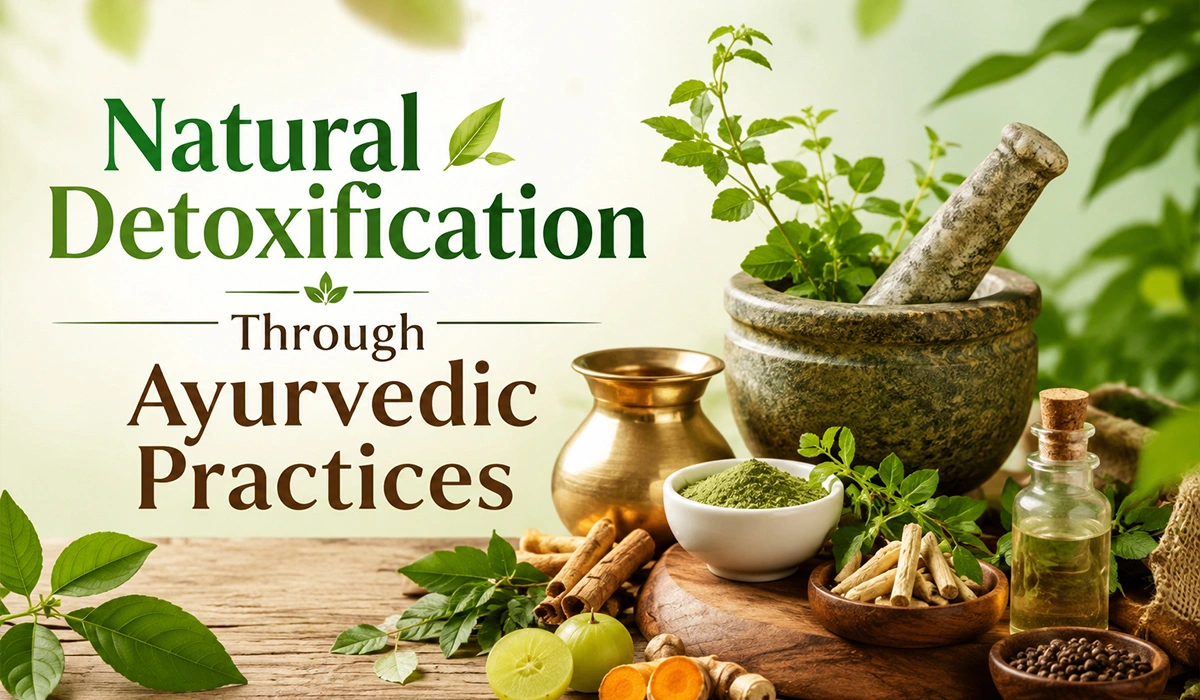
Natural Detoxification Through Ayurvedic Practices

Introduction

Modern life exposes our bodies to constant stress.

Processed foods, pollution, poor sleep, stress, sedentary routines, and unhealthy eating habits gradually affect our health. Many people experience fatigue, bloating, low energy, brain fog, poor digestion, and weakened immunity without understanding the root cause.

This is where detoxification becomes important.

But detox doesn’t always mean expensive juice cleanses or extreme diets.

Ayurveda offers a natural, sustainable, and holistic way to support detoxification.

For thousands of years, Ayurveda has emphasized cleansing the body by improving digestion, removing toxins, and restoring internal balance. In India, Ayurvedic detox practices continue to play a major role in preventive wellness and natural healing.

The core Ayurvedic belief is simple:

A healthy body naturally detoxifies when digestion, metabolism, and lifestyle are in balance.

What is Natural Detoxification in Ayurveda?

Natural detoxification in Ayurveda focuses on removing toxins (Ama) from the body by improving digestion, supporting metabolism, and restoring balance.

In Ayurveda, toxins are called Ama.

Ama forms when food is not properly digested or when metabolism becomes weak.

Common causes include:

  • Poor diet
  • Overeating
  • Stress
  • Lack of exercise
  • Irregular sleep
  • Environmental toxins

When Ama accumulates, it may lead to:

  • Low energy
  • Poor digestion
  • Weight gain
  • Brain fog
  • Reduced immunity

Ayurveda focuses on eliminating Ama naturally.

Why Detoxification Matters

Detoxification helps support digestion, energy, immunity, metabolism, and overall wellness.

Benefits of natural detox include:

  • Better digestion
  • Improved energy
  • Mental clarity
  • Healthy metabolism
  • Improved immunity
  • Better skin health

Regular detox practices can support long-term wellness.

The Ayurvedic View of Body Balance

Ayurveda explains health through three doshas:

  • Vata
  • Pitta
  • Kapha

When doshas become imbalanced, toxins may accumulate.

DoshaFunctionImbalance May Cause
VataMovementAnxiety, dryness
PittaMetabolismInflammation
KaphaStabilitySluggishness

Detox practices aim to restore this balance.

Signs Your Body May Need Detox Support

Certain physical and mental signs may indicate toxin accumulation and poor digestive function.

Common signs include:

  • Constant fatigue
  • Bloating
  • Constipation
  • Poor concentration
  • Skin issues
  • Low immunity
  • Sluggish metabolism

These signs often indicate that your body needs better support.

Ayurvedic Detox Practice 1: Improve Digestion

Strong digestion is central to Ayurveda.

Ayurveda calls digestive fire Agni.

Good Agni means:

  • Better digestion
  • Better metabolism
  • Less toxin buildup

Ways to support digestion:

  • Eat warm foods
  • Avoid overeating
  • Eat on time
  • Avoid heavy late-night meals

Ayurvedic Detox Practice 2: Herbal Support

Ayurvedic herbs help support detoxification naturally by improving digestion, metabolism, and cleansing processes.

Popular detox herbs include:

  • Triphala
  • Turmeric
  • Neem
  • Tulsi
  • Giloy

Benefits:

  • Digestive support
  • Liver support
  • Antioxidant support
  • Immune support

These herbs are widely used in Ayurvedic wellness.

Ayurvedic Detox Practice 3: Hydration

Water supports natural detoxification.

Benefits of hydration:

  • Better digestion
  • Waste elimination
  • Improved energy
  • Better metabolism

Ayurveda often recommends:

  • Warm water
  • Herbal teas
  • Detox drinks

Start your day with warm water for better digestion.

Ayurvedic Detox Practice 4: Daily Movement

Movement improves circulation and metabolism.

Helpful activities:

  • Walking
  • Yoga
  • Stretching
  • Pranayama

Benefits:

  • Better energy
  • Better metabolism
  • Reduced stress
  • Improved circulation

Even 20–30 minutes daily helps.

Ayurvedic Detox Practice 5: Better Sleep

Sleep allows the body to recover and repair.

Poor sleep contributes to toxin buildup.

Tips for better sleep:

  • Sleep on time
  • Avoid screens before bed
  • Eat light dinners
  • Practice relaxation

Good sleep supports detox naturally.

Panchakarma: Ayurvedic Deep Detox

Panchakarma is a traditional Ayurvedic detox therapy designed to deeply cleanse the body.

It includes specialized therapies that help remove toxins.

Benefits may include:

  • Deep cleansing
  • Better digestion
  • Improved energy
  • Mental clarity

Panchakarma should be performed under expert supervision.

Ayurvedic Detox vs Modern Detox Diets

FeatureAyurvedic DetoxModern Detox Diet
ApproachHolisticOften restrictive
FocusRoot causeShort-term
MethodLifestyle + herbsDiet-heavy
GoalBalanceQuick cleansing

Ayurveda focuses on sustainable wellness rather than quick fixes.

Why Choose Nukind Healthcare

Nukind Healthcare focuses on wellness solutions that support healthier lifestyles through science-backed healthcare and natural wellness products.

Why choose Nukind:

  • Quality-focused formulations
  • Trusted healthcare standards
  • Wellness innovation
  • Premium ingredients
  • Consumer-first approach

We believe wellness begins with prevention and daily care.

Practical Daily Detox Routine

Morning:

  • Warm water
  • Light stretching
  • Healthy breakfast

Day:

  • Balanced meals
  • Hydration
  • Movement

Night:

  • Light dinner
  • Relaxation
  • Proper sleep

Small daily habits create lasting health benefits.

Natural Detoxification Through Ayurvedic Practices Frequently Asked Questions

What is detox in Ayurveda?

Detox in Ayurveda means removing toxins (Ama) by improving digestion, metabolism, and lifestyle balance.

Is Ayurvedic detox safe?

Yes, basic Ayurvedic detox practices are generally safe when followed properly.

Which herb is best for detox?

Triphala, Neem, Tulsi, and Turmeric are commonly used.

How often should you detox?

Daily healthy habits support natural detoxification continuously.

Can Ayurveda improve digestion?

Yes. Ayurveda strongly focuses on digestive health as the foundation of wellness.

Conclusion

Your body already has powerful detox systems.

The goal of Ayurveda is to support them naturally.

Natural detoxification through Ayurvedic practices focuses on improving digestion, supporting metabolism, restoring balance, and building long-term wellness.

Detox is not about extremes.

It is about daily habits that support better health.

Small steps today can create a healthier tomorrow.

The Science Behind Ayurvedic Wellness Solutions

Introduction

More than 5,000 years ago, India developed one of the world’s oldest healing systems—Ayurveda.

Even today, Ayurveda remains highly relevant.

Why?

Because modern life is creating modern health challenges: stress, poor digestion, weak immunity, fatigue, sleep disorders, and lifestyle-related illnesses. Many people are now returning to natural wellness systems for long-term health support.

From homes in Varanasi to wellness centers across the world, Ayurvedic solutions are becoming increasingly popular.

But an important question remains:

Is Ayurveda backed by science?

The answer is increasingly yes.

Modern research is now validating what Ayurveda has taught for centuries—that wellness depends on balance, prevention, and supporting the body naturally.

What is Ayurveda?

Ayurveda is an ancient Indian healthcare system focused on balancing mind, body, and lifestyle to promote long-term wellness and prevent disease.

The word Ayurveda comes from:

  • Ayu = Life
  • Veda = Knowledge

Together, it means “Science of Life.”

Ayurveda focuses on:

  • Prevention
  • Natural healing
  • Lifestyle balance
  • Holistic wellness

Unlike modern medicine, which often focuses on symptoms, Ayurveda focuses on root causes.

The Core Science of Ayurveda

Ayurveda believes health depends on balance between body energies, digestion, mental wellness, and lifestyle.

The foundation of Ayurveda is built on three doshas:

  • Vata
  • Pitta
  • Kapha

These biological energies influence physical and mental health.

DoshaControlsImbalance May Cause
VataMovementAnxiety, dryness
PittaMetabolismInflammation, irritability
KaphaStructureWeight gain, sluggishness

Modern science increasingly relates this to metabolism, genetics, gut health, and hormonal balance.

Why Ayurvedic Wellness Solutions Are Growing

Ayurvedic wellness solutions are gaining popularity because people want natural, preventive, and sustainable healthcare options.

Key reasons include:

  • Rising stress levels
  • Lifestyle disorders
  • Growing health awareness
  • Preventive healthcare trends
  • Preference for plant-based wellness

The global wellness market continues to show increasing demand for Ayurvedic and herbal products.

The Science Behind Ayurvedic Herbs

Ayurveda uses herbs with bioactive compounds that support wellness.

Common Ayurvedic herbs include:

  • Ashwagandha
  • Turmeric
  • Brahmi
  • Amla
  • Giloy
  • Tulsi

These herbs contain compounds studied for:

  • Antioxidant support
  • Anti-inflammatory effects
  • Immune support
  • Stress reduction

Ayurvedic Solutions for Immunity

Ayurvedic wellness solutions support immunity by improving the body’s natural defense mechanisms.

Popular immunity-support herbs:

  • Giloy
  • Tulsi
  • Amla
  • Turmeric

Benefits:

  • Better immune resilience
  • Seasonal protection
  • Wellness support

Modern studies highlight antioxidant and immune-modulating properties in these herbs.

Ayurvedic Solutions for Stress Management

Stress has become a global wellness challenge.

Ayurvedic adaptogens help the body respond better to stress.

Top herbs include:

  • Ashwagandha
  • Brahmi
  • Jatamansi

Benefits:

  • Better stress management
  • Improved relaxation
  • Emotional balance

Scientific studies increasingly support adaptogenic herbs for stress reduction.

Ayurvedic Solutions for Digestion

Ayurveda places major emphasis on digestion.

It believes poor digestion leads to imbalance and illness.

Digestive herbs include:

  • Triphala
  • Ginger
  • Fennel
  • Jeera

Benefits:

  • Better digestion
  • Reduced bloating
  • Improved metabolism

Modern research also links gut health to immunity and mental health.

Ayurvedic Solutions for Better Sleep

Good sleep supports overall health.

Ayurvedic wellness promotes natural sleep balance.

Helpful herbs:

  • Ashwagandha
  • Brahmi
  • Tagar

Benefits:

  • Better sleep quality
  • Relaxation support
  • Improved recovery

Ayurveda and Modern Science

Modern science is increasingly validating many Ayurvedic principles through clinical research and nutraceutical innovation.

Areas of scientific overlap include:

  • Gut health
  • Stress biology
  • Chronic inflammation
  • Preventive care
  • Nutritional wellness

This has led to increased interest in evidence-based Ayurvedic wellness products.

Ayurvedic Solutions vs Modern Wellness Supplements

FeatureAyurvedic SolutionsModern Supplements
SourceNatural herbsSynthetic/Natural
ApproachHolisticTargeted
GoalBalance & preventionSpecific outcomes
Popular UseLong-term wellnessQuick support

Both approaches can complement wellness goals.

Why Choose Nukind Healthcare

Nukind Healthcare focuses on science-backed wellness solutions that combine traditional wisdom with modern quality standards.

Why choose Nukind:

  • Premium ingredients
  • Quality assurance
  • Advanced manufacturing
  • Trusted wellness solutions
  • Healthcare innovation

Our focus is to create effective wellness products for modern lifestyles.

Real-World Example

A working professional in Varanasi dealing with stress, fatigue, and poor sleep may benefit from combining:

  • Better sleep habits
  • Healthy diet
  • Exercise
  • Ayurvedic wellness support

Small consistent changes often create significant long-term improvements.

The Science Behind Ayurvedic Wellness Solutions Frequently Asked Questions

Is Ayurveda scientifically proven?

Many Ayurvedic herbs and wellness practices are now supported by modern scientific research.

Is Ayurveda safe for daily wellness?

When used properly and from trusted brands, Ayurvedic wellness products can support daily health.

Which Ayurvedic herb is best for immunity?

Tulsi, Giloy, Turmeric, and Amla are commonly used.

Can Ayurveda help with stress?

Yes. Herbs like Ashwagandha and Brahmi are widely used for stress support.

Is Ayurveda popular in India?

Yes. Ayurveda remains one of India’s most trusted wellness systems.

Conclusion

Ayurveda teaches a powerful truth:

Wellness is not built in a day—it is built daily.

The science behind Ayurvedic wellness solutions lies in balance, prevention, and supporting the body naturally. As modern science continues to validate traditional wisdom, Ayurveda is becoming a trusted part of global wellness.

The future of healthcare is not just treatment.

It is prevention, balance, and sustainable wellness.

And Ayurveda continues to lead that journey.

Why Herbal Healthcare Is Making a Global Comeback

Introduction

A few years ago, many people viewed herbal healthcare as old-fashioned.

It was often associated with traditional remedies passed down by grandparents—turmeric milk for immunity, tulsi for cough, neem for skin care, and ashwagandha for stress.

But today, something remarkable is happening.

Herbal healthcare is making a strong comeback—not just in India, but globally.

From busy professionals in Varanasi to wellness-conscious consumers in the United States, Europe, and Asia, people are increasingly turning toward plant-based healthcare solutions.

Why?

Because modern lifestyles are creating new health challenges:

  • Stress
  • Poor sleep
  • Digestive issues
  • Low immunity
  • Chronic fatigue
  • Lifestyle disorders

People are now asking a different question.

Instead of “How do I treat illness?” they ask:
“How do I stay healthy naturally?”

That shift is driving the rise of herbal healthcare.

What Is Herbal Healthcare?

Herbal healthcare refers to wellness and healthcare practices that use plant-based ingredients to support physical, mental, and overall health.

These may include:

  • Herbal supplements
  • Herbal medicines
  • Nutraceuticals
  • Herbal teas
  • Functional foods
  • Wellness formulations

Popular herbs include:

  • Ashwagandha
  • Turmeric
  • Tulsi
  • Amla
  • Giloy
  • Neem
  • Brahmi

These herbs have been used for centuries in systems like Ayurveda and traditional medicine.

Why Is Herbal Healthcare Making a Global Comeback?

Herbal healthcare is returning because consumers want natural, preventive, safer, and holistic wellness solutions.

The biggest reasons include:

  • Rising healthcare awareness
  • Preventive health focus
  • Growing trust in natural ingredients
  • Increased stress and lifestyle disorders
  • Stronger scientific research

The world is moving from reactive healthcare to proactive wellness.

The Shift Toward Preventive Healthcare

Modern healthcare is evolving.

People no longer want to wait until disease develops.

They want to prevent problems early.

Preventive healthcare focuses on:

  • Daily wellness
  • Immunity
  • Better sleep
  • Stress management
  • Improved digestion
  • Long-term vitality

Herbal healthcare aligns perfectly with this trend.

Growing Trust in Natural Ingredients

Consumers today read labels carefully.

They want cleaner products.

They prefer:

  • Plant-based ingredients
  • Fewer chemicals
  • Natural wellness solutions

This growing demand is driving the herbal industry.

People feel more confident using ingredients they recognize and understand.

Modern Lifestyle Problems Need Better Solutions

Stress-related health problems are increasing worldwide.

Common issues include:

  • Anxiety
  • Burnout
  • Sleep problems
  • Poor digestion
  • Energy crashes

Herbal ingredients like ashwagandha, brahmi, and tulsi help support modern wellness needs.

This makes herbal healthcare highly relevant today.

Science Is Supporting Traditional Knowledge

This is one of the biggest reasons for the comeback.

Traditional herbal wisdom is now being supported by modern research.

Studies continue to explore the health benefits of herbs for:

  • Immunity
  • Stress reduction
  • Joint care
  • Heart wellness
  • Cognitive health

Consumers trust herbal healthcare more when science supports traditional use.

Herbal Healthcare vs Conventional Healthcare

FeatureHerbal HealthcareConventional Healthcare
FocusPrevention + WellnessDiagnosis + Treatment
ApproachHolisticCondition-specific
SourceNaturalSynthetic / Pharmaceutical
GoalLong-term balanceImmediate treatment

Both systems are valuable.

The future of healthcare may combine both.

Popular Herbal Healthcare Categories

The global herbal market is expanding across many categories.

Major categories include:

Immunity Support

  • Giloy
  • Amla
  • Turmeric

Stress Management

  • Ashwagandha
  • Brahmi

Digestive Wellness

  • Triphala
  • Ginger

Skin Health

  • Neem
  • Aloe Vera

Bone & Joint Care

  • Turmeric
  • Boswellia

India’s Role in Herbal Healthcare Growth

India has always been a major hub for herbal healthcare.

Why India leads:

  • Ayurveda heritage
  • Rich herbal resources
  • Strong nutraceutical industry
  • Growing global exports
  • Rising healthcare innovation

India continues to shape the future of herbal wellness.

Companies like Nukind Healthcare are contributing to this shift through quality wellness solutions.

Why Consumers Prefer Herbal Supplements Today

Consumers increasingly choose herbal supplements because they support:

  • Daily wellness
  • Long-term health
  • Better lifestyle balance
  • Preventive care

Top reasons include:

  • Convenience
  • Better awareness
  • Growing health consciousness
  • Easy integration into daily routine

Challenges in Herbal Healthcare

Despite growth, challenges remain.

These include:

  • Product quality variations
  • Lack of awareness
  • Fake products
  • Inconsistent standards

Consumers should always choose trusted brands with quality assurance.

Look for:

  • Transparency
  • Certifications
  • Ingredient quality
  • Brand reputation

Why Quality Matters in Herbal Healthcare

Not all herbal products are equal.

Quality depends on:

  • Ingredient sourcing
  • Manufacturing process
  • Testing standards
  • Product consistency

Choosing trusted manufacturers is critical.

This ensures better safety, reliability, and effectiveness.

Why Choose Nukind Healthcare?

Nukind Healthcare focuses on modern wellness solutions built on trust, innovation, and quality.

Why choose Nukind:

  • Premium herbal ingredients
  • Quality-driven manufacturing
  • Science-backed formulations
  • Consumer-focused products
  • Trusted healthcare expertise

We believe the future of healthcare is preventive, personalized, and wellness-driven.

Why Herbal Healthcare Is Making a Global Comeback Frequently Asked Questions

Is herbal healthcare safe?

Most herbal products are safe when sourced from trusted manufacturers and used properly.

Why are herbal supplements popular?

They support wellness naturally and align with preventive healthcare goals.

Is herbal healthcare better than conventional healthcare?

Both serve different purposes and often work best together.

Why is herbal healthcare growing in India?

India’s Ayurvedic heritage, herbal resources, and wellness market drive this growth.

Are herbal products good for daily wellness?

Many herbal supplements are designed specifically for daily wellness support.

Conclusion

Herbal healthcare is not just making a comeback.

It is reshaping the future of wellness.

The world is moving toward smarter, more preventive healthcare—where staying healthy matters as much as treating illness.

That is why herbal healthcare continues to grow.

It offers something modern consumers truly value:
Natural support for long-term wellness.

As awareness grows, herbal healthcare will continue to play an important role in building healthier lives worldwide.

The future of wellness may be modern.

But its roots are deeply natural.

Understanding the Role of Herbs in Natural Healthcare

Introduction

For generations, herbs have been an important part of daily wellness routines across the world. In India, especially in culturally rich cities like Varanasi, herbal remedies remain deeply connected to traditional healthcare practices. Long before modern medicine became widely accessible, households relied on herbs like Tulsi, Ashwagandha, Turmeric, Neem, and Aloe Vera for maintaining health and wellness.

Today, natural healthcare is seeing renewed interest. People are becoming more conscious about preventive wellness, immunity support, digestion, stress management, and holistic living. As a result, herbal healthcare products are gaining popularity among people seeking balanced wellness solutions.

But what exactly is the role of herbs in natural healthcare? Why do they matter so much in modern wellness?

The answer lies in one simple truth: herbs support the body naturally by promoting balance, improving resilience, and supporting long-term wellness.

What Is Natural Healthcare?

Natural healthcare refers to wellness practices that use natural ingredients, lifestyle changes, and preventive approaches to support overall health.

Natural healthcare focuses on helping the body function at its best through nutrition, herbal support, exercise, sleep, and stress management.

It includes:

  • Herbal remedies
  • Nutritional supplements
  • Ayurveda
  • Yoga
  • Dietary management
  • Preventive healthcare

Unlike approaches that only address symptoms, natural healthcare emphasizes long-term wellness.

What Are Herbs in Healthcare?

Quick Answer:

Herbs are plant-based ingredients used to support health, wellness, and bodily functions naturally.

Herbs may come from:

  • Leaves
  • Roots
  • Seeds
  • Flowers
  • Bark
  • Fruits

Examples include:

  • Tulsi
  • Ashwagandha
  • Aloe Vera
  • Turmeric
  • Mulethi
  • Amla
  • Neem

These herbs contain bioactive compounds that may support immunity, digestion, energy, metabolism, and overall health.

Why Are Herbs Important in Natural Healthcare?

Herbs help support the body’s natural functions and promote preventive wellness.

Modern lifestyles often include:

  • Stress
  • Poor sleep
  • Unhealthy eating
  • Pollution exposure
  • Low physical activity

These factors impact health over time.

Herbs help by supporting:

  • Immunity
  • Digestion
  • Energy
  • Mental wellness
  • Recovery
  • Skin & hair health

This makes herbs highly valuable in natural healthcare systems.

Key Benefits of Herbs in Natural Healthcare

BenefitRole
Immunity SupportHelps strengthen body defenses
Digestive WellnessSupports better digestion
Energy SupportHelps reduce fatigue
Stress ManagementPromotes calm and balance
Skin WellnessSupports healthy skin
Hair CareHelps scalp and hair health
Recovery SupportSupports healing and rejuvenation

Herbal wellness works best when combined with a healthy lifestyle.

Herbs for Immunity Support

Many herbs help support immune function naturally.

Popular herbs for immunity:

  • Tulsi
  • Amla
  • Giloy
  • Turmeric
  • Ashwagandha

These herbs are widely used in India for daily immunity support.

Example:
Amla is known as a rich source of Vitamin C and antioxidants. It supports overall wellness and immune health.

Practical Tip:
Including herbal supplements, herbal syrups, or daily wellness products can help support immunity.

Herbs for Digestive Wellness

Herbs can help improve digestion and support gut health naturally.

Digestive herbs include:

  • Isabgol
  • Saunf
  • Mulethi
  • Harad
  • Senna

These herbs help with:

  • Bloating
  • Acidity
  • Constipation
  • Gas
  • Digestive discomfort

Good digestion is essential because it impacts overall wellness.

Example:
Herbal digestive products are commonly used for daily gut care and bowel regulation.

Herbs for Energy and Stamina

Certain herbs support energy production, vitality, and physical stamina.

Common herbs include:

  • Ashwagandha
  • Shilajit
  • Safed Musli
  • Ginseng

Benefits may include:

  • Improved stamina
  • Reduced fatigue
  • Better endurance
  • Strength support

This is especially useful for active individuals, professionals, and people recovering from weakness.

Herbs for Stress and Mental Wellness

Adaptogenic herbs help the body handle stress better.

Popular herbs:

  • Ashwagandha
  • Brahmi
  • Jatamansi

Potential benefits:

  • Calmness
  • Better focus
  • Mental clarity
  • Stress support

With increasing mental stress in modern life, herbal wellness is becoming increasingly relevant.

Herbs for Skin and Hair Wellness

Herbal ingredients support healthy skin and hair naturally.

Common skin herbs:

  • Aloe Vera
  • Neem
  • Saffron
  • Sandalwood

Common hair herbs:

  • Amla
  • Reetha
  • Bhringraj
  • Shikakai

Benefits include:

  • Skin hydration
  • Oil control
  • Hair nourishment
  • Scalp care
  • Improved texture

This is why herbal skincare and personal care products continue to grow in demand.

Ayurveda and Herbal Healthcare in India

Ayurveda is India’s traditional healthcare system that uses herbs for holistic wellness.

Ayurveda focuses on balance between:

  • Body
  • Mind
  • Lifestyle

Cities like Varanasi have long-standing connections with Ayurvedic practices and herbal wellness traditions.

Ayurveda emphasizes:

  • Prevention
  • Natural healing
  • Long-term wellness

This philosophy aligns perfectly with today’s preventive healthcare movement.

Herbal Healthcare vs Synthetic Healthcare

FeatureHerbal HealthcareSynthetic Healthcare
SourceNaturalChemical-based
FocusWellness supportSymptom management
UsageLong-term wellnessCondition-specific
ApproachHolisticTargeted

Both have important roles. The best approach depends on health needs and professional guidance.

Why Consumers Are Choosing Herbal Wellness Products

Consumers increasingly prefer products with natural ingredients and wellness-focused benefits.

Key reasons:

  • Growing wellness awareness
  • Preference for natural ingredients
  • Focus on preventive care
  • Rising demand for holistic wellness

Market trends show strong growth in:

  • Herbal supplements
  • Herbal syrups
  • Nutraceuticals
  • Ayurvedic wellness products

How to Choose Quality Herbal Products

Choose trusted brands with quality-focused manufacturing and transparent ingredient sourcing.

Look for:
✔ Quality assurance
✔ Ingredient transparency
✔ Scientific formulation
✔ Trusted brand reputation
✔ Safety standards

Avoid products with unclear labeling or questionable claims.

Why Herbal Healthcare Matters for the Future

Natural healthcare is no longer just a traditional practice. It is becoming a global wellness movement.

As healthcare shifts toward prevention, herbs will continue playing an important role in:

  • Wellness
  • Nutrition
  • Recovery
  • Lifestyle support

Herbal healthcare combines ancient wisdom with modern wellness needs.

That makes it highly relevant for the future.

Understanding the Role of Herbs in Natural Healthcare Frequently Asked Questions

1. What is the role of herbs in natural healthcare?

Herbs support overall wellness by helping improve immunity, digestion, energy, recovery, and long-term health naturally.

2. Why are herbs important in healthcare?

Herbs help support preventive healthcare and promote holistic wellness.

3. Which herbs are best for immunity?

Tulsi, Amla, Giloy, and Turmeric are commonly used for immunity support.

4. Which herbs support digestion?

Isabgol, Saunf, Mulethi, Senna, and Harad support digestive wellness.

5. Are herbal healthcare products safe?

Quality herbal products from trusted brands are generally designed for wellness support when used as directed.

6. Why is herbal wellness growing in India?

Growing awareness around natural wellness, Ayurveda, and preventive care is driving demand.

7. Is Ayurveda part of natural healthcare?

Yes, Ayurveda is one of India’s oldest natural healthcare systems.

8. Can herbs support daily wellness?

Yes, herbs are widely used for daily wellness, energy, immunity, and overall balance.

Conclusion

Herbs have been supporting human wellness for centuries, and their relevance continues to grow in modern healthcare. From immunity and digestion to energy, skin, and overall wellness, herbal solutions provide a natural path toward better health.

The future of healthcare is not only about treatment—it is also about prevention, balance, and sustainable wellness.

And herbs will continue to play a major role in that journey.

Ayurveda and Immunity: A Holistic Approach to Health

Introduction

Every morning begins with a choice.

A warm glass of water. A mindful breath. A healthy meal. Or rushing through the day feeling stressed, tired, and exhausted.

In today’s fast-moving world, immunity has become more important than ever. People are becoming increasingly aware that true health is not only about treating illness but preventing it before it starts.

This is where Ayurveda offers timeless wisdom.

For thousands of years, Ayurveda has guided people toward better health through natural healing, balanced living, and preventive wellness. Unlike modern approaches that often focus only on symptoms, Ayurveda looks at the body, mind, and lifestyle as a complete system.

From homes in Varanasi to wellness centers across India and the world, Ayurvedic practices continue to help people strengthen immunity naturally.

What is Ayurveda?

Ayurveda is an ancient Indian system of natural healing focused on balancing body, mind, and spirit for overall health and wellness.

The word Ayurveda comes from:

  • Ayur = Life
  • Veda = Knowledge

Together, Ayurveda means the science of life.

Its goal is simple:
Maintain health, prevent disease, and promote longevity.

Ayurveda emphasizes:

  • Balanced diet
  • Healthy lifestyle
  • Herbal remedies
  • Detoxification
  • Mental wellness

What is Immunity in Ayurveda?

In Ayurveda, immunity is known as Ojas, the vital energy responsible for strength, vitality, and disease resistance.

Strong Ojas supports:

  • Better immunity
  • Mental clarity
  • Energy levels
  • Emotional balance
  • Longevity

Weak Ojas may lead to:

  • Fatigue
  • Frequent illness
  • Poor digestion
  • Low energy
  • Stress

Why Ayurveda is Important for Immunity

Ayurveda strengthens immunity by improving digestion, reducing stress, balancing lifestyle, and supporting overall wellness.

Ayurveda focuses on the root causes of poor immunity such as:

  • Poor digestion
  • Stress
  • Lack of sleep
  • Poor nutrition
  • Toxic lifestyle habits

Instead of quick fixes, Ayurveda builds long-term resilience.

1. Core Principles of Ayurvedic Immunity

According to Ayurveda, digestion is the foundation of health.

A healthy digestive fire (Agni) helps:

  • Better nutrient absorption
  • Improved metabolism
  • Stronger immunity

Poor digestion creates toxins (Ama), weakening immunity.

Practical Tip

Eat fresh, warm, easy-to-digest foods.

2. Balanced Doshas

Ayurveda recognizes three body energies:

  • Vata
  • Pitta
  • Kapha

Balanced doshas support health.

Imbalance may affect immunity and wellness.

3. Proper Sleep

Sleep is essential for recovery.

Poor sleep may weaken:

  • Immunity
  • Energy
  • Mental focus

Ayurveda promotes natural sleep routines.

4. Stress Management

Stress affects the immune system.

Ayurvedic wellness supports stress management through:

  • Meditation
  • Yoga
  • Pranayama
  • Herbal support

Best Ayurvedic Herbs for Immunity

Known for stress management and energy support.

Benefits:

  • Stress reduction
  • Better stamina
  • Improved resilience

Giloy

Widely used for immunity support.

Benefits:

  • Supports immune health
  • Helps body defense
  • Promotes wellness

Tulsi

Known as Holy Basil.

Benefits:

  • Respiratory support
  • Immune wellness
  • Stress relief

Turmeric

Powerful Ayurvedic ingredient.

Benefits:

  • Antioxidant support
  • Wellness support
  • Joint support

Amla

Rich in Vitamin C and antioxidants.

Benefits:

  • Immune support
  • Better vitality
  • Wellness enhancement

Best Ayurvedic Practices for Daily Immunity

Daily wellness habits include:

  • Warm water in morning
  • Herbal tea
  • Yoga
  • Pranayama
  • Meditation
  • Balanced meals
  • Good sleep

Small daily habits create long-term health.

Ayurveda vs Modern Immunity Approach

FeatureAyurvedaModern Approach
FocusPreventionTreatment
WellnessHolisticCondition-based
ToolsHerbs + LifestyleMedicines
GoalLong-term balanceSymptom management

Both approaches can complement each other.

Foods That Support Immunity in Ayurveda

Ayurveda recommends:

  • Fresh fruits
  • Vegetables
  • Nuts
  • Seeds
  • Herbal drinks
  • Warm meals
  • Seasonal foods

Avoid:

  • Excess junk food
  • Processed food
  • Cold foods
  • Excess sugar

Who Should Follow Ayurvedic Immunity Practices?

Ayurvedic wellness benefits:

  • Working professionals
  • Students
  • Senior citizens
  • Children
  • Fitness enthusiasts

It is suitable for people seeking natural wellness support.

Why Choose Nukind Healthcare?

Nukind Healthcare focuses on preventive healthcare and wellness innovation.

Why choose Nukind:

  • Quality wellness products
  • Trusted formulations
  • Healthcare innovation
  • Consumer-focused solutions
  • Reliable quality standards

Our mission is to promote better health through trusted healthcare solutions.

Ayurveda and Immunity Frequently Asked Questions

How does Ayurveda improve immunity?

Ayurveda improves immunity through better digestion, balanced lifestyle, herbal support, stress management, and improved wellness habits.

Which Ayurvedic herb is best for immunity?

Popular herbs include Ashwagandha, Giloy, Tulsi, Turmeric, and Amla.

Is Ayurveda safe for daily wellness?

Ayurvedic wellness practices are widely used for daily health support when followed properly.

Can Ayurveda prevent diseases?

Ayurveda focuses strongly on prevention and long-term health maintenance.

Is Ayurveda good for stress?

Yes. Ayurveda supports stress management through herbs, lifestyle, yoga, and meditation

Conclusion

Good immunity is not built overnight.

It is built through daily habits, balanced nutrition, proper sleep, stress management, and mindful living.

Ayurveda teaches us that true wellness begins when the body, mind, and lifestyle work together in harmony.

The connection between Ayurveda and immunity is simple yet powerful: better balance leads to better health.

Small changes today can create stronger immunity tomorrow.

Well Being Products

Add to cart
Home

Get in Touch

Footer

Get in Touch

May I help you?