Cancer Cases May Rise to 35 Million Annually by 2050: WHO Report Explained

Imagine visiting a hospital where every oncology ward is full, waiting rooms are overflowing, and doctors are struggling to keep up with new cancer diagnoses every day. While this may sound like a scene from the distant future, global health experts warn it could become reality if current trends continue.

The World Health Organization (WHO), through the International Agency for Research on Cancer (IARC), has projected that the world could witness more than 35 million new cancer cases every year by 2050. That represents a staggering increase from approximately 20 million new cancer cases reported in 2022, highlighting one of the most significant public health challenges of the coming decades.

For countries like India, where rapid urbanization, an aging population, lifestyle changes, and environmental factors are reshaping healthcare needs, this prediction is particularly important. Cancer is no longer considered a disease affecting only older adults or developed nations. It is increasingly impacting younger populations and low- and middle-income countries.

Understanding why cancer cases are expected to rise—and more importantly, what individuals, healthcare providers, and governments can do about it—is essential.

Why does WHO predict cancer cases will reach 35 million annually by 2050?

According to the WHO’s International Agency for Research on Cancer (IARC), global cancer cases are expected to rise primarily because of population growth, increased life expectancy, aging populations, tobacco use, obesity, unhealthy diets, alcohol consumption, environmental pollution, physical inactivity, and unequal access to cancer prevention and early diagnosis.

What Does the WHO Report Actually Say?

The WHO’s International Agency for Research on Cancer analyzed cancer incidence across nearly every country and found that cancer cases are increasing at an unprecedented rate.

Key Findings

StatisticValue
New cancer cases (2022)Around 20 million
Projected annual cases (2050)More than 35 million
Expected increaseApproximately 77%
Global cancer deaths (2022)Nearly 10 million
Countries most affectedLow- and middle-income nations

The report emphasizes that while medical technology continues to improve, the number of people developing cancer is increasing faster than healthcare systems can expand.

Why Are Cancer Cases Increasing Worldwide?

Cancer is not caused by a single factor. Instead, it develops through a combination of biological, environmental, and lifestyle influences.

Several global trends are contributing to this projected increase.

1. Aging Population

Cancer risk increases with age because genetic mutations accumulate over time.

Today, people are living longer than ever before. As life expectancy rises, more individuals reach ages where cancer becomes more common.

2. Population Growth

The world’s population continues to grow rapidly.

Even if cancer rates remained unchanged, simply having more people would naturally result in more cancer diagnoses each year.

3. Tobacco Use

Smoking remains one of the leading preventable causes of cancer.

Tobacco is strongly associated with cancers of the:

  • Lung
  • Mouth
  • Throat
  • Esophagus
  • Bladder
  • Pancreas
  • Kidney

Millions of preventable cancer cases continue to occur due to smoking and smokeless tobacco use.

4. Obesity

Being overweight increases the risk of multiple cancers.

Research has linked obesity to cancers affecting:

  • Breast
  • Colon
  • Endometrium
  • Liver
  • Kidney
  • Pancreas

Modern sedentary lifestyles and processed foods are major contributors.

5. Poor Diet

A diet high in processed foods, sugary beverages, excessive salt, and unhealthy fats while lacking fruits, vegetables, and fiber may increase cancer risk over time.

Healthy eating patterns remain one of the simplest preventive strategies.

6. Alcohol Consumption

Alcohol has been linked with increased risks of several cancers, including those affecting the liver, breast, mouth, throat, and digestive system.

Even moderate drinking contributes to overall cancer risk.

7. Physical Inactivity

Modern lifestyles involve long hours sitting at desks, commuting, and reduced physical activity.

Regular exercise helps maintain healthy body weight and may lower the risk of several cancers.

8. Environmental Pollution

Air pollution, industrial chemicals, workplace exposures, and certain environmental toxins continue to contribute to cancer risk globally.

Rapid industrialization in many developing countries has increased exposure to these risk factors.

Why Is India Facing a Growing Cancer Burden?

India is experiencing one of the fastest increases in cancer cases worldwide.

Several factors contribute to this trend:

  • Larger aging population
  • Increased life expectancy
  • Urban lifestyles
  • Tobacco consumption
  • Air pollution
  • Dietary changes
  • Rising obesity
  • Better cancer detection

Healthcare experts expect India’s cancer burden to continue growing over the next two decades, making prevention and early detection more important than ever.

Most Common Types of Cancer in India

While cancer patterns differ globally, several cancers remain particularly common in India.

MenWomen
Oral CancerBreast Cancer
Lung CancerCervical Cancer
Esophageal CancerOvarian Cancer
Stomach CancerColorectal Cancer
Liver CancerThyroid Cancer

Many of these cancers are preventable or more treatable when detected early.

How Lifestyle Is Changing Cancer Risk

The shift from traditional lifestyles to more urban living has introduced several health challenges.

Common modern habits include:

  • Processed foods
  • Low physical activity
  • Increased screen time
  • Chronic stress
  • Poor sleep
  • Tobacco use
  • Alcohol consumption

While none of these guarantee cancer, together they increase long-term risk.

Public health experts emphasize that healthier daily habits can significantly reduce future disease burden.

Can Cancer Be Prevented?

Not every cancer can be prevented. Genetics, aging, and random cellular mutations also play important roles.

However, experts estimate that 30–50% of cancer cases may be preventable through healthier lifestyles and public health measures.

Practical prevention strategies include:

  • Avoid tobacco in all forms.
  • Limit alcohol consumption.
  • Maintain a healthy body weight.
  • Stay physically active.
  • Eat a balanced diet rich in fruits and vegetables.
  • Protect your skin from excessive sun exposure.
  • Get recommended vaccinations, such as HPV and Hepatitis B.
  • Participate in regular cancer screening programs.
  • Seek medical advice for persistent symptoms.

Prevention remains one of the most effective and cost-efficient approaches to reducing the future cancer burden.
WHO Warns Global Cancer Cases Could Reach 35 Million by 2050: What It Means for Public Health

Introduction

Imagine walking into a hospital in 2050 where cancer clinics are overflowing with patients waiting for diagnosis and treatment. Doctors are working around the clock, healthcare systems are stretched beyond capacity, and families are struggling with emotional and financial burdens.

This scenario may become reality if the world fails to strengthen cancer prevention and early detection.

According to the World Health Organization (WHO) and the International Agency for Research on Cancer (IARC), global cancer cases are projected to increase to more than 35 million new cases annually by 2050, representing a dramatic rise from current levels. The increase is driven by population growth, aging, lifestyle changes, environmental risk factors, and unequal healthcare access.

For countries like India, where cancer incidence continues to rise alongside rapid urbanization and changing lifestyles, this warning highlights an urgent need for stronger public health policies, preventive healthcare, early screening, and improved awareness.

This article explores what the WHO projection means, why cancer cases are increasing, how it could affect India and the world, and what individuals, healthcare providers, and governments can do to reduce the future burden.

What does WHO’s warning about 35 million global cancer cases by 2050 mean?

The WHO estimates that new cancer cases worldwide could rise to over 35 million annually by 2050. This increase reflects aging populations, population growth, tobacco use, obesity, unhealthy diets, pollution, alcohol consumption, infections, and healthcare inequalities. Strengthening prevention, early diagnosis, and treatment can significantly reduce the impact.

Understanding WHO’s Cancer Projection

Cancer is already one of the world’s leading causes of death.

According to WHO and IARC, cancer affects millions of families every year, placing enormous pressure on healthcare systems.

The projected increase does not necessarily mean cancer is becoming more aggressive. Instead, several factors are contributing simultaneously:

  • More people are living longer.
  • Global populations continue growing.
  • Lifestyle-related risk factors are increasing.
  • Many cancers remain preventable.
  • Early diagnosis remains limited in many countries.

Why Could Global Cancer Cases Reach 35 Million?

Several demographic and lifestyle changes are driving the projected increase in cancer cases worldwide.

Major Contributors

Risk FactorImpact
Aging populationHigher lifetime cancer risk
Population growthMore total cases
Tobacco useLeading preventable cause
Alcohol consumptionIncreased cancer risk
ObesityLinked with multiple cancers
Physical inactivityHigher chronic disease risk
Environmental pollutionIncreased exposure to carcinogens
Viral infectionsHPV, Hepatitis B & C increase cancer risk

Cancer Statistics at a Glance

MetricCurrentProjected 2050
Annual new cancer cases~20 million>35 million
IncreaseAbout 77%
Highest growthLow- and middle-income countries
Major burdenHealthcare systems and economies

Why India Should Pay Close Attention

India is witnessing a steady increase in:

  • Breast cancer
  • Oral cancer
  • Cervical cancer
  • Lung cancer
  • Colorectal cancer
  • Liver cancer

Factors affecting India

  • Large aging population
  • Tobacco chewing
  • Smoking
  • Air pollution
  • Urban lifestyle
  • Rising obesity
  • Diabetes
  • Delayed diagnosis
  • Limited screening in rural areas

Without stronger preventive healthcare, India’s cancer burden is expected to grow substantially over the coming decades.

The Most Common Types of Cancer Worldwide

Breast Cancer

Most common among women worldwide.

Lung Cancer

Leading cause of cancer-related deaths globally.

Colorectal Cancer

Increasing due to dietary and lifestyle changes.

Prostate Cancer

Common among aging men.

Stomach Cancer

Associated with infections and dietary habits.

Liver Cancer

Often linked with hepatitis infections.

Cervical Cancer

Highly preventable through HPV vaccination and screening.

Risk Factors You Can Control

Many cancers are preventable through healthier lifestyle choices.

Lifestyle Changes

✔ Quit smoking

✔ Avoid tobacco chewing

✔ Maintain healthy weight

✔ Exercise regularly

✔ Eat fruits and vegetables

✔ Limit processed foods

✔ Reduce alcohol intake

✔ Protect skin from UV rays

✔ Get vaccinated (HPV & Hepatitis B)

✔ Participate in recommended cancer screenings

Importance of Early Detection

Early diagnosis dramatically improves treatment outcomes.

Recommended Screening

CancerScreening
BreastMammography
CervicalPap Test / HPV Test
ColorectalStool Test / Colonoscopy
OralVisual examination
ProstateMedical consultation based on risk

Public Health Challenges Ahead

Healthcare systems may face:

  • More cancer patients
  • Higher treatment costs
  • Workforce shortages
  • Increased need for specialized care
  • Demand for advanced diagnostics
  • Greater pressure on public hospitals

Governments must invest in:

  • Prevention programs
  • Screening initiatives
  • Healthcare infrastructure
  • Oncology workforce
  • Affordable medicines
  • Research and innovation

How Individuals Can Reduce Their Cancer Risk

Daily Habits

  • Eat a balanced diet.
  • Stay physically active.
  • Maintain a healthy body weight.
  • Avoid tobacco in all forms.
  • Limit alcohol consumption.
  • Get regular health checkups.
  • Stay vaccinated where appropriate.
  • Know your family medical history.
  • Seek medical advice for persistent symptoms.

Role of Preventive Healthcare

Preventive healthcare focuses on reducing disease risk before illness develops.

Key strategies include:

  • Nutrition
  • Vaccination
  • Lifestyle modification
  • Regular screening
  • Health education
  • Early medical consultation

Preventive care not only improves health outcomes but also reduces long-term healthcare costs.

How Healthcare Companies Can Support Public Health

Healthcare organizations can contribute by:

  • Promoting health awareness
  • Supporting preventive care campaigns
  • Providing quality healthcare products
  • Encouraging responsible medication use
  • Educating communities about healthy lifestyles
  • Collaborating with healthcare professionals

Public Health Priorities for the Future

Governments and healthcare organizations should prioritize:

  • National cancer screening programs
  • Tobacco control
  • HPV vaccination
  • Better nutrition education
  • Environmental protection
  • Air pollution reduction
  • Universal healthcare access
  • Digital health solutions
  • Cancer registries
  • Research funding

What This Means for Families

Families should:

  • Learn common warning signs.
  • Encourage routine health checkups.
  • Discuss family history with doctors.
  • Support healthy eating.
  • Promote physical activity.
  • Reduce tobacco exposure at home.

Small lifestyle changes today can lower future health risks.

Expert Perspective

Cancer prevention requires collaboration among governments, healthcare professionals, researchers, communities, and individuals.

While not every cancer can be prevented, many risk factors are modifiable. Public awareness, early diagnosis, and access to quality healthcare remain essential in reducing the global cancer burden.

Key Takeaways

ChallengeSolution
Rising cancer casesPrevention programs
Late diagnosisRegular screening
Tobacco-related cancersTobacco cessation
Lifestyle diseasesHealthy habits
Healthcare burdenStrong public health systems

WHO Warns Global Cancer Cases Could Reach 35 Million by 2050 – Frequently Asked Questions

Why does WHO predict cancer cases will increase?

Population aging, population growth, lifestyle changes, environmental risks, and healthcare inequalities contribute to the projected increase.

Can cancer be prevented?

Many cancers can be prevented by avoiding tobacco, maintaining a healthy lifestyle, getting vaccinated where recommended, and participating in regular screenings.

Which cancers are most common in India?

Breast, oral, cervical, lung, colorectal, and liver cancers are among the most common.

Why is early diagnosis important?

Early detection often improves treatment options and increases survival rates.

Does obesity increase cancer risk?

Yes. Excess body weight is associated with an increased risk of several types of cancer.

Is tobacco the biggest preventable cause of cancer?

Yes. Tobacco use remains one of the leading preventable causes of cancer worldwide.

How can governments reduce cancer cases?

By investing in prevention, screening, vaccination, tobacco control, research, and equitable healthcare access.

What role does nutrition play in cancer prevention?

A balanced diet rich in fruits, vegetables, whole grains, and fiber may help reduce the risk of certain cancers as part of a healthy lifestyle.

What should I do if I notice unusual symptoms?

Consult a qualified healthcare professional promptly for evaluation and guidance. Early medical advice is important for many health conditions.

What does the WHO projection mean for India?

India will likely need stronger cancer prevention programs, expanded screening services, improved public awareness, and better access to timely diagnosis and treatment to manage the expected rise in cancer cases.

Conclusion

The WHO’s projection that global cancer cases could exceed 35 million annually by 2050 is a call to action rather than a reason for panic. Aging populations, lifestyle changes, and unequal access to healthcare are driving this trend, but many cancers remain preventable through healthier living, vaccination, regular screening, and timely medical care. For India, investing in prevention, public awareness, and accessible healthcare will be critical to reducing the future burden of cancer. By acting today—both individually and collectively—we can help create a healthier future and lessen the impact of cancer on generations to come.

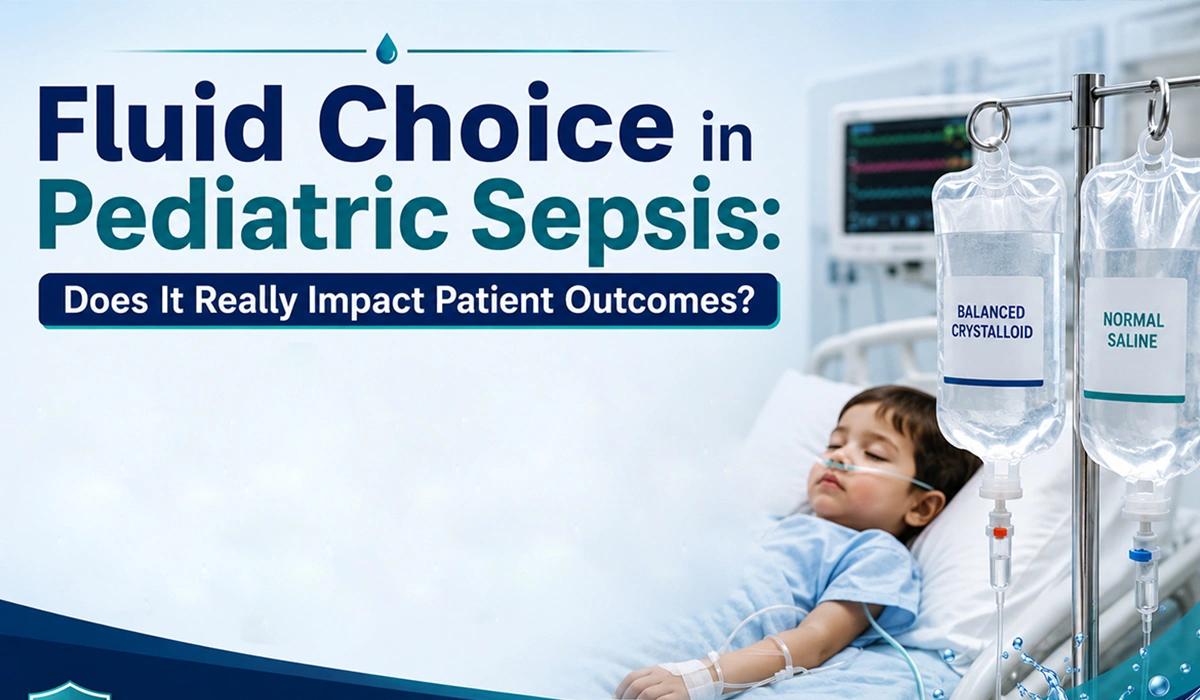
Fluid Choice in Pediatric Sepsis: Does It Really Impact Patient Outcomes?

Pediatric sepsis remains one of the leading causes of childhood mortality worldwide. Every year, thousands of children require emergency treatment because their bodies develop an overwhelming response to infection. While antibiotics, oxygen therapy, and intensive monitoring receive significant attention, one treatment decision continues to generate debate among pediatric intensivists worldwide—the choice of intravenous fluids.

Should clinicians administer Normal Saline or Balanced Crystalloids? Can the type of fluid influence kidney function, recovery time, or survival? Recent research suggests the answer may be more important than previously believed.

In India, where pediatric sepsis contributes significantly to hospital admissions, selecting the appropriate resuscitation fluid has become increasingly important for improving patient outcomes while minimizing complications.

This article explores the latest evidence, clinical guidelines, and practical recommendations regarding fluid choice in pediatric sepsis.

What Is Pediatric Sepsis?

Pediatric sepsis is a life-threatening condition that occurs when a child’s immune response to an infection causes widespread inflammation, resulting in organ dysfunction and potentially septic shock if left untreated.

Detailed Explanation

Unlike adults, children often compensate well until they suddenly deteriorate. Early recognition and immediate treatment—including timely fluid resuscitation—are essential to improving survival.

Common causes include:

  • Pneumonia
  • Bloodstream infections
  • Meningitis
  • Urinary tract infections
  • Gastrointestinal infections

Why Is Fluid Therapy Important in Pediatric Sepsis?

Intravenous fluids restore circulating blood volume, improve blood pressure, enhance tissue perfusion, and increase oxygen delivery to vital organs.

Without adequate circulation:

  • Brain receives less oxygen
  • Kidneys stop functioning properly
  • Heart struggles to pump effectively
  • Multiple organs begin to fail

Early fluid therapy remains one of the first-line interventions in pediatric sepsis management.

Understanding Fluid Resuscitation

Fluid resuscitation involves rapidly administering IV fluids to reverse shock.

The primary goals include:

  • Restoring intravascular volume
  • Improving cardiac output
  • Increasing oxygen delivery
  • Preventing organ failure
  • Stabilizing blood pressure

However, excessive fluid administration can also lead to complications.

Types of Fluids Used in Pediatric Sepsis

The most commonly used crystalloids include:

FluidCompositionCommon Uses
Normal SalineHigh chlorideTraditional resuscitation
Ringer’s LactateBalanced electrolyte solutionShock and trauma
Plasma-LyteBalanced crystalloidICU resuscitation
Balanced CrystalloidsElectrolyte composition closer to plasmaModern preferred option

Normal Saline vs Balanced Crystalloids

Balanced crystalloids more closely resemble human plasma and may reduce the risk of metabolic acidosis and kidney injury compared with normal saline.

Comparison Table

FeatureNormal SalineBalanced Crystalloids
ChlorideHighLower
pHAcidicNear physiologic
ElectrolytesLimitedBalanced
Risk of HyperchloremiaHigherLower
Metabolic AcidosisMore commonLess common
Kidney EffectsPossible adverse effectsPotentially protective

What Does Recent Research Show?

Several pediatric observational studies and systematic reviews suggest balanced crystalloids may offer clinical advantages.

Potential findings include:

  • Lower incidence of acute kidney injury
  • Reduced hyperchloremia
  • Better acid-base balance
  • Possible reduction in ICU stay
  • Similar or improved survival

However, researchers also emphasize that more large randomized pediatric trials are needed before definitive conclusions can be drawn.

Current International Guidelines

Surviving Sepsis Campaign

Current pediatric guidelines recommend:

  • Early recognition
  • Prompt antibiotics
  • Isotonic crystalloids for initial resuscitation
  • Careful reassessment after each bolus
  • Avoid fluid overload

Many experts now favor balanced crystalloids when available.

World Health Organization (WHO)

WHO emphasizes:

  • Early diagnosis
  • Appropriate fluid management
  • Continuous monitoring
  • Individualized treatment

Fluid administration should be tailored to the child’s clinical condition.

Does Fluid Choice Affect Mortality?

Current evidence suggests fluid choice may influence complications such as kidney injury and metabolic abnormalities. While some studies show improved clinical outcomes with balanced crystalloids, a clear mortality benefit has not yet been consistently demonstrated in children.

Researchers continue to investigate long-term outcomes.

Risks of Excessive Fluid Administration

Too much IV fluid can cause:

  • Pulmonary edema
  • Respiratory distress
  • Tissue swelling
  • Increased ICU stay
  • Delayed recovery

Modern pediatric care emphasizes both fluid choice and fluid volume.

Practical Clinical Approach

A typical evidence-based approach includes:

  1. Early sepsis recognition
  2. Obtain vascular access
  3. Administer antibiotics promptly
  4. Begin isotonic crystalloid resuscitation
  5. Reassess after every bolus
  6. Monitor urine output
  7. Evaluate blood pressure
  8. Check lactate
  9. Consider vasoactive medications if shock persists
  10. Avoid unnecessary fluid overload

Balanced Crystalloids: Advantages and Limitations

Advantages

  • Physiological electrolyte composition
  • Lower chloride concentration
  • Better acid-base balance
  • Reduced hyperchloremia
  • Possible renal protection

Limitations

  • Slightly higher cost
  • Availability varies
  • More pediatric evidence needed
  • Institutional preferences differ

Pediatric Sepsis Management in India

India continues to face a significant burden of pediatric infections.

Improving outcomes requires:

  • Early diagnosis
  • Trained healthcare professionals
  • Appropriate fluid selection
  • Access to pediatric ICUs
  • Standardized sepsis protocols
  • Family awareness

Many tertiary hospitals across India are increasingly incorporating balanced crystalloids into pediatric critical care pathways based on evolving evidence and guideline recommendations.

Emerging Research Trends (2026–2030)

Future studies are focusing on:

  • Personalized fluid therapy
  • AI-assisted fluid management
  • Biomarker-guided resuscitation
  • Precision medicine
  • Machine learning prediction models
  • Smart ICU monitoring
  • Individualized pediatric sepsis protocols

Artificial intelligence may soon assist clinicians in selecting the optimal fluid type and volume for each child.

Comparison Table: Which Fluid Is Better?

ParameterNormal SalineBalanced Crystalloid
Initial Resuscitation
Hyperchloremia RiskHigherLower
Metabolic AcidosisHigherLower
Electrolyte BalanceModerateBetter
Kidney ProtectionPossible concernPotential benefit
Current PreferenceTraditionalIncreasingly preferred

Expert Recommendations

Current evidence supports:

  • Early recognition saves lives.
  • Antibiotics should never be delayed.
  • Balanced crystalloids appear promising.
  • Continuous reassessment is essential.
  • Avoid both under-resuscitation and over-resuscitation.
  • Individualize treatment for every child.

Fluid Choice in Pediatric Sepsis Frequently Asked Questions

Does fluid choice matter in pediatric sepsis?

Yes. Emerging evidence suggests the type of intravenous fluid may influence kidney function, electrolyte balance, and recovery, although more pediatric research is needed to confirm long-term outcome differences.

Which fluid is commonly recommended?

Balanced crystalloids and normal saline are both used. Many experts increasingly favor balanced crystalloids because they more closely resemble human plasma.

What are balanced crystalloids?

Balanced crystalloids are intravenous fluids containing electrolyte concentrations similar to blood plasma, helping maintain normal acid-base balance.

Is normal saline still used?

Yes. Normal saline remains widely used worldwide and continues to be recommended in many clinical settings.

Can excessive fluids be harmful?

Yes. Too much fluid may increase the risk of pulmonary edema, respiratory complications, and prolonged ICU stay.

Why is early treatment important?

Early diagnosis and prompt treatment improve circulation, reduce organ damage, and significantly increase survival.

What is septic shock?

Septic shock is a severe form of sepsis characterized by dangerously low blood pressure and impaired tissue perfusion despite adequate fluid resuscitation.

Do international guidelines recommend balanced crystalloids?

Recent pediatric critical care guidelines increasingly support balanced crystalloids when clinically appropriate and available.

What role does monitoring play?

Continuous monitoring helps clinicians adjust fluid therapy based on blood pressure, urine output, heart rate, oxygenation, and laboratory findings.

Can AI improve pediatric sepsis treatment?

Researchers believe AI-assisted decision support may help personalize fluid selection, predict deterioration, and improve patient outcomes in the future.

Anchor TextSuggested Destination
What is Pediatric Sepsis?Pediatric Sepsis Guide
Balanced Crystalloids ExplainedCritical Care Blog
Sepsis Management GuidelinesClinical Resources
Pediatric Emergency CarePediatric Healthcare Hub
Intravenous Fluid TherapyCritical Care Education
Shock ManagementEmergency Medicine Articles

Conclusion

Fluid therapy remains one of the cornerstones of pediatric sepsis management, but the type of fluid administered can influence important clinical outcomes. While both normal saline and balanced crystalloids are used in practice, growing evidence indicates that balanced crystalloids may better preserve acid-base balance and reduce the risk of hyperchloremia and acute kidney injury. However, successful management depends on more than fluid choice alone. Early recognition, prompt antibiotics, individualized fluid resuscitation, continuous monitoring, and adherence to evidence-based guidelines are all essential for improving outcomes.

As pediatric critical care continues to evolve, advances in precision medicine and AI-assisted decision support are expected to further refine fluid management strategies, helping clinicians deliver safer, more personalized care for children with sepsis.

Does Fluid Choice Affect Pediatric Sepsis Outcomes? What Recent Research Reveals

Sepsis remains one of the leading causes of hospitalization and death among children worldwide. Every hour counts when treating pediatric sepsis, and one of the first lifesaving decisions clinicians make is selecting the right intravenous (IV) fluid.

For decades, 0.9% Normal Saline was considered the default fluid for resuscitation. However, emerging evidence suggests that the type of fluid administered may influence outcomes such as kidney function, acid-base balance, length of hospital stay, and even survival.

So, does fluid choice really affect pediatric sepsis outcomes? Recent research indicates that while rapid fluid resuscitation remains essential, selecting the appropriate crystalloid solution may improve recovery and reduce complications in specific patient populations.

Key Takeaways

  • Early fluid resuscitation is a cornerstone of pediatric sepsis management.
  • Balanced crystalloids are increasingly preferred in many clinical settings.
  • Normal saline remains appropriate in selected situations.
  • Recent studies suggest balanced fluids may reduce kidney injury and metabolic acidosis.
  • Current international guidelines emphasize individualized fluid therapy rather than a one-size-fits-all approach.

What Is Pediatric Sepsis?

Pediatric sepsis is a life-threatening condition caused by the body’s overwhelming response to an infection, leading to organ dysfunction. Early diagnosis and timely treatment significantly improve survival.

Detailed Explanation

Children develop sepsis when bacteria, viruses, fungi, or parasites trigger an uncontrolled immune response. Instead of fighting infection effectively, the immune system causes widespread inflammation that damages organs.

Without prompt treatment, sepsis can rapidly progress to:

  • Septic shock
  • Multi-organ failure
  • Respiratory distress
  • Kidney injury
  • Death

Millions of children worldwide are affected each year, making pediatric sepsis a major global health challenge.

Why Is Fluid Therapy So Important?

Fluid resuscitation restores blood circulation, improves oxygen delivery, and helps stabilize blood pressure in children with sepsis.

Why Fluids Matter

During sepsis:

  • Blood vessels become leaky.
  • Blood pressure drops.
  • Blood flow to organs decreases.
  • Oxygen delivery becomes inadequate.

IV fluids help restore circulating blood volume and improve tissue perfusion before irreversible organ damage occurs.

Types of IV Fluids Used in Pediatric Sepsis

Fluid TypeExamplesCharacteristics
Normal Saline0.9% Sodium ChlorideHigh chloride content
Balanced CrystalloidsLactated Ringer’s, Plasma-LyteElectrolyte composition closer to plasma
ColloidsAlbuminUsed selectively
Blood ProductsPRBCsReserved for specific indications

Balanced crystalloids and normal saline remain the two most commonly compared fluids in pediatric sepsis research.

Balanced Crystalloids vs Normal Saline

Balanced crystalloids may reduce metabolic acidosis and acute kidney injury compared with normal saline, although both remain accepted treatment options depending on the clinical situation.

Comparison Table

FeatureBalanced CrystalloidsNormal Saline
Chloride ContentLowerHigher
Acid-Base BalanceBetter maintainedGreater risk of hyperchloremic acidosis
Kidney EffectsMay reduce AKISlightly higher AKI risk in some studies
Electrolyte BalanceMore physiologicLess physiologic
CostComparableComparable

What Does Recent Research Show?

Recent pediatric studies suggest balanced crystalloids may offer modest clinical advantages, particularly regarding kidney protection and acid-base balance, although mortality benefits remain uncertain.

Key Research Findings

Recent investigations have reported:

  • Reduced hyperchloremia
  • Improved acid-base balance
  • Lower incidence of acute kidney injury in some populations
  • Similar mortality rates compared with normal saline
  • No significant increase in adverse events

Researchers continue evaluating whether these physiological improvements translate into better long-term survival.

Current Clinical Guidelines

Major organizations recommend:

✔ Early recognition

✔ Immediate antibiotics

✔ Timely fluid resuscitation

✔ Frequent reassessment

✔ Vasopressors when fluids alone are insufficient

Rather than recommending one fluid for every patient, guidelines encourage clinicians to individualize therapy based on the child’s condition.

Potential Benefits of Balanced Crystalloids

Emerging evidence suggests balanced crystalloids may help:

  • Maintain electrolyte balance
  • Reduce metabolic acidosis
  • Support kidney function
  • Improve physiological stability
  • Reduce excessive chloride exposure
  • Better mimic normal plasma composition

These benefits may be especially important in critically ill children receiving large fluid volumes.

When Is Normal Saline Still Appropriate?

Despite growing interest in balanced crystalloids, normal saline remains appropriate in several situations, including:

  • Hyponatremia
  • Certain neurological emergencies
  • Chloride replacement when clinically indicated
  • Specific physician-directed treatment protocols

Fluid selection should always consider the child’s underlying medical condition.

Challenges in Pediatric Fluid Management

Children are not simply “small adults.” They have unique physiological characteristics that make fluid management more complex.

Important considerations include:

  • Age
  • Weight
  • Underlying disease
  • Cardiac function
  • Kidney function
  • Severity of infection
  • Risk of fluid overload

Continuous monitoring helps clinicians adjust treatment as the child’s condition changes.

Pediatric Sepsis in India

India continues to face a significant burden of pediatric infections due to:

  • High population density
  • Variable healthcare access
  • Delayed presentation in some regions
  • Antimicrobial resistance
  • Resource limitations

Many tertiary pediatric centers across India now follow international sepsis guidelines while adapting treatment to local healthcare infrastructure.

Increasing awareness among parents and healthcare professionals remains critical for improving outcomes.

Common Myths About IV Fluids in Sepsis

MythReality
All IV fluids are identicalDifferent fluids have different electrolyte compositions.
More fluids are always betterExcess fluids may increase complications.
Normal saline is outdatedIt remains appropriate in many situations.
Balanced fluids replace antibioticsAntibiotics remain essential.
One fluid works for every childTreatment must be individualized.

Practical Tips for Healthcare Professionals

  • Identify sepsis early.
  • Begin treatment promptly.
  • Use evidence-based fluid therapy.
  • Monitor urine output.
  • Watch electrolyte levels.
  • Assess fluid responsiveness frequently.
  • Avoid unnecessary fluid overload.
  • Reassess after every bolus.

Future Directions in Pediatric Sepsis Research

Researchers are currently investigating:

  • Precision fluid therapy
  • Biomarker-guided resuscitation
  • AI-assisted fluid management
  • Personalized medicine
  • Pediatric-specific clinical trials
  • Machine learning prediction models
  • Genomic approaches to sepsis treatment

These advances may help optimize fluid selection for individual children in the future.

Expert Perspective

Modern pediatric sepsis management focuses less on choosing a universally “best” fluid and more on selecting the right fluid for the right patient at the right time.

Balanced crystalloids are gaining wider acceptance because of their physiological advantages, but individualized care remains the cornerstone of successful treatment.

Does Fluid Choice Affect Pediatric Sepsis Outcomes? – Frequently Asked Questions

1. What is the best IV fluid for pediatric sepsis?

Balanced crystalloids and normal saline are both recommended depending on the child’s clinical condition. Recent evidence suggests balanced crystalloids may offer physiological advantages in some patients.

2. Are balanced crystalloids better than normal saline?

Balanced crystalloids may reduce hyperchloremia, metabolic acidosis, and acute kidney injury, although overall survival benefits remain under investigation.

3. Why are fluids given early in pediatric sepsis?

Early fluid therapy helps restore circulation, improve oxygen delivery, and stabilize blood pressure during septic shock.

4. Can too much IV fluid be harmful?

Yes. Excessive fluid administration may increase the risk of fluid overload, respiratory complications, and prolonged intensive care stays.

5. What causes pediatric sepsis?

Pediatric sepsis develops when an infection triggers an abnormal immune response that damages the body’s own tissues and organs.

6. What symptoms should parents watch for?

High fever, difficulty breathing, unusual sleepiness, poor feeding, fast heart rate, cold hands and feet, and decreased urine output require immediate medical attention.

7. Are antibiotics still necessary if fluids are given?

Yes. Antibiotics are essential for treating the underlying infection, while fluids support circulation.

8. Does fluid choice affect kidney function?

Some studies suggest balanced crystalloids may reduce the risk of acute kidney injury compared with normal saline.

9. What do current guidelines recommend?

Current guidelines emphasize early diagnosis, prompt antibiotics, individualized fluid therapy, and close monitoring.

10. Can pediatric sepsis be prevented?

Vaccination, early infection treatment, good hygiene, proper nutrition, and timely medical care can help reduce the risk of pediatric sepsis.

Conclusion

Fluid therapy remains one of the most important interventions in pediatric sepsis management. While balanced crystalloids are increasingly favored for their physiological benefits, normal saline continues to play an important role in selected clinical scenarios. The latest evidence suggests that thoughtful, individualized fluid selection—combined with early antibiotics, continuous monitoring, and adherence to evidence-based guidelines—offers the best opportunity to improve outcomes for children with sepsis.

As research continues to evolve, healthcare professionals should stay updated on emerging evidence to ensure every child receives the safest and most effective care possible.

Wellness, Nutrition, and Ayurveda: A Complete Health Approach

Introduction: The Journey to Holistic Health

Imagine waking up every morning feeling energized, mentally focused, and emotionally balanced. Unfortunately, for many people, modern lifestyles filled with processed foods, stress, lack of sleep, and sedentary habits make this difficult. According to global health studies, lifestyle-related diseases such as obesity, diabetes, hypertension, and digestive disorders are increasing every year.

The good news is that better health doesn’t always require complicated solutions. By combining wellness, proper nutrition, and the time-tested principles of Ayurveda, individuals can create a sustainable approach to healthy living.

Ayurveda, one of the world’s oldest healthcare systems originating in India over 5,000 years ago, emphasizes balance between the body, mind, and spirit. When paired with modern nutritional science, it offers a practical roadmap toward long-term wellness rather than temporary health fixes.

This comprehensive guide explores how wellness, nutrition, and Ayurveda complement each other to build a healthier lifestyle suitable for today’s fast-paced world.

What Is Wellness?

Wellness is the active process of making healthy lifestyle choices that improve physical, mental, emotional, social, and spiritual well-being.

Unlike simply being free from disease, wellness focuses on achieving a higher quality of life through preventive healthcare and balanced living.

Key Dimensions of Wellness

Wellness DimensionImportance
Physical WellnessHealthy body and fitness
Mental WellnessPositive thinking and stress management
Emotional WellnessHealthy relationships and emotional stability
Social WellnessCommunity and personal connections
Spiritual WellnessInner peace and purpose
Occupational WellnessJob satisfaction and work-life balance

Practical Tip

Start by making one healthy improvement every week instead of trying to change everything overnight.

Why Nutrition Is the Foundation of Good Health

Nutrition provides the essential nutrients your body needs for energy, growth, immunity, and disease prevention.

A balanced diet directly influences:

  • Energy levels
  • Brain function
  • Digestive health
  • Immune strength
  • Heart health
  • Healthy aging

Essential Nutrients

NutrientFunctionFood Sources
ProteinMuscle repairLentils, eggs, dairy
CarbohydratesEnergyWhole grains
Healthy FatsBrain & hormonesNuts, seeds
VitaminsImmunityFruits & vegetables
MineralsBone & nerve healthDairy, leafy greens
WaterHydrationDrinking water

Understanding Ayurveda

Ayurveda is a holistic healthcare system that promotes balance through personalized diet, lifestyle, herbal support, yoga, and daily routines.

The word Ayurveda means:

  • Ayu = Life
  • Veda = Knowledge

It is often described as “The Science of Life.”

Core Principles

Ayurveda focuses on balancing three Doshas:

DoshaCharacteristics
VataMovement and creativity
PittaDigestion and metabolism
KaphaStability and immunity

Everyone has a unique combination of these doshas.

How Wellness, Nutrition, and Ayurveda Work Together

Rather than treating illness after it occurs, these three pillars work together to prevent disease.

WellnessNutritionAyurveda
ExerciseBalanced dietPersonalized lifestyle
SleepHydrationDaily routines
Mental healthVitaminsHerbal support
Stress reductionHealthy eatingMind-body balance

Together they improve:

  • Energy
  • Immunity
  • Digestion
  • Mental clarity
  • Longevity

The Role of Preventive Healthcare

Preventive healthcare focuses on avoiding illness before it develops through healthy habits and regular health monitoring.

Examples include:

  • Annual health checkups
  • Healthy eating
  • Exercise
  • Yoga
  • Meditation
  • Quality sleep
  • Maintaining healthy weight

Preventive healthcare reduces long-term healthcare costs while improving overall quality of life.

Daily Ayurvedic Lifestyle Practices

Ayurveda recommends simple routines that can improve daily wellness.

Morning

✔ Wake up early

✔ Drink warm water

✔ Tongue cleaning

✔ Light stretching

✔ Yoga

✔ Meditation

Afternoon

✔ Eat your largest meal

✔ Stay hydrated

✔ Short walk after meals

Evening

✔ Light dinner

✔ Reduce screen time

✔ Relaxation

✔ Sleep before 10 PM

Consistency matters more than perfection.

Nutrition According to Ayurveda

Ayurveda encourages eating according to:

  • Body type
  • Season
  • Digestive strength
  • Age
  • Climate

General Recommendations

Eat fresh food.

Avoid overeating.

Prefer seasonal fruits.

Use traditional spices like:

  • Turmeric
  • Ginger
  • Cumin
  • Coriander

Avoid excessive processed foods.

Benefits of Combining Ayurveda with Modern Nutrition

Modern nutritional science and Ayurveda complement each other rather than compete.

Modern NutritionAyurveda
Scientific nutrient analysisIndividual body constitution
Clinical researchPersonalized lifestyle
Balanced dietDigestive health
Supplements when neededHerbal wellness support

Together they create sustainable health improvements.

Common Lifestyle Challenges and Natural Solutions

ProblemWellness SolutionAyurvedic Approach
StressMeditationAshwagandha*
Poor digestionFiber-rich dietGinger
Low energyExerciseBalanced meals
Sleep issuesSleep hygieneWarm milk with herbs
Weak immunityNutritionTulsi, Turmeric

*Herbal use should be based on professional advice and individual health needs.

Practical Wellness Tips for Every Age Group

Children

  • Balanced meals
  • Outdoor activities
  • Proper sleep

Adults

  • Regular exercise
  • Stress management
  • Healthy work-life balance

Older Adults

  • Joint-friendly exercise
  • Nutrient-rich diet
  • Regular health checkups

How Organizations Promote Everyday Wellness

Many healthcare organizations are now encouraging preventive healthcare by developing wellness-focused products, nutritional solutions, personal care products, and Ayurvedic formulations that support healthier lifestyles. These efforts help individuals incorporate better health habits into their daily routines while complementing professional medical care when needed.

Why Choose a Holistic Health Approach?

Benefits

✔ Better immunity

✔ Improved digestion

✔ Increased energy

✔ Better mental health

✔ Reduced lifestyle disease risk

✔ Sustainable healthy habits

✔ Improved sleep quality

✔ Better work productivity

✔ Healthy aging

✔ Overall quality of life

Myths vs Facts

MythFact
Ayurveda is only herbal medicineAyurveda includes diet, lifestyle, yoga, and preventive care.
Healthy eating is expensiveSimple home-cooked meals can be highly nutritious.
Wellness means exercising dailyWellness includes mental, emotional, and social health too.
Supplements replace foodWhole foods remain the primary source of nutrition.

Wellness, Nutrition, and Ayurveda Frequently Asked Questions

What is holistic wellness?

Holistic wellness focuses on improving physical, mental, emotional, and social well-being together rather than addressing only one aspect of health.

Why is nutrition important for wellness?

Nutrition supplies essential nutrients that support energy, immunity, healthy growth, and overall body function.

Is Ayurveda scientifically supported?

Several Ayurvedic practices and herbs have been studied for their potential health benefits. However, evidence varies depending on the therapy, and treatments should complement—not replace—professional medical advice.

Can Ayurveda and modern medicine work together?

Yes. Many healthcare professionals support an integrative approach where appropriate, combining evidence-based medical care with healthy lifestyle practices.

How can I improve my daily wellness?

Start with balanced meals, regular physical activity, adequate sleep, stress management, hydration, and routine health checkups.

Is Ayurveda suitable for everyone?

Ayurvedic recommendations are personalized. It is advisable to consult a qualified healthcare professional or Ayurvedic practitioner before starting herbal therapies or significant dietary changes.

Which foods support overall wellness?

Fresh fruits, vegetables, whole grains, lean proteins, healthy fats, nuts, seeds, and adequate water contribute to a balanced diet.

How does stress affect overall health?

Chronic stress can impact sleep, digestion, immunity, and heart health. Mindfulness, exercise, and relaxation techniques can help manage stress.

Conclusion

Wellness is not achieved through a single diet, supplement, or exercise routine—it is the result of consistent, balanced choices made every day. By integrating wellness practices, balanced nutrition, and the holistic principles of Ayurveda, individuals can build healthier habits that support physical vitality, mental clarity, emotional resilience, and long-term well-being. Rather than waiting for illness to occur, adopting a preventive approach empowers people to take charge of their health in a sustainable way.

Whether you’re beginning your wellness journey or refining your current lifestyle, start with simple, achievable steps: eat nutritious foods, stay active, prioritize quality sleep, manage stress, and seek guidance from qualified healthcare professionals when needed. Small daily actions, practiced consistently, can lead to meaningful improvements in overall health and quality of life for years to come.

The Importance of Holistic Wellness in Today’s World

Modern life moves faster than ever before. From long working hours and digital distractions to changing lifestyles and environmental challenges, maintaining good health has become more complex than simply avoiding illness. People today are increasingly realizing that true health is about much more than treating diseases—it’s about achieving balance in every aspect of life. This is where holistic wellness plays a vital role.

Imagine a professional who exercises regularly but constantly feels stressed, sleeps poorly, and struggles with work-life balance. Although physically active, they may not experience complete well-being. Similarly, someone with excellent mental health but poor nutrition may also face long-term health issues. These examples highlight why focusing on only one aspect of health is no longer enough.

Holistic wellness recognizes that physical, mental, emotional, social, and even spiritual health are interconnected. When one area suffers, it often impacts the others. By adopting a holistic approach, individuals can improve their quality of life, reduce the risk of chronic diseases, enhance productivity, and achieve lasting happiness.

Whether you’re a student, working professional, entrepreneur, parent, or senior citizen, understanding holistic wellness can help you make healthier choices every day.

What Is Holistic Wellness?

Holistic wellness is an approach to health that focuses on the complete well-being of a person by balancing physical, mental, emotional, social, and spiritual health instead of treating only illnesses.

Holistic wellness believes that every aspect of life influences overall health. Instead of simply managing symptoms, it aims to identify the root causes of health challenges and encourage preventive care.

Key Dimensions of Holistic Wellness

Wellness DimensionFocus Area
Physical WellnessNutrition, exercise, sleep, preventive healthcare
Mental WellnessLearning, focus, cognitive development
Emotional WellnessStress management, emotional balance
Social WellnessHealthy relationships and communication
Spiritual WellnessPurpose, values, inner peace
Occupational WellnessCareer satisfaction and work-life balance
Environmental WellnessHealthy surroundings and sustainable living

Why Holistic Wellness Matters More Than Ever

Rising stress levels, sedentary lifestyles, unhealthy eating habits, and increasing chronic diseases make holistic wellness essential for maintaining long-term health.

Modern lifestyles expose people to numerous health risks including:

  • Long sitting hours
  • Poor eating habits
  • Screen addiction
  • Sleep deprivation
  • Mental stress
  • Environmental pollution
  • Reduced physical activity

These factors contribute to obesity, diabetes, hypertension, anxiety, depression, and cardiovascular diseases.

A holistic wellness approach addresses these issues before they develop into serious health problems.

Physical Wellness: The Foundation of Good Health

Physical wellness forms the base of holistic health.

It includes:

  • Balanced nutrition
  • Daily physical activity
  • Adequate hydration
  • Proper sleep
  • Regular health check-ups
  • Preventive healthcare

Practical Tips

  • Walk at least 30 minutes daily.
  • Eat seasonal fruits and vegetables.
  • Stay hydrated.
  • Limit processed foods.
  • Schedule routine health screenings.

Mental Wellness in a Digital World

Mental wellness helps individuals think clearly, manage stress, make better decisions, and maintain emotional stability.

Today’s digital world has increased mental fatigue due to:

  • Constant notifications
  • Social media pressure
  • Information overload
  • Work-related stress

Maintaining mental wellness involves:

  • Reading books
  • Learning new skills
  • Practicing mindfulness
  • Limiting screen time
  • Taking regular breaks

Strong mental health improves productivity, creativity, and overall happiness.

Emotional Wellness: Managing Stress Effectively

Emotional wellness means understanding, expressing, and managing emotions in healthy ways.

Healthy emotional habits include:

  • Accepting emotions
  • Talking openly
  • Practicing gratitude
  • Seeking support when needed
  • Building emotional resilience

People with strong emotional wellness often enjoy healthier relationships and better decision-making.

Nutrition: Fueling Your Body Naturally

A nutritious diet supports every aspect of holistic wellness.

Healthy eating includes:

  • Whole grains
  • Lean proteins
  • Healthy fats
  • Fruits
  • Vegetables
  • Dairy or suitable alternatives

Foods That Support Wellness

Food GroupBenefits
FruitsRich in vitamins and antioxidants
VegetablesImprove immunity
Whole GrainsProvide sustained energy
ProteinSupports muscle health
Nuts & SeedsHealthy fats and brain function
DairyCalcium and bone strength

Reducing excess sugar, salt, and processed foods contributes to better long-term health.

The Role of Exercise in Holistic Wellness

Exercise is more than weight management.

Regular physical activity helps:

  • Strengthen the heart
  • Improve flexibility
  • Reduce stress
  • Improve sleep quality
  • Enhance mood
  • Support immune function

Experts recommend at least 150 minutes of moderate exercise each week.

Popular options include:

  • Walking
  • Yoga
  • Cycling
  • Swimming
  • Strength training
  • Dancing

Sleep: The Most Underrated Health Habit

Quality sleep allows the body to recover physically and mentally.

Benefits include:

  • Improved concentration
  • Better immunity
  • Hormonal balance
  • Enhanced memory
  • Reduced stress

Healthy sleep habits:

  • Maintain a regular sleep schedule.
  • Avoid screens before bedtime.
  • Create a calm sleeping environment.
  • Avoid caffeine late in the day.

Adults generally need 7–9 hours of sleep per night.

Preventive Healthcare: Staying Ahead of Illness

Preventive healthcare focuses on identifying health risks before they become serious.

Examples include:

  • Annual health check-ups
  • Vaccinations
  • Blood pressure monitoring
  • Blood sugar testing
  • Cholesterol screening
  • Dental check-ups

Early detection improves treatment outcomes and reduces healthcare costs.

Holistic Wellness in the Workplace

Healthy employees are more productive, motivated, and engaged.

Organizations can support wellness through:

  • Flexible working arrangements
  • Wellness programs
  • Mental health initiatives
  • Healthy workplace environments
  • Ergonomic workstations

Employees also benefit from maintaining work-life balance and taking regular breaks.

Benefits of Holistic Wellness

BenefitImpact
Better Physical HealthReduced disease risk
Improved Mental HealthLower stress and anxiety
Increased EnergyHigher productivity
Better SleepFaster recovery
Stronger ImmunityImproved resistance to illness
Healthier RelationshipsBetter emotional well-being
Longer LifespanImproved quality of life

Holistic Wellness vs Traditional Healthcare

Holistic WellnessTraditional Healthcare
Focuses on preventionOften focuses on treatment
Considers overall well-beingPrimarily addresses symptoms
Encourages healthy lifestyleRelies on medical interventions
Long-term health improvementImmediate disease management
Patient-centeredCondition-centered

Both approaches complement each other and are most effective when combined.

Practical Steps to Begin Your Wellness Journey

Starting your holistic wellness journey doesn’t require drastic changes.

Begin with simple habits:

  1. Drink enough water every day.
  2. Eat balanced meals.
  3. Exercise regularly.
  4. Sleep well.
  5. Practice mindfulness.
  6. Build healthy relationships.
  7. Reduce screen time.
  8. Spend time outdoors.
  9. Schedule regular health check-ups.
  10. Continue learning about healthy living.

Small, consistent improvements lead to lasting results.

Frequently Asked Questions (FAQs)

What is holistic wellness?

Holistic wellness is an approach that focuses on improving physical, mental, emotional, social, and spiritual health to achieve complete well-being.

Is holistic wellness only about alternative medicine?

No. Holistic wellness combines healthy lifestyle habits, preventive healthcare, medical care when needed, nutrition, exercise, stress management, and emotional well-being.

Why is preventive healthcare important?

Preventive healthcare helps identify health issues early, reducing complications and improving long-term health outcomes.

Can holistic wellness reduce stress?

Yes. Healthy eating, regular exercise, mindfulness, adequate sleep, and emotional support all contribute to lower stress levels.

How can I improve my wellness every day?

Start with balanced nutrition, regular physical activity, proper sleep, hydration, stress management, and routine medical check-ups.

Is holistic wellness suitable for all age groups?

Yes. Children, adults, and seniors can all benefit from adopting healthy lifestyle practices tailored to their individual needs.

Conclusion

Holistic wellness is more than a health trend—it is a lifelong commitment to achieving balance in every aspect of life. By caring for your body, mind, emotions, relationships, and overall lifestyle, you can build resilience, prevent chronic diseases, and improve your quality of life. Small daily habits, such as eating nutritious foods, staying active, managing stress, getting quality sleep, and prioritizing preventive healthcare, create lasting benefits over time.

In today’s fast-paced world, investing in holistic wellness is one of the most valuable decisions you can make for yourself and your family. Remember, true wellness is not about perfection; it’s about making consistent, mindful choices that support a healthier, happier, and more fulfilling life.

How Modern Consumers Are Embracing Preventive Healthcare

Introduction

Imagine two people in their early thirties.

One visits a doctor only after developing health problems. The other follows a balanced diet, exercises regularly, manages stress, undergoes routine health check-ups, and focuses on preventive healthcare.

Ten years later, the difference between them is remarkable.

The second individual is more likely to maintain better physical health, improved mental well-being, higher productivity, and reduced healthcare expenses.

This shift reflects a global trend. Today’s consumers are no longer waiting for illness to occur before taking action. Instead, they are embracing preventive healthcare to maintain wellness, reduce health risks, and improve quality of life.

In India, this transformation has accelerated due to increasing health awareness, digital access to medical information, rising lifestyle disorders, and growing interest in nutrition, Ayurveda, and wellness products.

Preventive healthcare is becoming a lifestyle rather than a medical choice.

What Is Preventive Healthcare?

Preventive healthcare is the practice of maintaining health and reducing disease risk through healthy lifestyle choices, regular screenings, vaccinations, balanced nutrition, exercise, and early intervention before illnesses develop.

Unlike curative healthcare, which focuses on treating diseases, preventive healthcare aims to reduce the likelihood of developing health problems.

Common preventive healthcare practices include:

  • Routine health check-ups
  • Healthy eating
  • Physical activity
  • Adequate sleep
  • Stress management
  • Vaccinations
  • Nutritional support
  • Regular medical screenings

The objective is simple:

Stay healthy instead of waiting to become sick.

Why Preventive Healthcare Is Growing Worldwide

Modern consumers recognize that prevention is often more effective, affordable, and sustainable than treatment.

Several factors are driving this shift.

Rising Lifestyle Diseases

Lifestyle conditions continue to increase globally.

Common examples include:

  • Diabetes
  • Obesity
  • Hypertension
  • Heart disease
  • Fatty liver
  • Stress-related disorders

Most of these conditions are influenced by daily habits.

Consumers are realizing that healthier lifestyles can significantly reduce long-term health risks.

Greater Health Awareness

The internet has transformed healthcare education.

Consumers now have access to:

  • Medical research
  • Expert health advice
  • Nutrition guidance
  • Fitness resources
  • Preventive healthcare information

This increased awareness encourages proactive health decisions.

Focus on Long-Term Wellness

Today’s healthcare consumers value:

  • Healthy aging
  • Better immunity
  • Mental wellness
  • Increased energy
  • Disease prevention

Instead of searching only for treatments, people are investing in long-term wellness.

Benefits of Preventive Healthcare

Preventive healthcare improves quality of life by reducing disease risk, promoting healthier habits, and supporting long-term physical and mental well-being.

Major benefits include:

Better Physical Health

Healthy habits improve:

  • Cardiovascular health
  • Bone strength
  • Muscle function
  • Digestive health
  • Immune function

Reduced Healthcare Costs

Preventing disease often costs far less than treating advanced medical conditions.

Routine health monitoring can reduce expensive emergency treatments and hospitalizations.

Improved Mental Health

Preventive wellness also supports emotional well-being.

Practices such as:

  • Yoga
  • Meditation
  • Regular exercise
  • Better sleep

help reduce stress and improve overall mental resilience.

Increased Productivity

Healthy individuals generally experience:

  • Better concentration
  • Higher energy
  • Fewer sick days
  • Improved workplace performance

Preventive healthcare benefits both individuals and organizations.

Key Pillars of Preventive Healthcare

Preventive healthcare is built upon several interconnected pillars.

1. Balanced Nutrition

Nutrition provides the foundation for overall health.

A balanced diet should include:

  • Fruits
  • Vegetables
  • Whole grains
  • Lean proteins
  • Healthy fats

Proper nutrition supports immunity, metabolism, and long-term wellness.

2. Regular Physical Activity

Physical activity improves:

  • Heart health
  • Muscle strength
  • Weight management
  • Mental health

Experts recommend regular movement throughout the week.

3. Quality Sleep

Sleep allows the body to recover.

Poor sleep is associated with:

  • Reduced immunity
  • Increased stress
  • Poor concentration
  • Chronic fatigue

Adults should prioritize consistent, high-quality sleep.

4. Mental Wellness

Mental health is equally important.

Healthy practices include:

  • Meditation
  • Mindfulness
  • Time management
  • Social support
  • Stress reduction

A healthy mind contributes to a healthier body.

How Nutrition Supports Preventive Healthcare

Proper nutrition provides essential vitamins, minerals, proteins, and antioxidants that help maintain normal body functions and support long-term wellness.

Nutritional support may include:

  • Balanced meals
  • Functional foods
  • Herbal ingredients
  • Nutraceutical products

Consumers increasingly recognize nutrition as one of the strongest preventive healthcare tools.

The Rise of Nutraceuticals

Modern lifestyles often make it difficult to meet nutritional requirements through diet alone.

This has contributed to growing demand for nutraceutical products.

Common wellness categories include:

  • Multivitamins
  • Herbal supplements
  • Protein supplements
  • Immunity support
  • Bone health
  • Women’s wellness
  • Men’s wellness

Consumers view these products as part of comprehensive wellness strategies rather than replacements for healthy habits.

Ayurveda and Preventive Healthcare

India has practiced preventive healthcare for thousands of years through Ayurveda.

Ayurveda promotes:

  • Daily wellness routines
  • Balanced nutrition
  • Herbal support
  • Stress management
  • Seasonal wellness
  • Digestive health

Many modern consumers are combining traditional wellness principles with evidence-informed healthcare practices.

Technology Is Transforming Preventive Healthcare

Digital health tools make wellness easier than ever.

Popular technologies include:

  • Fitness trackers
  • Smartwatches
  • Health monitoring apps
  • Telemedicine
  • Digital nutrition coaching
  • Online doctor consultations

Consumers can now monitor their health more consistently and make informed decisions.

Why Consumers Trust Preventive Healthcare Brands

Modern healthcare consumers look for brands that demonstrate:

  • Product quality
  • Scientific approach
  • Transparency
  • Reliable manufacturing
  • Consumer education
  • Long-term wellness commitment

Companies like Nukind Healthcare focus on delivering quality healthcare and wellness solutions designed to support preventive health and everyday well-being.

Natural Ways to Support Immunity and Overall Health

Introduction

Every day, our immune system works silently to protect us from viruses, bacteria, and other harmful microorganisms. Most people only think about immunity when they become sick, but maintaining a strong immune system is actually a daily commitment. Small choices—such as eating nutritious foods, staying physically active, sleeping well, and managing stress—play a significant role in supporting overall health.

In India, growing awareness of preventive healthcare has encouraged more people to adopt healthier lifestyles. Instead of waiting for illness to occur, individuals are focusing on wellness habits that help maintain long-term health. This shift reflects a broader understanding that prevention is often more effective than treatment.

Natural immunity support does not rely on a single food, supplement, or routine. Rather, it comes from a combination of balanced nutrition, regular physical activity, good sleep, proper hydration, stress management, and healthy daily habits.

This guide explores practical, science-informed ways to support immunity naturally while promoting overall wellness for people of all ages.

What Is the Immune System?

The immune system is the body’s natural defense network that helps identify and fight harmful microorganisms while protecting healthy cells.

The immune system consists of:

  • White blood cells
  • Lymph nodes
  • Bone marrow
  • Spleen
  • Antibodies
  • Skin and mucous membranes

Together, these components help defend the body against infections and support recovery.

A healthy immune system does not guarantee that a person will never become ill, but it helps the body respond more effectively to everyday health challenges.

Why Is Strong Immunity Important?

A healthy immune system supports the body’s ability to respond to infections, recover from illness, and maintain overall well-being.

Strong immunity contributes to:

  • Better resistance to common infections
  • Faster recovery
  • Improved energy levels
  • Healthier aging
  • Better overall wellness

Maintaining immunity is an ongoing process rather than a one-time effort.

Factors That Affect Immunity

Many daily habits influence immune health.

Positive Factors

  • Balanced nutrition
  • Regular exercise
  • Adequate sleep
  • Healthy weight
  • Stress management
  • Good hygiene
  • Proper hydration

Negative Factors

  • Smoking
  • Excessive alcohol intake
  • Chronic stress
  • Sleep deprivation
  • Highly processed diets
  • Physical inactivity

Understanding these factors helps people make informed lifestyle choices.

Eat a Balanced Diet for Better Immunity

A varied, nutrient-rich diet provides vitamins, minerals, protein, healthy fats, and fiber that support normal immune function.

No single food can “boost” immunity overnight. Instead, overall dietary patterns matter.

Important nutrients include:

NutrientFood SourcesRole
Vitamin CCitrus fruits, guava, amlaSupports normal immune function
Vitamin DSunlight, fortified foodsSupports immune regulation
ZincNuts, seeds, legumesHelps normal immune cell function
IronGreen vegetables, beansSupports oxygen transport
ProteinPulses, dairy, eggsEssential for immune cells

A colorful plate usually provides a wide range of beneficial nutrients.

Hydration Supports Overall Health

Water supports circulation, digestion, temperature regulation, and nutrient transport—all of which contribute to overall wellness.

Hydration helps the body by:

  • Supporting digestion
  • Maintaining energy levels
  • Regulating body temperature
  • Transporting nutrients
  • Supporting normal body functions

Simple hydration habits include:

  • Drinking water regularly throughout the day
  • Limiting sugary beverages
  • Increasing fluids during hot weather or exercise

Prioritize Quality Sleep

Good-quality sleep allows the body to recover and supports normal immune function.

Adults generally benefit from 7–9 hours of sleep each night.

Poor sleep may affect:

  • Energy
  • Mood
  • Concentration
  • Recovery
  • Overall wellness

Healthy sleep habits include:

  • Sleeping at consistent times
  • Limiting screen exposure before bedtime
  • Creating a comfortable sleep environment
  • Avoiding heavy meals late at night

Stay Physically Active

Regular physical activity supports cardiovascular health, circulation, and overall wellness.

Exercise benefits include:

  • Improved circulation
  • Better energy
  • Healthy weight management
  • Reduced stress
  • Better sleep quality

Recommended activities include:

  • Walking
  • Cycling
  • Yoga
  • Swimming
  • Strength training

Aim for at least 150 minutes of moderate physical activity each week, or as advised by healthcare professionals.

Manage Everyday Stress

Managing stress supports both mental well-being and overall health.

Long-term stress may influence:

  • Sleep quality
  • Appetite
  • Energy
  • Lifestyle habits

Healthy stress management techniques include:

  • Meditation
  • Yoga
  • Deep breathing
  • Reading
  • Spending time outdoors
  • Talking with friends or family

Even 10–15 minutes of relaxation each day can help improve overall well-being.

Build Healthy Daily Habits

Wellness is created through consistency rather than perfection.

Simple daily habits include:

  • Eating balanced meals
  • Staying active
  • Drinking enough water
  • Sleeping well
  • Spending time outdoors
  • Practicing good hygiene
  • Maintaining regular health check-ups

Small improvements made consistently often have the greatest long-term impact.

Natural Ways to Support Immunity and Overall Health – Frequently Asked Questions

1. What are the best natural ways to support immunity and overall health?

A balanced diet, regular exercise, quality sleep, proper hydration, stress management, and good hygiene are some of the most effective natural ways to support immunity and overall health.

2. Which foods naturally support a healthy immune system?

Foods rich in vitamins, minerals, and antioxidants—such as citrus fruits, amla, leafy greens, berries, nuts, seeds, yogurt, and whole grains—can help support normal immune function as part of a balanced diet.

3. Does regular exercise help improve immunity?

Yes. Moderate physical activity supports healthy circulation, cardiovascular fitness, and overall well-being, all of which contribute to a healthy immune system.

4. How important is sleep for immunity?

Quality sleep is essential for immune health. Most adults benefit from 7–9 hours of sleep each night to help the body recover and maintain normal immune function.

5. Can stress affect the immune system?

Yes. Long-term stress may influence immune function and overall wellness. Managing stress through relaxation techniques, exercise, meditation, and healthy lifestyle habits can support better health.

6. Do herbal supplements help support immunity?

Some herbal ingredients, such as Tulsi, Amla, Giloy, Turmeric, and Ashwagandha, have traditionally been used to support wellness. Herbal supplements should complement a healthy lifestyle and be used according to professional guidance.

7. How much water should I drink daily for overall health?

Hydration needs vary based on age, activity level, climate, and health status. Drinking enough water throughout the day supports digestion, circulation, energy levels, and overall wellness.

8. Can nutrition alone keep the immune system strong?

No. While balanced nutrition is important, immunity also depends on sleep, exercise, stress management, hydration, healthy habits, and preventive healthcare.

9. Why is preventive healthcare important?

Preventive healthcare focuses on maintaining health before illness develops. Healthy lifestyle choices, regular medical check-ups, vaccinations where appropriate, and early health awareness all contribute to long-term wellness.

10. How can I improve my overall health naturally?

Focus on simple daily habits such as eating nutritious meals, staying physically active, sleeping well, drinking enough water, managing stress, avoiding tobacco, limiting alcohol, and following a consistent wellness routine. These habits work together to support immunity and long-term health.

Personal Care and Wellness: Building Healthy Habits Every Day

Introduction

Imagine starting every morning feeling energized, confident, and ready to take on the day. You wake up after a restful night’s sleep, follow a simple skincare routine, enjoy a nutritious breakfast, and take a few moments to focus on your well-being before work begins.

Now imagine the opposite—poor sleep, unhealthy eating habits, stress, and neglecting personal hygiene. Over time, these small choices can affect your energy, skin, immunity, productivity, and overall health.

The difference between these two lifestyles often comes down to one simple factor: daily habits.

Personal care and wellness are no longer considered luxuries. They have become an essential part of preventive healthcare. Around the world, especially in India, people are increasingly focusing on maintaining healthy lifestyles instead of waiting until illness develops.

Understanding Personal Care and Wellness: Building Healthy Habits Every Day can help individuals make smarter lifestyle choices that improve both short-term well-being and long-term health.

What Is Personal Care and Wellness?

Personal care and wellness refer to the daily habits and practices that help maintain physical, mental, emotional, and social well-being.

Personal care includes:

  • Personal hygiene
  • Skin care
  • Hair care
  • Oral hygiene
  • Healthy nutrition
  • Physical activity
  • Stress management
  • Mental wellness

Unlike medical treatment, wellness focuses on preventing health problems before they occur.

Why It Matters

Good personal care improves:

  • Physical appearance
  • Confidence
  • Energy levels
  • Productivity
  • Disease prevention
  • Quality of life

Healthy habits practiced consistently often provide greater long-term benefits than occasional intensive efforts.

Why Personal Care Matters More Than Ever

Modern lifestyles expose people to stress, pollution, unhealthy diets, and long working hours. Personal care helps reduce these lifestyle-related health risks.

Daily challenges include:

  • Air pollution
  • Screen exposure
  • Irregular sleep
  • Processed foods
  • Work stress
  • Lack of exercise

These factors can affect:

  • Skin health
  • Hair health
  • Mental wellness
  • Immunity
  • Bone health
  • Digestive health

A simple daily wellness routine can significantly reduce these effects.

The Connection Between Personal Care and Preventive Healthcare

Preventive healthcare begins with healthy daily habits.

Instead of waiting for illness, preventive healthcare encourages people to:

  • Stay active
  • Eat nutritious food
  • Sleep well
  • Maintain hygiene
  • Manage stress
  • Schedule regular health check-ups

Research consistently shows that lifestyle plays a major role in long-term health outcomes.

Small daily improvements often prevent larger health issues later in life.

Essential Daily Habits for Better Wellness

Building healthy habits does not require dramatic lifestyle changes.

Start with these simple practices.

Eat a Balanced Diet

A healthy diet provides:

  • Vitamins
  • Minerals
  • Protein
  • Fiber
  • Healthy fats

Include:

  • Fruits
  • Vegetables
  • Whole grains
  • Lean protein
  • Dairy products
  • Nuts and seeds

Good nutrition supports immunity, energy, skin health, and overall wellness.

Stay Hydrated

Water helps the body:

  • Regulate temperature
  • Support digestion
  • Improve skin hydration
  • Remove waste
  • Maintain energy

Aim to drink sufficient water throughout the day.

Exercise Regularly

Physical activity improves:

  • Heart health
  • Bone strength
  • Muscle health
  • Mental well-being
  • Weight management

Even 30 minutes of walking each day can provide meaningful health benefits.

Prioritize Quality Sleep

Sleep allows the body to recover and repair.

Adults generally benefit from 7–9 hours of quality sleep each night.

Poor sleep may contribute to:

  • Fatigue
  • Poor concentration
  • Reduced immunity
  • Mood changes

Personal Hygiene: The Foundation of Wellness

Good hygiene protects both individual and public health.

Daily hygiene includes:

  • Bathing
  • Hand washing
  • Oral care
  • Hair care
  • Nail care
  • Clean clothing

Maintaining proper hygiene helps reduce infections while improving confidence and comfort.

Skin Care as Part of Personal Wellness

Healthy skin is more than appearance.

The skin acts as the body’s first protective barrier.

A basic skincare routine may include:

  • Gentle cleansing
  • Moisturizing
  • Sun protection
  • Hydration

Choosing products suitable for your skin type supports long-term skin health.

Mental Wellness Is Personal Care Too

Many people associate wellness only with physical health.

Mental wellness is equally important.

Simple ways to support mental health include:

  • Meditation
  • Reading
  • Spending time with family
  • Outdoor walks
  • Digital detox
  • Relaxation exercises

Managing stress improves both emotional and physical well-being.

Comparison Table: Healthy Habits vs Unhealthy Habits

Healthy HabitsUnhealthy Habits
Balanced dietFrequent processed foods
Regular exerciseSedentary lifestyle
Quality sleepSleep deprivation
Good hygienePoor hygiene
Stress managementChronic stress
HydrationSugary beverages

The long-term impact of daily habits is often greater than short-term treatments.

Benefits of Building Healthy Habits Every Day

Consistent personal care can support:

  • Better immunity
  • Healthy skin
  • Strong bones
  • Higher energy
  • Better digestion
  • Improved confidence
  • Mental clarity
  • Healthy aging

Healthy habits work together to support overall wellness rather than targeting a single health concern.

Wellness in Modern India

India is witnessing a growing awareness of preventive healthcare.

Consumers increasingly seek:

  • Herbal wellness products
  • Nutritional supplements
  • Personal care products
  • Healthy lifestyle guidance
  • Natural wellness solutions

This reflects a shift from treatment-focused healthcare to wellness-focused living.

Why Daily Consistency Matters

Success in personal wellness comes from consistency rather than perfection.

Simple actions repeated daily often create lasting improvements.

Healthy habits become easier when they become part of your routine.

The Future of Healthcare: Wellness, Nutrition, and Prevention

Imagine visiting a doctor not because you are sick, but because you want to stay healthy for years to come.

Just a decade ago, healthcare was primarily focused on treating illness after symptoms appeared. Today, the conversation has changed dramatically. Around the world—and especially in India—people are becoming more aware that prevention is often more effective, affordable, and sustainable than treatment.

Modern healthcare is no longer limited to hospitals, medicines, and surgeries. It now includes healthy eating, nutritional support, regular exercise, mental wellness, preventive screenings, digital health technologies, and informed lifestyle choices.

This transformation is shaping the future of healthcare: wellness, nutrition, and prevention.

Individuals, healthcare providers, governments, and pharmaceutical companies are investing more in preventive care than ever before. The goal is simple: help people stay healthier for longer rather than only treating disease after it develops.

What Is Preventive Healthcare?

Preventive healthcare focuses on maintaining good health and reducing disease risk before illness develops through healthy habits, regular check-ups, vaccinations, nutritional support, and early diagnosis.

Healthcare experts often describe preventive healthcare as the foundation of long-term wellness.

It includes:

  • Routine health screenings
  • Healthy nutrition
  • Physical activity
  • Stress management
  • Vaccination
  • Health education
  • Regular medical consultation

Rather than waiting for disease, preventive healthcare helps people reduce health risks early.

Example

A person who monitors blood pressure regularly and follows healthy eating habits is more likely to prevent serious cardiovascular disease than someone who waits until symptoms appear.

Why Wellness Is Becoming the New Healthcare Model

Wellness focuses on maintaining physical, mental, emotional, and social health throughout life rather than simply treating disease.

Healthcare is evolving because lifestyle-related diseases continue to increase worldwide.

Conditions such as:

  • Diabetes
  • Obesity
  • Hypertension
  • Heart disease
  • Stress-related disorders

are closely linked to daily habits.

Modern wellness encourages people to make healthier decisions before illness occurs.

Practical Tip

Start with one healthy habit every week instead of trying to change everything at once.

Small improvements create lasting results.

The Role of Nutrition in Future Healthcare

Nutrition provides the body with essential vitamins, minerals, proteins, healthy fats, and antioxidants needed for growth, immunity, recovery, and disease prevention.

Poor nutrition contributes to many chronic diseases.

Balanced nutrition supports:

  • Strong immunity
  • Healthy bones
  • Brain function
  • Heart health
  • Energy production
  • Digestive health

Healthcare professionals increasingly recognize nutrition as one of the most effective long-term investments in health.

Nutritional Priorities

NutrientHealth Benefit
ProteinMuscle maintenance and repair
CalciumBone health
Vitamin DCalcium absorption and immunity
IronOxygen transport and energy
ZincImmune support
Omega-3Brain and heart health
Vitamin CAntioxidant protection

The Rise of Nutraceuticals in Preventive Healthcare

Nutraceuticals bridge the gap between nutrition and healthcare by supporting overall wellness through scientifically developed nutritional products.

Consumers increasingly use nutraceuticals to complement healthy lifestyles.

Common categories include:

  • Immunity support
  • Bone health
  • Heart wellness
  • Women’s wellness
  • Joint support
  • Protein nutrition
  • Daily multivitamins

When combined with healthy eating and medical guidance, nutraceuticals can help address nutritional gaps.

Digital Healthcare Is Changing Patient Care

Technology is making healthcare more accessible, personalized, and efficient.

Digital healthcare now includes:

  • Telemedicine
  • AI-assisted diagnosis
  • Electronic health records
  • Wearable health devices
  • Mobile health applications

Patients can now monitor:

  • Blood pressure
  • Heart rate
  • Blood glucose
  • Sleep quality
  • Physical activity

These technologies encourage continuous health monitoring instead of occasional medical visits.

Example

A smartwatch detecting irregular heart rhythms can encourage earlier medical consultation before serious complications develop.

Why India Is Becoming a Global Healthcare Innovation Hub

India has become one of the world’s fastest-growing healthcare markets.

Several factors contribute to this growth:

  • Advanced pharmaceutical manufacturing
  • Strong nutraceutical industry
  • Skilled healthcare professionals
  • Digital health innovation
  • Expanding preventive healthcare awareness

Cities including:

  • Faridabad
  • Hyderabad
  • Bengaluru
  • Ahmedabad
  • Mumbai
  • Pune

are contributing significantly to pharmaceutical research, manufacturing, and healthcare innovation.

India is also becoming an important supplier of pharmaceuticals and wellness products to global markets.

Wellness vs Traditional Healthcare

FeatureTraditional HealthcareFuture Healthcare
Primary FocusDisease treatmentDisease prevention
Patient RolePassiveActive participation
NutritionSecondaryEssential
TechnologyHospital-basedDigital & connected
WellnessLimitedCentral focus
Healthcare GoalRecoveryLifelong health

The future does not replace traditional healthcare. Instead, it combines medical treatment with preventive wellness to improve long-term health outcomes.

Why Preventive Healthcare Benefits Everyone

Preventive healthcare creates value for:

Individuals

  • Better quality of life
  • Lower medical expenses
  • Reduced disease risk

Families

  • Healthier lifestyles
  • Improved awareness
  • Better long-term wellness

Healthcare Systems

  • Reduced hospital burden
  • Earlier diagnosis
  • Improved public health

Businesses

  • Healthier employees
  • Higher productivity
  • Lower healthcare costs

Well Being Products

Add to cart
Home

Get in Touch

Footer

Get in Touch

May I help you?