Summer Headaches Driving You Crazy? Smart Migraine Prevention Tips by Nukind Healthcare

Summer is supposed to feel relaxing. Longer days, family trips, beach outings, and sunny weekends sound perfect—until a pounding headache ruins everything.

Have you ever stepped outside on a hot afternoon and suddenly felt pressure building behind your eyes? Maybe bright sunlight made your head throb. Or dehydration after a busy day left you exhausted and sensitive to sound.

For millions of people worldwide, especially during warmer months, summer headaches and migraines become a frustrating reality.

Migraine attacks are not just “bad headaches.” They can affect work, sleep, mood, focus, and daily life. In countries like the USA, rising temperatures, long screen hours, dehydration, and stress are making migraine episodes more common than ever.

The good news? Many summer migraine triggers can be prevented with the right habits and wellness support.

At Nukind Healthcare, we believe prevention is smarter than waiting for discomfort to become severe. Understanding your body’s signals early can help you enjoy the season without constant headaches.

In this guide, you’ll learn:

  • Why migraines become worse in summer
  • Common hidden triggers
  • Smart migraine prevention tips
  • Lifestyle and hydration strategies
  • Nutrition support for better wellness
  • When headaches may need medical attention

Let’s understand why summer headaches happen—and how to stay one step ahead of them.

What Are Summer Headaches and Migraines?

A summer headache is any headache that becomes more frequent or intense during hot weather. These headaches are often linked to:

  • Heat exposure
  • Dehydration
  • Bright sunlight
  • Sleep disruption
  • Fatigue
  • Stress

Migraines are more complex. They are neurological conditions that may cause:

  • Severe throbbing pain
  • Nausea
  • Sensitivity to light and sound
  • Dizziness
  • Vision changes
  • Fatigue

Some people experience migraines occasionally. Others may deal with them several times each month.

Summer weather can increase migraine triggers, especially when the body becomes overheated or dehydrated.

Why Hot Weather Can Trigger Migraines

Your body works hard to stay cool during summer. When temperatures rise, your body loses fluids through sweat. Blood vessels may expand, hydration levels drop, and energy levels decrease.

These changes can affect the nervous system and trigger headaches.

Common heat-related migraine triggers include:

  • Extreme heat
  • Humidity
  • Direct sun exposure
  • Lack of water intake
  • Electrolyte imbalance
  • Physical exhaustion

Many people notice migraine symptoms after:

  • Outdoor workouts
  • Long drives in the heat
  • Traveling
  • Skipping meals
  • Spending too much time in the sun

Even mild dehydration can lead to headaches.

The Difference Between a Headache and a Migraine

People often confuse migraines with normal headaches. Understanding the difference matters because prevention strategies may differ.

Regular Headache

  • Mild to moderate pain
  • Pressure around the forehead or temples
  • Usually short-lasting
  • Often caused by stress or dehydration

Migraine

  • Throbbing or pulsing pain
  • Usually on one side of the head
  • May last hours or days
  • Can include nausea, dizziness, and light sensitivity

Migraines may also reduce concentration and productivity.

Dehydration: One of the Biggest Summer Migraine Triggers

One of the most common causes of summer headaches is dehydration.

When your body loses too much water:

  • Blood flow changes
  • Electrolyte levels shift
  • Brain tissues temporarily contract

This can trigger headache pain.

Signs of dehydration include:

  • Dry mouth
  • Fatigue
  • Dark urine
  • Dizziness
  • Muscle weakness
  • Irritability

Many people drink water only after they feel thirsty, but thirst is often a late warning sign.

Smart Hydration Tips

  • Drink water regularly throughout the day
  • Increase intake during outdoor activity
  • Add electrolyte-rich fluids when needed
  • Avoid excessive caffeine and alcohol
  • Carry a reusable water bottle

Hydration is one of the simplest migraine prevention habits.

How Sunlight and Heat Affect the Brain

Bright sunlight is another major migraine trigger.

Strong sunlight may overstimulate the nervous system and increase sensitivity in people prone to migraines.

Heat exposure may also:

  • Increase fatigue
  • Reduce energy
  • Affect sleep quality
  • Cause eye strain

Summer Protection Tips

  • Wear sunglasses outdoors
  • Use a cap or hat
  • Avoid peak afternoon heat
  • Stay in cool environments when possible
  • Use cooling towels during outdoor activities

Small changes can reduce stress on the body and brain.

Why Skipping Meals Can Make Migraines Worse

Busy summer schedules often disrupt eating patterns. Many people skip breakfast, delay meals, or rely on unhealthy snacks.

Low blood sugar levels can trigger headaches and migraines.

When the brain doesn’t receive enough energy, it may react with:

  • Fatigue
  • Irritability
  • Dizziness
  • Head pain

Smart Eating Habits for Migraine Prevention

  • Eat balanced meals regularly
  • Include protein and healthy fats
  • Avoid long gaps between meals
  • Reduce processed sugary foods
  • Keep healthy snacks nearby

Consistent nutrition supports stable energy and brain function.

Sleep Problems and Summer Headaches

Hot nights and travel schedules can disrupt sleep during summer.

Lack of sleep is strongly linked to migraines.

Poor sleep affects:

  • Hormone balance
  • Stress response
  • Brain recovery
  • Nervous system regulation

Even sleeping too much can sometimes trigger headaches.

Better Sleep Habits

  • Maintain a regular bedtime
  • Keep the bedroom cool
  • Limit screen time before sleep
  • Avoid caffeine late in the evening
  • Stay hydrated during the day

Quality sleep plays a major role in migraine prevention.

Stress and Screen Time: Hidden Summer Triggers

Many people think summer is stress-free, but busy schedules, travel planning, work pressure, and excessive screen use can increase mental fatigue.

Long screen hours may lead to:

  • Eye strain
  • Neck tension
  • Sleep disruption
  • Headaches

Stress can also tighten muscles and increase nervous system sensitivity.

Reducing Stress Naturally

  • Take regular breaks
  • Practice deep breathing
  • Spend time outdoors wisely
  • Reduce excessive phone use
  • Try relaxation exercises

Mental wellness and physical wellness are closely connected.

Foods That May Trigger Migraines in Summer

Certain foods may increase migraine risk in sensitive individuals.

Common migraine-trigger foods include:

  • Processed meats
  • Excess caffeine
  • Artificial sweeteners
  • Alcohol
  • Aged cheese
  • Packaged snacks

Summer parties and vacations often increase exposure to these foods.

Better Summer Food Choices

  • Fresh fruits
  • Water-rich vegetables
  • Balanced meals
  • Light homemade foods
  • Nuts and seeds
  • Natural hydration options

Keeping a food journal may help identify personal triggers.

The Role of Preventive Wellness in Migraine Support

Many people wait until headaches become severe before taking action.

Preventive wellness focuses on supporting the body before symptoms worsen.

Daily wellness habits may help:

  • Improve hydration
  • Support energy levels
  • Reduce stress
  • Support nutritional balance
  • Promote better recovery

At Nukind Healthcare, preventive wellness is at the center of healthier living. Supporting the body consistently may help reduce everyday health challenges over time.

Can Nutritional Support Help With Headache Management?

Certain nutrients are linked with nervous system health and energy support.

People with frequent headaches may sometimes benefit from balanced nutrition that supports:

  • Hydration
  • Energy metabolism
  • Muscle function
  • Stress response

Nutrients commonly discussed in wellness support include:

  • Magnesium
  • Vitamin B complex
  • CoQ10
  • Electrolytes
  • Antioxidants

A healthcare professional can guide individual nutritional needs.

When Should You See a Doctor for Migraines?

Occasional headaches are common, but some symptoms should never be ignored.

Seek medical attention if headaches:

  • Become severe suddenly
  • Occur frequently
  • Affect speech or vision
  • Cause confusion
  • Happen after injury
  • Disrupt daily activities regularly

Chronic migraines may require professional evaluation and treatment planning.

Early support can improve quality of life significantly.

Smart Daily Habits for Summer Migraine Prevention

Here are practical daily habits that may help reduce summer headache risk:

1. Stay Hydrated

Drink water consistently—not just when thirsty.

2. Protect Yourself From Heat

Avoid direct sun exposure during peak hours.

3. Eat Balanced Meals

Keep blood sugar levels stable.

4. Improve Sleep Quality

Maintain healthy sleep routines.

5. Reduce Stress

Relaxation matters for brain health.

6. Limit Screen Exposure

Take breaks to reduce eye strain.

7. Watch Personal Triggers

Track foods, weather, and habits linked to headaches.

Small preventive habits often make a big difference over time.

Summer Headaches and Children: What Parents Should Know

Children can also experience headaches during summer.

Common triggers include:

  • Playing outdoors too long
  • Poor hydration
  • Excess screen time
  • Irregular meals

Parents should encourage:

  • Frequent water breaks
  • Healthy snacks
  • Rest periods
  • Reduced overheating

If headaches become frequent, medical evaluation is important.

Why Preventive Healthcare Matters More Today

Modern lifestyles are increasing stress on the body.

People today face:

  • Longer work hours
  • More screen exposure
  • Poor hydration habits
  • Irregular eating patterns
  • Higher stress levels

Preventive healthcare is no longer optional—it’s becoming essential.

Taking care of your body daily may help support:

  • Better energy
  • Improved wellness
  • Reduced lifestyle-related health challenges

Nukind Healthcare believes stronger health starts with smarter daily care.

Conclusion

Summer should feel energizing—not exhausting.

But dehydration, heat exposure, poor sleep, stress, and unhealthy routines can quietly increase migraine risk. The good news is that many summer headaches can be reduced with smarter daily habits.

Your body constantly gives signals before bigger problems appear. Paying attention early matters.

Simple steps like staying hydrated, eating balanced meals, improving sleep, and managing stress can help support better wellness throughout the season.

At Nukind Healthcare, we believe prevention is one of the strongest forms of self-care. Daily wellness support and healthier habits can help you stay active, focused, and prepared for life’s demands.

Don’t wait for discomfort to control your summer.

Strengthen today. Stay healthier tomorrow.
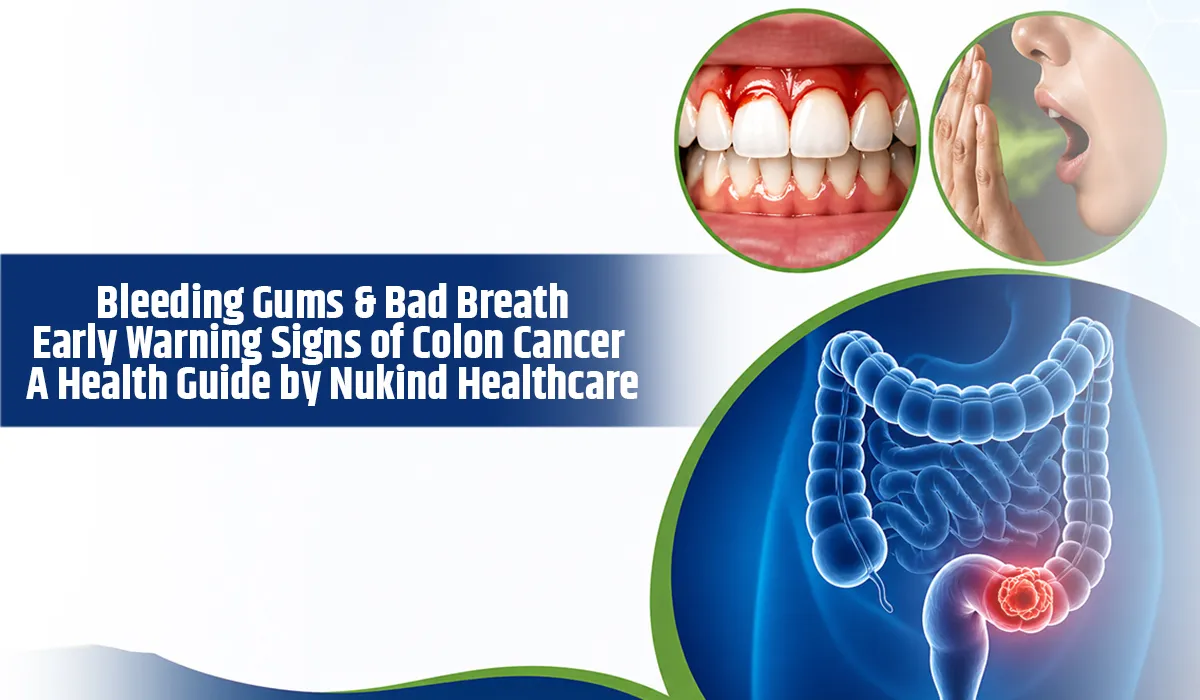
Bleeding Gums & Bad Breath: Early Warning Signs of Colon Cancer | A Health Guide by Nukind Healthcare

Introduction

What if something as common as bleeding gums or bad breath wasn’t just a dental issue—but a signal from your body that something deeper needs attention?

Many people ignore early health signs, assuming they are minor or temporary. But sometimes, the body gives subtle warnings long before a serious condition develops. Understanding bleeding gums & bad breath: early warning signs of colon cancer can help individuals recognize potential risks early and take timely action.

Colon cancer is one of the most common cancers worldwide, including in the United States. Early detection significantly improves outcomes. While symptoms like abdominal pain or changes in bowel habits are widely known, lesser-known signs such as oral health changes can also provide important clues.

This guide explores how oral symptoms may connect to overall health, the science behind these warning signs, and what steps you can take to protect yourself.

What Does “Bleeding Gums & Bad Breath: Early Warning Signs of Colon Cancer” Mean?

The phrase bleeding gums & bad breath: early warning signs of colon cancer highlights the possible link between oral health and systemic conditions.

While bleeding gums and bad breath are often caused by:

  • Poor oral hygiene
  • Gum disease (gingivitis or periodontitis)
  • Bacterial infections

In some cases, they may reflect deeper issues such as:

  • Chronic inflammation
  • Immune system imbalance
  • Changes in gut microbiome

These factors are also associated with colorectal health.

It’s important to note that these symptoms do not directly mean someone has colon cancer, but they can serve as early indicators that warrant further medical evaluation.

Understanding Colon Cancer: A Global Health Concern

Colon cancer, also known as colorectal cancer, affects the large intestine and rectum.

Key facts:

  • It is one of the leading causes of cancer-related deaths globally
  • Early detection significantly improves survival rates
  • Risk increases with age, lifestyle factors, and genetics

In countries like the USA, regular screening is recommended after the age of 45, but awareness of early signs remains crucial.

The Connection Between Oral Health and Gut Health

The human body is interconnected. The mouth and gut are part of the same digestive system.

How they are linked:

  • Oral bacteria can travel to the gut
  • Imbalance in oral microbiome affects gut microbiome
  • Chronic inflammation in gums may contribute to systemic inflammation

Research suggests that certain bacteria linked to gum disease may also play a role in colorectal cancer development.

This explains why bleeding gums & bad breath: early warning signs of colon cancer are being studied as potential early indicators.

Why Bleeding Gums Should Not Be Ignored

Bleeding gums are often dismissed as a minor issue. However, persistent gum bleeding can indicate:

  • Periodontal disease
  • Vitamin deficiencies
  • Immune dysfunction
  • Chronic inflammation

Chronic inflammation is a known risk factor for cancer, including colon cancer.

If gum bleeding continues despite proper oral care, it is important to investigate further.

Bad Breath: More Than Just a Dental Issue

Bad breath (halitosis) is usually linked to oral bacteria, but it can also reflect internal health conditions.

Possible causes beyond oral hygiene:

  • Digestive issues
  • Gut imbalance
  • Infections
  • Systemic diseases

In some cases, persistent bad breath may be associated with gastrointestinal conditions, making it relevant in understanding bleeding gums & bad breath: early warning signs of colon cancer.

Common Early Signs of Colon Cancer

While oral symptoms are indirect indicators, colon cancer has more specific early signs:

  • Changes in bowel habits
  • Blood in stool
  • Persistent abdominal discomfort
  • Unexplained weight loss
  • Fatigue

Recognizing these symptoms early can lead to timely diagnosis and treatment.

Risk Factors That Increase Concern

Certain risk factors make it more important to pay attention to early warning signs:

  • Family history of colorectal cancer
  • Poor diet (low fiber, high processed food)
  • Smoking and alcohol use
  • Obesity
  • Sedentary lifestyle

If oral symptoms appear alongside these risk factors, medical consultation becomes even more important.

The Role of Inflammation in Disease Development

Inflammation plays a key role in many chronic diseases, including cancer.

How it works:

  • Long-term inflammation damages tissues
  • It disrupts normal cell growth
  • It creates an environment where cancer cells can develop

Gum disease is a form of chronic inflammation, which is why it is linked to broader health conditions.

Practical Steps to Protect Your Health

Taking proactive steps can reduce your risk:

Maintain Oral Health:

  • Brush twice daily
  • Floss regularly
  • Visit a dentist for check-ups

Support Gut Health:

  • Eat a high-fiber diet
  • Include probiotics
  • Stay hydrated

Lifestyle Changes:

  • Exercise regularly
  • Avoid smoking
  • Limit alcohol consumption

These habits help maintain both oral and digestive health.

When Should You See a Doctor?

Seek medical advice if you notice:

  • Persistent bleeding gums
  • Chronic bad breath
  • Changes in bowel habits
  • Blood in stool
  • Unexplained fatigue

Early evaluation can prevent complications and improve outcomes.

Importance of Regular Screening

Screening is one of the most effective ways to detect colon cancer early.

Common screening methods:

  • Colonoscopy
  • Stool tests
  • CT colonography

In the USA, routine screening is recommended starting at age 45 or earlier for high-risk individuals.

Preventive Healthcare: A Holistic Approach

Modern healthcare focuses on prevention rather than treatment alone.

Understanding bleeding gums & bad breath: early warning signs of colon cancer encourages a holistic approach:

  • Monitor your body
  • Address small symptoms early
  • Maintain overall wellness

This approach helps reduce long-term health risks.

Conclusion

Understanding bleeding gums & bad breath: early warning signs of colon cancer highlights the importance of paying attention to subtle health changes.

While these symptoms are often harmless, they can sometimes signal deeper issues. Early awareness, regular check-ups, and a healthy lifestyle play a critical role in preventing serious conditions.

Your body often speaks in small signals—listening to them can make a significant difference in long-term health.

If you found this guide helpful, consider exploring more health insights and preventive care tips to stay informed and proactive.

Cancer Grade vs Stage: Understanding the Key Differences in Diagnosis | A Guide by Nukind Healthcare

Introduction

When someone hears the word cancer, one of the first questions doctors ask is: “What stage is it?”
But soon after, another important term comes up—grade.

Many people assume these two mean the same thing. They don’t.

Understanding cancer grade vs stage: understanding the key differences in diagnosis is crucial for patients, caregivers, and even healthcare professionals. These two factors play a major role in determining how serious the cancer is, how fast it might grow, and what treatment plan will work best.

In countries like the USA and across the world, modern oncology relies heavily on accurate grading and staging to improve survival outcomes. This guide by Nukind Healthcare breaks down these concepts in simple language so anyone can understand them.

What Does “Cancer Grade vs Stage” Mean?

At its core, cancer grade vs stage: understanding the key differences in diagnosis refers to two different ways doctors evaluate cancer:

  • Cancer Grade: How abnormal the cancer cells look under a microscope
  • Cancer Stage: How far the cancer has spread in the body

Think of it this way:

  • Grade = Behavior (How aggressive the cells are)
  • Stage = Location (Where the cancer is and how far it has spread)

Both are essential to create an effective treatment plan.

Why Are Grade and Stage Important in Cancer Diagnosis?

Doctors use both grading and staging to answer key questions:

  • How fast is the cancer likely to grow?
  • Has it spread beyond its original site?
  • What treatment options are most effective?
  • What is the patient’s prognosis?

Understanding cancer grade vs stage helps healthcare providers make informed decisions and personalize treatment.

What Is Cancer Grade?

Cancer grade refers to how different cancer cells look compared to normal cells.

Common grading system:

  • Grade 1 (Low Grade): Cells look similar to normal cells; slow-growing
  • Grade 2 (Intermediate Grade): Moderately abnormal
  • Grade 3 (High Grade): Very abnormal; fast-growing
  • Grade 4 (Undifferentiated): Highly aggressive

Key insight:

Higher grade = more aggressive cancer

Grading is usually determined through a biopsy, where tissue samples are examined under a microscope.

What Is Cancer Stage?

Cancer stage describes how much cancer is in the body and where it has spread.

Common staging system (TNM):

  • T (Tumor): Size and extent of the tumor
  • N (Nodes): Whether lymph nodes are involved
  • M (Metastasis): Whether cancer has spread to other organs

Stages:

  • Stage 0: Very early cancer
  • Stage I: Localized cancer
  • Stage II & III: Larger tumors or spread to nearby tissues
  • Stage IV: Advanced cancer with distant spread

Key insight:

Higher stage = wider spread of cancer

Key Differences Between Cancer Grade and Stage

Understanding cancer grade vs stage: understanding the key differences in diagnosis becomes clearer with comparison:

FactorCancer GradeCancer Stage
FocusCell appearanceSpread of cancer
Determined byMicroscopic examinationImaging + clinical tests
IndicatesAggressivenessExtent of disease
ScaleGrade 1 to 4Stage 0 to IV
PurposePredict growth ratePlan treatment and prognosis

How Doctors Determine Cancer Grade and Stage

Diagnostic methods include:

  • Biopsy and histopathology
  • Imaging (CT scans, MRI, PET scans)
  • Blood tests
  • Genetic testing

In advanced healthcare systems like the USA, precision diagnostics combine multiple tools for accurate assessment.

Real-Life Example to Understand the Difference

Imagine two patients:

Patient A:

  • Grade 1 cancer (slow-growing)
  • Stage 3 (spread locally)

Patient B:

  • Grade 3 cancer (aggressive)
  • Stage 1 (localized)

What this means:

  • Patient A’s cancer spreads but grows slowly
  • Patient B’s cancer grows fast but hasn’t spread yet

Both cases require different treatment strategies.

How Grade and Stage Influence Treatment

Treatment decisions depend heavily on both factors.

Low Grade + Early Stage:

  • Surgery may be enough
  • Minimal additional treatment

High Grade + Advanced Stage:

  • Combination therapy (chemotherapy, radiation, targeted therapy)
  • Aggressive treatment approach

Doctors use cancer grade vs stage to personalize treatment for better outcomes.

Global Perspective: USA and Advanced Cancer Care

In the USA, cancer diagnosis involves:

  • Advanced imaging technologies
  • Molecular profiling
  • Personalized medicine

This allows doctors to understand both grade and stage more accurately, improving survival rates and treatment effectiveness.

Role of Early Detection

Early detection can significantly impact outcomes.

Benefits include:

  • Lower stage diagnosis
  • Better treatment success
  • Reduced healthcare costs

Regular screenings and awareness play a crucial role in early diagnosis.

Common Misconceptions About Cancer Grade vs Stage

Myth 1: Grade and stage are the same

Fact: They measure different aspects of cancer

Myth 2: Higher stage always means worse outcome

Fact: Treatment response also matters

Myth 3: Low grade cancer is not serious

Fact: It still requires monitoring and treatment

Understanding these differences helps patients make informed decisions.

Advances in Cancer Diagnosis

Modern oncology is evolving rapidly.

Key advancements:

  • AI-based imaging analysis
  • Biomarker testing
  • Targeted therapies
  • Precision medicine

These innovations improve how doctors evaluate cancer grade vs stage.

Why Awareness Matters

Understanding cancer grade vs stage: understanding the key differences in diagnosis empowers patients to:

  • Ask better questions
  • Understand treatment plans
  • Make informed healthcare decisions

Knowledge reduces fear and improves outcomes.

Conclusion

Understanding cancer grade vs stage: understanding the key differences in diagnosis is essential for anyone navigating cancer care.

While grade tells us how aggressive the cancer is, stage reveals how far it has spread. Together, they form the foundation of diagnosis, treatment planning, and prognosis.

With advancements in medical science and increased awareness, patients today have better chances of early detection and effective treatment.

If you or someone you know is dealing with cancer, take time to understand these terms, ask questions, and stay informed. Knowledge is one of the strongest tools in the fight against cancer.

The Youth Paradox: Why India’s Greatest Strength Is Fading Early | A Preventive Health Perspective by Nukind Healthcare

Introduction

At 28, Arjun had everything going for him—a stable job, a busy social life, and endless ambition. Yet, one evening, a sudden wave of fatigue forced him to pause. What he thought was “just stress” turned out to be early signs of metabolic imbalance.

Stories like Arjun’s are becoming increasingly common.

India is often called one of the youngest nations in the world. Its youth population is considered its greatest strength—a driving force for economic growth, innovation, and global influence. But beneath this advantage lies a concerning reality.

The Youth Paradox: Why India’s Greatest Strength Is Fading Early is not just a headline—it’s a growing public health concern.

Young individuals are facing lifestyle diseases earlier than ever before. Conditions like fatigue, obesity, hormonal imbalance, diabetes, and heart issues are no longer limited to older age groups.

This article explores The Youth Paradox: Why India’s Greatest Strength Is Fading Early, uncovering its causes, consequences, and most importantly—how preventive healthcare can change the future.

What Is “The Youth Paradox: Why India’s Greatest Strength Is Fading Early”?

The phrase The Youth Paradox: Why India’s Greatest Strength Is Fading Early refers to the contradiction between India’s demographic advantage and the declining health of its younger population.

While India has a large, energetic workforce, many young individuals are:

  • Physically inactive
  • Nutritionally deficient
  • Mentally stressed
  • Prone to early lifestyle diseases

This paradox highlights a shift—from potential strength to hidden vulnerability.

The Rise of Early Lifestyle Diseases

One of the biggest contributors to The Youth Paradox: Why India’s Greatest Strength Is Fading Early is the surge in lifestyle-related diseases.

Common conditions affecting young adults:

  • Type 2 diabetes
  • Hypertension
  • Obesity
  • PCOS/PCOD
  • Cardiovascular issues
  • Chronic fatigue

According to global health studies, these conditions are now appearing 10–15 years earlier than expected.

Sedentary Lifestyles: The Silent Trigger

Modern work culture plays a major role in declining youth health.

Key lifestyle factors:

  • Long sitting hours
  • Limited physical activity
  • Screen addiction
  • Lack of sunlight exposure

A sedentary lifestyle reduces metabolism, weakens muscles, and affects overall health.

Poor Nutrition and Processed Food Consumption

Diet is a critical factor in The Youth Paradox: Why India’s Greatest Strength Is Fading Early.

Common dietary issues:

  • High sugar intake
  • Processed and fast food
  • Low intake of fruits and vegetables
  • Nutrient deficiencies (Vitamin D, Calcium, Iron)

These habits weaken immunity and increase the risk of chronic diseases.

Stress, Mental Health, and Burnout

Mental health is often overlooked in discussions about physical wellness.

Major stress factors:

  • Work pressure
  • Financial stress
  • Social expectations
  • Digital overload

Chronic stress leads to hormonal imbalance, sleep disorders, and reduced productivity.

Lack of Preventive Healthcare Awareness

One of the most overlooked aspects of The Youth Paradox: Why India’s Greatest Strength Is Fading Early is the lack of preventive care.

Most individuals seek medical help only after symptoms appear.

Preventive gaps include:

  • Irregular health checkups
  • Ignoring early warning signs
  • Lack of awareness about nutrition and supplements

The Role of Nutritional Deficiencies

Deficiencies in essential nutrients are silently affecting youth health.

Common deficiencies:

  • Vitamin D
  • Calcium
  • Vitamin B12
  • Iron

These deficiencies lead to:

  • Weak bones
  • Fatigue
  • Low immunity
  • Reduced cognitive function

Impact on Productivity and Economic Growth

The consequences of The Youth Paradox: Why India’s Greatest Strength Is Fading Early extend beyond individual health.

Broader impact:

  • Reduced workforce productivity
  • Increased healthcare costs
  • Lower economic output
  • Rising burden on healthcare systems

A healthy youth population is essential for sustained economic growth.

Preventive Healthcare: The Way Forward

The solution lies in shifting from reactive to preventive healthcare.

Key preventive strategies:

  • Balanced nutrition
  • Regular physical activity
  • Adequate sleep
  • Stress management
  • Routine health checkups

Preventive healthcare empowers individuals to take control of their well-being.

Role of Nutraceuticals in Modern Health

Nutraceuticals play an important role in bridging nutritional gaps.

Benefits:

  • Support immunity
  • Improve energy levels
  • Strengthen bones and joints
  • Enhance overall wellness

Products focused on calcium, Vitamin D3, antioxidants, and herbal extracts can support daily health when combined with a healthy lifestyle.

Global Perspective: Why This Matters Beyond India

While this issue is prominent in India, it reflects a global trend.

Countries like the USA are also witnessing:

  • Rising lifestyle diseases
  • Mental health challenges
  • Nutritional imbalances

This makes The Youth Paradox: Why India’s Greatest Strength Is Fading Early a globally relevant discussion.

Practical Steps to Reverse the Trend

Simple daily actions:

  • Walk at least 30 minutes a day
  • Include whole foods in your diet
  • Limit processed foods
  • Stay hydrated
  • Prioritize sleep
  • Practice mindfulness

Small, consistent habits can create long-term health benefits.

Conclusion

The Youth Paradox: Why India’s Greatest Strength Is Fading Early is a wake-up call—not just for individuals, but for society as a whole.

India’s youth holds immense potential, but without proper health, that potential cannot be fully realized.

The path forward lies in awareness, prevention, and consistent healthy habits.

By prioritizing preventive healthcare today, we can ensure a stronger, healthier future—not just for India, but for the world.

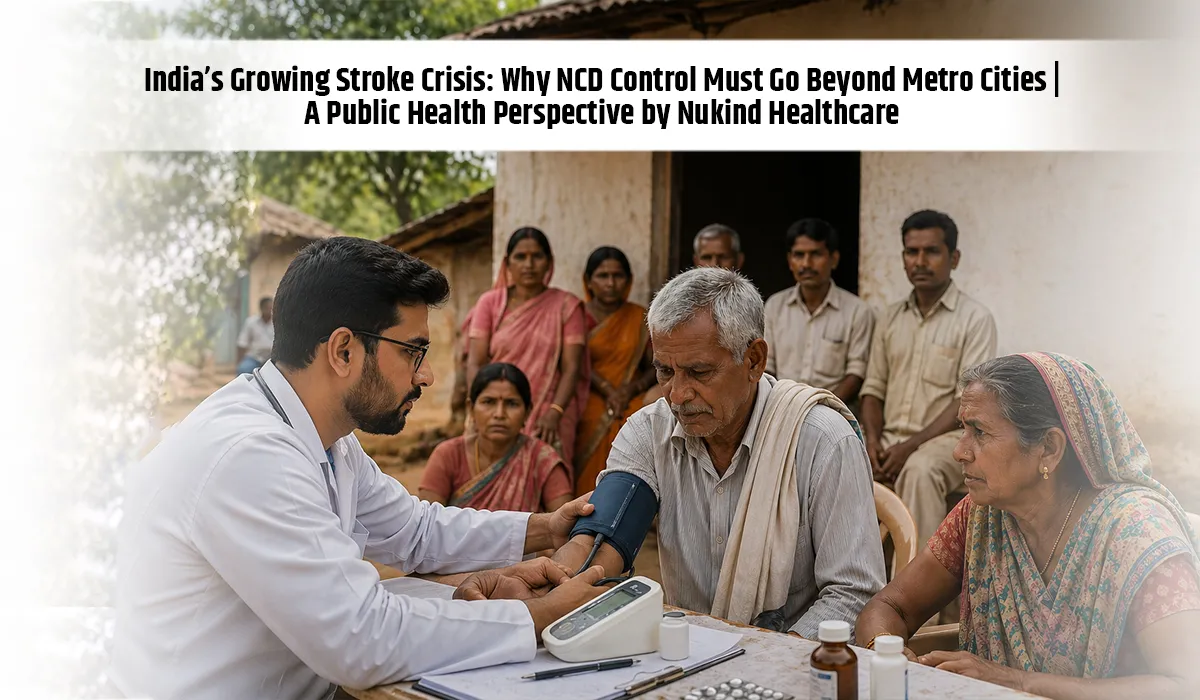
India’s Growing Stroke Crisis: Why NCD Control Must Go Beyond Metro Cities | A Public Health Perspective by Nukind Healthcare

Introduction

A 52-year-old farmer in a small town wakes up one morning unable to move his arm. His speech is slurred. His family assumes it’s fatigue—until it’s too late. By the time he reaches a hospital in the nearest city, critical hours have passed.

This is not an isolated story. It reflects a much larger and urgent issue—India’s growing stroke crisis: why NCD control must go beyond metro cities.

Stroke, a major non-communicable disease (NCD), is rapidly increasing across India—not just in urban centers but also in semi-urban and rural regions. While metro cities have access to advanced healthcare systems, millions living outside these areas lack early diagnosis, preventive care, and timely treatment.

For global audiences, including the USA, this highlights a broader public health concern: how healthcare inequality can impact outcomes, even in fast-growing economies.

Understanding India’s Growing Stroke Crisis: Why NCD Control Must Go Beyond Metro Cities

The phrase India’s growing stroke crisis: why NCD control must go beyond metro cities reflects a shift in disease patterns. Stroke is no longer limited to aging populations in cities—it is affecting younger individuals and underserved populations.

What is a Stroke?

A stroke occurs when blood supply to the brain is interrupted, leading to brain cell damage. It can be:

  • Ischemic stroke: Caused by blockage
  • Hemorrhagic stroke: Caused by bleeding

Both require immediate medical attention.

Why Stroke Cases Are Rising in India

India is witnessing a sharp increase in stroke cases due to lifestyle and environmental changes.

Key contributing factors:

  • Poor diet and nutrition
  • Lack of physical activity
  • Rising hypertension and diabetes
  • Tobacco and alcohol use
  • Stress and pollution

These factors are not limited to cities—they are spreading rapidly to rural and semi-urban areas.

The Urban-Rural Healthcare Gap

One of the biggest reasons behind India’s growing stroke crisis: why NCD control must go beyond metro cities is the disparity in healthcare access.

In metro cities:

  • Advanced hospitals
  • Specialized stroke units
  • Quick emergency response

In non-metro areas:

  • Limited healthcare facilities
  • Lack of specialists
  • Delayed diagnosis and treatment

This gap significantly affects survival and recovery rates.

Why NCD Control Must Extend Beyond Metro Cities

Non-communicable diseases like stroke require long-term management and prevention strategies.

Challenges outside metro cities:

  • Low awareness of symptoms
  • Limited preventive screenings
  • Inadequate healthcare infrastructure
  • Financial constraints

To address India’s growing stroke crisis, NCD control programs must reach grassroots levels.

The Importance of Early Detection and Awareness

Time is critical in stroke management.

Common warning signs (FAST method):

  • F – Face drooping
  • A – Arm weakness
  • S – Speech difficulty
  • T – Time to act

Awareness campaigns can save lives by encouraging early intervention.

Preventive Healthcare: A Key Solution

Prevention is the most effective way to reduce stroke risk.

Key preventive measures:

  • Regular health check-ups
  • Blood pressure monitoring
  • Healthy diet
  • Physical activity
  • Stress management

Preventive healthcare must be made accessible beyond urban populations.

Role of Pharmaceutical Companies in NCD Control

Pharmaceutical companies play a critical role in addressing India’s growing stroke crisis: why NCD control must go beyond metro cities.

Their contributions include:

  • Developing effective medications
  • Supporting awareness campaigns
  • Ensuring affordable drug availability
  • Expanding distribution networks

Companies like Nukind Healthcare contribute by focusing on accessible and reliable healthcare solutions.

Bridging the Gap: Technology and Telemedicine

Technology can help overcome geographical barriers.

Key solutions:

  • Telemedicine consultations
  • Mobile health units
  • Digital health monitoring
  • AI-based diagnostics

These innovations can bring healthcare closer to underserved populations.

Lessons for Global Healthcare Systems (Including the USA)

While the context is India, the message is global.

Healthcare systems worldwide face challenges in:

  • Rural healthcare access
  • Preventive care adoption
  • Managing chronic diseases

The lesson is clear—healthcare must be inclusive and proactive.

Practical Steps to Strengthen NCD Control

To address India’s growing stroke crisis, a multi-layered approach is needed:

Government initiatives:

  • Expand rural healthcare infrastructure
  • Increase funding for NCD programs

Healthcare providers:

  • Focus on early diagnosis
  • Promote preventive care

Individuals:

  • Adopt healthier lifestyles
  • Recognize early symptoms

Changing Perception: From Treatment to Prevention

Traditionally, healthcare has focused on treatment. However, the future lies in prevention.

A shift toward preventive care can:

  • Reduce disease burden
  • Lower healthcare costs
  • Improve quality of life

This is essential for tackling India’s growing stroke crisis.

The Road Ahead: A Collective Responsibility

Addressing stroke and NCDs requires collaboration between:

  • Government bodies
  • Healthcare providers
  • Pharmaceutical companies
  • Communities

Only a collective effort can ensure that healthcare reaches every corner of the country.

Conclusion

India’s growing stroke crisis: why NCD control must go beyond metro cities is not just a healthcare issue—it is a societal challenge.

From awareness and prevention to infrastructure and innovation, every step matters. Expanding healthcare access beyond urban centers is essential to saving lives and building a healthier future.

For countries like the USA and beyond, the takeaway is clear: healthcare systems must prioritize inclusivity, prevention, and accessibility.

The question is no longer if action is needed—but how soon we can act.

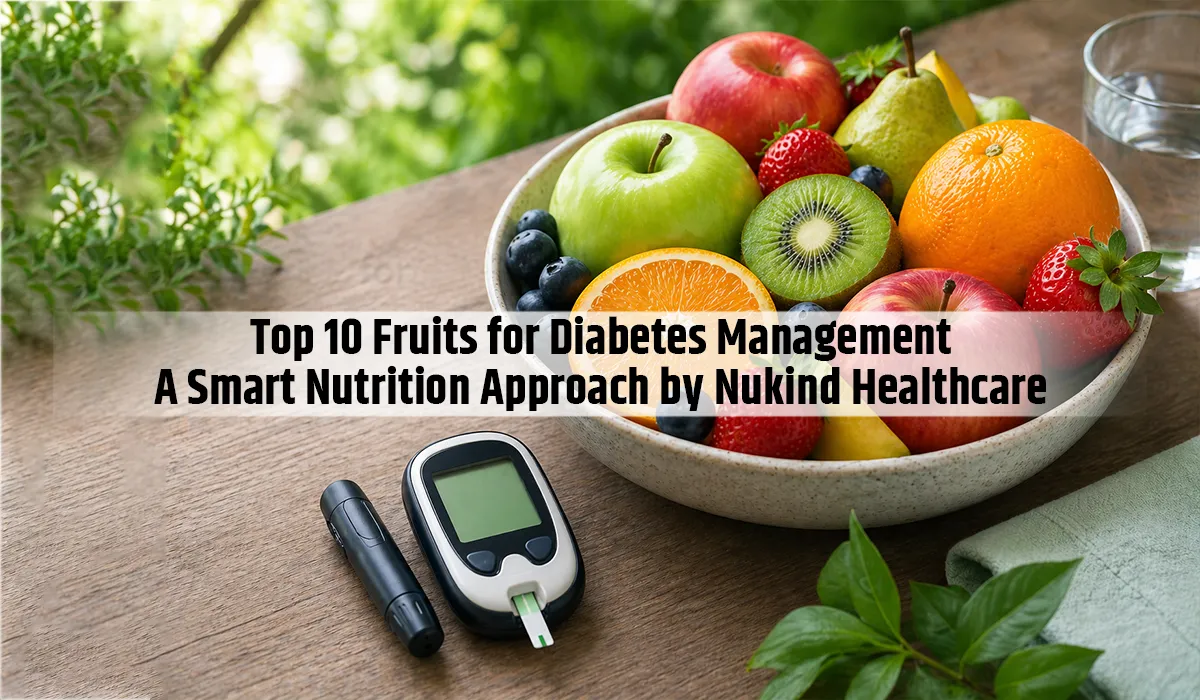
Top 10 Fruits for Diabetes Management: A Smart Nutrition Approach by Nukind Healthcare

Introduction

Can you enjoy fruits while managing diabetes—or should you avoid them completely?

This is one of the most common questions people ask when they’re diagnosed with diabetes. The truth is, fruits are not the enemy. In fact, choosing the right fruits can support blood sugar control, improve digestion, and boost overall health.

Understanding Top 10 Fruits for Diabetes Management: A Smart Nutrition Approach by Nukind Healthcare can help you make smarter dietary choices without giving up natural sweetness. Whether you’re in the USA or anywhere globally, the right fruit selection plays a key role in maintaining balanced glucose levels.

This guide will walk you through the best fruits for diabetes, how they work in your body, and how to include them safely in your daily routine.

What Does “Top 10 Fruits for Diabetes Management: A Smart Nutrition Approach by Nukind Healthcare” Mean?

The phrase Top 10 Fruits for Diabetes Management: A Smart Nutrition Approach by Nukind Healthcare refers to selecting fruits that:

  • Have a low to moderate glycemic index (GI)
  • Are rich in fiber
  • Help slow sugar absorption
  • Support overall metabolic health

Not all fruits affect blood sugar the same way. Some fruits release sugar slowly, making them safer for people managing diabetes.

Why Fruit Choice Matters in Diabetes

Fruits contain natural sugars, but they also provide:

  • Vitamins and minerals
  • Antioxidants
  • Dietary fiber

The key is choosing fruits that do not cause rapid spikes in blood sugar.

Key factors to consider:

  • Glycemic Index (GI)
  • Fiber content
  • Portion size
  • Ripeness level

How Glycemic Index Affects Blood Sugar

The Glycemic Index (GI) measures how quickly food raises blood sugar.

  • Low GI (0–55): Safe and recommended
  • Medium GI (56–69): Moderate consumption
  • High GI (70+): Limit intake

Low GI fruits release sugar slowly, making them ideal for diabetes management.

Top 10 Fruits for Diabetes Management

1. Apples

  • High in fiber
  • Low GI
  • Helps control blood sugar spikes

2. Berries (Strawberries, Blueberries, Raspberries)

  • Rich in antioxidants
  • Low sugar content
  • Improve insulin sensitivity

3. Guava

  • High fiber content
  • Supports digestion
  • Helps regulate glucose levels

4. Oranges

  • Rich in Vitamin C
  • Low GI
  • Boost immunity and hydration

5. Pears

  • High in soluble fiber
  • Slow sugar absorption
  • Improve gut health

6. Kiwi

  • Low GI fruit
  • Rich in Vitamin C and fiber
  • Supports metabolic health

7. Papaya

  • Aids digestion
  • Low sugar content
  • Helps reduce inflammation

8. Avocado

  • Very low sugar
  • Healthy fats
  • Improves insulin sensitivity

9. Cherries

  • Low GI
  • Anti-inflammatory properties
  • Help regulate blood sugar

10. Grapefruit

  • Low GI
  • Supports weight management
  • Improves insulin response

Best Ways to Eat Fruits for Diabetes

To maximize benefits:

  • Eat whole fruits instead of juices
  • Pair fruits with protein or healthy fats
  • Control portion sizes
  • Avoid overly ripe fruits

Fruits to Limit or Avoid

Some fruits can spike blood sugar quickly:

  • Mango (ripe)
  • Banana (overripe)
  • Pineapple
  • Watermelon (in large amounts)

These can still be consumed in moderation with proper portion control.

Practical Tips for Daily Fruit Intake

  • Include 1–2 servings of low GI fruits daily
  • Spread fruit intake throughout the day
  • Combine fruits with meals
  • Monitor blood sugar response

Role of Nutraceutical Support

Along with diet, nutraceutical support can help manage diabetes effectively.

Products focusing on:

  • Blood sugar regulation
  • Antioxidant support
  • Metabolic health

can complement a balanced diet.

Global Perspective: Why This Matters in the USA

Diabetes is a growing concern worldwide, especially in the USA.

Choosing the right fruits:

  • Helps manage glucose levels
  • Supports heart health
  • Reduces risk of complications

A smart nutrition approach is essential for long-term health.

Common Myths About Fruits and Diabetes

Myth 1: Diabetics should avoid fruits completely

Fact: The right fruits are beneficial.

Myth 2: All fruits raise blood sugar equally

Fact: GI levels vary significantly.

Myth 3: Fruit juices are healthy alternatives

Fact: Juices lack fiber and spike sugar levels.

Conclusion

Managing diabetes doesn’t mean eliminating fruits—it means choosing them wisely.

Understanding Top 10 Fruits for Diabetes Management: A Smart Nutrition Approach by Nukind Healthcare helps you make informed dietary decisions that support long-term health.

By focusing on low GI fruits, portion control, and balanced nutrition, you can enjoy the benefits of fruits while maintaining stable blood sugar levels.

Healthy eating is not about restriction—it’s about making smarter choices every day

Diabetes Control Made Natural: 5 Fruits That Help Manage Blood Sugar | Nukind Healthcare Guide

Introduction

Can something as simple as fruit help manage blood sugar naturally?

For millions of people living with diabetes, every meal choice matters. From checking labels to avoiding sugar spikes, daily decisions can feel overwhelming. But what if nature already provides simple, effective support?

In today’s fast-paced world, where lifestyle diseases are rising globally—especially in countries like the USA and India—managing diabetes is not just about medication. It’s about building sustainable habits, choosing the right foods, and supporting the body from within.

This guide on Diabetes Control Made Natural: 5 Fruits That Help Manage Blood Sugar | Nukind Healthcare Guide explores how specific fruits, when consumed wisely, can play a role in blood sugar control while supporting overall wellness.

Understanding Diabetes and Blood Sugar Control

Diabetes is a condition where the body either doesn’t produce enough insulin or cannot use it effectively. This leads to elevated blood sugar levels.

Common types:

  • Type 1 Diabetes
  • Type 2 Diabetes
  • Gestational Diabetes

Why blood sugar control matters:

  • Prevents long-term complications
  • Supports energy levels
  • Protects heart, kidney, and nerve health

Managing diabetes is not about eliminating food—it’s about choosing the right ones.

The Role of Natural Foods in Diabetes Management

Natural foods, especially fruits, are often misunderstood in diabetes care.

While some fruits are high in sugar, others:

  • Have a low glycemic index (GI)
  • Provide fiber that slows sugar absorption
  • Contain antioxidants that support metabolism

The key is balance and selection.

Diabetes Control Made Natural: Why Fruits Matter

The idea behind diabetes control made natural is simple—support your body with foods that work with your system, not against it.

Fruits can:

  • Help regulate glucose levels
  • Improve digestion
  • Reduce inflammation
  • Support overall immunity

When paired with a healthy lifestyle, they become powerful tools.

5 Fruits That Help Manage Blood Sugar Naturally

1. Apple – The Fiber-Rich Stabilizer

Apples are rich in soluble fiber, which slows sugar absorption.

Benefits:

  • Helps maintain steady blood sugar levels
  • Supports gut health
  • Keeps you full longer

Best way to consume: Whole fruit, not juice

2. Guava – Low GI, High Nutrition

Guava is one of the best fruits for diabetics due to its low glycemic index.

Benefits:

  • Rich in fiber and Vitamin C
  • Helps improve insulin sensitivity
  • Supports digestion

3. Berries – Antioxidant Powerhouses

Strawberries, blueberries, and raspberries are excellent choices.

Benefits:

  • Low in sugar
  • High in antioxidants
  • Help reduce inflammation

4. Papaya – Gentle on Blood Sugar

Papaya is easy to digest and supports metabolic health.

Benefits:

  • Low glycemic load
  • Supports digestion
  • Helps reduce oxidative stress

5. Pear – Slow Sugar Release

Pears contain natural sugars that are absorbed slowly.

Benefits:

  • Helps control glucose spikes
  • Rich in fiber
  • Supports heart health

How to Include Fruits Safely in a Diabetic Diet

Eating fruit is beneficial—but timing and quantity matter.

Smart tips:

  • Eat fruits in moderation
  • Avoid fruit juices
  • Pair fruits with protein or nuts
  • Monitor blood sugar response

Comparing Fruits: What to Choose and What to Limit

Recommended FruitsLimit Intake
AppleMango
GuavaGrapes
BerriesBanana (in excess)
PearPineapple

Choosing wisely can make a significant difference.

Lifestyle Tips for Better Blood Sugar Control

Fruits alone are not enough. A holistic approach works best.

Key habits:

  • Stay physically active
  • Maintain a balanced diet
  • Stay hydrated
  • Get proper sleep
  • Manage stress

The Role of Nutraceutical Support in Diabetes Care

Along with diet, nutraceuticals can support overall health.

Products from Nukind Healthcare focus on:

  • Antioxidant support
  • Metabolic balance
  • Daily wellness

These supplements complement—not replace—healthy habits.

Real-Life Example: Small Changes, Big Impact

Consider someone who replaces sugary snacks with apples and berries, walks daily, and maintains hydration.

Within weeks:

  • Energy improves
  • Sugar spikes reduce
  • Overall health feels better

This shows the power of consistent, small changes.

Common Myths About Fruits and Diabetes

Myth 1: Diabetics should avoid fruits completely

Truth: The right fruits in moderation are beneficial.

Myth 2: All fruits raise blood sugar equally

Truth: Low-GI fruits have minimal impact.

Myth 3: Fruit juice is healthy

Truth: Juice lacks fiber and causes spikes.

Global Perspective: Diabetes and Nutrition

Countries like the USA and India are seeing a rapid rise in diabetes cases.

Key reasons:

  • Sedentary lifestyle
  • Processed food consumption
  • Lack of preventive care

Natural nutrition is becoming a global solution.

Conclusion

Managing diabetes doesn’t have to be complicated.

By understanding the concept of diabetes control made natural, you can make smarter choices that support your body every day. Fruits like apples, guava, berries, papaya, and pears offer a simple yet effective way to manage blood sugar levels.

Combined with a balanced lifestyle and the right nutritional support, these natural solutions can help you live a healthier, more active life.

The key is consistency, awareness, and choosing what truly supports your well-being.

Why Healthcare Professionals Trust Nukind for Reliable Pharmaceutical Solutions


Why Healthcare Professionals Trust Nukind for Reliable Pharmaceutical Solutions comes down to consistent quality, ethical manufacturing, regulatory compliance, and patient-first innovation. Doctors and distributors rely on Nukind for dependable formulations, transparent practices, and long-term healthcare partnerships.

Introduction: What Makes a Pharmaceutical Partner Truly Reliable?

When a doctor prescribes a medicine, they are placing their reputation—and a patient’s health—on the line. Behind every prescription is trust. Trust in the formulation. Trust in the quality system. Trust in the pharmaceutical company that made it.

So the real question is: Why Healthcare Professionals Trust Nukind for Reliable Pharmaceutical Solutions?

In an industry where consistency, compliance, and credibility define success, healthcare providers choose partners who deliver more than products. They choose companies that uphold science, safety, and ethical responsibility. That is exactly why healthcare professionals trust Nukind for reliable pharmaceutical solutions across therapeutic categories.

This article explains how Nukind combines quality systems, innovation, and long-term commitment to healthcare excellence—making it one of the most dependable pharmaceutical partners in India.

What Does “Reliable Pharmaceutical Solutions” Really Mean?

Reliability in pharmaceuticals goes beyond manufacturing.

It includes:

  • Strict adherence to WHO-GMP and ISO standards
  • Batch-to-batch consistency
  • Clinically relevant formulations
  • Transparent documentation
  • Timely supply chain management

Healthcare professionals trust Nukind for reliable pharmaceutical solutions because reliability is built into every stage—from raw material sourcing to final packaging.

When a hospital or clinic chooses a pharmaceutical partner, they look for:

  • Product safety
  • Regulatory compliance
  • Consistent therapeutic performance
  • Ethical marketing practices

Nukind aligns with all these expectations.

Why Healthcare Professionals Trust Nukind for Reliable Pharmaceutical Solutions

Let’s break this down into the core pillars that matter most to doctors and healthcare institutions.

1. Evidence-Based Formulation Development

Nukind does not rely on trends. It relies on science.

Every formulation is:

  • Developed with clinical relevance
  • Backed by pharmacological research
  • Designed for optimal bioavailability

This science-first approach is a key reason why healthcare professionals trust Nukind for reliable pharmaceutical solutions in anti-diabetic, cardiovascular, gastro-intestinal, and ortho categories.

2. Strong Quality Assurance Systems

Quality is not inspected at the end. It is built from the beginning.

Nukind follows:

  • WHO-GMP manufacturing guidelines
  • ISO-certified quality systems
  • In-process quality monitoring
  • Stability testing under real-time and accelerated conditions

Healthcare providers depend on consistent outcomes. That consistency builds confidence.

3. Transparency in Documentation and Compliance

In today’s regulatory environment, documentation matters as much as the product.

Nukind maintains:

  • Complete batch traceability
  • Validated testing protocols
  • Regulatory-ready dossiers
  • Transparent audit practices

This is another reason why healthcare professionals trust Nukind for reliable pharmaceutical solutions—because compliance is visible, verifiable, and consistent.

How Does Nukind Maintain Therapeutic Excellence Across Categories?

Healthcare professionals look for pharmaceutical partners who can deliver across multiple specialties without compromising quality.

Nukind offers solutions in:

  • Anti-Diabetic care
  • Cardio-Vascular support
  • Gastro-Intestinal formulations
  • Analgesics and ortho care
  • Topical therapies
  • Anti-infectives

Each therapeutic segment follows the same quality benchmark.

This unified standard strengthens trust.

The Role of Experience in Building Trust

Experience reduces uncertainty.

With over a decade of industry presence, Nukind understands:

  • Changing regulatory frameworks
  • Market demand cycles
  • Prescriber expectations
  • Pharmacovigilance responsibilities

Why Healthcare Professionals Trust Nukind for Reliable Pharmaceutical Solutions also stems from practical experience in navigating complex healthcare ecosystems.

Experience builds predictability. Predictability builds trust.

Ethical Business Practices in Healthcare

Trust collapses when ethics fail.

Nukind emphasizes:

  • Transparent pricing models
  • Honest product communication
  • No exaggerated therapeutic claims
  • Long-term distributor relationships

Healthcare professionals prefer partners who prioritize patient outcomes over short-term gains.

That ethical clarity differentiates Nukind.

How Nukind Supports Healthcare Professionals Beyond Products

Reliable pharmaceutical solutions include support systems.

Nukind provides:

  • Timely supply management
  • Technical assistance
  • Product information clarity
  • Partner communication channels

Healthcare providers need responsive partners. Reliability includes accessibility.

Why Is Consistency So Important in Pharmaceutical Manufacturing?

Consistency ensures:

  • Same therapeutic effect every time
  • Reduced patient risk
  • Stronger physician confidence
  • Stable supply chains

When healthcare professionals trust Nukind for reliable pharmaceutical solutions, they trust that every batch meets the same safety and efficacy benchmarks.

Consistency removes doubt.

Patient-First Philosophy: The Core of Pharmaceutical Trust

Healthcare is about people—not just products.

Nukind prioritizes:

  • Patient safety
  • Therapeutic relevance
  • Evidence-backed dosing
  • Compliance-driven processes

This patient-first mindset is one of the strongest reasons why healthcare professionals trust Nukind for reliable pharmaceutical solutions across India.

How Does Nukind Compare to Other Pharmaceutical Companies?

While many pharmaceutical companies focus on scale, Nukind focuses on:

  • Precision
  • Quality depth
  • Ethical partnerships
  • Long-term healthcare impact

Instead of chasing volume, Nukind emphasizes dependable growth.

Healthcare professionals value reliability over expansion alone.

Conclusion: Trust Is Earned, Not Claimed

Why Healthcare Professionals Trust Nukind for Reliable Pharmaceutical Solutions is not a marketing statement—it is the result of measurable quality systems, ethical practices, and scientific rigor. Healthcare professionals need predictability, compliance, and integrity.

Nukind delivers all three.

If you are a healthcare provider, distributor, or industry partner seeking dependable pharmaceutical collaboration, explore how Nukind’s commitment to reliability can support your mission.

Web Stories

From Wellness to Treatment: Exploring Nukind’s Diverse Product Portfolio

Introduction: What Does Real Healthcare Look Like Today?

Have you ever noticed how healthcare usually starts only after a problem appears? A headache begins. Energy drops. Digestion weakens. Joint pain increases. And then we look for treatment. But what if healthcare didn’t begin with illness? What if it started with prevention?

From Wellness to Treatment: Exploring Nukind’s Diverse Product Portfolio is about that very journey — a healthcare model that supports daily wellness while also delivering reliable treatment when needed.

In today’s fast-paced world, people need more than medicines. They need balanced solutions — nutrition, preventive care, targeted therapy, and safe personal wellness products. This is where From Wellness to Treatment: Exploring Nukind’s Diverse Product Portfolio becomes relevant for individuals, healthcare professionals, and distribution partners alike.

Let’s explore how Nukind connects wellness and treatment under one trusted name.

What Does “From Wellness to Treatment” Really Mean?

Healthcare is no longer limited to hospitals and prescriptions.

Modern healthcare includes:

  • Preventive nutrition
  • Lifestyle support
  • Targeted therapeutic medicines
  • Safe personal care
  • Herbal and traditional wellness

The idea behind From Wellness to Treatment: Exploring Nukind’s Diverse Product Portfolio is simple: Support the body daily. Treat it responsibly when needed.

This integrated approach improves long-term outcomes and builds trust in healthcare systems.

Why Is Preventive Wellness Important in Modern Healthcare?

Many chronic conditions begin silently.

  • Weak immunity
  • Nutritional deficiencies
  • Lifestyle-related fatigue
  • Hormonal imbalance
  • Joint degeneration

Preventive wellness reduces risk before complications arise.

Nukind’s nutraceutical and wellness range focuses on:

  • Immune support
  • Energy enhancement
  • Bone and joint care
  • Women’s health support
  • Cardiovascular nutrition

This is the first half of From Wellness to Treatment: Exploring Nukind’s Diverse Product Portfolio — strengthening the body before treatment becomes necessary.

How Does Nukind Bridge Wellness and Pharmaceutical Treatment?

The real strength lies in integration.

Nukind operates across multiple verticals:

  • Pharmaceuticals
  • Nutraceuticals
  • Personal Care
  • Ayurveda & Herbals

This allows seamless transition from: Daily Support → Targeted Therapy → Long-Term Management

For example:

  • A person managing diabetes may use nutritional support alongside prescribed anti-diabetic medicines.
  • Joint pain management may combine ortho nutraceuticals with topical analgesics.

This holistic ecosystem defines From Wellness to Treatment: Exploring Nukind’s Diverse Product Portfolio in practical terms.

Pharmaceuticals: Targeted, Evidence-Based Therapeutics

Therapeutic care remains the backbone of healthcare.

Nukind’s pharmaceutical portfolio includes:

  • Anti-Diabetic formulations
  • Cardio-Vascular medicines
  • Gastro-Intestinal treatments
  • Anti-Infectives
  • Analgesics
  • Topicals

Each category is developed under strict compliance standards.

Why This Matters:

  • Chronic diseases require consistency.
  • Quality manufacturing ensures safety.
  • Regulatory alignment builds confidence.

From Wellness to Treatment: Exploring Nukind’s Diverse Product Portfolio demonstrates that treatment is never isolated from safety and compliance.

Nutraceuticals: The Science of Daily Support

Wellness begins at the cellular level.

Nukind’s nutraceutical segment focuses on:

  • Curcumin & Omega combinations
  • Coenzyme-based formulations
  • Vitamin D and mineral blends
  • Herbal energy boosters

These products support:

  • Immunity
  • Metabolism
  • Inflammation balance
  • Energy production

In the framework of From Wellness to Treatment: Exploring Nukind’s Diverse Product Portfolio, nutraceuticals form the preventive shield.

Personal Care: Everyday Health Maintenance

Healthcare also lives in daily hygiene.

Personal care solutions include:

  • Medicated soaps
  • Pain relief gels
  • Oral care gels
  • Skin-support formulations

These products:

  • Prevent infections
  • Reduce discomfort
  • Improve hygiene
  • Enhance confidence

From Wellness to Treatment: Exploring Nukind’s Diverse Product Portfolio highlights how even small daily habits influence long-term health outcomes.

Ayurveda & Herbal Solutions: Traditional Wisdom Meets Modern Validation

India’s healthcare tradition includes herbal science.

Nukind’s herbal and Ayurvedic products include:

  • Honey-based wellness syrups
  • Women’s herbal tonics
  • Immunity boosters
  • Pediatric herbal formulations

These solutions:

  • Complement modern medicine
  • Offer gentle long-term support
  • Align with preventive wellness philosophy

By integrating herbal wisdom into modern systems, Nukind strengthens the full spectrum of From Wellness to Treatment: Exploring Nukind’s Diverse Product Portfolio.

How Does Nukind Ensure Safety and Quality?

Quality is not optional in healthcare.

Key practices include:

  • WHO-GMP compliant manufacturing
  • ISO-certified processes
  • Batch-wise testing
  • Stability studies
  • Controlled raw material sourcing

Transparency builds credibility.

This commitment reinforces the trust behind From Wellness to Treatment: Exploring Nukind’s Diverse Product Portfolio

Who Benefits from Nukind’s Diverse Product Portfolio?

Patients

  • Access preventive and therapeutic care under one brand.

Healthcare Professionals

  • Reliable treatment options with compliance support.

Distributors & Partners

  • Wide therapeutic portfolio.
  • Strong demand categories.
  • Ethical business model.

Families

  • Daily wellness + treatment backup in one ecosystem.

This multi-layered benefit system explains why From Wellness to Treatment: Exploring Nukind’s Diverse Product Portfolio is relevant across India.

How Does an Integrated Portfolio Improve Long-Term Healthcare Outcomes?

Fragmented care increases risk.

Integrated healthcare:

  • Improves compliance
  • Reduces complication rates
  • Encourages preventive habits
  • Strengthens treatment outcomes

When wellness and treatment are aligned, recovery becomes smoother.

This synergy defines From Wellness to Treatment: Exploring Nukind’s Diverse Product Portfolio.

The Growing Importance of Trusted Indian Pharmaceutical Companies

India plays a major role in global pharmaceutical supply.

What differentiates responsible companies?

  • Ethical practices
  • Quality assurance
  • Transparency
  • Research-backed formulations

Nukind operates within this evolving ecosystem, contributing to safe, scalable healthcare solutions.

Conclusion

Healthcare should not begin at diagnosis. It should begin with awareness. From Wellness to Treatment: Exploring Nukind’s Diverse Product Portfolio shows how integrated healthcare supports prevention, treatment, and long-term management under one trusted system. Whether it’s daily nutrition, targeted therapy, or herbal wellness, the journey from prevention to cure becomes smoother when supported by quality and trust.

Web Stories

Nukind’s Approach to Patient-First Healthcare Innovation

Nukind’s Approach to Patient-First Healthcare Innovation focuses on safety, science-backed formulations, ethical practices, and long-term patient trust. Every product is designed around real patient needs, not just market trends.

A Simple Question That Changes Everything

What if every medicine you used was designed not for sales targets—but for you?

In a healthcare world driven by rapid growth and constant innovation, one principle often determines real success: putting the patient first. Nukind’s Approach to Patient-First Healthcare Innovation is built on that exact foundation. It is not just about manufacturing medicines. It is about building safer, smarter, and more responsible healthcare solutions that improve lives.

Across therapeutic categories—from pharmaceuticals and nutraceuticals to personal care and herbal wellness—Nukind’s Approach to Patient-First Healthcare Innovation ensures that every formulation begins with one core question: Will this genuinely benefit the patient?

What Does Patient-First Healthcare Innovation Really Mean?

Patient-first innovation means:

  • Designing products around real patient needs
  • Prioritizing safety over speed
  • Following strict compliance and quality systems
  • Listening to healthcare professionals
  • Focusing on long-term wellness

In simple words, it shifts the focus from “What can we sell?” to “What does the patient need?”

Nukind’s Approach to Patient-First Healthcare Innovation transforms this idea into measurable action through research, quality assurance, and ethical responsibility.

Why Patient-Centered Innovation Matters in Modern Healthcare

Healthcare today faces three major challenges:

  1. Rising chronic diseases
  2. Increasing patient awareness
  3. Demand for safer, affordable solutions

Patients no longer accept generic solutions. They want:

  • Transparency
  • Evidence-backed ingredients
  • Clear safety standards
  • Reliable results

This is where how Nukind prioritizes patient safety in pharmaceutical development becomes central to its growth strategy.

The Core Philosophy Behind Nukind’s Innovation Model

At the heart of Nukind’s Approach to Patient-First Healthcare Innovation are three pillars:

1. Science-Led Development

Every product undergoes formulation review based on clinical relevance and therapeutic value.

2. Compliance-Driven Manufacturing

WHO-GMP aligned systems ensure process integrity and safety.

3. Ethical Healthcare Responsibility

No shortcuts. No compromises.

This balanced model supports both healthcare professionals and end users.

How Nukind Prioritizes Patient Safety in Pharmaceutical Development

Patient safety is not a department. It is a culture.

Nukind integrates:

  • Raw material qualification testing
  • In-process quality control monitoring
  • Stability studies under real and accelerated conditions
  • Batch-wise finished product evaluation

These systems ensure that every tablet, capsule, gel, or syrup meets defined safety benchmarks.

When discussing how Nukind prioritizes patient safety in pharmaceutical development, it is important to highlight its continuous quality audits and documented regulatory compliance systems.

Research & Development: Innovation That Serves Patients

True innovation starts in the lab—but it must end in patient benefit.

Nukind’s R&D focus includes:

  • Bioavailability enhancement
  • Stability optimization
  • Formulation refinement
  • Technology transfer accuracy

Rather than launching products quickly, the team evaluates:

  • Ingredient compatibility
  • Therapeutic synergy
  • Long-term safety

This supports Nukind healthcare innovation strategy for long-term wellness, ensuring solutions are sustainable, not temporary fixes.

Addressing Real Health Challenges Through Smart Formulation

Modern healthcare requires:

  • Multi-ingredient combinations
  • Targeted relief mechanisms
  • Enhanced absorption systems

For example:

  • Anti-diabetic formulations focus on glycemic stability.
  • Ortho products target inflammation and joint mobility.
  • Nutraceuticals support preventive care.

Each therapeutic area is aligned with the company’s patient-centered innovation philosophy.

Transparency Builds Trust

Trust cannot be advertised. It must be earned.

Nukind maintains transparency by:

  • Providing clear product information
  • Following ethical marketing practices
  • Ensuring regulatory documentation accuracy

This strengthens the impact of patient-centered innovation in Indian pharmaceutical companies, particularly in competitive healthcare markets.

Integrated Healthcare Solutions Under One Responsible Brand

One key strength of Nukind’s Approach to Patient-First Healthcare Innovation is integration.

The portfolio spans:

  • Pharmaceuticals
  • Nutraceuticals
  • Personal Care
  • Ayurveda & Herbals

This integration allows healthcare providers to access complete solutions from one trusted source.

Internal resources:

  • Learn more about our Pharmaceutical Manufacturing Process
  • Explore Nutraceutical Product Range
  • Discover Ortho Care Solutions

Long-Term Wellness Over Short-Term Gains

Many companies focus on short-term market trends.

Nukind focuses on:

  • Preventive healthcare
  • Lifestyle support
  • Chronic condition management

The goal is to support patients not just today—but for years to come.

This reinforces Nukind healthcare innovation strategy for long-term wellness, which prioritizes sustainability and patient continuity.

Ethical Business Practices: The Invisible Strength

Ethical healthcare innovation includes:

  • Fair pricing models
  • Responsible sourcing
  • Regulatory integrity
  • Transparent partnerships

Healthcare cannot afford shortcuts.

How Does Nukind Stay Competitive Without Compromising Patients?

By investing in:

  • Automation
  • Process validation
  • Continuous improvement
  • Skilled pharmaceutical professionals

Growth is built on credibility, not aggressive expansion.

Conclusion

Healthcare innovation must start with responsibility. Nukind’s Approach to Patient-First Healthcare Innovation proves that science, safety, and trust can work together to create meaningful impact. By prioritizing patient safety, ethical practices, and long-term wellness strategies, Nukind continues to strengthen its position as a trusted healthcare partner. If you believe healthcare should always put patients first, explore more about Nukind’s innovation-driven healthcare model.

Web Stories

Well Being Products

Add to cart
Home

Get in Touch

Footer

Get in Touch

NFACE Mix Fruit Face Wash | Daily Face Cleanser How Bird Flu Is Affecting Wildlife | Wildlife Health Crisis NFACE Blueberry Facewash | Deep Cleansing Face Wash for Healthy Skin Early-Onset Colorectal Cancer: Risk Factors & Prevention The Best Balance Exercise After 40: Improve Stability & Prevent Falls
May I help you?