Imagine waking up to news that a deadly virus has once again begun affecting families, healthcare workers, and entire communities. Schools become quieter, hospitals become busier, and people become more cautious about everyday interactions.
This is the reality many communities in Eastern Democratic Republic of Congo (DRC) have faced during Ebola outbreaks.
Although Ebola is not a new disease, every outbreak reminds the world how quickly infectious diseases can threaten public health. Fortunately, advances in medical research, vaccination, surveillance, and international cooperation have significantly improved the ability to detect and respond to outbreaks.
Understanding Ebola—how it spreads, its symptoms, and the importance of prevention—helps individuals stay informed without unnecessary fear.
What is the Ebola outbreak in Eastern Congo?
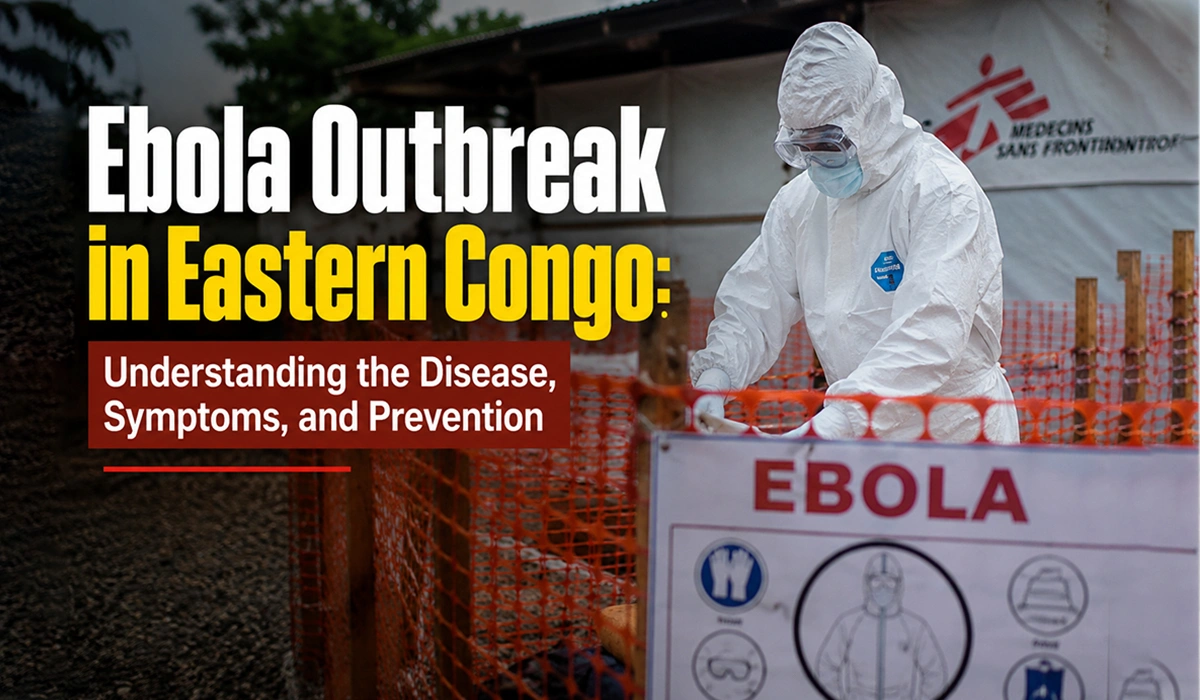
The Ebola outbreak in Eastern Congo refers to confirmed cases of Ebola Virus Disease (EVD) occurring in the eastern provinces of the Democratic Republic of Congo. Ebola is a severe viral illness that spreads through direct contact with infected body fluids or contaminated materials. Early diagnosis, isolation, supportive care, vaccination of contacts, and infection prevention measures are critical to controlling outbreaks.
What Is Ebola?
Ebola Virus Disease (EVD) is a rare but serious viral illness caused by viruses in the Ebolavirus genus. Without timely medical care, it can become life-threatening.
Detailed Explanation
Ebola primarily affects humans and certain animals.
The disease was first identified in 1976 near the Ebola River, from which it takes its name.
Since then, multiple outbreaks have occurred in Central and West Africa.
Modern healthcare systems now have better diagnostic tools, vaccines, and supportive treatment than were available decades ago.
Why Is Eastern Congo Frequently Affected?
Eastern Congo experiences repeated Ebola outbreaks because of ecological, geographical, and healthcare challenges.
Contributing Factors
Dense tropical forests where wildlife reservoirs exist
Remote villages with limited healthcare access
Population movement across borders
Conflict affecting healthcare delivery
Difficulty tracing contacts
Limited medical infrastructure
These factors make rapid outbreak control more challenging.
How Does Ebola Spread?
Ebola spreads through direct contact with infected body fluids or contaminated objects. It is not spread through the air like influenza or COVID-19.
Common Routes of Transmission
Source
Risk
Blood
High
Vomit
High
Saliva
Possible
Urine
Possible
Sweat
Possible
Breast milk
Possible
Semen
Possible
Contaminated needles
High
Medical equipment
High
People are generally not contagious before symptoms begin.
Can Ebola Spread Through Air?
No. Current scientific evidence indicates that Ebola does not spread through the air under normal conditions.
Instead, transmission requires direct exposure to infected body fluids or contaminated surfaces.
Early Symptoms of Ebola
Symptoms usually appear 2–21 days after exposure.
Common Early Symptoms
Sudden fever
Severe headache
Muscle pain
Weakness
Fatigue
Sore throat
Loss of appetite
Because these symptoms resemble malaria, typhoid, or influenza, laboratory testing is necessary for diagnosis.
Advanced Symptoms
As the illness progresses, symptoms may include:
Vomiting
Diarrhea
Severe dehydration
Abdominal pain
Skin rash
Red eyes
Internal bleeding
External bleeding (in some patients)
Organ dysfunction
Not every patient develops visible bleeding.
Incubation Period
Stage
Time
Exposure
Day 0
Incubation
2–21 days
Symptoms begin
Usually 8–10 days
Infectious
After symptoms appear
Who Is at Higher Risk?
Higher-risk groups include:
Healthcare workers
Family caregivers
Laboratory personnel
Burial teams
Individuals with direct contact with infected patients
People exposed to infected wildlife
Proper personal protective equipment (PPE) significantly reduces risk.
How Is Ebola Diagnosed?
Diagnosis relies on laboratory testing because early symptoms overlap with many other infectious diseases.
Doctors may use:
PCR testing
Blood tests
Medical history
Exposure assessment
Contact tracing
Rapid diagnosis helps prevent further transmission.
Treatment Options
There is no simple cure, but early supportive medical care greatly improves survival.
Treatment may include:
Intravenous fluids
Electrolyte replacement
Oxygen support
Blood pressure management
Pain relief
Treatment of secondary infections
Nutritional support
Certain monoclonal antibody therapies have also been used in appropriate clinical settings.
Can Ebola Be Prevented?
Prevention strategies include:
Avoid contact with infected individuals’ body fluids.
Wash hands frequently with soap or alcohol-based sanitizer.
Use appropriate PPE in healthcare settings.
Follow safe burial practices.
Avoid handling sick or dead wildlife.
Seek medical attention promptly if symptoms develop after exposure.
Vaccination Against Ebola
Vaccination has become an important tool in outbreak control.
Healthcare authorities may vaccinate:
Close contacts of confirmed cases
Contacts of contacts
Frontline healthcare workers
Outbreak response teams
This “ring vaccination” strategy helps reduce transmission during outbreaks.
Why Early Detection Matters
Early diagnosis allows:
Faster treatment
Isolation of infected individuals
Protection of healthcare workers
Contact tracing
Reduced community spread
Prompt reporting of symptoms after possible exposure is essential.
How Global Health Organizations Respond
Organizations such as the World Health Organization (WHO) and national public health authorities work together to:
Monitor outbreaks
Support laboratory testing
Train healthcare workers
Provide vaccines
Improve infection prevention and control
Conduct public education campaigns
International collaboration plays a critical role in outbreak response.
Myth vs Fact
Myth
Fact
Ebola spreads through the air
No, it spreads through direct contact with infected body fluids
Every patient experiences bleeding
Not all patients develop bleeding symptoms
Ebola cannot be treated
Early supportive care improves survival
Vaccines are unavailable
Vaccines are available for outbreak response in certain settings
Healthy people spread Ebola
People generally become contagious after symptoms begin
Imagine visiting Australia’s breathtaking coastline and seeing penguins, seals, dolphins, and seabirds struggling to survive—not because of pollution or climate change alone, but because of a rapidly spreading virus.
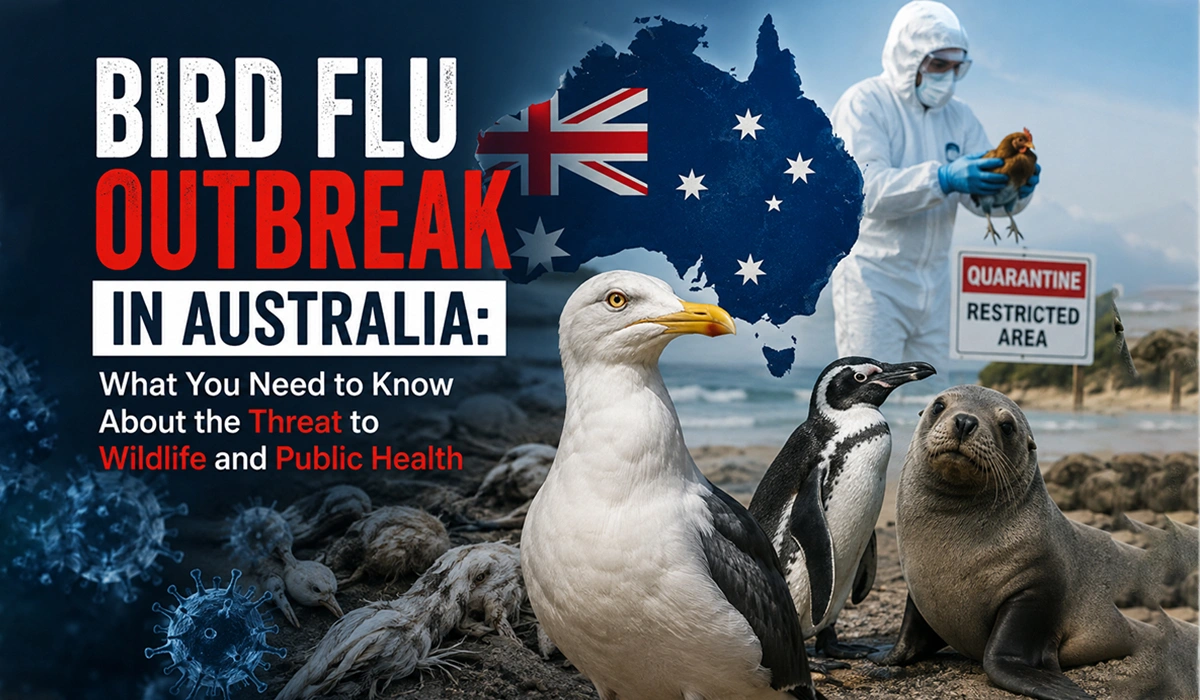
This is the growing reality of the bird flu outbreak in Australia. What was once considered a disease mainly affecting poultry has now expanded into wild birds and several mammal species. Scientists and wildlife experts are increasingly concerned because the virus is affecting ecosystems, biodiversity, food production, and potentially public health.
Although the overall risk to the general public remains low, the outbreak highlights why continuous surveillance, biosecurity, and wildlife conservation are more important than ever.
Whether you are in India, Australia, or anywhere else in the world, understanding bird flu can help you stay informed without unnecessary fear.
Quick Facts About Bird Flu
Topic
Details
Disease
Avian Influenza (Bird Flu)
Virus Type
Influenza A virus
Common Strains
H5N1, H7N9
Primary Hosts
Wild birds and poultry
Can Humans Be Infected?
Yes, but uncommon
Main Transmission
Contact with infected birds or contaminated environments
Current Concern
Spread to wildlife, including some mammals
Prevention
Biosecurity, surveillance, hygiene, avoiding sick or dead birds
What Is Bird Flu?
Bird flu, also known as avian influenza, is a viral infection that mainly affects birds. Certain strains can infect mammals and, in rare cases, humans after close exposure to infected animals.
Understanding Bird Flu
Bird flu is caused by Influenza A viruses, which naturally circulate among wild waterfowl such as ducks, geese, and seabirds. Many wild birds carry the virus without appearing sick, but highly pathogenic strains can cause severe disease and high mortality in domestic poultry and some wild species.
The virus continues to evolve over time, which is why scientists closely monitor new outbreaks across different countries.
Why Is Australia’s Bird Flu Outbreak Making Headlines?
Australia is facing increased concern because bird flu is affecting not only birds but also wildlife, raising questions about ecosystem health and disease monitoring.
Why Experts Are Concerned
Recent outbreaks have drawn attention because they involve:
Wild bird populations
Marine mammals in some regions globally
Increased surveillance efforts
Wildlife conservation challenges
Potential economic impacts on agriculture
Unlike traditional poultry outbreaks, wildlife infections are much harder to control because infected birds migrate across long distances.
This makes international cooperation essential for monitoring disease spread.
Why Does Bird Flu Matter Beyond Birds?
Many people assume bird flu only affects chickens or ducks.
In reality, bird flu can influence:
Wildlife populations
Food production
Poultry farming
International trade
Tourism
Public health preparedness
Biodiversity conservation
Healthy ecosystems depend on balanced wildlife populations. When diseases spread rapidly through wild animals, the effects can ripple across entire food chains.
How Does Bird Flu Spread?
Bird flu spreads mainly through infected birds, their saliva, nasal secretions, droppings, and contaminated surfaces or water sources.
Common Ways Bird Flu Spreads
Direct Contact
Healthy birds coming into contact with infected birds.
Contaminated Water
Wild water birds may spread the virus through lakes and wetlands.
Bird Droppings
Virus particles can survive in contaminated feces.
Equipment
Farm equipment, shoes, clothing, and vehicles may carry the virus between locations.
Migratory Birds
Seasonal migration allows viruses to travel across countries and continents.
Which Animals Can Be Affected?
Although birds remain the primary hosts, researchers have reported infections in several mammal species during recent outbreaks worldwide.
These include:
Penguins
Seals
Sea lions
Foxes
Cats
Dolphins (under investigation in some situations)
Other wild mammals exposed to infected birds
Scientists continue studying how often transmission occurs between different animal species.
Is Bird Flu Dangerous to Humans?
The risk to the general public is currently considered low. Human infections are uncommon and usually occur after close contact with infected birds or contaminated environments.
Human Risk Factors
Higher-risk groups include:
Poultry workers
Veterinarians
Wildlife rescue workers
Bird handlers
Laboratory personnel
Most people are unlikely to become infected during normal daily activities.
However, anyone handling sick or dead birds should follow public health guidance and use appropriate protective equipment.
Symptoms of Bird Flu in Birds
Birds may show:
Sudden death
Swollen head
Lack of energy
Difficulty breathing
Reduced egg production
Purple discoloration of comb or wattles
Loss of appetite
Neurological signs
Wild birds may simply appear weak or unable to fly.
Symptoms in Humans
Although uncommon, symptoms may include:
Fever
Cough
Sore throat
Muscle pain
Fatigue
Eye redness (conjunctivitis)
Difficulty breathing in severe cases
Anyone with symptoms after exposure to infected birds should seek medical advice promptly.
Why Wildlife Conservation Matters
Healthy wildlife populations help maintain:
Balanced ecosystems
Natural food chains
Pollination
Pest control
Biodiversity
Large outbreaks among wild species can disrupt these ecological functions and threaten vulnerable animal populations.
Bird Flu and India: Should People Be Concerned?
India has experienced bird flu outbreaks in poultry from time to time, making surveillance and biosecurity important. Authorities monitor domestic poultry, migratory birds, and wildlife to help detect outbreaks early.
For the general public, following official guidance, avoiding contact with sick or dead birds, and reporting unusual bird deaths to local authorities remain sensible precautions.
How Does Bird Flu Affect Wildlife?
Bird flu can spread rapidly among wild bird populations and, in some cases, infect mammals that come into contact with infected birds. Large outbreaks may disrupt ecosystems, reduce biodiversity, and threaten endangered species.
Wildlife experts are particularly concerned because highly pathogenic avian influenza (HPAI) is no longer limited to poultry farms. The virus has increasingly been detected in wild birds and has been associated with illness and deaths in various mammal species in different parts of the world.
Australia is home to thousands of native bird species and unique wildlife. Protecting these populations is essential not only for biodiversity but also for maintaining healthy ecosystems.
Species that may be affected include:
Seabirds
Ducks
Pelicans
Gulls
Penguins
Raptors
Shorebirds
Some marine mammals
When outbreaks occur in breeding colonies, large numbers of birds can become infected within a short period.
Practical Tip
Never approach or handle sick or dead wild birds. Report unusual wildlife deaths to the appropriate local wildlife or biosecurity authorities.
Why Are Penguins, Dolphins, and Marine Mammals at Risk?
Marine mammals may become infected after exposure to infected birds or contaminated environments. Researchers continue to study how transmission occurs between different wildlife species.
The concern is not limited to birds.
Recent international outbreaks have shown infections in:
Seals
Sea lions
Foxes
Otters
Cats
Dolphins (under investigation in some cases)
Other marine mammals
Scientists believe exposure may occur through:
Contact with infected birds
Feeding on infected carcasses
Shared coastal habitats
Contaminated water sources
Australia’s rich marine biodiversity makes ongoing wildlife surveillance especially important.
How Does Bird Flu Spread?
Bird flu spreads mainly through infected birds, respiratory secretions, saliva, droppings, and contaminated water or surfaces.
Main Transmission Routes
Source
How It Spreads
Wild Birds
Migration and direct contact
Bird Droppings
Contaminate soil and water
Water Bodies
Shared habitats spread infection
Poultry Farms
Close contact between birds
Equipment
Boots, cages, vehicles, tools
Wildlife
Predators and scavengers may be exposed
Migratory birds can carry viruses across thousands of kilometers, making international monitoring essential.
Can Humans Catch Bird Flu?
Human infections are uncommon and usually occur after close contact with infected birds or contaminated environments. For the general public, the overall risk remains low.
Most people do not become infected through everyday activities.
Higher-risk groups include:
Poultry farm workers
Veterinarians
Wildlife rescue teams
Laboratory professionals
Bird handlers
People should avoid touching sick or dead birds without proper protection.
Symptoms of Bird Flu in Birds
Infected birds may develop sudden illness, breathing problems, weakness, or die unexpectedly.
Common signs include:
Sudden death
Difficulty breathing
Swollen head
Reduced appetite
Weakness
Lack of coordination
Reduced egg production
Purple comb or wattles in poultry
Wild birds may simply appear unable to fly or unusually inactive.
Symptoms of Bird Flu in Humans
Although uncommon, bird flu symptoms in humans can resemble seasonal flu but may become severe in some cases.
Possible symptoms include:
Fever
Persistent cough
Sore throat
Muscle aches
Fatigue
Headache
Red or irritated eyes
Shortness of breath
Anyone who develops symptoms after exposure to infected birds should seek medical evaluation promptly.
Why Is This Outbreak Important for Public Health?
Monitoring bird flu helps protect both wildlife and people by identifying outbreaks early and reducing opportunities for the virus to spread.
Public health experts monitor bird flu because influenza viruses can change over time. Continuous surveillance allows authorities to:
Detect outbreaks early
Protect poultry farms
Monitor wildlife
Assess potential risks to humans
Improve emergency preparedness
The current focus is on preventing spread rather than creating unnecessary alarm.
Bird Flu vs Seasonal Flu
Feature
Bird Flu
Seasonal Flu
Cause
Avian Influenza A Virus
Human Influenza Virus
Primary Host
Birds
Humans
Human Infection
Rare
Common
Main Spread
Bird exposure
Person-to-person
Wildlife Impact
Significant
None
Public Risk
Generally Low
Seasonal
How Can You Protect Yourself?
Simple hygiene practices and avoiding contact with sick or dead birds are the best ways to reduce your risk.
Prevention Tips
Avoid handling sick or dead birds.
Wash your hands thoroughly after contact with poultry.
Cook poultry and eggs thoroughly.
Follow local public health and biosecurity advice.
Wear protective equipment if working with birds.
Report unusual bird deaths to authorities.
Even simple precautions can help reduce disease transmission and support wildlife protection.
Twenty-eight-year-old Rahul worked long hours in Bengaluru’s IT sector. His routine included skipping breakfast, consuming fast food, sitting for over ten hours daily, and sleeping late. He rarely exercised because he believed he was still “too young” to worry about health problems.
During a routine medical check-up, an ultrasound revealed something unexpected—Fatty Liver Disease.
Rahul had no pain, no major symptoms, and no history of alcohol consumption.
His story reflects a growing health concern affecting thousands of young adults across India.
Healthcare professionals are witnessing an increasing number of individuals in their 20s and 30s being diagnosed with fatty liver disease, largely due to unhealthy lifestyles, obesity, insulin resistance, and metabolic disorders.
The encouraging news is that fatty liver disease can often be prevented and, in its early stages, improved through healthy lifestyle changes and timely medical care.
What Is Fatty Liver Disease?
Fatty liver disease occurs when excess fat accumulates inside liver cells. While a small amount of fat is normal, excessive fat can interfere with liver function and increase the risk of inflammation and long-term liver damage.
Detailed Explanation
The liver performs more than 500 essential functions, including:
Removing toxins
Producing proteins
Supporting digestion
Regulating metabolism
Storing vitamins
Processing nutrients
When too much fat builds up inside the liver, these vital functions may gradually become impaired.
Among young adults in India, non-alcohol-related fatty liver disease is becoming increasingly common due to sedentary lifestyles and poor dietary habits.
Why Is Fatty Liver Disease Increasing in Young Adults?
Quick Answer
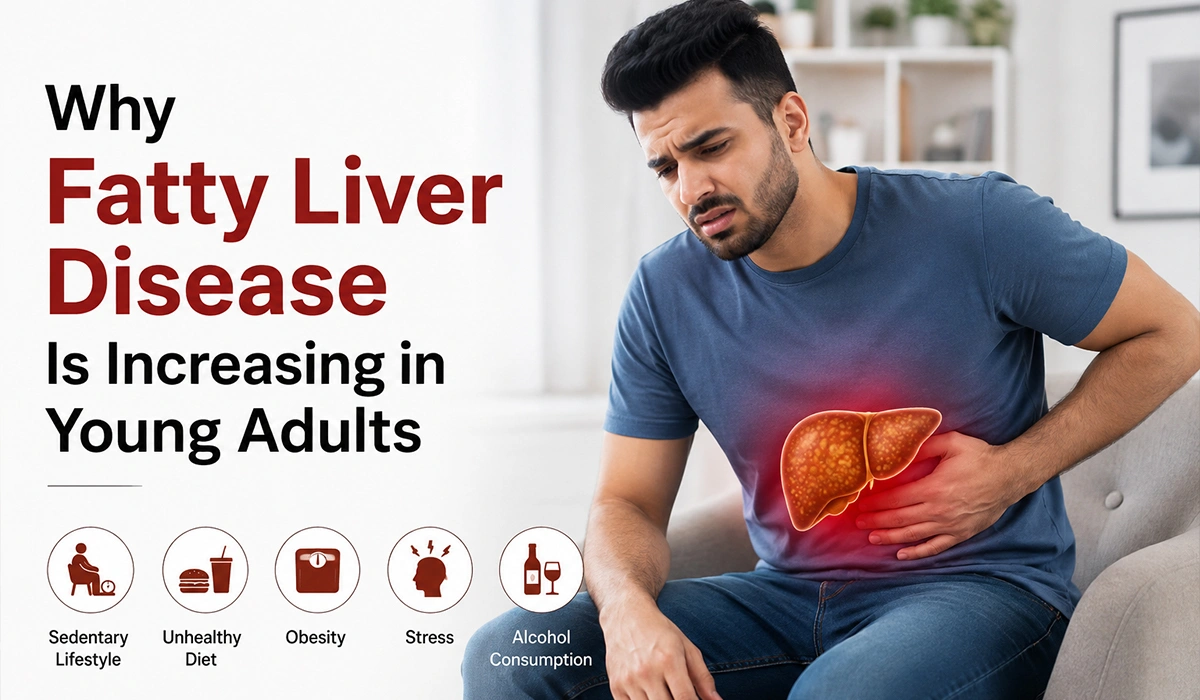
The rise in fatty liver disease among young adults is linked to unhealthy eating habits, reduced physical activity, obesity, prolonged sitting, stress, poor sleep, insulin resistance, and increasing rates of metabolic syndrome.
1. Sedentary Lifestyle
Today’s generation spends more time:
Working on laptops
Watching OTT platforms
Gaming
Using smartphones
Sitting for prolonged periods
Less physical activity means fewer calories are burned, allowing fat to accumulate in the liver over time.
Practical Tip
Aim for at least 30–45 minutes of moderate physical activity most days of the week.
2. Processed Food Consumption
Many young adults consume:
Burgers
Pizza
Instant noodles
Packaged snacks
Sugary beverages
Bakery products
These foods are often high in:
Refined carbohydrates
Saturated fats
Added sugars
Excess calories
Regular consumption may contribute to weight gain, insulin resistance, and fat accumulation in the liver.
3. Sugary Drinks
Soft drinks, energy drinks, packaged fruit juices, and sweetened beverages contain high amounts of added sugar, particularly fructose.
Excessive sugar intake encourages the liver to convert sugar into fat, increasing the risk of fatty liver disease.s
4. Rising Obesity in India
Obesity has become increasingly common among adolescents and young adults.
Excess body fat—especially around the abdomen—is strongly associated with fatty liver disease.
Even individuals who appear slim may develop “lean fatty liver” if they have unhealthy eating habits and low muscle mass.s
5. Insulin Resistance
Insulin resistance occurs when the body’s cells respond poorly to insulin.
As a result:
Blood sugar levels rise.
The liver produces more fat.
Fat accumulates in liver cells.
The risk of type 2 diabetes increases.
Insulin resistance is considered one of the leading contributors to fatty liver disease.s
6. Poor Sleep Habits
Modern lifestyles often include:
Late-night work
Social media scrolling
Irregular sleep schedules
Inadequate sleep duration
Poor sleep may affect metabolism, hormone regulation, appetite, and body weight, all of which can contribute to liver fat accumulation.
Expert Recommendation
Most adults should aim for 7–9 hours of quality sleep each night.s
7. Chronic Stress
Stress influences lifestyle choices by increasing the likelihood of:
Emotional eating
Fast food consumption
Physical inactivity
Poor sleep
These factors collectively increase the risk of metabolic disorders, including fatty liver disease.s
8. Lack of Regular Health Check-ups
Fatty liver disease often develops silently.
Many individuals discover the condition only during:
Routine blood tests
Health check-ups
Ultrasound examinations
Regular preventive screenings can help detect liver-related issues early.s
Common Symptoms of Fatty Liver Disease
Fatty liver disease often causes no symptoms in its early stages. As the condition progresses, some individuals may experience fatigue, discomfort in the upper right abdomen, unexplained weight changes, or abnormal liver function tests.
Possible Symptoms
Persistent fatigue
Feeling weak
Upper right abdominal discomfort
Loss of appetite
Nausea
Difficulty concentrating
Unexplained weight loss (advanced cases)
Elevated liver enzymes on blood tests
Because these symptoms are non-specific, medical evaluation is important for an accurate diagnosis.s
Who Is at Higher Risk?
You may have a higher risk of developing fatty liver disease if you:
Are overweight or obese
Have type 2 diabetes
Have high cholesterol or triglycerides
Have high blood pressure
Consume a diet high in processed foods
Lead a sedentary lifestyle
Have polycystic ovary syndrome (PCOS)
Have a family history of metabolic disorders
Sleep poorly on a regular basis
Fatty Liver Risk Factors Comparison
Healthy Lifestyle
Increased Risk Lifestyle
Regular exercise
Physical inactivity
Balanced diet
Frequent fast food
Fresh fruits & vegetables
Sugary drinks
Adequate sleep
Late-night routines
Healthy body weight
Obesity
Routine health check-ups
Ignoring preventive care
Stress management
Chronic stresss
Key Takeaways
Fatty liver disease is becoming increasingly common among young adults.
Lifestyle habits play a major role in liver health.
Early stages often have no noticeable symptoms.
Healthy eating, regular exercise, quality sleep, and routine health check-ups can significantly reduce the risk.
Early detection offers the best opportunity to manage the condition effectively.
How Is Fatty Liver Disease Diagnosed?
Fatty liver disease is diagnosed using a combination of medical history, physical examination, blood tests, imaging studies, and, in selected cases, additional specialized investigations.
Common Diagnostic Tests
Test
Purpose
Liver Function Test (LFT)
Measures liver enzymes
Ultrasound
Detects fat accumulation in the liver
FibroScan
Assesses liver stiffness and fibrosis
CT Scan / MRI
Provides detailed liver imaging
Blood Sugar Test
Identifies diabetes or prediabetes
Lipid Profile
Measures cholesterol and triglycerides
BMI & Waist Circumference
Evaluates obesity risk
Regular health check-ups are especially important for individuals with obesity, diabetes, or metabolic syndrome.s
Can Fatty Liver Disease Be Reversed?
Yes. In many individuals, especially during the early stages, fatty liver disease can improve with healthy lifestyle changes, weight management, regular exercise, and appropriate medical guidance.
What Helps Improve Liver Health?
Healthy weight loss
Balanced nutrition
Daily physical activity
Blood sugar control
Cholesterol management
Limiting or avoiding alcohol
Following medical advice
The earlier fatty liver disease is identified, the greater the opportunity to improve liver health.s
Lifestyle Changes That Support Liver Health
Healthy lifestyle habits remain the cornerstone of managing fatty liver disease. Small, consistent changes often have a significant positive impact over time.
Recommended Lifestyle Habits
Eat a Balanced Diet
Choose:
Fresh fruits
Green vegetables
Whole grains
Lean protein
Low-fat dairy
Healthy fats
Limit:
Sugary drinks
Processed foods
Fried foods
Refined carbohydrates
Excess sweets
Exercise Regularly
Aim for:
150 minutes of moderate exercise weekly
Brisk walking
Cycling
Swimming
Jogging
Yoga
Strength training twice weekly
Regular exercise helps improve metabolism and supports healthy liver function.s
Maintain a Healthy Weight
Even modest weight reduction may help decrease liver fat and improve overall metabolic health.
Focus on gradual, sustainable lifestyle changes rather than rapid weight-loss methods.s
Get Enough Sleep
Adults generally benefit from:
7–9 hours of sleep
Fixed bedtime routine
Reduced screen time before bed
A quiet sleeping environment
Quality sleep supports hormone balance and healthy metabolism.s
Manage Stress
Helpful stress-management techniques include:
Meditation
Yoga
Deep breathing
Walking outdoors
Reading
Spending time with family
Managing stress supports both mental and physical well-being.s
Foods That Support Liver Health
A nutrient-rich diet with fiber, lean protein, healthy fats, fruits, and vegetables supports overall liver health and helps maintain a healthy weight.
Eat More
Limit
Fruits
Sugary drinks
Green vegetables
Fast food
Oats
White bread
Brown rice
Bakery products
Lentils
Deep-fried foods
Fish
Processed meat
Nuts
Chips
Olive oil
Excess sweets
One-Day Liver-Friendly Meal Plan
Meal
Healthy Choice
Breakfast
Oats with fruit & nuts
Mid-Morning
Apple or guava
Lunch
Brown rice, dal, vegetables & salad
Evening Snack
Roasted chana or sprouts
Dinner
Grilled paneer/fish/chicken with vegetables
Hydration
Water throughout the day
Exercise Plan for Young Adults
Exercise
Duration
Brisk Walking
30 minutes
Cycling
30 minutes
Swimming
30–45 minutes
Jogging
20–30 minutes
Yoga
20 minutes
Strength Training
2–3 sessions/week
Consistency matters more than intensity.
Can Fatty Liver Disease Lead to Complications?
If left unmanaged, fatty liver disease may progress to more serious liver conditions. Early diagnosis and healthy lifestyle changes can help reduce this risk.
Possible Complications
Liver inflammation
Liver fibrosis
Cirrhosis
Reduced liver function
Increased cardiovascular risk
Type 2 diabetes progression
Regular follow-up with a healthcare professional is important for ongoing monitoring.
Myths vs Facts
Myth
Fact
Only alcohol causes fatty liver.
Fatty liver can occur without alcohol use.
Only overweight people get fatty liver.
Lean individuals can also develop it.
Fatty liver always causes pain.
Many people have no symptoms.
Young adults don’t get fatty liver.
Cases are increasing in people in their 20s and 30s.
Fatty liver cannot improve.
Early stages often improve with healthy lifestyle changes.
Why Fatty Liver Disease Is Increasing in India
Urban lifestyles, increasing obesity, sedentary jobs, processed food consumption, and rising diabetes rates have contributed to more cases of fatty liver disease among young adults in India.
Contributing Factors
Longer working hours
Fast-food culture
Screen-based lifestyles
Reduced physical activity
Poor sleep habits
Increased stress
High consumption of sugary beverages
Early awareness and preventive healthcare are becoming increasingly important across India.
Tips to Prevent Fatty Liver Disease
Maintain a healthy body weight.
Exercise regularly.
Eat home-cooked meals more often.
Drink enough water.
Limit sugary beverages.
Reduce processed foods.
Avoid smoking and tobacco.
Limit alcohol intake.
Sleep 7–9 hours each night.
Schedule regular health check-ups.
Manage stress effectively.
Monitor blood sugar and cholesterol if advised.
Real-Life Example
A 30-year-old marketing professional in Delhi was diagnosed with early-stage fatty liver during a routine health check-up. After consulting a healthcare professional, he adopted healthier eating habits, began walking daily, improved his sleep routine, and gradually lost weight over several months. Follow-up evaluations showed improvement in his liver health, highlighting the importance of early diagnosis and consistent lifestyle changes.
Why Fatty Liver Disease Is Increasing in Young Adults – Frequently Asked Questions
1. What is fatty liver disease?
Fatty liver disease is a condition in which excess fat builds up in the liver. In its early stages, it often causes no symptoms but can affect liver health if left unmanaged.
2. Why is fatty liver disease increasing in young adults?
The rise is largely linked to sedentary lifestyles, unhealthy eating habits, obesity, high sugar intake, poor sleep, stress, and increasing rates of diabetes and metabolic syndrome.
3. Can non-drinkers develop fatty liver disease?
Yes. Non-Alcoholic Fatty Liver Disease (NAFLD) can occur in people who drink little or no alcohol. It is commonly associated with obesity, insulin resistance, and unhealthy lifestyle habits.
4. What are the early symptoms of fatty liver disease?
Many people have no symptoms initially. Some may experience fatigue, weakness, discomfort in the upper right abdomen, or abnormal liver function test results.
5. Who is at higher risk of developing fatty liver disease?
People who are overweight, have type 2 diabetes, high cholesterol, high blood pressure, metabolic syndrome, or a sedentary lifestyle are at greater risk.
6. Can fatty liver disease be reversed?
In many cases, early-stage fatty liver disease can improve with healthy eating, regular exercise, weight management, and guidance from a healthcare professional.
7. Which foods are good for fatty liver?
A balanced diet including fruits, vegetables, whole grains, lean proteins, legumes, nuts, and healthy fats can support overall liver health.
8. Which foods should people with fatty liver limit?
It is generally advisable to limit sugary drinks, processed foods, fried foods, refined carbohydrates, excessive sweets, and foods high in saturated fats.
9. How is fatty liver disease diagnosed?
Diagnosis may include a medical history, physical examination, liver function blood tests, ultrasound, FibroScan, or other imaging studies, depending on individual circumstances.
10. Can exercise help reduce fatty liver?
Yes. Regular physical activity supports weight management, improves metabolism, reduces liver fat, and contributes to better overall health.
11. Is fatty liver disease common in India?
Yes. Fatty liver disease is becoming increasingly common in India due to changing lifestyles, increasing obesity, unhealthy dietary habits, and reduced physical activity among young adults.
12. Does fatty liver always cause pain?
No. Most people with early-stage fatty liver disease do not experience pain or noticeable symptoms, making routine health check-ups important.
13. Can people with a normal body weight develop fatty liver disease?
Yes. Some individuals with a normal body weight may develop fatty liver disease due to genetics, poor diet, insulin resistance, or metabolic disorders.
14. How often should I have my liver checked?
People with risk factors such as obesity, diabetes, high cholesterol, or metabolic syndrome should discuss appropriate screening intervals with their healthcare professional.
15. When should I consult a healthcare professional for fatty liver disease?
Seek medical advice if you have persistent fatigue, unexplained abdominal discomfort, abnormal liver test results, obesity, diabetes, or other risk factors for liver disease. Early evaluation can help guide appropriate management.
One visits a doctor only after developing health problems. The other follows a balanced diet, exercises regularly, manages stress, undergoes routine health check-ups, and focuses on preventive healthcare.
Ten years later, the difference between them is remarkable.
The second individual is more likely to maintain better physical health, improved mental well-being, higher productivity, and reduced healthcare expenses.
This shift reflects a global trend. Today’s consumers are no longer waiting for illness to occur before taking action. Instead, they are embracing preventive healthcare to maintain wellness, reduce health risks, and improve quality of life.
In India, this transformation has accelerated due to increasing health awareness, digital access to medical information, rising lifestyle disorders, and growing interest in nutrition, Ayurveda, and wellness products.
Preventive healthcare is becoming a lifestyle rather than a medical choice.
What Is Preventive Healthcare?
Preventive healthcare is the practice of maintaining health and reducing disease risk through healthy lifestyle choices, regular screenings, vaccinations, balanced nutrition, exercise, and early intervention before illnesses develop.
Unlike curative healthcare, which focuses on treating diseases, preventive healthcare aims to reduce the likelihood of developing health problems.
Common preventive healthcare practices include:
Routine health check-ups
Healthy eating
Physical activity
Adequate sleep
Stress management
Vaccinations
Nutritional support
Regular medical screenings
The objective is simple:
Stay healthy instead of waiting to become sick.
Why Preventive Healthcare Is Growing Worldwide
Modern consumers recognize that prevention is often more effective, affordable, and sustainable than treatment.
Several factors are driving this shift.
Rising Lifestyle Diseases
Lifestyle conditions continue to increase globally.
Common examples include:
Diabetes
Obesity
Hypertension
Heart disease
Fatty liver
Stress-related disorders
Most of these conditions are influenced by daily habits.
Consumers are realizing that healthier lifestyles can significantly reduce long-term health risks.
Greater Health Awareness
The internet has transformed healthcare education.
Consumers now have access to:
Medical research
Expert health advice
Nutrition guidance
Fitness resources
Preventive healthcare information
This increased awareness encourages proactive health decisions.
Focus on Long-Term Wellness
Today’s healthcare consumers value:
Healthy aging
Better immunity
Mental wellness
Increased energy
Disease prevention
Instead of searching only for treatments, people are investing in long-term wellness.
Benefits of Preventive Healthcare
Preventive healthcare improves quality of life by reducing disease risk, promoting healthier habits, and supporting long-term physical and mental well-being.
Major benefits include:
Better Physical Health
Healthy habits improve:
Cardiovascular health
Bone strength
Muscle function
Digestive health
Immune function
Reduced Healthcare Costs
Preventing disease often costs far less than treating advanced medical conditions.
Routine health monitoring can reduce expensive emergency treatments and hospitalizations.
Improved Mental Health
Preventive wellness also supports emotional well-being.
Practices such as:
Yoga
Meditation
Regular exercise
Better sleep
help reduce stress and improve overall mental resilience.
Increased Productivity
Healthy individuals generally experience:
Better concentration
Higher energy
Fewer sick days
Improved workplace performance
Preventive healthcare benefits both individuals and organizations.
Key Pillars of Preventive Healthcare
Preventive healthcare is built upon several interconnected pillars.
1. Balanced Nutrition
Nutrition provides the foundation for overall health.
A balanced diet should include:
Fruits
Vegetables
Whole grains
Lean proteins
Healthy fats
Proper nutrition supports immunity, metabolism, and long-term wellness.
2. Regular Physical Activity
Physical activity improves:
Heart health
Muscle strength
Weight management
Mental health
Experts recommend regular movement throughout the week.
3. Quality Sleep
Sleep allows the body to recover.
Poor sleep is associated with:
Reduced immunity
Increased stress
Poor concentration
Chronic fatigue
Adults should prioritize consistent, high-quality sleep.
4. Mental Wellness
Mental health is equally important.
Healthy practices include:
Meditation
Mindfulness
Time management
Social support
Stress reduction
A healthy mind contributes to a healthier body.
How Nutrition Supports Preventive Healthcare
Proper nutrition provides essential vitamins, minerals, proteins, and antioxidants that help maintain normal body functions and support long-term wellness.
Nutritional support may include:
Balanced meals
Functional foods
Herbal ingredients
Nutraceutical products
Consumers increasingly recognize nutrition as one of the strongest preventive healthcare tools.
The Rise of Nutraceuticals
Modern lifestyles often make it difficult to meet nutritional requirements through diet alone.
This has contributed to growing demand for nutraceutical products.
Common wellness categories include:
Multivitamins
Herbal supplements
Protein supplements
Immunity support
Bone health
Women’s wellness
Men’s wellness
Consumers view these products as part of comprehensive wellness strategies rather than replacements for healthy habits.
Ayurveda and Preventive Healthcare
India has practiced preventive healthcare for thousands of years through Ayurveda.
Ayurveda promotes:
Daily wellness routines
Balanced nutrition
Herbal support
Stress management
Seasonal wellness
Digestive health
Many modern consumers are combining traditional wellness principles with evidence-informed healthcare practices.
Technology Is Transforming Preventive Healthcare
Digital health tools make wellness easier than ever.
Popular technologies include:
Fitness trackers
Smartwatches
Health monitoring apps
Telemedicine
Digital nutrition coaching
Online doctor consultations
Consumers can now monitor their health more consistently and make informed decisions.
Why Consumers Trust Preventive Healthcare Brands
Modern healthcare consumers look for brands that demonstrate:
Product quality
Scientific approach
Transparency
Reliable manufacturing
Consumer education
Long-term wellness commitment
Companies like Nukind Healthcare focus on delivering quality healthcare and wellness solutions designed to support preventive health and everyday well-being.
Imagine visiting a doctor not because you are sick, but because you want to stay healthy for years to come.
Just a decade ago, healthcare was primarily focused on treating illness after symptoms appeared. Today, the conversation has changed dramatically. Around the world—and especially in India—people are becoming more aware that prevention is often more effective, affordable, and sustainable than treatment.
Modern healthcare is no longer limited to hospitals, medicines, and surgeries. It now includes healthy eating, nutritional support, regular exercise, mental wellness, preventive screenings, digital health technologies, and informed lifestyle choices.
This transformation is shaping the future of healthcare: wellness, nutrition, and prevention.
Individuals, healthcare providers, governments, and pharmaceutical companies are investing more in preventive care than ever before. The goal is simple: help people stay healthier for longer rather than only treating disease after it develops.
What Is Preventive Healthcare?
Preventive healthcare focuses on maintaining good health and reducing disease risk before illness develops through healthy habits, regular check-ups, vaccinations, nutritional support, and early diagnosis.
Healthcare experts often describe preventive healthcare as the foundation of long-term wellness.
It includes:
Routine health screenings
Healthy nutrition
Physical activity
Stress management
Vaccination
Health education
Regular medical consultation
Rather than waiting for disease, preventive healthcare helps people reduce health risks early.
Example
A person who monitors blood pressure regularly and follows healthy eating habits is more likely to prevent serious cardiovascular disease than someone who waits until symptoms appear.
Why Wellness Is Becoming the New Healthcare Model
Wellness focuses on maintaining physical, mental, emotional, and social health throughout life rather than simply treating disease.
Healthcare is evolving because lifestyle-related diseases continue to increase worldwide.
Conditions such as:
Diabetes
Obesity
Hypertension
Heart disease
Stress-related disorders
are closely linked to daily habits.
Modern wellness encourages people to make healthier decisions before illness occurs.
Practical Tip
Start with one healthy habit every week instead of trying to change everything at once.
Small improvements create lasting results.
The Role of Nutrition in Future Healthcare
Nutrition provides the body with essential vitamins, minerals, proteins, healthy fats, and antioxidants needed for growth, immunity, recovery, and disease prevention.
Poor nutrition contributes to many chronic diseases.
Balanced nutrition supports:
Strong immunity
Healthy bones
Brain function
Heart health
Energy production
Digestive health
Healthcare professionals increasingly recognize nutrition as one of the most effective long-term investments in health.
Nutritional Priorities
Nutrient
Health Benefit
Protein
Muscle maintenance and repair
Calcium
Bone health
Vitamin D
Calcium absorption and immunity
Iron
Oxygen transport and energy
Zinc
Immune support
Omega-3
Brain and heart health
Vitamin C
Antioxidant protection
The Rise of Nutraceuticals in Preventive Healthcare
Nutraceuticals bridge the gap between nutrition and healthcare by supporting overall wellness through scientifically developed nutritional products.
Consumers increasingly use nutraceuticals to complement healthy lifestyles.
Common categories include:
Immunity support
Bone health
Heart wellness
Women’s wellness
Joint support
Protein nutrition
Daily multivitamins
When combined with healthy eating and medical guidance, nutraceuticals can help address nutritional gaps.
Digital Healthcare Is Changing Patient Care
Technology is making healthcare more accessible, personalized, and efficient.
Digital healthcare now includes:
Telemedicine
AI-assisted diagnosis
Electronic health records
Wearable health devices
Mobile health applications
Patients can now monitor:
Blood pressure
Heart rate
Blood glucose
Sleep quality
Physical activity
These technologies encourage continuous health monitoring instead of occasional medical visits.
Example
A smartwatch detecting irregular heart rhythms can encourage earlier medical consultation before serious complications develop.
Why India Is Becoming a Global Healthcare Innovation Hub
India has become one of the world’s fastest-growing healthcare markets.
Several factors contribute to this growth:
Advanced pharmaceutical manufacturing
Strong nutraceutical industry
Skilled healthcare professionals
Digital health innovation
Expanding preventive healthcare awareness
Cities including:
Faridabad
Hyderabad
Bengaluru
Ahmedabad
Mumbai
Pune
are contributing significantly to pharmaceutical research, manufacturing, and healthcare innovation.
India is also becoming an important supplier of pharmaceuticals and wellness products to global markets.
Wellness vs Traditional Healthcare
Feature
Traditional Healthcare
Future Healthcare
Primary Focus
Disease treatment
Disease prevention
Patient Role
Passive
Active participation
Nutrition
Secondary
Essential
Technology
Hospital-based
Digital & connected
Wellness
Limited
Central focus
Healthcare Goal
Recovery
Lifelong health
The future does not replace traditional healthcare. Instead, it combines medical treatment with preventive wellness to improve long-term health outcomes.
Imagine starting every day feeling refreshed, confident, and ready to take on new challenges. Now imagine ending each day knowing you have taken care of your health, appearance, and well-being through simple daily habits.
Many people associate personal care only with skincare products or grooming routines. However, personal care is much broader. It includes hygiene, skin health, oral care, hair care, nutrition, hydration, sleep, and overall wellness.
In today’s fast-paced world, building an effective daily personal care routine is more important than ever. Whether you live in New York, Mumbai, London, Sydney, or any other city, daily personal care habits directly impact physical health, self-confidence, and quality of life.
This guide explores how to create a sustainable personal care routine that supports long-term wellness while helping you look and feel your best every day.
What Is a Daily Personal Care Routine?
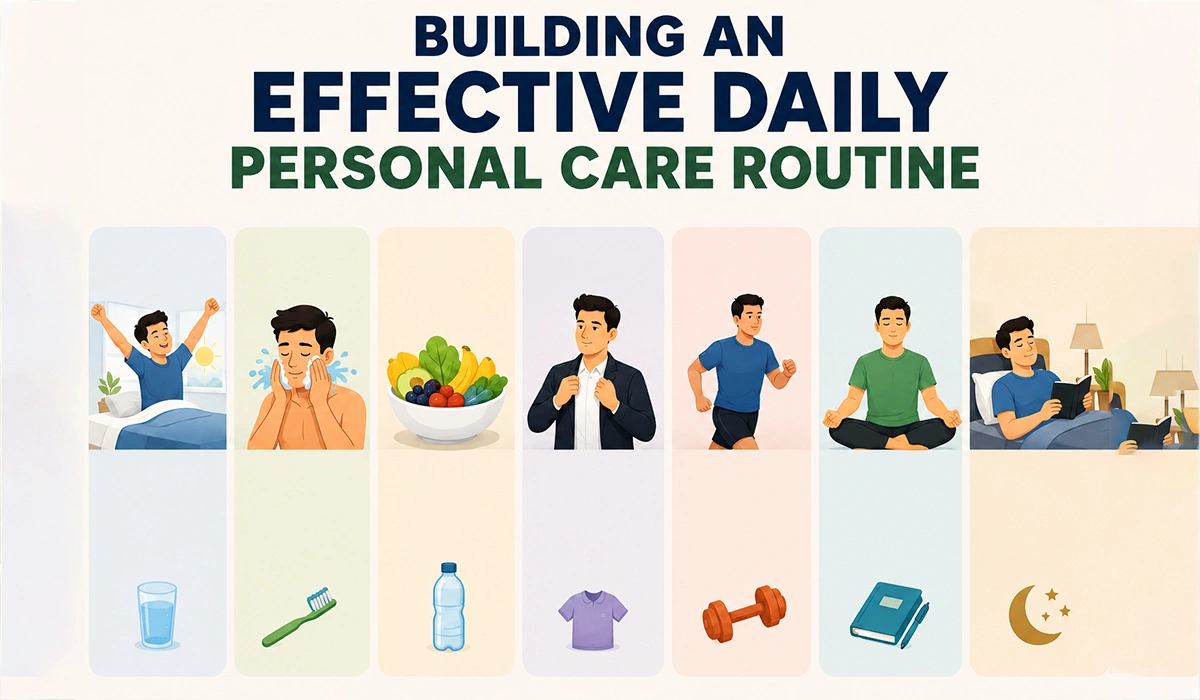
A daily personal care routine is a set of consistent habits that support cleanliness, hygiene, skin health, grooming, wellness, and overall self-care.
Detailed Explanation
Personal care goes beyond appearance. It focuses on maintaining physical health, preventing common skin and hygiene problems, and improving self-confidence.
A complete personal care routine includes:
Skin care
Hair care
Oral hygiene
Bathing habits
Hydration
Sleep management
Nutrition support
Stress management
These daily actions contribute to long-term well-being.
Why Personal Care Matters for Overall Health
Personal care helps prevent infections, improves confidence, supports healthy skin, and promotes better physical and mental wellness.
Detailed Explanation
Good personal care supports:
Benefit
Impact
Better Hygiene
Reduces risk of infections
Healthy Skin
Improves skin appearance
Oral Health
Protects teeth and gums
Self-Confidence
Improves social interactions
Wellness
Supports physical and mental health
Many healthcare professionals view personal care as an important part of preventive healthcare.
Step 1: Start Your Day with Proper Cleansing
Cleansing removes dirt, sweat, oil, and environmental pollutants that accumulate overnight.
Best Practices
Wash your face using a gentle cleanser.
Use lukewarm water.
Avoid harsh soaps.
Pat skin dry instead of rubbing.
Practical Example
People living in cities such as Delhi, Mumbai, New York, or Los Angeles may face higher exposure to pollution, making daily cleansing especially important.
Step 2: Build an Effective Skincare Routine
A skincare routine protects the skin barrier and helps maintain healthy-looking skin.
Basic Skincare Routine
Morning
Cleanser
Moisturizer
Sunscreen
Evening
Cleanser
Treatment products (if needed)
Moisturizer
Common Skin Concerns
Dry skin
Acne
Oily skin
Sensitive skin
Pigmentation
Choosing products suitable for your skin type is essential.
Step 3: Prioritize Oral Care Every Day
Good oral hygiene prevents cavities, gum disease, and bad breath.
Daily Oral Care Checklist
Brush twice daily
Floss once daily
Clean your tongue
Use mouthwash if recommended
Visit a dentist regularly
Expert Insight
Oral health is often linked to overall health, including heart health and immune function.
Step 4: Maintain Healthy Hair Care Habits
Proper hair care supports scalp health and reduces damage.
Hair Care Tips
Wash hair according to hair type
Avoid excessive heat styling
Use mild shampoos
Maintain scalp cleanliness
Eat nutrient-rich foods
Common Hair Problems
Hair fall
Dandruff
Dry scalp
Frizzy hair
Step 5: Stay Hydrated Throughout the Day
Hydration supports skin health, energy levels, digestion, and overall wellness.
Daily Hydration Tips
Drink water regularly
Limit sugary beverages
Consume water-rich fruits
Monitor hydration during hot weather
Benefits of Hydration
Hydration Benefit
Health Impact
Healthy Skin
Improved moisture balance
Better Digestion
Supports gut function
Energy Support
Reduces fatigue
Temperature Regulation
Supports body functions
Step 6: Nutrition and Personal Care
Healthy nutrition plays a major role in skin, hair, nails, and overall wellness.
Nutrients That Support Personal Care
Protein
Vitamin C
Vitamin D
Calcium
Zinc
Omega-3 Fatty Acids
Food Sources
Fruits
Vegetables
Whole grains
Nuts
Dairy products
Lean proteins
Healthy skin often starts with healthy nutrition.
Step 7: Practice Good Bathing and Hygiene Habits
Daily hygiene helps remove sweat, bacteria, and environmental contaminants.
Hygiene Essentials
Daily bathing
Hand washing
Clean clothing
Nail care
Foot care
These habits reduce the risk of infections and promote comfort.
Step 8: Protect Your Skin from Sun Damage
Quick Answer
Sun protection helps reduce premature aging and supports long-term skin health.
Sun Protection Checklist
Apply sunscreen daily
Wear protective clothing
Seek shade during peak hours
Reapply sunscreen when outdoors
Why It Matters
Excessive UV exposure may contribute to skin damage over time.
Step 9: Manage Stress for Better Personal Wellness
Quick Answer
Stress affects both physical appearance and overall health.
Common Effects of Stress
Acne flare-ups
Hair fall
Poor sleep
Fatigue
Stress Management Techniques
Meditation
Exercise
Deep breathing
Time management
Hobbies
Mental wellness is an important part of personal care.
Step 10: Prioritize Quality Sleep
Quick Answer
Sleep supports recovery, skin repair, and overall health.
Healthy Sleep Habits
Sleep 7–9 hours
Follow a consistent schedule
Limit screen exposure before bed
Create a relaxing bedtime routine
Benefits
Improved skin appearance
Better mood
Increased energy
Enhanced concentration
Personal Care Routine Comparison
Basic Routine
Advanced Routine
Face Wash
Cleanser + Serum + Moisturizer
Daily Bath
Customized Skin Care
Brushing Teeth
Complete Oral Care
Water Intake
Hydration Tracking
Basic Grooming
Comprehensive Wellness Approach
Why Consistency Matters More Than Perfection
Small daily habits create long-term results.
Real-World Example
Someone who follows a simple personal care routine every day often sees better results than someone who follows an intensive routine occasionally.
Consistency builds healthier habits and sustainable wellness.
How Personal Care Supports Preventive Healthcare
Personal care helps identify and prevent potential health concerns early.
Preventive Benefits
Better skin monitoring
Improved hygiene
Early identification of concerns
Increased wellness awareness
Healthcare experts increasingly recognize personal care as part of preventive health management.
Common Personal Care Mistakes to Avoid
Mistakes Include
Skipping sunscreen
Overwashing skin
Ignoring hydration
Inconsistent routines
Poor sleep habits
Using unsuitable products
Avoiding these mistakes can improve long-term results.
Why Choose Quality Personal Care Products?
Key Considerations
Ingredient quality
Safety standards
Skin compatibility
Product transparency
Trusted manufacturers
Consumers should choose products that align with their individual needs and wellness goals.
Building an Effective Daily Personal Care Routine Frequently Asked Questions
What is the most important step in a personal care routine?
Consistency is the most important factor. Daily cleansing, hydration, oral care, and sun protection form the foundation.
How often should I follow my personal care routine?
Personal care habits should be followed daily for the best long-term results.
Can personal care improve confidence?
Yes. Good hygiene, healthy skin, and grooming habits often contribute to greater self-confidence.
How much water should I drink daily?
Individual needs vary, but regular hydration throughout the day supports overall wellness.
Is skincare necessary even if I have healthy skin?
Yes. Preventive skincare helps maintain skin health and protect against environmental stressors.
What role does nutrition play in personal care?
Nutrition supports healthy skin, hair, nails, energy levels, and overall wellness.
Conclusion
Building an effective daily personal care routine is one of the simplest and most powerful investments you can make in your health and well-being.
Daily habits such as cleansing, hydration, skincare, oral care, proper nutrition, stress management, and quality sleep work together to support long-term wellness. Personal care is not about perfection or expensive products—it is about consistency.
When practiced regularly, these habits can improve confidence, support preventive healthcare, and contribute to a healthier, happier life.
The best routine is the one you can maintain every day. Start small, stay consistent, and let healthy habits create lasting results.
Imagine two people living in the same city, eating similar foods, and working similar jobs. One follows a simple daily routine—maintaining hygiene, caring for their skin, staying hydrated, exercising regularly, and paying attention to their health. The other ignores these habits until a health problem appears.
Years later, the difference can be significant.
Preventive healthcare is often associated with medical checkups, vaccinations, and health screenings. However, one of the most powerful and accessible forms of preventive healthcare begins at home: personal care.
Personal care is more than looking good. It is about maintaining physical, mental, and emotional well-being through daily habits that support long-term health. From skincare and oral hygiene to nutrition and stress management, personal care helps prevent health issues before they develop into larger concerns.
Understanding why personal care is an important part of preventive healthcare can help individuals make better choices that support a healthier future.
What Is Personal Care?
Personal care refers to daily habits and practices that help maintain hygiene, appearance, health, and overall well-being.
Detailed Explanation
Personal care includes:
Skin care
Hair care
Oral hygiene
Hand hygiene
Nutrition
Sleep habits
Physical activity
Mental wellness practices
These activities help protect the body from illness, infection, and lifestyle-related health challenges.
Practical Tip
Think of personal care as daily maintenance for your body, much like servicing a vehicle before problems occur.
What Is Preventive Healthcare?
Preventive healthcare focuses on preventing diseases and maintaining health rather than treating illness after it develops.
Key Components
Preventive Healthcare Activity
Purpose
Vaccinations
Disease prevention
Health screenings
Early detection
Nutrition
Wellness support
Exercise
Disease risk reduction
Personal care
Daily health protection
Preventive healthcare helps people stay healthier for longer and may reduce healthcare costs over time.
Why Personal Care and Preventive Healthcare Are Connected
Personal care supports preventive healthcare by reducing risks and promoting healthy body functions.
How They Work Together
Personal care habits:
Help reduce infection risks
Support skin health
Improve oral health
Enhance immunity
Encourage healthier lifestyles
Daily self-care often serves as the first line of defense against many health concerns.
How Personal Care Supports Skin Health
Why It Matters
The skin is the body’s largest organ and acts as a protective barrier.
Benefits of Proper Skin Care
Maintains skin barrier function
Reduces irritation
Supports hydration
Promotes healthy appearance
Protects against environmental stressors
Common Personal Care Products
Face washes
Moisturizers
Sunscreens
Cleansers
Herbal skincare products
Example
A daily skincare routine can help maintain healthy skin and support overall hygiene.
Oral Hygiene: A Key Part of Preventive Healthcare
Quick Answer
Good oral care supports both dental and overall health.
Benefits
Reduces plaque buildup
Supports healthy gums
Helps prevent tooth decay
Supports overall wellness
Best Practices
Brush twice daily
Floss regularly
Visit a dentist periodically
Limit excessive sugar intake
Research continues to show connections between oral health and overall health outcomes.
Personal Hygiene and Infection Prevention
Why It Matters
Simple hygiene practices can significantly reduce the spread of harmful microorganisms.
Essential Habits
Hand washing
Bathing regularly
Wearing clean clothes
Proper nail care
Practical Example
Regular handwashing remains one of the simplest and most effective preventive health practices worldwide.
Hair Care and Scalp Wellness
Healthy hair begins with a healthy scalp.
Benefits of Proper Hair Care
Maintains scalp hygiene
Reduces buildup
Supports healthy hair appearance
Enhances confidence
Personal Care Tips
Use suitable hair care products
Avoid excessive heat exposure
Maintain balanced nutrition
Nutrition Is Personal Care from the Inside Out
What you eat directly affects your skin, hair, energy levels, and overall health.
Nutrients That Support Wellness
Nutrient
Benefits
Protein
Tissue repair
Vitamin C
Skin support
Vitamin D
Bone health
Calcium
Strong bones
Zinc
Immunity support
Practical Tip
Balanced nutrition is one of the most effective forms of preventive healthcare.
Mental Wellness Is Personal Care Too
Why Mental Health Matters
Personal care extends beyond physical appearance.
Healthy Mental Wellness Habits
Meditation
Mindfulness
Adequate sleep
Stress management
Social connections
Benefits
Improved focus
Better emotional balance
Enhanced resilience
Mental well-being plays a major role in overall health.
Sleep and Preventive Healthcare
Quick Answer
Sleep is one of the most important personal care practices.
Benefits of Quality Sleep
Supports immunity
Promotes recovery
Enhances concentration
Helps regulate hormones
Recommended Habits
Maintain a consistent sleep schedule
Reduce screen time before bed
Create a relaxing bedtime routine
Physical Activity as Daily Self-Care
Why Exercise Matters
Movement supports both preventive healthcare and personal wellness.
Benefits
Better cardiovascular health
Stronger muscles
Improved mood
Enhanced energy levels
Simple Activities
Walking
Yoga
Cycling
Stretching
Consistency is more important than intensity.
The Role of Personal Care Products in Preventive Healthcare
Personal care products support hygiene, wellness, and daily health maintenance.
Examples
Face washes
Moisturizers
Herbal soaps
Hair care products
Oral care products
What to Look For
Quality ingredients
Suitable formulations
Safety standards
Trusted manufacturers
Personal Care Across Different Life Stages
Children
Focus on hygiene and healthy habits.
Teenagers
Support skin care and nutrition.
Adults
Balance wellness, work, and self-care.
Seniors
Prioritize skin hydration, oral care, and mobility.
Personal care needs evolve throughout life.
Why Consumers Are Choosing Preventive Wellness
Current Trends
People are becoming more proactive about health.
Growing Areas
Nutraceuticals
Herbal wellness
Skincare
Personal care products
Preventive healthcare solutions
The goal is no longer simply treating illness—it is maintaining wellness.
Why Choose Quality Personal Care Solutions?
Key Benefits
Supports daily hygiene
Encourages healthier habits
Helps maintain confidence
Complements preventive healthcare
Trust Signals
When choosing personal care products, look for:
Quality manufacturing
Safety standards
Research-backed formulations
Consumer trust
Comparison Table: Reactive Healthcare vs Preventive Healthcare
Factor
Reactive Healthcare
Preventive Healthcare
Focus
Treat illness
Prevent illness
Timing
After symptoms
Before symptoms
Cost
Often higher
Often lower
Health Outcome
Recovery-focused
Wellness-focused
Personal Care Role
Limited
Essential
Real-Life Example
A busy office professional began experiencing skin irritation, fatigue, and poor sleep. Instead of waiting for symptoms to worsen, they improved their personal care routine by focusing on hygiene, hydration, balanced nutrition, skincare, and stress management.
Within months, overall wellness improved significantly.
This illustrates how small personal care habits can support long-term preventive healthcare goals.
Why Personal Care Is an Important Part of Preventive Healthcare – Frequently Asked Questions
Why is personal care important for preventive healthcare?
Personal care helps maintain hygiene, wellness, and healthy daily habits that may reduce health risks and support overall well-being.
What are examples of personal care?
Examples include skincare, oral hygiene, bathing, hair care, nutrition, exercise, and sleep management.
How does personal care affect overall health?
Personal care supports physical, mental, and emotional wellness while promoting healthier lifestyle habits.
Is skincare considered preventive healthcare?
Yes. Proper skincare helps maintain skin health and supports the body’s natural protective barrier.
Can personal care improve quality of life?
Yes. Consistent personal care habits often contribute to better health, confidence, and overall well-being.
How can I create a personal care routine?
Start with hygiene, balanced nutrition, sleep, hydration, exercise, and suitable personal care products.
Conclusion
Personal care is far more than a daily routine. It is a practical and powerful form of preventive healthcare that supports physical health, emotional well-being, and long-term wellness.
Simple habits such as maintaining hygiene, caring for your skin, eating nutritious foods, staying active, and prioritizing sleep can make a meaningful difference over time.
The healthiest future is often built through the small choices we make every day. Personal care is one of those choices—and one of the most important investments you can make in your overall well-being.
What if food could do more than simply satisfy hunger?
Imagine two people eating the same number of calories every day. One feels energetic, focused, and healthy, while the other struggles with fatigue, poor digestion, and low immunity. The difference often lies not in how much they eat, but in what their food does for their body.
This is where functional nutrition comes into the picture.
Modern healthcare is increasingly moving toward prevention rather than treatment. Across the United States, India, and many other countries, people are becoming more interested in how nutrition influences energy, immunity, gut health, mental well-being, and long-term disease prevention.
Understanding the role of functional nutrition in healthy living can help individuals make informed choices that support overall wellness and improve quality of life.
Quick Summary
Functional nutrition focuses on how food supports the body’s systems and addresses individual health needs. By prioritizing nutrient-dense foods, balanced eating habits, and personalized nutrition strategies, people can improve energy, immunity, digestion, and long-term wellness.
What Is Functional Nutrition?
Functional nutrition is a personalized approach to nutrition that focuses on how food affects the body’s systems, health outcomes, and overall well-being.
Detailed Explanation
Unlike traditional nutrition, which often focuses primarily on calorie intake and nutrient requirements, functional nutrition examines the relationship between food, lifestyle, genetics, environment, and health.
The goal is to identify root causes of health concerns and use nutrition as a tool to support optimal body function.
Practical Example
Instead of simply treating fatigue, functional nutrition may explore:
Iron levels
Vitamin B12 status
Sleep quality
Gut health
Dietary patterns
Why Functional Nutrition Matters Today
Modern lifestyles have increased the need for nutrition strategies that support long-term health and disease prevention.
Key Challenges
Processed food consumption
Sedentary lifestyles
Chronic stress
Sleep disruption
Nutritional deficiencies
Functional nutrition addresses these challenges through evidence-based dietary choices.
How Functional Nutrition Supports Healthy Living
Functional nutrition supports healthy living by optimizing the body’s natural systems.
Benefits
Better energy production
Improved immunity
Enhanced digestion
Healthy aging
Mental wellness
Hormonal balance
Practical Tip
Focus on nutrient density rather than simply counting calories.
Functional Nutrition vs Traditional Nutrition
Feature
Traditional Nutrition
Functional Nutrition
Focus
Nutrient intake
Whole-body wellness
Approach
General guidelines
Personalized strategies
Goal
Prevent deficiency
Optimize health
Assessment
Diet evaluation
Lifestyle, environment, health history
Long-Term Focus
Basic nutrition
Root-cause wellness
The Connection Between Nutrition and Immunity
A strong immune system depends on adequate nutrition.
Important Nutrients
Vitamin C
Vitamin D
Zinc
Selenium
Protein
Functional Nutrition Approach
Instead of focusing on a single nutrient, functional nutrition emphasizes overall dietary quality and lifestyle habits.
Functional Nutrition and Gut Health
A healthy gut plays a major role in digestion, immunity, and overall wellness.
Foods That Support Gut Health
Yogurt
Fermented foods
Fruits
Vegetables
Whole grains
Why It Matters
Research continues to show strong connections between gut health and overall health outcomes.
The Role of Functional Nutrition in Energy Production
The body converts nutrients into usable energy.
Nutrients That Support Energy
Iron
Vitamin B12
Magnesium
Protein
Complex carbohydrates
Common Signs of Nutritional Gaps
Fatigue
Brain fog
Weakness
Poor concentration
Functional Nutrition and Mental Wellness
Nutrition influences brain health, mood, and cognitive performance.
Important Nutrients
Omega-3 fatty acids
Magnesium
B vitamins
Zinc
Example
Individuals consuming balanced diets often report improved focus and productivity.
Functional Nutrition and Healthy Aging
Healthy aging begins with proper nutrition.
Key Areas
Bone health
Muscle preservation
Heart health
Cognitive support
Nutrients for Healthy Aging
Calcium
Vitamin D
Protein
Antioxidants
Personalized Nutrition: Why One Size Doesn’t Fit All
Functional nutrition recognizes that every person is unique.
Factors Considered
Age
Gender
Activity level
Medical history
Lifestyle
Nutritional needs
A personalized approach often leads to better health outcomes.
Essential Nutrients in Functional Nutrition
Macronutrients
Protein
Supports growth and repair.
Carbohydrates
Provide energy.
Healthy Fats
Support hormones and brain function.
Micronutrients
Vitamins
Support body regulation.
Minerals
Support bone health, immunity, and metabolism.
Functional Foods and Their Benefits
Examples of Functional Foods
Food
Potential Benefits
Turmeric
Antioxidant support
Oats
Heart health
Yogurt
Gut health
Berries
Antioxidant support
Nuts
Healthy fats and minerals
Functional foods provide nutrients beyond basic nutrition.
Common Mistakes People Make
Skipping Meals
May affect energy and concentration.
Excess Processed Foods
Often provide calories without adequate nutrition.
Poor Hydration
Can affect physical and mental performance.
Ignoring Nutritional Deficiencies
May contribute to long-term health concerns.
Functional Nutrition for Busy Professionals
Many professionals struggle to maintain healthy eating habits.
Practical Strategies
Plan meals ahead
Keep healthy snacks available
Stay hydrated
Prioritize breakfast
Limit excessive sugar intake
Small improvements can create meaningful long-term results.
Why Preventive Healthcare and Functional Nutrition Work Together
Preventive healthcare aims to reduce future health risks.
Functional nutrition supports this goal by:
Addressing nutritional gaps
Supporting healthy habits
Encouraging proactive wellness
Together, they form a strong foundation for lifelong health.
Why Choose a Functional Nutrition Approach?
Benefits
✔ Personalized wellness support
✔ Focus on root causes
✔ Long-term health optimization
✔ Better lifestyle integration
✔ Preventive healthcare alignment
✔ Sustainable healthy habits
Real-World Example
A corporate employee experienced fatigue, poor sleep, and low productivity.
Rather than relying only on temporary solutions, they improved:
Nutrient intake
Hydration
Sleep habits
Meal planning
Within several months, energy levels and overall wellness improved significantly.
This demonstrates the practical value of functional nutrition in daily life.
The Role of Functional Nutrition in Healthy Living Frequently Asked Questions
What is functional nutrition?
Functional nutrition is a personalized approach that uses food and lifestyle factors to support overall health and address root causes of wellness concerns.
Direct Answer
It focuses on how nutrition affects the body’s systems rather than simply counting calories.
How is functional nutrition different from traditional nutrition?
Functional nutrition looks at the whole person, including lifestyle, environment, and health history, while traditional nutrition often focuses on general dietary recommendations.
Can functional nutrition improve gut health?
Yes. Functional nutrition often emphasizes foods that support digestion, gut microbiome balance, and overall digestive wellness.
Is functional nutrition suitable for healthy individuals?
Absolutely. Functional nutrition is not only for managing health concerns but also for optimizing wellness and preventing future problems.
What foods are commonly used in functional nutrition?
Fruits, vegetables, whole grains, nuts, seeds, lean proteins, fermented foods, and nutrient-dense functional foods are commonly recommended.
How does functional nutrition support healthy aging?
It provides nutrients that support bone health, muscle maintenance, cognitive function, and overall vitality as people age.
Conclusion
The role of functional nutrition in healthy living extends far beyond basic nutrition. It focuses on understanding how food interacts with the body’s systems and supports long-term wellness.
By prioritizing nutrient-dense foods, healthy lifestyle habits, and personalized nutrition strategies, individuals can improve energy, immunity, digestion, mental well-being, and overall quality of life.
In a world increasingly focused on preventive healthcare, functional nutrition offers a practical and sustainable path toward healthier living. The choices made today can become the foundation for better health tomorrow.
What if one of the most powerful healthcare tools wasn’t found in a hospital, clinic, or pharmacy—but on your plate?
Every day, millions of people focus on treating health problems after they appear. Yet many chronic conditions develop slowly over time, influenced by daily habits, nutrition choices, physical activity, and lifestyle factors.
This is where preventive healthcare becomes important.
Preventive healthcare focuses on reducing health risks before illness develops. Nutrition plays a central role in this approach because every cell, organ, and system in the body relies on essential nutrients to function properly.
Today, healthcare experts worldwide recognize that balanced nutrition is one of the most effective ways to support immunity, maintain energy levels, strengthen bones, protect heart health, and improve overall quality of life.
Understanding the connection between nutrition and preventive healthcare can help individuals make informed choices that support lifelong wellness.
What Is Preventive Healthcare?
Preventive healthcare refers to measures taken to prevent diseases and maintain health before medical problems develop.
Detailed Explanation
Preventive healthcare includes:
Healthy eating
Regular exercise
Health screenings
Vaccinations
Stress management
Adequate sleep
Instead of focusing only on treatment, preventive healthcare emphasizes maintaining wellness and reducing disease risk.
Practical Example
Choosing balanced meals today may help reduce the future risk of obesity, diabetes, and cardiovascular disease.
What Is Nutrition and Why Does It Matter?
Nutrition is the process through which the body obtains and uses nutrients for growth, repair, energy production, and overall health.
Why Nutrition Matters
Proper nutrition supports:
Immune function
Brain health
Bone strength
Heart health
Digestive health
Healthy aging
Without adequate nutrition, the body’s systems cannot function optimally.
How Nutrition Supports Preventive Healthcare
Nutrition provides the essential nutrients needed to support healthy body functions and reduce the risk of chronic diseases.
Key Benefits
Strengthens immunity
Supports healthy weight management
Maintains energy levels
Protects cardiovascular health
Supports healthy aging
A nutritious diet serves as the foundation of preventive healthcare.
Essential Nutrients That Support Long-Term Health
Macronutrients
Protein
Supports:
Muscle growth
Tissue repair
Immune health
Sources:
Lentils
Dairy
Eggs
Fish
Soy
Carbohydrates
Provide energy for daily activities.
Healthy sources include:
Whole grains
Fruits
Vegetables
Healthy Fats
Support:
Brain health
Hormone production
Heart function
Sources:
Nuts
Seeds
Olive oil
Important Vitamins for Preventive Wellness
Vitamin A
Supports vision and immunity.
Vitamin B Complex
Supports energy metabolism and nervous system health.
Vitamin C
Acts as an antioxidant and supports immunity.
Vitamin D
Supports calcium absorption and bone strength.
Vitamin E
Helps protect cells from oxidative stress.
Vitamin K
Supports bone and blood health.
Minerals That Help Prevent Health Problems
Important minerals include:
Mineral
Main Function
Calcium
Bone health
Iron
Oxygen transport
Zinc
Immunity
Magnesium
Muscle and nerve function
Potassium
Blood pressure regulation
A balanced diet helps maintain adequate mineral intake.
Nutrition and Immune System Health
A strong immune system depends on adequate nutrition.
Nutrients Supporting Immunity
Vitamin C
Vitamin D
Zinc
Selenium
Protein
Practical Tip
Include colorful fruits and vegetables daily to support immune health.
Nutrition and Heart Disease Prevention
Cardiovascular disease remains one of the leading causes of death worldwide.
Heart-Healthy Nutritional Habits
Increase fiber intake
Limit excess sodium
Choose healthy fats
Eat more fruits and vegetables
Benefits
Better cholesterol management
Improved blood pressure control
Reduced cardiovascular risk
Nutrition and Diabetes Prevention
Type 2 diabetes continues to rise globally.
Nutritional Strategies
Choose whole grains
Limit sugary beverages
Maintain healthy body weight
Include fiber-rich foods
Balanced nutrition plays an important role in blood sugar management.
Nutrition and Bone Health
Strong bones require multiple nutrients working together.
Key Nutrients
Calcium
Vitamin D
Magnesium
Protein
Food Sources
Dairy products
Green leafy vegetables
Fortified foods
Preventive nutrition helps reduce the risk of osteoporosis later in life.
Nutrition and Healthy Aging
As people age, nutritional needs change.
Benefits of Proper Nutrition
Supports muscle maintenance
Preserves cognitive function
Strengthens immunity
Maintains mobility
Healthy eating habits can contribute to better quality of life during aging.
Common Nutritional Deficiencies and Their Impact
Many people unknowingly experience nutritional deficiencies.
Nutrient
Common Symptoms
Iron
Fatigue
Vitamin D
Bone weakness
Calcium
Muscle cramps
B12
Low energy
Zinc
Poor immunity
Regular health assessments can help identify nutritional gaps.
Food First vs Supplements
Food First Approach
Whole foods provide:
Fiber
Phytonutrients
Antioxidants
Natural nutrient combinations
When Supplements May Help
Supplements may be beneficial when:
Nutritional deficiencies are diagnosed
Dietary restrictions exist
Medical conditions affect nutrient absorption
Professional guidance is recommended.
Preventive Healthcare Habits Beyond Nutrition
Nutrition is important, but preventive healthcare involves additional healthy habits.
Daily Wellness Practices
✔ Regular exercise
✔ Quality sleep
✔ Hydration
✔ Stress management
✔ Routine health checkups
✔ Avoiding tobacco
✔ Limiting excessive alcohol consumption
Why Preventive Healthcare Is Growing Worldwide
Healthcare systems in countries such as the United States, India, Canada, Australia, and the United Kingdom increasingly emphasize prevention.
Reasons include:
Rising healthcare costs
Increasing chronic disease rates
Aging populations
Greater health awareness
Preventive healthcare helps improve outcomes while reducing healthcare burdens.
Real-Life Example
A 38-year-old office professional experienced frequent fatigue and weight gain.
Instead of waiting for serious health issues to develop, they adopted preventive wellness habits:
Improved diet quality
Increased physical activity
Better sleep hygiene
Routine health screenings
Within months, energy levels improved, weight stabilized, and overall well-being increased.
Small daily choices often produce significant long-term benefits.
Nutrition and Preventive Healthcare: Benefits Comparison
Preventive Nutrition
Reactive Healthcare
Focuses on prevention
Focuses on treatment
Lower long-term health risks
Often begins after symptoms appear
Supports daily wellness
Addresses existing conditions
Improves quality of life
May involve higher healthcare costs
Encourages healthy habits
Often requires medical intervention
Why Choose a Preventive Wellness Lifestyle?
Benefits include:
Better energy
Stronger immunity
Improved mental wellness
Reduced disease risk
Healthier aging
Better quality of life
Preventive healthcare empowers individuals to take control of their health.
Nutrition and Preventive Healthcare Frequently Asked Questions
What is preventive healthcare?
Preventive healthcare includes actions taken to maintain health and prevent disease before symptoms develop.
Why is nutrition important in preventive healthcare?
Nutrition provides essential nutrients that support immunity, heart health, bone strength, and overall wellness.
Can healthy eating reduce disease risk?
Yes. Balanced nutrition may help reduce the risk of obesity, diabetes, cardiovascular disease, and nutrient deficiencies.
What nutrients are most important for preventive health?
Protein, vitamins, minerals, healthy fats, carbohydrates, and water all play important roles.
Are supplements necessary for everyone?
No. Supplements should be used according to individual nutritional needs and healthcare recommendations.
What is the first step toward preventive healthcare?
Building healthy daily habits such as balanced eating, physical activity, hydration, and routine health screenings.
Conclusion
Nutrition and preventive healthcare work hand in hand to build a healthier future.
By providing the body with essential nutrients and adopting healthy daily habits, individuals can reduce disease risk, improve energy levels, strengthen immunity, and support long-term wellness.
Preventive healthcare is not about waiting for illness to appear. It is about making informed choices every day that protect health for years to come.
The most powerful investment you can make in your future health often begins with what you choose today.
Imagine two people of the same age. Both have similar jobs, similar lifestyles, and similar diets. Yet one feels energetic, sleeps well, and rarely falls sick, while the other constantly struggles with fatigue, headaches, anxiety, and health concerns.
What could be the difference?
In many cases, the answer is stress.
Modern life has made stress almost unavoidable. From work deadlines and financial responsibilities to family obligations and digital overload, people today face constant pressure. While occasional stress is normal, chronic stress can quietly affect nearly every system in the body.
This is why preventive healthcare starts with stress management. Managing stress is not simply about feeling calm; it is about protecting your heart, brain, immune system, sleep quality, and long-term health.
Across India and around the world, healthcare experts increasingly recognize stress management as one of the most important pillars of preventive healthcare. Understanding how stress affects the body—and learning how to control it—can help people avoid future health complications and live healthier lives.
What Is Preventive Healthcare?
Preventive healthcare focuses on preventing illness before it develops rather than treating diseases after they appear.
The goal is to:
Reduce health risks
Improve quality of life
Detect health problems early
Promote long-term wellness
Preventive healthcare includes:
Regular health checkups
Healthy nutrition
Physical activity
Vaccinations
Good sleep habits
Stress management
Among these factors, stress management is often overlooked despite its significant impact on overall health.
Why Preventive Healthcare Starts with Stress Management
Stress affects the body long before symptoms become visible.
When stress becomes chronic, the body remains in a constant state of alertness.
This activates:
Cortisol production
Adrenaline release
Increased heart rate
Elevated blood pressure
Over time, these changes may contribute to:
Heart disease
Diabetes
Digestive issues
Anxiety disorders
Sleep disturbances
This is why preventive healthcare starts with stress management. Reducing stress helps protect multiple systems in the body simultaneously.
Understanding the Body’s Stress Response
The human body is designed to respond to danger.
When faced with a threat, the nervous system activates the “fight or flight” response.
This causes:
Faster breathing
Increased blood flow
Higher alertness
Hormonal changes
While useful during emergencies, this response becomes harmful when activated continuously through workplace pressure, financial worries, or personal stress.
How Stress Affects Brain Health
One of the most noticeable effects of chronic stress is its impact on the brain.
Long-term stress may contribute to:
Difficulty concentrating
Memory issues
Reduced productivity
Mental fatigue
Emotional exhaustion
Many professionals experience brain fog without realizing stress is the underlying cause.
Research shows prolonged exposure to stress hormones can affect cognitive function and emotional well-being.
The Connection Between Stress and Heart Health
Heart health and stress are closely connected.
When stress remains uncontrolled:
Blood pressure may rise
Heart rate increases
Inflammation may increase
These factors can contribute to cardiovascular problems over time.
Several studies suggest individuals experiencing chronic stress may face a higher risk of heart disease compared to those with healthier stress management habits.
Stress and the Immune System
The immune system helps defend the body against infections and illness.
However, chronic stress can weaken immune function.
Effects may include:
Frequent infections
Slow recovery
Increased inflammation
Lower resistance to illness
This connection explains why people often become sick after periods of prolonged stress.
Maintaining emotional wellness helps support immune resilience.
Why Stress Disrupts Sleep
Sleep and stress influence each other significantly.
Stress can make it difficult to:
Fall asleep
Stay asleep
Achieve deep sleep
Poor sleep then increases stress levels the following day.
This creates a cycle that can affect:
Energy levels
Mood
Focus
Physical health
Good sleep hygiene is a critical component of preventive healthcare.
The Impact of Stress on Digestive Health
The digestive system is highly sensitive to emotional and physical stress.
Many individuals experience:
Acid reflux
Indigestion
Stomach discomfort
Appetite changes
Irritable bowel symptoms
The gut and brain communicate constantly through the gut-brain axis.
When stress increases, digestive health often suffers.
Mental Health and Stress Management
Mental health is one of the most important reasons preventive healthcare starts with stress management.
Chronic stress may contribute to:
Anxiety
Depression
Mood disorders
Emotional exhaustion
Mental health challenges affect not only emotions but also physical wellness and daily functioning.
Addressing stress early helps protect long-term psychological health.
Common Sources of Stress in India
While stress is a global issue, some common stress triggers in India include:
Workplace Pressure
Long hours, job competition, and performance expectations.
Financial Responsibilities
Family obligations and rising living costs.
Academic Stress
Pressure on students to achieve high performance.
Digital Overload
Constant notifications and social media exposure.
Urban Lifestyle Challenges
Traffic, pollution, and fast-paced living.
Recognizing these stressors is the first step toward effective management.
Physical Warning Signs of Chronic Stress
The body often sends warning signals before serious health issues develop.
Common symptoms include:
Headaches
Fatigue
Muscle tension
Neck pain
Frequent illness
Digestive discomfort
Sleep problems
Ignoring these symptoms may allow stress-related conditions to worsen.
Healthy Habits That Reduce Stress Naturally
Fortunately, many effective stress-management strategies are simple and accessible.
Regular Physical Activity
Exercise helps reduce cortisol levels and improves mood.
Balanced Nutrition
Healthy meals provide nutrients needed for brain and body function.
Nature can reduce mental fatigue and improve mood.
Social Support
Strong relationships help people cope with challenges more effectively.
The Role of Nutrition in Stress Management
Nutrition and stress are closely linked.
Certain nutrients support:
Brain function
Energy production
Nervous system health
A healthy diet should include:
Fruits
Vegetables
Whole grains
Nuts
Seeds
Lean proteins
Hydration is equally important for maintaining mental and physical performance.
Workplace Wellness and Preventive Healthcare
Organizations are increasingly investing in employee wellness programs.
These initiatives may include:
Mental health support
Flexible work arrangements
Stress management workshops
Fitness programs
Healthy employees tend to be more productive, engaged, and satisfied.
Workplace wellness is becoming a key component of preventive healthcare strategies.
How Technology Can Support Stress Management
Technology can contribute to stress, but it can also help manage it.
Helpful tools include:
Meditation apps
Sleep trackers
Fitness platforms
Wellness programs
The key is using technology intentionally rather than allowing it to increase stress levels.
Building a Personal Stress Management Plan
Every individual experiences stress differently.
A personalized stress-management plan may include:
Identifying stress triggers
Prioritizing sleep
Exercising regularly
Scheduling relaxation time
Practicing mindfulness
Maintaining healthy relationships
Small daily improvements often create significant long-term benefits.
The Future of Preventive Healthcare
Healthcare systems worldwide are moving toward prevention rather than treatment alone.
Future preventive healthcare strategies will likely focus on:
Mental wellness
Lifestyle medicine
Personalized healthcare
Early intervention
Stress management will continue to play a central role in these efforts.
Conclusion
The message is simple: preventive healthcare starts with stress management.
Stress affects far more than emotions. It influences heart health, brain function, sleep quality, immunity, digestion, and overall wellness. Left unmanaged, chronic stress can become a major risk factor for long-term health problems.
The good news is that effective stress management does not require complicated solutions. Small daily habits such as exercise, mindfulness, healthy nutrition, quality sleep, and meaningful social connections can create lasting improvements.
By making stress management a priority today, individuals can build a stronger foundation for better health tomorrow.