Why Healthcare Professionals Trust Nukind for Reliable Pharmaceutical Solutions


Why Healthcare Professionals Trust Nukind for Reliable Pharmaceutical Solutions comes down to consistent quality, ethical manufacturing, regulatory compliance, and patient-first innovation. Doctors and distributors rely on Nukind for dependable formulations, transparent practices, and long-term healthcare partnerships.

Introduction: What Makes a Pharmaceutical Partner Truly Reliable?

When a doctor prescribes a medicine, they are placing their reputation—and a patient’s health—on the line. Behind every prescription is trust. Trust in the formulation. Trust in the quality system. Trust in the pharmaceutical company that made it.

So the real question is: Why Healthcare Professionals Trust Nukind for Reliable Pharmaceutical Solutions?

In an industry where consistency, compliance, and credibility define success, healthcare providers choose partners who deliver more than products. They choose companies that uphold science, safety, and ethical responsibility. That is exactly why healthcare professionals trust Nukind for reliable pharmaceutical solutions across therapeutic categories.

This article explains how Nukind combines quality systems, innovation, and long-term commitment to healthcare excellence—making it one of the most dependable pharmaceutical partners in India.

What Does “Reliable Pharmaceutical Solutions” Really Mean?

Reliability in pharmaceuticals goes beyond manufacturing.

It includes:

  • Strict adherence to WHO-GMP and ISO standards
  • Batch-to-batch consistency
  • Clinically relevant formulations
  • Transparent documentation
  • Timely supply chain management

Healthcare professionals trust Nukind for reliable pharmaceutical solutions because reliability is built into every stage—from raw material sourcing to final packaging.

When a hospital or clinic chooses a pharmaceutical partner, they look for:

  • Product safety
  • Regulatory compliance
  • Consistent therapeutic performance
  • Ethical marketing practices

Nukind aligns with all these expectations.

Why Healthcare Professionals Trust Nukind for Reliable Pharmaceutical Solutions

Let’s break this down into the core pillars that matter most to doctors and healthcare institutions.

1. Evidence-Based Formulation Development

Nukind does not rely on trends. It relies on science.

Every formulation is:

  • Developed with clinical relevance
  • Backed by pharmacological research
  • Designed for optimal bioavailability

This science-first approach is a key reason why healthcare professionals trust Nukind for reliable pharmaceutical solutions in anti-diabetic, cardiovascular, gastro-intestinal, and ortho categories.

2. Strong Quality Assurance Systems

Quality is not inspected at the end. It is built from the beginning.

Nukind follows:

  • WHO-GMP manufacturing guidelines
  • ISO-certified quality systems
  • In-process quality monitoring
  • Stability testing under real-time and accelerated conditions

Healthcare providers depend on consistent outcomes. That consistency builds confidence.

3. Transparency in Documentation and Compliance

In today’s regulatory environment, documentation matters as much as the product.

Nukind maintains:

  • Complete batch traceability
  • Validated testing protocols
  • Regulatory-ready dossiers
  • Transparent audit practices

This is another reason why healthcare professionals trust Nukind for reliable pharmaceutical solutions—because compliance is visible, verifiable, and consistent.

How Does Nukind Maintain Therapeutic Excellence Across Categories?

Healthcare professionals look for pharmaceutical partners who can deliver across multiple specialties without compromising quality.

Nukind offers solutions in:

  • Anti-Diabetic care
  • Cardio-Vascular support
  • Gastro-Intestinal formulations
  • Analgesics and ortho care
  • Topical therapies
  • Anti-infectives

Each therapeutic segment follows the same quality benchmark.

This unified standard strengthens trust.

The Role of Experience in Building Trust

Experience reduces uncertainty.

With over a decade of industry presence, Nukind understands:

  • Changing regulatory frameworks
  • Market demand cycles
  • Prescriber expectations
  • Pharmacovigilance responsibilities

Why Healthcare Professionals Trust Nukind for Reliable Pharmaceutical Solutions also stems from practical experience in navigating complex healthcare ecosystems.

Experience builds predictability. Predictability builds trust.

Ethical Business Practices in Healthcare

Trust collapses when ethics fail.

Nukind emphasizes:

  • Transparent pricing models
  • Honest product communication
  • No exaggerated therapeutic claims
  • Long-term distributor relationships

Healthcare professionals prefer partners who prioritize patient outcomes over short-term gains.

That ethical clarity differentiates Nukind.

How Nukind Supports Healthcare Professionals Beyond Products

Reliable pharmaceutical solutions include support systems.

Nukind provides:

  • Timely supply management
  • Technical assistance
  • Product information clarity
  • Partner communication channels

Healthcare providers need responsive partners. Reliability includes accessibility.

Why Is Consistency So Important in Pharmaceutical Manufacturing?

Consistency ensures:

  • Same therapeutic effect every time
  • Reduced patient risk
  • Stronger physician confidence
  • Stable supply chains

When healthcare professionals trust Nukind for reliable pharmaceutical solutions, they trust that every batch meets the same safety and efficacy benchmarks.

Consistency removes doubt.

Patient-First Philosophy: The Core of Pharmaceutical Trust

Healthcare is about people—not just products.

Nukind prioritizes:

  • Patient safety
  • Therapeutic relevance
  • Evidence-backed dosing
  • Compliance-driven processes

This patient-first mindset is one of the strongest reasons why healthcare professionals trust Nukind for reliable pharmaceutical solutions across India.

How Does Nukind Compare to Other Pharmaceutical Companies?

While many pharmaceutical companies focus on scale, Nukind focuses on:

  • Precision
  • Quality depth
  • Ethical partnerships
  • Long-term healthcare impact

Instead of chasing volume, Nukind emphasizes dependable growth.

Healthcare professionals value reliability over expansion alone.

Conclusion: Trust Is Earned, Not Claimed

Why Healthcare Professionals Trust Nukind for Reliable Pharmaceutical Solutions is not a marketing statement—it is the result of measurable quality systems, ethical practices, and scientific rigor. Healthcare professionals need predictability, compliance, and integrity.

Nukind delivers all three.

If you are a healthcare provider, distributor, or industry partner seeking dependable pharmaceutical collaboration, explore how Nukind’s commitment to reliability can support your mission.

Web Stories

From Wellness to Treatment: Exploring Nukind’s Diverse Product Portfolio

Introduction: What Does Real Healthcare Look Like Today?

Have you ever noticed how healthcare usually starts only after a problem appears? A headache begins. Energy drops. Digestion weakens. Joint pain increases. And then we look for treatment. But what if healthcare didn’t begin with illness? What if it started with prevention?

From Wellness to Treatment: Exploring Nukind’s Diverse Product Portfolio is about that very journey — a healthcare model that supports daily wellness while also delivering reliable treatment when needed.

In today’s fast-paced world, people need more than medicines. They need balanced solutions — nutrition, preventive care, targeted therapy, and safe personal wellness products. This is where From Wellness to Treatment: Exploring Nukind’s Diverse Product Portfolio becomes relevant for individuals, healthcare professionals, and distribution partners alike.

Let’s explore how Nukind connects wellness and treatment under one trusted name.

What Does “From Wellness to Treatment” Really Mean?

Healthcare is no longer limited to hospitals and prescriptions.

Modern healthcare includes:

  • Preventive nutrition
  • Lifestyle support
  • Targeted therapeutic medicines
  • Safe personal care
  • Herbal and traditional wellness

The idea behind From Wellness to Treatment: Exploring Nukind’s Diverse Product Portfolio is simple: Support the body daily. Treat it responsibly when needed.

This integrated approach improves long-term outcomes and builds trust in healthcare systems.

Why Is Preventive Wellness Important in Modern Healthcare?

Many chronic conditions begin silently.

  • Weak immunity
  • Nutritional deficiencies
  • Lifestyle-related fatigue
  • Hormonal imbalance
  • Joint degeneration

Preventive wellness reduces risk before complications arise.

Nukind’s nutraceutical and wellness range focuses on:

  • Immune support
  • Energy enhancement
  • Bone and joint care
  • Women’s health support
  • Cardiovascular nutrition

This is the first half of From Wellness to Treatment: Exploring Nukind’s Diverse Product Portfolio — strengthening the body before treatment becomes necessary.

How Does Nukind Bridge Wellness and Pharmaceutical Treatment?

The real strength lies in integration.

Nukind operates across multiple verticals:

  • Pharmaceuticals
  • Nutraceuticals
  • Personal Care
  • Ayurveda & Herbals

This allows seamless transition from: Daily Support → Targeted Therapy → Long-Term Management

For example:

  • A person managing diabetes may use nutritional support alongside prescribed anti-diabetic medicines.
  • Joint pain management may combine ortho nutraceuticals with topical analgesics.

This holistic ecosystem defines From Wellness to Treatment: Exploring Nukind’s Diverse Product Portfolio in practical terms.

Pharmaceuticals: Targeted, Evidence-Based Therapeutics

Therapeutic care remains the backbone of healthcare.

Nukind’s pharmaceutical portfolio includes:

  • Anti-Diabetic formulations
  • Cardio-Vascular medicines
  • Gastro-Intestinal treatments
  • Anti-Infectives
  • Analgesics
  • Topicals

Each category is developed under strict compliance standards.

Why This Matters:

  • Chronic diseases require consistency.
  • Quality manufacturing ensures safety.
  • Regulatory alignment builds confidence.

From Wellness to Treatment: Exploring Nukind’s Diverse Product Portfolio demonstrates that treatment is never isolated from safety and compliance.

Nutraceuticals: The Science of Daily Support

Wellness begins at the cellular level.

Nukind’s nutraceutical segment focuses on:

  • Curcumin & Omega combinations
  • Coenzyme-based formulations
  • Vitamin D and mineral blends
  • Herbal energy boosters

These products support:

  • Immunity
  • Metabolism
  • Inflammation balance
  • Energy production

In the framework of From Wellness to Treatment: Exploring Nukind’s Diverse Product Portfolio, nutraceuticals form the preventive shield.

Personal Care: Everyday Health Maintenance

Healthcare also lives in daily hygiene.

Personal care solutions include:

  • Medicated soaps
  • Pain relief gels
  • Oral care gels
  • Skin-support formulations

These products:

  • Prevent infections
  • Reduce discomfort
  • Improve hygiene
  • Enhance confidence

From Wellness to Treatment: Exploring Nukind’s Diverse Product Portfolio highlights how even small daily habits influence long-term health outcomes.

Ayurveda & Herbal Solutions: Traditional Wisdom Meets Modern Validation

India’s healthcare tradition includes herbal science.

Nukind’s herbal and Ayurvedic products include:

  • Honey-based wellness syrups
  • Women’s herbal tonics
  • Immunity boosters
  • Pediatric herbal formulations

These solutions:

  • Complement modern medicine
  • Offer gentle long-term support
  • Align with preventive wellness philosophy

By integrating herbal wisdom into modern systems, Nukind strengthens the full spectrum of From Wellness to Treatment: Exploring Nukind’s Diverse Product Portfolio.

How Does Nukind Ensure Safety and Quality?

Quality is not optional in healthcare.

Key practices include:

  • WHO-GMP compliant manufacturing
  • ISO-certified processes
  • Batch-wise testing
  • Stability studies
  • Controlled raw material sourcing

Transparency builds credibility.

This commitment reinforces the trust behind From Wellness to Treatment: Exploring Nukind’s Diverse Product Portfolio

Who Benefits from Nukind’s Diverse Product Portfolio?

Patients

  • Access preventive and therapeutic care under one brand.

Healthcare Professionals

  • Reliable treatment options with compliance support.

Distributors & Partners

  • Wide therapeutic portfolio.
  • Strong demand categories.
  • Ethical business model.

Families

  • Daily wellness + treatment backup in one ecosystem.

This multi-layered benefit system explains why From Wellness to Treatment: Exploring Nukind’s Diverse Product Portfolio is relevant across India.

How Does an Integrated Portfolio Improve Long-Term Healthcare Outcomes?

Fragmented care increases risk.

Integrated healthcare:

  • Improves compliance
  • Reduces complication rates
  • Encourages preventive habits
  • Strengthens treatment outcomes

When wellness and treatment are aligned, recovery becomes smoother.

This synergy defines From Wellness to Treatment: Exploring Nukind’s Diverse Product Portfolio.

The Growing Importance of Trusted Indian Pharmaceutical Companies

India plays a major role in global pharmaceutical supply.

What differentiates responsible companies?

  • Ethical practices
  • Quality assurance
  • Transparency
  • Research-backed formulations

Nukind operates within this evolving ecosystem, contributing to safe, scalable healthcare solutions.

Conclusion

Healthcare should not begin at diagnosis. It should begin with awareness. From Wellness to Treatment: Exploring Nukind’s Diverse Product Portfolio shows how integrated healthcare supports prevention, treatment, and long-term management under one trusted system. Whether it’s daily nutrition, targeted therapy, or herbal wellness, the journey from prevention to cure becomes smoother when supported by quality and trust.

Web Stories

Nukind’s Approach to Patient-First Healthcare Innovation

Nukind’s Approach to Patient-First Healthcare Innovation focuses on safety, science-backed formulations, ethical practices, and long-term patient trust. Every product is designed around real patient needs, not just market trends.

A Simple Question That Changes Everything

What if every medicine you used was designed not for sales targets—but for you?

In a healthcare world driven by rapid growth and constant innovation, one principle often determines real success: putting the patient first. Nukind’s Approach to Patient-First Healthcare Innovation is built on that exact foundation. It is not just about manufacturing medicines. It is about building safer, smarter, and more responsible healthcare solutions that improve lives.

Across therapeutic categories—from pharmaceuticals and nutraceuticals to personal care and herbal wellness—Nukind’s Approach to Patient-First Healthcare Innovation ensures that every formulation begins with one core question: Will this genuinely benefit the patient?

What Does Patient-First Healthcare Innovation Really Mean?

Patient-first innovation means:

  • Designing products around real patient needs
  • Prioritizing safety over speed
  • Following strict compliance and quality systems
  • Listening to healthcare professionals
  • Focusing on long-term wellness

In simple words, it shifts the focus from “What can we sell?” to “What does the patient need?”

Nukind’s Approach to Patient-First Healthcare Innovation transforms this idea into measurable action through research, quality assurance, and ethical responsibility.

Why Patient-Centered Innovation Matters in Modern Healthcare

Healthcare today faces three major challenges:

  1. Rising chronic diseases
  2. Increasing patient awareness
  3. Demand for safer, affordable solutions

Patients no longer accept generic solutions. They want:

  • Transparency
  • Evidence-backed ingredients
  • Clear safety standards
  • Reliable results

This is where how Nukind prioritizes patient safety in pharmaceutical development becomes central to its growth strategy.

The Core Philosophy Behind Nukind’s Innovation Model

At the heart of Nukind’s Approach to Patient-First Healthcare Innovation are three pillars:

1. Science-Led Development

Every product undergoes formulation review based on clinical relevance and therapeutic value.

2. Compliance-Driven Manufacturing

WHO-GMP aligned systems ensure process integrity and safety.

3. Ethical Healthcare Responsibility

No shortcuts. No compromises.

This balanced model supports both healthcare professionals and end users.

How Nukind Prioritizes Patient Safety in Pharmaceutical Development

Patient safety is not a department. It is a culture.

Nukind integrates:

  • Raw material qualification testing
  • In-process quality control monitoring
  • Stability studies under real and accelerated conditions
  • Batch-wise finished product evaluation

These systems ensure that every tablet, capsule, gel, or syrup meets defined safety benchmarks.

When discussing how Nukind prioritizes patient safety in pharmaceutical development, it is important to highlight its continuous quality audits and documented regulatory compliance systems.

Research & Development: Innovation That Serves Patients

True innovation starts in the lab—but it must end in patient benefit.

Nukind’s R&D focus includes:

  • Bioavailability enhancement
  • Stability optimization
  • Formulation refinement
  • Technology transfer accuracy

Rather than launching products quickly, the team evaluates:

  • Ingredient compatibility
  • Therapeutic synergy
  • Long-term safety

This supports Nukind healthcare innovation strategy for long-term wellness, ensuring solutions are sustainable, not temporary fixes.

Addressing Real Health Challenges Through Smart Formulation

Modern healthcare requires:

  • Multi-ingredient combinations
  • Targeted relief mechanisms
  • Enhanced absorption systems

For example:

  • Anti-diabetic formulations focus on glycemic stability.
  • Ortho products target inflammation and joint mobility.
  • Nutraceuticals support preventive care.

Each therapeutic area is aligned with the company’s patient-centered innovation philosophy.

Transparency Builds Trust

Trust cannot be advertised. It must be earned.

Nukind maintains transparency by:

  • Providing clear product information
  • Following ethical marketing practices
  • Ensuring regulatory documentation accuracy

This strengthens the impact of patient-centered innovation in Indian pharmaceutical companies, particularly in competitive healthcare markets.

Integrated Healthcare Solutions Under One Responsible Brand

One key strength of Nukind’s Approach to Patient-First Healthcare Innovation is integration.

The portfolio spans:

  • Pharmaceuticals
  • Nutraceuticals
  • Personal Care
  • Ayurveda & Herbals

This integration allows healthcare providers to access complete solutions from one trusted source.

Internal resources:

  • Learn more about our Pharmaceutical Manufacturing Process
  • Explore Nutraceutical Product Range
  • Discover Ortho Care Solutions

Long-Term Wellness Over Short-Term Gains

Many companies focus on short-term market trends.

Nukind focuses on:

  • Preventive healthcare
  • Lifestyle support
  • Chronic condition management

The goal is to support patients not just today—but for years to come.

This reinforces Nukind healthcare innovation strategy for long-term wellness, which prioritizes sustainability and patient continuity.

Ethical Business Practices: The Invisible Strength

Ethical healthcare innovation includes:

  • Fair pricing models
  • Responsible sourcing
  • Regulatory integrity
  • Transparent partnerships

Healthcare cannot afford shortcuts.

How Does Nukind Stay Competitive Without Compromising Patients?

By investing in:

  • Automation
  • Process validation
  • Continuous improvement
  • Skilled pharmaceutical professionals

Growth is built on credibility, not aggressive expansion.

Conclusion

Healthcare innovation must start with responsibility. Nukind’s Approach to Patient-First Healthcare Innovation proves that science, safety, and trust can work together to create meaningful impact. By prioritizing patient safety, ethical practices, and long-term wellness strategies, Nukind continues to strengthen its position as a trusted healthcare partner. If you believe healthcare should always put patients first, explore more about Nukind’s innovation-driven healthcare model.

Web Stories

Nukind Healthcare: A Commitment to Quality-Driven Healthcare Solutions

Introduction: Why Quality in Healthcare Is Not Optional

What does quality truly mean in healthcare? For a patient, it means safety. For a doctor, it means reliability. For a distributor or partner, it means trust that lasts beyond a single transaction.

In a country like India—where healthcare demands are rising rapidly—patients and professionals look for companies that go beyond supplying medicines. They seek organizations that commit to safety, innovation, and responsibility.

Nukind Healthcare: A Commitment to Quality-Driven Healthcare Solutions is not just a phrase. It reflects a philosophy rooted in ethical practices, strict quality standards, and patient-centered development. In a market filled with options, consistency in quality makes all the difference.

This article explores how Nukind Healthcare builds trust, why quality-driven pharmaceutical solutions matter, and how the company continues to grow responsibly in India and beyond.

What Does “Nukind Healthcare: A Commitment to Quality-Driven Healthcare Solutions” Mean?

At its core, Nukind Healthcare: A Commitment to Quality-Driven Healthcare Solutions represents a structured approach to pharmaceutical excellence. It means:

  • Developing formulations backed by science
  • Following strict regulatory compliance
  • Maintaining high manufacturing standards
  • Prioritizing patient safety
  • Ensuring product reliability across markets

Quality-driven healthcare solutions are not only about producing medicines. They involve research integrity, controlled processes, accurate documentation, and responsible distribution.

For Nukind Healthcare, quality is not an added feature—it is the foundation.

The Importance of Quality-Driven Pharmaceutical Solutions in India

India is one of the fastest-growing pharmaceutical markets in the world. With rising lifestyle diseases, increased awareness, and broader access to healthcare, the need for dependable medicines has never been greater.

Quality-driven pharmaceutical companies in India must address:

  • Chronic conditions like diabetes and heart disease
  • Growing demand for nutraceuticals and wellness products
  • Rising regulatory expectations
  • Global export compliance

A company committed to quality ensures that every batch meets safety parameters. It reduces the risk of variability and builds long-term credibility.

In this environment, Nukind Healthcare: A Commitment to Quality-Driven Healthcare Solutions becomes especially relevant.

A Patient-First Approach in Modern Healthcare

Healthcare is ultimately about people. A patient-first approach ensures:

  • Safe formulations
  • Accurate dosage
  • Clear labeling
  • Reliable supply chains

Nukind Healthcare emphasizes patient safety through controlled manufacturing processes and quality assurance checks.

Instead of focusing only on expansion, the company aligns growth with responsibility. That balance defines quality-driven healthcare solutions.

Research, Innovation, and Responsible Development

Innovation in pharmaceuticals is not limited to new molecules. It includes improving absorption, enhancing stability, and refining dosage forms.

Nukind Healthcare invests in:

  • Optimized formulations
  • Stability testing
  • Quality validation
  • Scientific evaluation

Responsible development ensures that products are not rushed to market. They are evaluated, documented, and verified.

This commitment strengthens the reputation of Nukind Healthcare as a quality-driven pharmaceutical brand.

Diverse Healthcare Portfolio: Meeting Evolving Needs

A strong healthcare company must adapt to changing demands. Nukind Healthcare offers a diversified portfolio across segments such as:

  • Well-being and Nutritional Care
  • Personal Care
  • Ayurveda & Herbals
  • Topicals
  • Analgesics
  • Anti-Diabetic Solutions
  • Cardio-Vascular Care
  • Gastro-Intestinal Care
  • Anti-Infectives

This balanced portfolio reflects a comprehensive approach to healthcare. It addresses preventive wellness and critical therapies under one structured system.

Compliance and Regulatory Discipline

Quality-driven healthcare solutions depend on compliance. Regulatory adherence ensures:

  • Manufacturing consistency
  • Accurate documentation
  • Batch traceability
  • Safety protocols

In India’s competitive pharmaceutical landscape, regulatory discipline distinguishes responsible companies from short-term operators. Nukind Healthcare operates with structured compliance frameworks designed to align with evolving standards.

Ethical Business Practices in Pharmaceutical Distribution

Ethical marketing and transparent partnerships form the backbone of long-term growth.

Nukind Healthcare collaborates with:

  • Healthcare professionals
  • Distributors
  • Retail partners
  • Institutional stakeholders

Instead of short-term incentives alone, the focus remains on sustainable relationships.

This approach builds trust across the supply chain.

Why Quality-Driven Healthcare Matters Globally

While India remains a key focus, pharmaceutical quality standards are increasingly global.

Healthcare solutions today must consider:

  • International regulatory requirements
  • Stability in varied climates
  • Documentation standards
  • Export readiness

Quality-driven systems enable smoother expansion across borders.

The philosophy behind Nukind Healthcare: A Commitment to Quality-Driven Healthcare Solutions supports adaptability beyond domestic markets.

The Role of Preventive Wellness in Modern Healthcare

Healthcare is evolving from reactive treatment to preventive care.

Nutritional supplements, wellness tonics, and herbal formulations play a supportive role in:

  • Strengthening immunity
  • Supporting metabolic health
  • Enhancing daily vitality

By integrating modern research with traditional knowledge, Nukind Healthcare offers structured preventive healthcare solutions.

Real-World Example: Quality in Action

Consider a patient managing a chronic condition such as diabetes. They require:

  • Consistent dosage
  • Reliable formulation
  • Predictable results

If product quality fluctuates, patient outcomes may be affected. Quality-driven pharmaceutical companies reduce such risks by maintaining uniformity in production. This real-world impact reinforces the importance of disciplined manufacturing.

Long-Term Trust Over Short-Term Gains

The pharmaceutical industry demands patience and consistency.

Companies that prioritize:

  • Compliance over shortcuts
  • Research over rapid expansion
  • Transparency over aggressive marketing

are more likely to sustain credibility.

Nukind Healthcare aligns its growth with responsibility—an essential factor in long-term healthcare impact.

Conclusion: Building Healthcare on Responsibility

Quality in healthcare is not optional—it is essential. In a rapidly evolving pharmaceutical environment, responsible development and compliance define credibility.

Nukind Healthcare: A Commitment to Quality-Driven Healthcare Solutions reflects more than corporate messaging. It represents a structured philosophy centered on safety, innovation, and ethical growth.

As healthcare systems continue to advance, companies grounded in quality will remain relevant.

Healthcare Innovation: Improving Access, Safety, and Treatment Quality

Introduction

Last year, a rural patient in India spoke to a specialist in Delhi without leaving her village. Around the same time in Texas, a heart patient avoided a hospital stay because a wearable device alerted his doctor early.

Two different countries. Two very different systems. One common factor: healthcare innovation.

Today, Healthcare Innovation: Improving Access, Safety, and Treatment Quality is reshaping how care is delivered. It is helping hospitals reduce errors, expanding access in remote areas, and improving outcomes for millions.

But what exactly does healthcare innovation mean? And why does it matter so much now?

Let’s explore how innovation is building a smarter, safer, and more connected healthcare future.

What Is Healthcare Innovation?

Healthcare Innovation: Improving Access, Safety, and Treatment Quality refers to new ideas, technologies, systems, and approaches that improve how healthcare services are delivered.

It includes:

  • Digital health tools
  • Artificial intelligence in diagnostics
  • Telemedicine platforms
  • Smart medical devices
  • Data-driven hospital systems
  • Safer drug manufacturing processes
  • Patient-centered care models

Healthcare innovation is not just about advanced machines. It is about solving real problems:

  • Long waiting times
  • Medical errors
  • Limited rural access
  • High treatment costs
  • Poor coordination between providers

In both the USA and India, innovation is becoming the bridge between demand and quality care.

Why Is Healthcare Innovation So Important Today?

The world faces major healthcare challenges:

  • Aging populations
  • Rising chronic diseases
  • Increasing healthcare costs
  • Shortage of healthcare professionals
  • Pandemic preparedness needs

According to the World Health Organization, millions lack access to essential health services. In the United States, healthcare spending exceeds $4 trillion annually. In India, rural access remains a major challenge.

Healthcare innovation helps:

  • Reduce system burden
  • Improve patient outcomes
  • Increase efficiency
  • Expand coverage

Without innovation, systems collapse under pressure.

How Is Healthcare Innovation Improving Access?

Access is the first step toward better health.

1. Telemedicine and Virtual Care

Telemedicine allows patients to consult doctors through video calls. During COVID-19, telehealth visits in the USA increased dramatically.

Benefits:

  • Saves travel time
  • Reduces hospital crowding
  • Reaches rural populations

In India, telehealth platforms connect villages with urban specialists. This reduces treatment delays.

2. Mobile Health Apps

Mobile apps now allow patients to:

  • Book appointments
  • Track medications
  • Monitor blood pressure
  • Access lab reports

Smartphone penetration makes digital healthcare scalable worldwide.

3. Community Health Innovations

Innovative community programs train local health workers to deliver basic care. This improves maternal and child health in underserved regions.

Healthcare innovation ensures that care reaches people where they live.

How Innovation Improves Patient Safety

Patient safety is a global concern. Medical errors remain a significant cause of preventable harm.

1. Electronic Health Records (EHR)

Digital records reduce errors caused by poor handwriting or missing data.

2. AI-Powered Diagnostics

Artificial intelligence can analyze scans faster and often more accurately than traditional methods.

Example:
AI systems detect early-stage cancer patterns in radiology scans.

3. Smart Monitoring Devices

Wearables track heart rate, glucose levels, and oxygen saturation.

Doctors can intervene early before complications arise.

Healthcare innovation is reducing preventable hospital admissions.

Improving Treatment Quality Through Technology

Quality treatment means accurate diagnosis, effective therapy, and consistent follow-up.

1. Precision Medicine

Personalized treatment based on genetic profiles improves effectiveness.

2. Robotics in Surgery

Robotic-assisted surgeries provide:

  • Smaller incisions
  • Faster recovery
  • Reduced complications

3. Data Analytics

Hospitals analyze patient data to improve care pathways.

For example:
Tracking readmission rates helps hospitals identify system gaps.

Healthcare innovation ensures that treatment is not just faster—but smarter.

The Role of Artificial Intelligence in Healthcare Innovation

AI is reshaping healthcare in powerful ways.

It helps with:

  • Predictive analytics
  • Early disease detection
  • Drug discovery
  • Workflow automation

In the USA, AI is used to predict hospital readmissions.
In India, AI supports rural diagnostic services.

AI reduces human workload and improves decision-making.

Pharmaceutical Innovation and Safer Drug Manufacturing

Innovation is not limited to hospitals.

Modern pharmaceutical manufacturing focuses on:

  • Quality compliance
  • Automated production lines
  • Real-time quality monitoring
  • GMP-certified facilities

Advanced pharma systems reduce contamination risk and ensure consistent drug potency.

Healthcare innovation in drug manufacturing directly improves treatment safety.

Digital Health and Data Security

As healthcare becomes digital, protecting patient data becomes critical.

Modern innovations include:

  • Blockchain health records
  • Secure cloud-based systems
  • Encrypted patient portals

Data security is essential for trust.

Healthcare innovation must balance convenience with confidentiality.

Healthcare Innovation in the USA vs. India

While systems differ, goals are similar.

USA:

  • Advanced hospital technology
  • AI-driven research
  • Insurance-based system improvements
  • Precision medicine growth

India:

  • Cost-effective innovation
  • Telemedicine expansion
  • Government health schemes
  • Scalable digital health platforms

Both countries show that healthcare innovation can adapt to different economic models.

Challenges Facing Healthcare Innovation

Innovation is powerful—but not without challenges.

  • High implementation costs
  • Regulatory hurdles
  • Data privacy concerns
  • Technology adoption gaps
  • Infrastructure limitations

Healthcare leaders must balance innovation with affordability.

The Future of Healthcare Innovation

The next decade will focus on:

  • Remote patient monitoring
  • AI-powered triage systems
  • Preventive health analytics
  • Value-based healthcare models
  • Global health data collaboration

Healthcare Innovation: Improving Access, Safety, and Treatment Quality will define healthcare transformation worldwide.

Conclusion

Healthcare systems worldwide face increasing pressure. Aging populations, chronic diseases, and rising costs demand smarter solutions.

Healthcare Innovation: Improving Access, Safety, and Treatment Quality offers a path forward. By combining technology, data, safety standards, and patient-centered care, innovation bridges gaps in access and improves outcomes across borders. Whether in the USA, India, or anywhere else, healthcare innovation is no longer optional. It is essential.

Explore how innovation can strengthen your healthcare system—and share your perspective on the future of healthcare.

Healthcare
Modern Healthcare Solutions: Bridging Prevention, Treatment, and Recovery
How Patient-Centric Healthcare Improves Long-Term Health Outcomes
The Importance of Early Diagnosis in Effective Healthcare Management
From Acute Care to Chronic Management: The Evolution of Healthcare
Healthcare Innovation: Improving Access, Safety, and Treatment Quality

Web Stories

From Acute Care to Chronic Management: The Evolution of Healthcare

Introduction: When Did Healthcare Stop Being Just About Emergencies?

Imagine a hospital in the 1950s. Most patients arrive with infections, injuries, or sudden illnesses. Doctors focus on treating immediate problems. Once the crisis passes, the patient goes home.

Now picture a hospital today.

Many patients aren’t there for emergencies. They’re managing diabetes, heart disease, cancer, asthma, arthritis, or long-term complications. Their journey doesn’t end in a few days. It lasts months, even years.

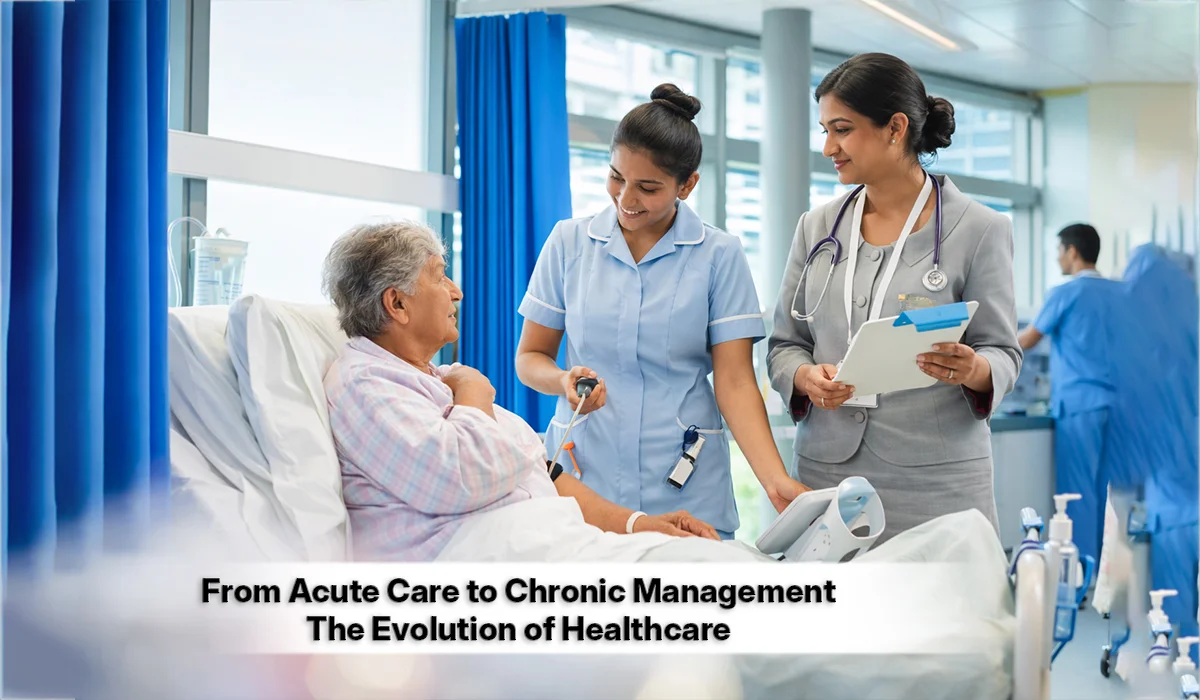
This shift defines From Acute Care to Chronic Management: The Evolution of Healthcare.

Healthcare has transformed from treating short-term emergencies to managing lifelong conditions. In countries like the USA and India — and across the world — chronic diseases now account for the majority of healthcare spending, hospital visits, and patient care strategies.

Understanding this evolution helps us see where healthcare is headed next.

What Does “From Acute Care to Chronic Management: The Evolution of Healthcare” Really Mean?

At its core, this phrase describes a major shift in medical focus:

  • Acute Care = Short-term treatment for sudden illness or injury.
  • Chronic Management = Long-term care for ongoing health conditions.

Acute Care Examples:

  • Broken bones
  • Pneumonia
  • Heart attack
  • Appendicitis

Chronic Conditions:

  • Diabetes
  • Hypertension
  • COPD
  • Cancer
  • Kidney disease
  • Autoimmune disorders

In the United States, according to the CDC, 6 in 10 adults live with at least one chronic disease. In India, non-communicable diseases account for over 60% of deaths.

Healthcare systems have had to evolve.

The Era of Acute Care: A Brief Historical Perspective

In the early 20th century, infectious diseases were the biggest threat. Polio, tuberculosis, and influenza shaped healthcare priorities.

Hospitals were designed for:

  • Emergency response
  • Surgery
  • Infection control
  • Short hospital stays

Public health improvements — sanitation, vaccines, antibiotics — reduced infectious deaths. But something else emerged.

People started living longer.

And with longer life came chronic illness.

Why Did Chronic Diseases Increase Worldwide?

Several global trends changed the health landscape:

1. Longer Life Expectancy

Medical advances extended life, especially in the USA, Europe, and parts of Asia.

2. Urbanization

Sedentary lifestyles increased.

3. Processed Food Consumption

High sugar, salt, and fat diets became common.

4. Stress and Pollution

Modern life introduced new health risks.

5. Reduced Physical Activity

Technology replaced physical labor.

As a result, healthcare systems moved from acute care to chronic management.

How Healthcare Systems Adapted to Chronic Management

Managing chronic disease requires a different model.

Instead of:

One doctor, one visit, one treatment.

It became:

  • Long-term monitoring
  • Lifestyle guidance
  • Medication adherence
  • Multi-specialty teams
  • Digital health tracking

In the USA, programs like Medicare Chronic Care Management (CCM) support continuous patient monitoring. In India, telemedicine platforms now support rural chronic care management.

Healthcare is no longer event-based — it is relationship-based.

The Rise of Preventive Healthcare

A key part of From Acute Care to Chronic Management: The Evolution of Healthcare is prevention.

Healthcare shifted from:
“Treat the disease.”

To:
“Prevent the disease.”

Preventive Strategies Include:

  • Regular screenings
  • Blood pressure monitoring
  • Cholesterol checks
  • Diabetes risk assessment
  • Lifestyle counseling

Preventive healthcare reduces hospital costs and improves quality of life.

According to the WHO, up to 80% of heart disease and type 2 diabetes cases are preventable through lifestyle changes.

Technology’s Role in Chronic Disease Management

Technology accelerated this evolution.

Wearable Devices

Track heart rate, sleep, glucose levels.

Telemedicine

Remote consultations improve access.

Electronic Health Records (EHRs)

Enable coordinated care.

AI Diagnostics

Predict disease progression.

Mobile Health Apps

Encourage medication adherence.

In India, digital health missions are expanding telehealth services. In the USA, remote patient monitoring is becoming standard for heart and diabetes patients.

Healthcare is becoming continuous, not episodic.

The Economic Impact of Chronic Disease

Chronic disease management significantly affects national economies.

In the USA:

  • 90% of healthcare spending goes to chronic conditions.

In India:

  • Rising urbanization is increasing diabetes and cardiac care costs.

The shift from acute care to chronic management requires:

  • Insurance reforms
  • Public-private partnerships
  • Community health programs

Governments now focus on sustainable healthcare models.

Patient-Centered Care: A Cultural Shift

Chronic disease management demands active patient participation.

Instead of being passive recipients of treatment, patients now:

  • Monitor their own health
  • Track blood sugar
  • Log symptoms
  • Follow long-term care plans

Healthcare professionals emphasize:

  • Education
  • Shared decision-making
  • Emotional support

This cultural change marks a critical phase in the evolution of healthcare.

Mental Health and Chronic Conditions

One overlooked aspect of chronic management is mental health.

Long-term illness often leads to:

  • Anxiety
  • Depression
  • Stress
  • Burnout

Modern healthcare integrates:

  • Behavioral therapy
  • Counseling
  • Support groups
  • Digital mental health tools

This holistic approach reflects the deeper transformation in care philosophy.

Acute Care Still Matters — But It’s Changing

Acute care has not disappeared.

Emergency medicine, trauma care, and surgeries remain essential.

However, acute care is now integrated with chronic management plans.

For example:
A heart attack is acute.
But post-heart attack recovery requires lifelong management.

The two systems now work together.

Global Differences: USA vs India vs Worldwide

USA:

  • Advanced digital monitoring
  • Insurance-driven care models
  • High chronic disease burden

India:

  • Growing telehealth sector
  • Rising lifestyle diseases
  • Government preventive initiatives

Global Trends:

  • Aging populations
  • Increased chronic illness
  • Emphasis on cost efficiency

The evolution is universal — but implementation varies by country.

Future Trends in Healthcare Evolution

Healthcare is continuing to evolve.

Emerging Trends:

  • Personalized medicine
  • Genomic-based treatment
  • Remote ICU monitoring
  • AI-based chronic disease prediction
  • Community-based preventive programs

The future of healthcare will likely blend technology, lifestyle medicine, and preventive science

Conclusion: Healthcare Is No Longer Just About Saving Lives — It’s About Sustaining Them

From Acute Care to Chronic Management: The Evolution of Healthcare represents one of the most significant transformations in modern medicine.

We have moved from crisis response to lifelong care. From hospital-centered treatment to patient-centered management. From reactive medicine to preventive health. As chronic diseases rise worldwide, healthcare systems must remain adaptable, technology-driven, and focused on long-term wellness. The future of healthcare depends not only on innovation — but on education, prevention, and partnership. If you found this article helpful, explore related topics on preventive healthcare and digital health transformation.

Healthcare
Modern Healthcare Solutions: Bridging Prevention, Treatment, and Recovery
How Patient-Centric Healthcare Improves Long-Term Health Outcomes
The Importance of Early Diagnosis in Effective Healthcare Management
From Acute Care to Chronic Management: The Evolution of Healthcare
Healthcare Innovation: Improving Access, Safety, and Treatment Quality

Web Stories

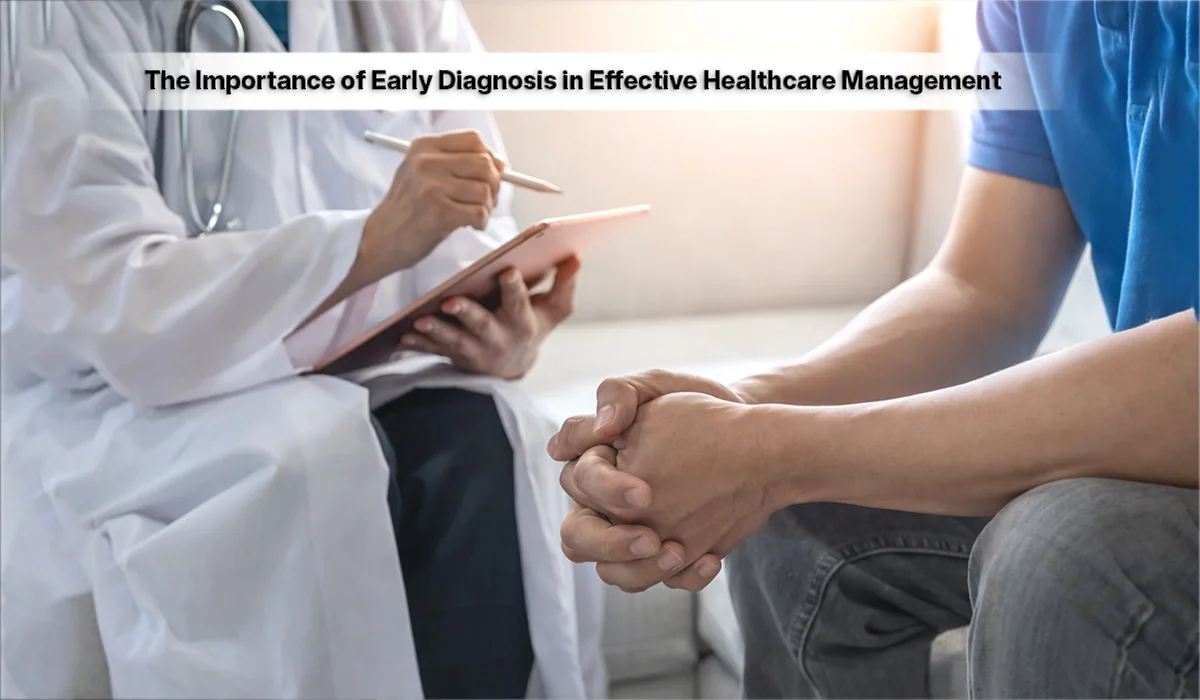
The Importance of Early Diagnosis in Effective Healthcare Management

Introduction: A Small Test That Changed Everything

Ravi was 42 when he finally went for a routine health check. He felt fine—just a little tired from long workdays. His wife insisted on the visit. That simple blood test revealed early-stage diabetes.

The doctor told him something that stayed with him:
“You came at the right time. Early diagnosis gives us control.”

Ravi’s story is not unique. Across the USA, India, and many parts of the world, people delay medical checkups because they feel “okay.” Yet many serious conditions—cancer, heart disease, diabetes, kidney disorders—begin silently.

That is why The Importance of Early Diagnosis in Effective Healthcare Management cannot be overstated. Early detection saves lives, reduces costs, improves recovery rates, and helps families avoid emotional and financial stress.

Healthcare is not only about treatment. It is about timing.

What Is Early Diagnosis in Healthcare Management?

Early diagnosis means identifying a disease or health condition at its initial stage—often before noticeable symptoms appear.

In effective healthcare management, early diagnosis involves:

  • Routine screening tests
  • Preventive health checkups
  • Risk assessment based on age and family history
  • Diagnostic imaging and lab testing
  • Monitoring chronic conditions

When healthcare systems prioritize early diagnosis, they shift focus from reactive treatment to preventive care.

This approach supports better planning, timely intervention, and improved long-term outcomes.

Why The Importance of Early Diagnosis in Effective Healthcare Management Matters Globally

Healthcare systems in the USA and India face different challenges—but both struggle with late detection of diseases.

In the USA:

  • Chronic diseases account for 70% of deaths.
  • Preventive screenings are available but often delayed.

In India:

  • Many patients visit hospitals only when symptoms become severe.
  • Access and awareness gaps lead to late-stage diagnosis.

Despite these differences, the solution remains the same: detect early, treat early, recover faster.

How Early Diagnosis Saves Lives

Early detection directly impacts survival rates.

Example: Cancer

  • Stage 1 breast cancer survival rate: over 90%
  • Stage 4 survival rate: significantly lower

Example: Heart Disease

Detecting high blood pressure early can prevent:

  • Stroke
  • Heart attack
  • Kidney damage

The earlier the problem is found, the more treatment options exist.

Financial Benefits of Early Diagnosis

One often overlooked aspect of The Importance of Early Diagnosis in Effective Healthcare Management is cost control.

Late-stage treatment often involves:

  • Surgery
  • Intensive care
  • Long-term medication
  • Extended hospital stays

Early detection may require:

  • Lifestyle changes
  • Medication management
  • Minor procedures

Preventive healthcare costs far less than emergency treatment.

In the USA, preventive services reduce long-term healthcare expenses. In India, early intervention prevents catastrophic out-of-pocket spending.

The Role of Preventive Screening Programs

Screening programs are central to effective healthcare management.

Common screenings include:

  • Mammograms
  • Blood sugar testing
  • Cholesterol checks
  • Colonoscopy
  • Blood pressure monitoring
  • Thyroid testing

Governments and hospitals increasingly promote annual health check packages.

Screening bridges the gap between prevention and treatment.

Early Diagnosis and Chronic Disease Management

Chronic diseases develop slowly. Without early diagnosis, they remain hidden.

Diabetes

Early detection allows:

  • Diet adjustments
  • Exercise routines
  • Medication management
  • Blood sugar monitoring

Hypertension

Silent but dangerous. Early detection prevents:

  • Stroke
  • Heart failure

Chronic disease management becomes effective only when diagnosis happens early.

Technology’s Role in Early Diagnosis

Modern healthcare solutions now use:

  • AI-assisted imaging
  • Wearable devices
  • Telemedicine
  • Genetic testing
  • Digital health records

In the USA, remote monitoring devices help detect abnormal heart rhythms early.

In India, mobile diagnostic camps bring testing to rural areas.

Technology is narrowing the gap between symptoms and detection.

Mental Health and Early Diagnosis

Physical health is not the only area where early detection matters.

Early diagnosis of:

  • Depression
  • Anxiety
  • ADHD
  • Cognitive decline

Improves recovery outcomes significantly.

Mental health awareness campaigns are increasing globally, encouraging people to seek help early.

Barriers to Early Diagnosis

Despite its benefits, challenges remain.

Common Barriers:

  • Fear of results
  • Cost concerns
  • Lack of awareness
  • Cultural stigma
  • Limited access to healthcare

Healthcare management must address these barriers through:

  • Education campaigns
  • Affordable screening programs
  • Insurance coverage expansion
  • Community outreach

Early Diagnosis in Rural vs Urban Settings

Urban populations often have better access to hospitals and labs.

Rural communities may rely on:

  • Health camps
  • Primary care centers
  • Government initiatives

Improving diagnostic access in rural areas strengthens overall healthcare management systems.

The Human Side of Early Detection

Early diagnosis is not only clinical—it is emotional.

Families gain:

  • Peace of mind
  • Treatment options
  • Time to prepare
  • Better recovery chances

Patients feel empowered when conditions are caught early rather than during crisis.

Healthcare becomes proactive rather than reactive.

Policy and Healthcare System Improvements

Governments worldwide are shifting policies to emphasize preventive care.

Examples include:

  • Mandatory insurance coverage for screenings
  • Workplace health programs
  • School health check initiatives
  • Public awareness campaigns

Effective healthcare management requires policy-level support for early diagnosis.

Conclusion

Ravi’s story could have ended differently if he had waited. The Importance of Early Diagnosis in Effective Healthcare Management lies in one simple truth: timing changes outcomes.

Early detection:

  • Saves lives
  • Reduces suffering
  • Controls costs
  • Improves recovery
  • Strengthens healthcare systems

Healthcare should not begin at the emergency room. It should begin at awareness. If you have not scheduled a routine checkup recently, consider doing so. Prevention is always stronger than cure.

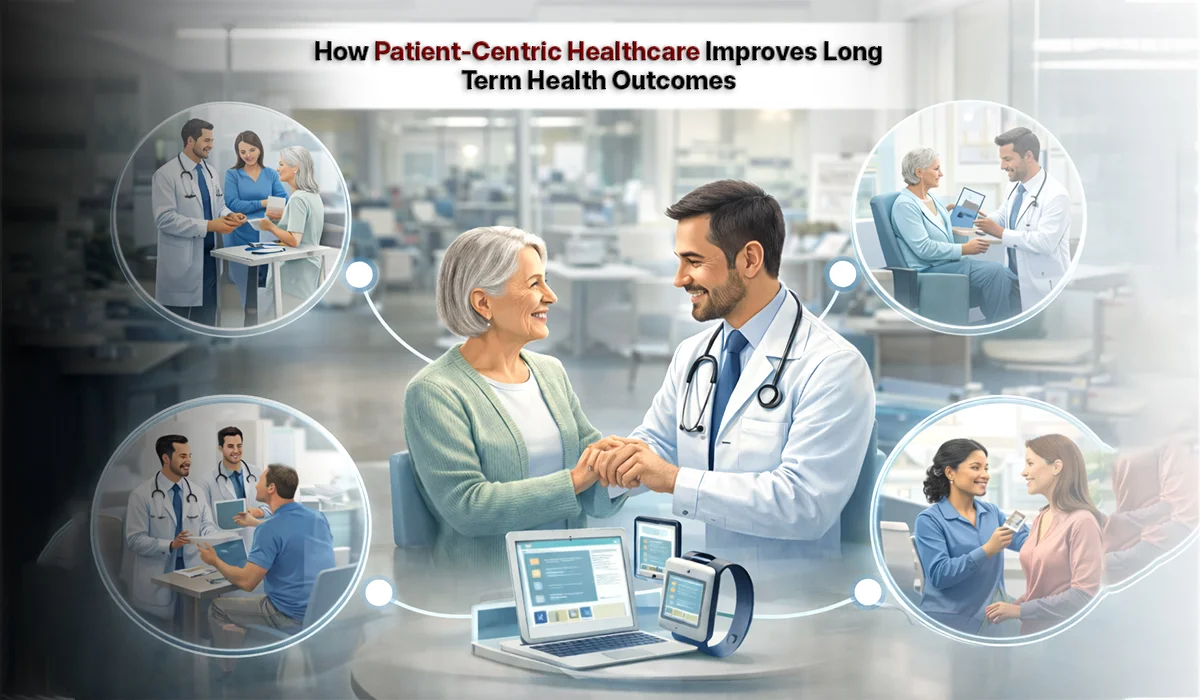
How Patient-Centric Healthcare Improves Long-Term Health Outcomes

Introduction: What If Healthcare Truly Listened?

When Maria moved from Chicago to Houston, she expected her new doctor to review her reports, prescribe medicines, and move on. Instead, something different happened. The doctor asked her about her daily routine, her work stress, her family support, and even what foods she grew up eating.

For the first time, Maria felt seen — not just treated.

That moment captures the heart of patient-centric healthcare. It shifts the focus from diseases to people. And research across the USA, India, the UK, and other major countries shows that when healthcare revolves around patients’ needs, values, and preferences, long-term health outcomes improve.

But how exactly does patient-centric healthcare improve long-term health outcomes? Let’s explore the story behind this powerful shift in modern medicine.

What Is Patient-Centric Healthcare?

Patient-centric healthcare is a care model that places patients at the center of decision-making. Instead of focusing only on symptoms, providers consider:

  • Personal goals
  • Lifestyle habits
  • Cultural background
  • Emotional well-being
  • Social support systems

The goal is simple: treat the whole person, not just the condition.

Core Principles of Patient-Centric Healthcare

  1. Respect for patient preferences
  2. Shared decision-making
  3. Clear communication
  4. Emotional support
  5. Coordinated care

In both the USA and India, healthcare systems are increasingly adopting patient-centered care models to improve outcomes and reduce costs.

Why Long-Term Health Outcomes Matter

Short-term treatment can relieve symptoms. But long-term health outcomes determine:

  • Life expectancy
  • Quality of life
  • Chronic disease control
  • Hospital readmission rates
  • Mental well-being

When healthcare focuses only on immediate fixes, patients may relapse or struggle with complications. Patient-centric healthcare improves long-term health outcomes by building trust, encouraging adherence, and addressing root causes.

How Patient-Centric Healthcare Improves Long-Term Health Outcomes

Let’s break it down clearly.

1. Better Treatment Adherence

Patients are more likely to follow treatment plans when they understand and agree with them.

For example:

  • A diabetic patient involved in meal planning is more likely to maintain glucose control.
  • A cardiac patient who understands lifestyle changes reduces the risk of repeat hospitalization.

Studies from the Agency for Healthcare Research and Quality (AHRQ) show that patient engagement improves medication adherence significantly.

2. Stronger Doctor-Patient Relationships

Trust improves communication.

When patients feel comfortable:

  • They report symptoms early.
  • They share mental health concerns.
  • They ask questions.

This early reporting helps prevent complications — a major reason patient-centric healthcare improves long-term health outcomes.

3. Improved Chronic Disease Management

Chronic diseases like:

  • Diabetes
  • Hypertension
  • Arthritis
  • Heart disease

require long-term monitoring.

Patient-centered care models use:

  • Personalized care plans
  • Digital health tracking
  • Continuous follow-ups

These approaches improve disease control rates in both developed and developing healthcare systems.

The Role of Shared Decision-Making in Healthcare

Shared decision-making is a core part of patient-centric healthcare.

Instead of doctors making unilateral decisions, they discuss:

  • Risks and benefits
  • Alternative treatments
  • Lifestyle adjustments
  • Financial implications

In the USA, hospitals using shared decision-making programs report lower readmission rates. In India, patient education initiatives are improving rural healthcare outcomes.

Emotional and Mental Health Support

Physical and emotional health are connected.

When patients face serious illnesses, fear and anxiety often follow. Patient-centric healthcare includes:

  • Counseling support
  • Mental health screenings
  • Family involvement

Long-term recovery improves when emotional support is integrated into medical care.

Cultural Sensitivity and Personalized Care

Healthcare must adapt to cultural and regional contexts.

For example:

  • Dietary advice differs between the USA and India.
  • Family involvement may be more significant in Asian healthcare settings.
  • Language barriers affect treatment understanding.

Patient-centric healthcare improves long-term health outcomes by respecting cultural preferences and adapting care accordingly.

Technology and Digital Patient-Centered Care

Technology plays a vital role in modern patient-centered healthcare systems.

Examples include:

  • Telemedicine consultations
  • Remote patient monitoring
  • Health apps
  • Electronic health records

These tools improve follow-ups, track chronic conditions, and reduce emergency visits.

During the COVID-19 pandemic, telehealth adoption in the USA increased dramatically. India also expanded digital health missions to reach rural populations.

Preventive Care and Early Intervention

Prevention is one of the strongest ways patient-centric healthcare improves long-term health outcomes.

When patients are actively engaged, they are more likely to:

  • Schedule regular screenings
  • Follow vaccination programs
  • Maintain healthy lifestyles

Preventive healthcare reduces healthcare costs and improves survival rates.

Comparing Traditional vs. Patient-Centric Healthcare

Traditional ModelPatient-Centric Model
Disease-focusedPerson-focused
Limited communicationOpen dialogue
Standard treatment plansPersonalized care
Reactive approachPreventive approach

The difference lies in partnership.

Real-Life Example: Managing Diabetes

In a traditional model:
A doctor prescribes insulin and advises diet control.

In a patient-centric model:

  • The provider discusses food habits.
  • They explore stress triggers.
  • They set realistic goals.
  • They use digital monitoring tools.

The second approach leads to better glycemic control and reduced complications.

Economic Benefits of Patient-Centric Healthcare

Improving long-term health outcomes also reduces healthcare costs.

Benefits include:

  • Fewer hospital readmissions
  • Reduced emergency visits
  • Lower medication wastage
  • Better chronic disease control

The World Health Organization emphasizes integrated, patient-centered health services as a cost-effective strategy worldwide.

Challenges in Implementing Patient-Centric Healthcare

Despite its benefits, challenges remain:

  • Time constraints in busy clinics
  • Limited healthcare infrastructure
  • Financial barriers
  • Resistance to change

However, healthcare systems in the USA and India are investing in training programs and digital tools to overcome these barriers.

Conclusion

Healthcare is changing. Patients no longer want to be passive recipients of treatment. They want partnership, respect, and clarity.

Patient-centric healthcare improves long-term health outcomes by building trust, improving adherence, supporting prevention, and addressing emotional well-being. Whether in the USA, India, or anywhere else, the future of medicine lies in listening, understanding, and collaborating. When healthcare sees the person behind the diagnosis, recovery becomes sustainable.

Healthcare
Modern Healthcare Solutions: Bridging Prevention, Treatment, and Recovery
How Patient-Centric Healthcare Improves Long-Term Health Outcomes
The Importance of Early Diagnosis in Effective Healthcare Management
From Acute Care to Chronic Management: The Evolution of Healthcare
Healthcare Innovation: Improving Access, Safety, and Treatment Quality

Web Stories

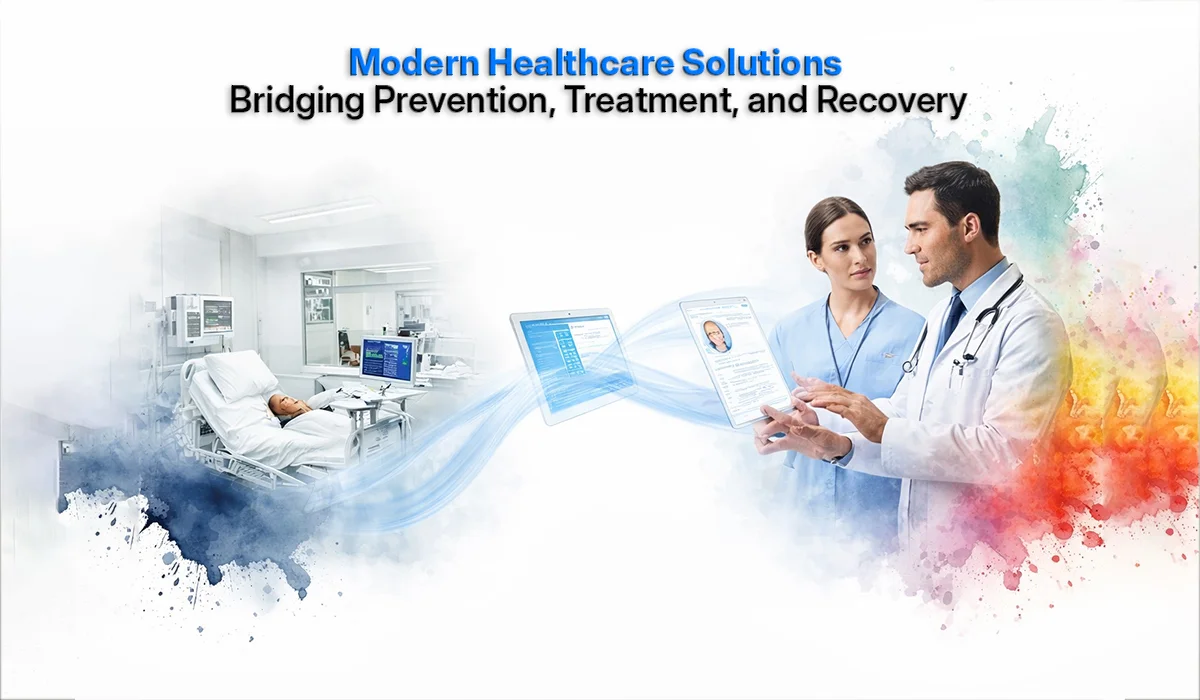
Modern Healthcare Solutions: Bridging Prevention, Treatment, and Recovery

A middle-aged father in Texas ignores his rising blood pressure for years. A young professional in Mumbai skips annual checkups because she feels “fine.” An elderly woman in London struggles to recover after surgery because no one focused on her rehabilitation plan.

These stories are common. And they all share one problem — healthcare often begins too late.

That’s why Modern Healthcare Solutions: Bridging Prevention, Treatment, and Recovery are changing the way the world thinks about health. Instead of focusing only on treating illness, modern systems now connect three essential pillars:

  • Prevention
  • Timely treatment
  • Long-term recovery

From the United States to India and beyond, healthcare is evolving into a more integrated, patient-centered model. This article explores how modern healthcare solutions are transforming lives — and why this shift matters now more than ever.

What Are Modern Healthcare Solutions?

Modern Healthcare Solutions: Bridging Prevention, Treatment, and Recovery refer to integrated systems that combine:

  • Preventive care
  • Advanced diagnostics
  • Evidence-based treatment
  • Rehabilitation and long-term wellness

Unlike traditional models that focus mainly on disease treatment, modern healthcare emphasizes the full health journey.

Core Features of Modern Healthcare Systems

  • Digital health tools (telemedicine, remote monitoring)
  • Preventive screenings and early detection
  • Personalized medicine
  • Multidisciplinary care teams
  • Data-driven decision making

In the U.S., preventive healthcare programs have significantly reduced cardiovascular disease mortality. In India, digital health initiatives are expanding access to rural populations.

Healthcare is no longer reactive — it is proactive.

Why Prevention Is the Foundation of Modern Healthcare

Prevention saves lives — and money.

According to the CDC, nearly 60% of adults in the U.S. live with at least one chronic condition. Many of these conditions are preventable.

Examples of Preventive Care

  • Vaccinations
  • Routine blood tests
  • Cancer screenings
  • Lifestyle counseling
  • Nutritional guidance

In India, rising diabetes rates have made preventive screening critical. Early diagnosis reduces complications and long-term treatment costs.

Prevention is the first bridge in Modern Healthcare Solutions: Bridging Prevention, Treatment, and Recovery.

Early Detection: The Power of Timely Intervention

Early detection often means the difference between simple treatment and complex surgery.

Tools That Support Early Diagnosis

  • AI-powered imaging
  • Genetic testing
  • Wearable health monitors
  • Mobile diagnostic labs

For example, wearable devices now track heart rate irregularities. These tools alert patients before serious events occur.

In both developed and developing countries, technology is narrowing the gap between symptoms and diagnosis.

Treatment in the Era of Personalized Medicine

Treatment today is more precise than ever.

Modern healthcare solutions use:

  • Genomic data
  • Patient history analytics
  • Targeted therapies
  • Minimally invasive procedures

In oncology, personalized cancer treatment plans are based on tumor genetics. This improves survival rates and reduces side effects. Similarly, in orthopedic care, minimally invasive procedures shorten hospital stays and improve recovery speed. The treatment phase is no longer isolated — it connects directly to prevention and recovery planning.

The Often Ignored Stage: Recovery and Rehabilitation

Recovery is not just about discharge from the hospital.

True healing includes:

  • Physical therapy
  • Nutritional rehabilitation
  • Mental health support
  • Chronic disease management

Post-surgical rehabilitation programs in the U.S. have reduced readmission rates. In India, physiotherapy access is improving outcomes in orthopedic patients.

Without structured recovery, treatment alone is incomplete.

Technology Driving Modern Healthcare Solutions

Technology is central to bridging prevention, treatment, and recovery.

Telemedicine

  • Expands rural access
  • Reduces travel time
  • Enables specialist consultations

Artificial Intelligence

  • Improves diagnostic accuracy
  • Predicts disease risks
  • Enhances patient monitoring

Electronic Health Records (EHR)

  • Improve continuity of care
  • Reduce medical errors
  • Support data sharing

These innovations make healthcare more efficient and accessible worldwide.

How Modern Healthcare Solutions Improve Patient Experience

Healthcare is no longer provider-centered. It is patient-centered.

Patients now expect:

  • Transparency
  • Easy appointment booking
  • Clear communication
  • Follow-up support

Digital portals allow patients to track lab results, schedule appointments, and consult doctors remotely.

This continuity strengthens trust between providers and patients.

Public Health and Community-Based Care

Modern healthcare goes beyond hospitals.

Community-based programs include:

  • Mobile clinics
  • Health awareness campaigns
  • Vaccination drives
  • School health programs

India’s public health outreach programs and the U.S. community wellness initiatives show how preventive care can reach underserved populations.

Healthcare must meet people where they are.

Cost Efficiency and Long-Term Sustainability

Preventive care reduces emergency visits.
Early treatment reduces surgical costs.
Structured recovery reduces readmissions.

According to the World Health Organization, preventive healthcare can significantly lower national healthcare expenditures.

By integrating prevention, treatment, and recovery, healthcare systems become more sustainable.

Global Perspectives: USA and India

United States

  • Advanced insurance systems
  • Strong preventive screening programs
  • High technological integration

India

  • Rapid digital health expansion
  • Government health schemes (Ayushman Bharat)
  • Growing private healthcare sector

Both countries demonstrate that modern healthcare solutions must adapt to local needs while maintaining global standards.

Challenges in Implementing Modern Healthcare Solutions

Despite progress, challenges remain:

  • Rural healthcare gaps
  • Healthcare workforce shortages
  • Data privacy concerns
  • High treatment costs

Bridging prevention, treatment, and recovery requires collaboration between governments, private sectors, and communities.

Conclusion: A Future Built on Connection

Healthcare is no longer about reacting to illness. It is about building systems that prevent disease, treat effectively, and support recovery. Modern Healthcare Solutions: Bridging Prevention, Treatment, and Recovery represent a shift toward holistic, integrated, and patient-focused care. From New York to New Delhi, the message is clear: Health must be continuous — not fragmented. The future of healthcare belongs to systems that connect every stage of the journey.

Healthcare
Modern Healthcare Solutions: Bridging Prevention, Treatment, and Recovery
How Patient-Centric Healthcare Improves Long-Term Health Outcomes
The Importance of Early Diagnosis in Effective Healthcare Management
From Acute Care to Chronic Management: The Evolution of Healthcare
Healthcare Innovation: Improving Access, Safety, and Treatment Quality

Web Stories

Add to cart
Quitting smoking doesn’t just reduce risk — it changes what screening can save Quitting smoking doesn’t just reduce risk—it strengthens the impact of lung cancer screening. Nukind Healthcare Bird Flu Antibodies Found in Europe: What the Dutch Dairy Farm Discovery Signals A Virus Few People Know, But Many Need to Watch Out For