Smoking Cessation and Lung Cancer Screening: A Stronger Together Approach

Have you ever wondered why two people with similar smoking histories can have such different health outcomes? One quits early and gets screened on time, catching a problem before it grows. Another keeps delaying, assuming symptoms will warn them first. The difference often isn’t luck—it’s the powerful combination of smoking cessation and lung cancer screening working together.

Around the world, lung cancer remains one of the leading causes of cancer-related deaths. Yet many of these deaths are preventable or can be delayed through timely action. This article explains—clearly and practically—why stopping smoking and getting screened are not competing choices, but complementary ones. When combined, they offer a far stronger path to prevention, early detection, and better outcomes than either approach alone.

What Smoking Cessation and Lung Cancer Screening Really Mean

Smoking cessation is the process of stopping tobacco use, whether cigarettes, cigars, or other smoked products. It includes behavioral support, counseling, and—when appropriate—medications that reduce cravings and withdrawal symptoms.

Lung cancer screening refers primarily to low-dose computed tomography (LDCT) scans used to detect lung cancer at an early stage in people at higher risk, particularly long-term smokers or former smokers.

Together, these strategies address two sides of the same problem. Smoking cessation reduces future risk and improves overall health. Lung cancer screening looks for existing disease early, when treatment is more effective and less invasive.

Why Lung Cancer Is Often Found Too Late

Lung cancer is notoriously quiet in its early stages. Many people feel fine until the disease has advanced, at which point treatment options are more limited.

Symptoms such as persistent cough, shortness of breath, chest pain, or weight loss often appear late. This delay is why early detection through screening is so important—especially for people with a history of smoking.

Screening does not prevent cancer from forming. It prevents cancer from going unnoticed.

How Smoking Increases Lung Cancer Risk Over Time

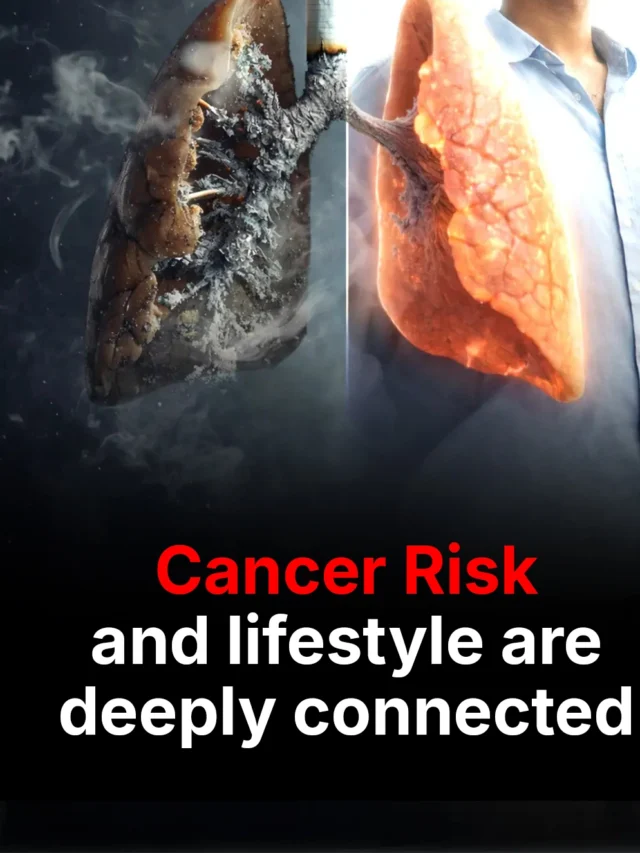
Smoking damages lung tissue gradually. With each exposure, harmful chemicals trigger inflammation and genetic changes in cells. Over years or decades, this damage accumulates.

Key facts to understand:

  • Risk increases with duration and intensity of smoking.
  • Even light or intermittent smoking raises risk.
  • Secondhand smoke exposure also contributes to lung cancer risk.
  • Quitting at any age reduces risk, though it never returns fully to that of someone who never smoked.

This long timeline is exactly why early action matters.

The Benefits of Quitting Smoking—Beyond the Lungs

Stopping smoking has immediate and long-term benefits, many of which begin within days or weeks:

  • Improved lung function and circulation
  • Reduced inflammation throughout the body
  • Lower risk of heart disease and stroke
  • Better immune response
  • Improved response to cancer treatments if cancer is detected later

Importantly, quitting smoking also improves the accuracy of screening and reduces complications if treatment is needed.

How Lung Cancer Screening Works in Practice

Low-dose CT screening uses a small amount of radiation to create detailed images of the lungs. It can detect small nodules that are not visible on standard chest X-rays.

Screening is typically recommended for:

  • Adults aged 50–80 (guidelines vary slightly by country)
  • Individuals with a significant smoking history
  • Current smokers or those who quit within the past 15 years

Screening is not a one-time test. It works best as part of a regular, structured program with follow-up and clinical guidance.

Why Screening Alone Is Not Enough

Some people believe that getting screened means they can continue smoking safely. This is a dangerous misunderstanding.

Screening:

  • Does not prevent cancer from forming
  • Does not protect against other smoking-related diseases
  • Can detect cancer early, but cannot undo ongoing damage

Without smoking cessation, screening becomes a safety net with holes. Quitting smoking strengthens that net dramatically.

Why Smoking Cessation Alone Is Also Not Enough

On the other hand, some former smokers assume that quitting means they no longer need screening. While quitting significantly lowers risk, it does not eliminate it immediately.

Former smokers remain at higher risk for many years. Screening during this period can detect cancers that began developing before cessation or shortly afterward.

The strongest protection comes from combining both strategies.

How Prevention and Early Detection Reinforce Each Other

When smoking cessation and lung cancer screening are offered together, several positive effects emerge:

  • People who undergo screening are more likely to quit smoking
  • Counseling during screening visits reinforces cessation efforts
  • Early detection improves motivation to stay smoke-free
  • Overall survival rates improve when cancers are found early

In practice, this creates a cycle of prevention, awareness, and healthier choices.

Real-Life Scenarios: When Timing Makes the Difference

Scenario 1:
A 55-year-old smoker quits after 30 years and enrolls in annual screening. A small lung nodule is detected early. Treatment is minimally invasive, and long-term outcomes are favorable.

Scenario 2:
A similar individual quits but avoids screening. Years later, symptoms appear. The cancer is advanced, treatment is more complex, and outcomes are uncertain.

The difference is not willpower alone—it’s coordinated care.

Addressing Common Fears and Misunderstandings

Many people delay screening or quitting due to fear or misinformation.

Common concerns include:

  • Fear of radiation exposure from CT scans
  • Anxiety about possible results
  • Belief that quitting “too late” won’t help
  • Worry about stigma or judgment

In reality, low-dose CT scans use minimal radiation, and early knowledge provides options—not punishment. Quitting smoking improves health at any stage.

The Role of Healthcare Providers and Support Systems

Healthcare providers play a critical role in aligning smoking cessation and screening. When clinicians:

  • Discuss both options together
  • Provide clear eligibility guidance
  • Offer counseling and follow-up

Patients are more likely to take action. Integrated programs consistently show better outcomes than fragmented care.

Smoking Cessation and Lung Cancer Screening in the Global Context

While guidelines vary across countries, the core principles remain the same. As populations age and tobacco use patterns evolve, combining prevention with early detection is increasingly recognized as a best practice worldwide.

This approach is adaptable to different healthcare systems, cultures, and risk profiles, making it relevant far beyond any single country.

Key Takeaways to Remember

Smoking cessation and lung cancer screening are not alternatives—they are partners. One reduces future risk, the other finds problems early. Together, they offer the best chance to prevent lung cancer deaths, improve quality of life, and support long-term health.

If you or someone you care about has a history of smoking, understanding and combining these approaches can make a meaningful difference—not someday, but now.

Latest Post

Web Stories

How Quitting Smoking Improves Outcomes in Lung Cancer Screening Programs

Have you ever wondered why doctors emphasize quitting smoking even after someone has already enrolled in a lung cancer screening program? Many people assume screening alone is enough—that early detection will solve the problem. But research and real-world outcomes show something far more powerful: quitting smoking dramatically improves the effectiveness of lung cancer screening itself.

Understanding this connection can change how individuals, families, and healthcare systems approach prevention, early detection, and long-term survival.

This article explains how quitting smoking improves outcomes in lung cancer screening programs, why the combination matters, and what it means for people at different stages of risk.

What Lung Cancer Screening Programs Are Designed to Do

Lung cancer screening programs are structured medical initiatives aimed at detecting lung cancer before symptoms appear, when treatment is more effective.

Most programs use low-dose computed tomography (LDCT) scans to identify small lung nodules in people at high risk—primarily current or former smokers.

The goal is not diagnosis alone, but:

  • Earlier detection
  • Less invasive treatment
  • Better survival rates
  • Reduced lung cancer mortality

However, screening works best when it is part of a broader risk-reduction strategy, not as a standalone solution.

How Quitting Smoking Improves Outcomes in Lung Cancer Screening Programs

The core idea behind how quitting smoking improves outcomes in lung cancer screening programs is simple but powerful:

Screening detects disease.
Smoking cessation changes disease progression.

When people stop smoking:

  • Lung tissue begins repairing itself
  • Inflammation decreases
  • Cancer growth rates slow
  • Treatment responses improve

This means that the same screening test produces better outcomes in people who quit smoking than in those who continue.

Why Smoking Undermines the Effectiveness of Screening

Screening identifies abnormalities, but smoking continues to damage lung tissue in real time. This creates several problems:

  • New tumors can develop between screening intervals
  • Existing nodules may grow faster
  • Inflammation can cause false-positive results
  • Imaging becomes harder to interpret accurately

When smoking continues, screening becomes reactive rather than preventive.

Quitting smoking changes this dynamic entirely.

Biological Changes After Smoking Cessation That Improve Screening Results

One reason how quitting smoking improves outcomes in lung cancer screening programs is so well-supported is the biological response of the lungs after cessation.

Within weeks to months of quitting:

  • Ciliary function improves, helping clear toxins
  • Chronic airway inflammation decreases
  • DNA damage repair mechanisms activate
  • Oxygen delivery to tissues improves

Over time, these changes reduce cancer aggressiveness and improve detectability, allowing screening tools to work more precisely.

Reduced False Positives and Unnecessary Procedures

One often-overlooked benefit of quitting smoking is its impact on screening accuracy.

Active smokers have higher rates of:

  • Benign lung nodules
  • Inflammatory lesions
  • Scar tissue that mimics cancer

This leads to:

  • More false-positive results
  • Additional imaging
  • Invasive biopsies
  • Increased anxiety and cost

People who quit smoking experience cleaner imaging profiles, which helps screening programs focus on true cancer risks rather than noise.

Improved Treatment Outcomes When Cancer Is Detected

Screening does not end with detection—it leads to treatment decisions. This is where quitting smoking becomes even more critical.

Patients who stop smoking before or after detection tend to:

  • Tolerate surgery better
  • Heal faster after procedures
  • Respond more effectively to radiation therapy
  • Experience fewer chemotherapy complications

This is another key reason how quitting smoking improves outcomes in lung cancer screening programs is not just about prevention, but about survivorship.

Smoking Cessation and Slower Cancer Progression

Multiple studies show that tumors in former smokers often grow more slowly than those in current smokers.

Slower progression means:

  • More time for intervention
  • Less aggressive treatment required
  • Higher chances of curative surgery
  • Better long-term quality of life

Screening combined with smoking cessation creates a time advantage, which is one of the most valuable assets in cancer care.

Psychological and Behavioral Benefits of Quitting During Screening

Lung cancer screening can be a powerful “teachable moment.”

When individuals see their lung images or receive risk assessments, many become more motivated to quit smoking. This behavioral shift has lasting benefits:

  • Increased engagement with follow-up care
  • Better adherence to screening schedules
  • Greater trust in preventive healthcare
  • Reduced fatalism about lung cancer

Programs that integrate smoking cessation counseling consistently show better overall outcomes.

How Screening Programs Integrate Smoking Cessation Support

Modern lung cancer screening programs increasingly include:

  • Smoking cessation counseling
  • Behavioral therapy referrals
  • Nicotine replacement therapy
  • Ongoing follow-up support

This integrated approach recognizes that screening without cessation limits long-term success.

Healthcare systems that treat quitting smoking as part of screening—not a separate issue—see stronger population-level results.

Former Smokers vs Current Smokers: Outcome Differences

Data consistently shows meaningful differences between former and current smokers in screening outcomes.

Former smokers:

  • Have lower lung cancer mortality
  • Require fewer invasive procedures
  • Experience better post-diagnosis survival
  • Show improved overall lung health over time

These differences explain why eligibility criteria often prioritize years since quitting, and why quitting remains beneficial even after decades of smoking.

Common Misconceptions About Smoking and Screening

Many people misunderstand the relationship between smoking and screening.

Some common myths include:

  • “Screening makes quitting unnecessary”
  • “Damage is already done”
  • “Quitting won’t change outcomes now”

In reality, how quitting smoking improves outcomes in lung cancer screening programs is supported at every stage—from prevention to post-treatment recovery.

It is never too late to benefit from stopping.

Equity, Access, and Long-Term Public Health Impact

At a population level, combining smoking cessation with screening:

  • Reduces healthcare costs
  • Improves screening efficiency
  • Lowers overall lung cancer mortality
  • Reduces health disparities in high-risk groups

Communities with strong cessation support embedded in screening programs see more sustainable public health improvements over time.

Conclusion: Screening Works Best When Smoking Stops

Lung cancer screening saves lives—but it works best when paired with smoking cessation. The evidence is clear: how quitting smoking improves outcomes in lung cancer screening programs is not theoretical, but practical, measurable, and life-changing.

Quitting smoking transforms screening from a detection tool into a true prevention strategy. It improves accuracy, enhances treatment success, and gives individuals more control over their health future.

For anyone enrolled in or considering lung cancer screening, the most powerful step they can take alongside screening is simple, difficult, and profoundly effective: stop smoking.

Latest Post

Web Stories

Can a Plant-Based Diet Lower Cancer and Kidney Disease Risk? Exploring the Evidence

Introduction: Why This Question Matters Today

Can what we eat truly influence our risk of serious diseases like cancer and kidney disorders? This question is no longer limited to nutritionists or researchers—it concerns anyone trying to make healthier choices in a world where lifestyle-related diseases are steadily rising. As more people face chronic conditions linked to diet, attention has increasingly turned toward plant-based eating patterns and their potential role in disease prevention.

The idea that a plant-based diet may help reduce cancer and kidney disease risk has gained traction through scientific research, public health recommendations, and clinical observations. However, the topic is often misunderstood, oversimplified, or surrounded by conflicting claims. This article explores the evidence carefully, examining what a plant-based diet actually means, how it interacts with cancer and kidney health, and where the science is strong—or still evolving.

What Does “Can a Plant-Based Diet Lower Cancer and Kidney Disease Risk?” Really Mean?

When asking “Can a plant-based diet lower cancer and kidney disease risk? Exploring the evidence,” it is important to clarify the concept. A plant-based diet does not necessarily mean a strictly vegan lifestyle. Instead, it refers to an eating pattern that emphasizes plant-derived foods such as vegetables, fruits, whole grains, legumes, nuts, and seeds, while limiting or reducing animal-based foods.

The health relevance lies not only in what is included, but also in what is reduced—processed meats, excess saturated fats, sodium, and refined sugars. These dietary components have been associated research-wise with inflammation, metabolic stress, and organ damage, all of which play a role in cancer development and kidney dysfunction.

Understanding the Link Between Diet, Cancer, and Kidney Disease

Cancer and kidney disease share several underlying risk factors, including chronic inflammation, oxidative stress, insulin resistance, and excess body weight. Diet plays a critical role in influencing each of these mechanisms.

A diet high in processed foods and animal fats has been linked to increased inflammation and metabolic imbalance. In contrast, plant-based diets are typically rich in fiber, antioxidants, and phytochemicals—nutrients known to support cellular health and metabolic regulation.

When researchers explore whether a plant-based diet can lower cancer and kidney disease risk, they are essentially studying how nutrition affects these biological pathways over time.

How Plant-Based Diets Influence Cancer Risk

Role of Fiber and Gut Health

Dietary fiber is one of the most significant protective components of plant-based diets. Fiber supports healthy digestion, regulates blood sugar, and promotes beneficial gut bacteria. Research suggests that improved gut health may influence cancer risk by reducing inflammation and supporting immune function.

High-fiber diets are particularly associated with a lower risk of colorectal cancer. Fiber helps reduce exposure of intestinal cells to carcinogens by improving stool bulk and transit time.

Antioxidants and Phytochemicals

Plant foods contain a wide variety of antioxidants and bioactive compounds such as flavonoids, carotenoids, and polyphenols. These compounds help neutralize free radicals, which can damage DNA and contribute to cancer development.

While no single food can prevent cancer, diets rich in diverse plant foods provide broad protective effects through cumulative nutrient interactions.

Examining Kidney Disease Risk and Dietary Patterns

Kidney disease is often influenced by long-term dietary stress, particularly high protein intake from animal sources, excess sodium, and phosphorus additives. These factors can increase kidney workload and accelerate functional decline.

Protein Quality and Kidney Function

Plant-based proteins differ metabolically from animal proteins. They tend to produce less acid load and lower levels of nitrogenous waste, which may reduce strain on kidney filtration systems.

For individuals at risk of kidney disease, plant-focused diets may help manage protein intake more gently, though medical supervision remains essential.

Sodium, Blood Pressure, and Kidney Health

High sodium intake is a major contributor to hypertension, which is a leading cause of kidney disease. Plant-based diets naturally contain lower sodium levels, especially when based on whole foods rather than processed alternatives.

Lower blood pressure reduces damage to kidney blood vessels and supports long-term renal function. This connection is a key reason why researchers examine whether a plant-based diet can lower cancer and kidney disease risk together.

Plant-Based Diets and Inflammation Reduction

Chronic inflammation is a common thread linking cancer, kidney disease, cardiovascular disorders, and metabolic conditions. Plant-based diets have been shown to lower inflammatory markers such as C-reactive protein in various population studies.

The anti-inflammatory effect is attributed to high antioxidant intake, healthy fats from nuts and seeds, and reduced consumption of inflammatory foods like processed meats and refined carbohydrates.

Observational Studies vs Clinical Trials: Understanding the Evidence

Much of the evidence supporting plant-based diets comes from large observational studies that track dietary habits and disease outcomes over many years. These studies consistently show lower rates of certain cancers and kidney complications among populations consuming predominantly plant-based diets.

However, observational studies cannot prove causation. Clinical trials, which control dietary intake more strictly, provide stronger evidence but are harder to conduct long-term. Current clinical data supports improved biomarkers—such as cholesterol levels, blood pressure, and insulin sensitivity—associated with plant-focused eating patterns.

Practical Insights: What a Plant-Based Diet Looks Like in Daily Life

Understanding theory is important, but practical application matters just as much.

A balanced plant-based diet typically includes:

  • A variety of vegetables and fruits daily
  • Whole grains instead of refined grains
  • Legumes as primary protein sources
  • Healthy fats from nuts, seeds, and plant oils
  • Minimal intake of processed and ultra-processed foods

This approach supports nutritional adequacy while avoiding extremes that could lead to deficiencies.

Addressing Common Misconceptions About Plant-Based Diets

“Plant-Based Means Nutrient Deficient”

This is a common misconception. When properly planned, plant-based diets can provide adequate protein, iron, calcium, and essential vitamins. However, nutrients like vitamin B12 may require supplementation, regardless of cancer or kidney considerations.

“It Works the Same for Everyone”

Dietary response varies by genetics, age, health status, and lifestyle. While evidence suggests population-level benefits, individual outcomes may differ. Medical guidance is especially important for individuals with existing kidney disease or undergoing cancer treatment.

Cancer Prevention vs Cancer Treatment: An Important Distinction

It is essential to clarify that dietary patterns are primarily associated with risk reduction and prevention, not cure. While nutrition can support treatment outcomes and quality of life, it does not replace medical therapy.

The question “Can a plant-based diet lower cancer and kidney disease risk?” applies most strongly to long-term prevention rather than immediate therapeutic intervention

Kidney Disease Stages and Dietary Adaptation

Early-stage kidney disease may benefit from dietary changes emphasizing plant foods, reduced sodium, and controlled protein intake. In advanced stages, however, certain plant foods high in potassium or phosphorus may need restriction.

This highlights the importance of individualized dietary planning rather than one-size-fits-all recommendations.

Long-Term Sustainability and Lifestyle Integration

One reason plant-based diets are studied extensively is their sustainability—not just environmentally, but behaviorally. Diets that emphasize variety, flexibility, and cultural adaptability are more likely to be followed long-term.

A flexible plant-forward approach often proves more sustainable than strict elimination diets, supporting consistent health benefits over time.

Conclusion: What the Evidence Tells Us

So, can a plant-based diet lower cancer and kidney disease risk? Exploring the evidence suggests that it can play a meaningful role in reducing key risk factors, particularly when focused on whole, minimally processed foods. While it is not a cure or universal solution, the consistency of research linking plant-forward diets to lower inflammation, better metabolic health, and improved organ function is compelling.

The strongest takeaway is not dietary perfection, but dietary direction. Moving toward a more plant-centered eating pattern—supported by medical guidance and lifestyle balance—may contribute significantly to long-term health and disease prevention.

For readers seeking deeper understanding, exploring nutritional science, personalized dietary planning, and preventive healthcare resources can provide valuable next steps.

Latest Post

Web Stories

Add to cart
Quitting smoking doesn’t just reduce risk — it changes what screening can save Quitting smoking doesn’t just reduce risk—it strengthens the impact of lung cancer screening. Nukind Healthcare Bird Flu Antibodies Found in Europe: What the Dutch Dairy Farm Discovery Signals A Virus Few People Know, But Many Need to Watch Out For