Have you ever wondered why doctors, nutritionists, and researchers around the world keep talking about plant-based eating when the discussion turns to heart health? Heart disease remains one of the leading causes of death globally, yet many of its risk factors are closely tied to everyday lifestyle choices—especially what we eat. This is where plant-based diets and heart health: what recent research reveals becomes not just a scientific topic, but a practical conversation that affects daily life.
Over the past decade, research has moved beyond trends and headlines to take a deeper look at how plant-based diets influence cardiovascular health. The findings are increasingly clear: eating patterns centered on plants can play a meaningful role in supporting a healthy heart. This article explores what a plant-based diet really means, how it affects the heart, what recent research says, and how people can apply these insights in real life—without hype, fear, or unrealistic promises.
What Is a Plant-Based Diet?
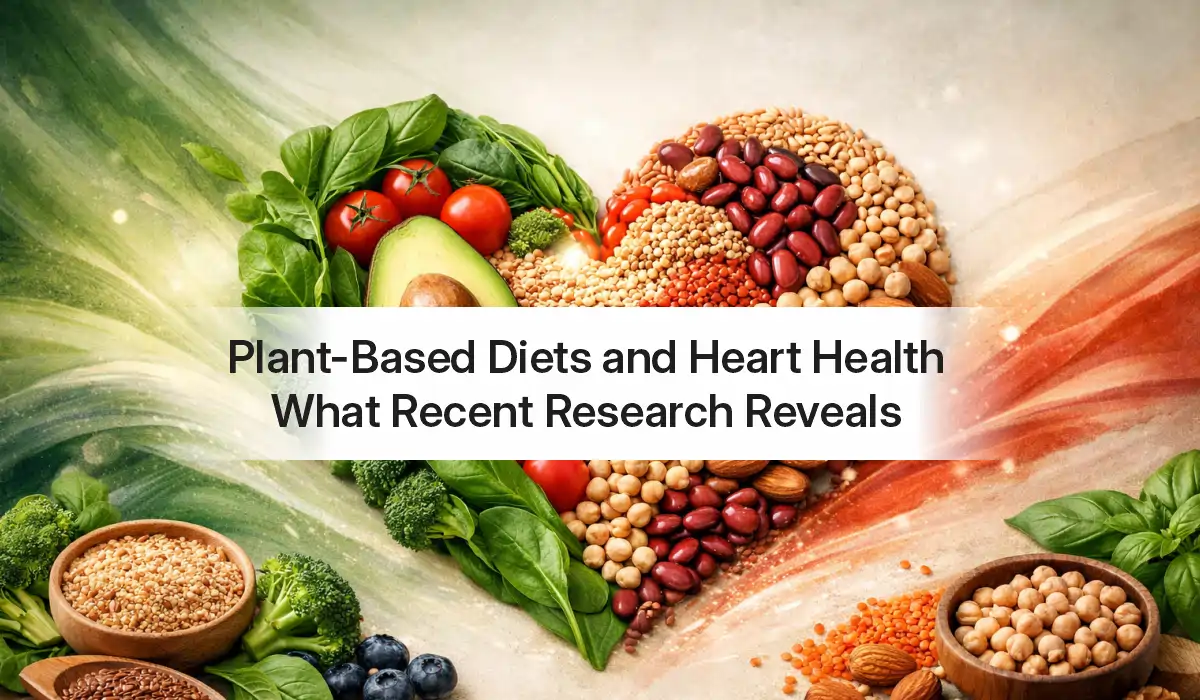
A plant-based diet focuses primarily on foods that come from plants. This includes vegetables, fruits, whole grains, legumes, nuts, seeds, and plant oils. Importantly, plant-based does not always mean strictly vegan. Many people follow flexible approaches that emphasize plants while allowing small amounts of animal-based foods.
From a research perspective, plant-based diets are defined less by what is excluded and more by what forms the foundation of daily meals. Diets rich in whole, minimally processed plant foods tend to be high in fiber, antioxidants, vitamins, minerals, and beneficial plant compounds, while being lower in saturated fat and dietary cholesterol.
Understanding this definition is essential when examining plant-based diets and heart health: what recent research reveals, because the health outcomes depend heavily on food quality, not just labels.
Why Heart Health Is Closely Linked to Diet
The heart is deeply influenced by what circulates in the bloodstream. Levels of cholesterol, blood sugar, inflammatory markers, and blood pressure are all shaped by dietary patterns over time. Diets high in saturated fat, excess sodium, and refined sugars are known to increase cardiovascular risk.
In contrast, plant-rich diets tend to support healthier blood vessels, improved lipid profiles, and better metabolic balance. This connection explains why heart health research increasingly focuses on long-term eating patterns rather than single nutrients or short-term fixes.
What Recent Research Says About Plant-Based Diets and Heart Health
Recent large-scale studies and meta-analyses provide valuable insights into plant-based diets and heart health: what recent research reveals. Researchers have examined populations across different regions, age groups, and cultural backgrounds, making the findings broadly relevant.
Key research observations include:
- Lower levels of LDL (“bad”) cholesterol among individuals who follow plant-focused eating patterns
- Reduced risk of developing hypertension
- Improved blood vessel function and reduced arterial stiffness
- Lower incidence of coronary heart disease in long-term observational studies
Importantly, these benefits are most consistently seen in diets centered on whole plant foods rather than highly processed plant-based products.
How Plant-Based Diets Support Healthy Cholesterol Levels
One of the most studied areas in heart health is cholesterol management. Plant-based diets naturally contain no dietary cholesterol and are typically lower in saturated fat. At the same time, they are rich in soluble fiber, which helps reduce cholesterol absorption in the gut.
Foods such as oats, beans, lentils, fruits, and vegetables bind cholesterol and support its removal from the body. Over time, this can contribute to healthier lipid profiles and reduced cardiovascular strain.
Blood Pressure, Vascular Health, and Plant-Based Eating
High blood pressure is a major risk factor for heart disease and stroke. Research suggests that people following plant-based diets often experience modest but meaningful reductions in blood pressure.
This effect is linked to several factors:
- High potassium intake from fruits and vegetables
- Lower sodium consumption when whole foods are prioritized
- Improved endothelial (blood vessel lining) function
These combined effects help blood vessels relax and maintain healthy circulation.
Inflammation and Oxidative Stress: A Hidden Heart Risk
Chronic inflammation plays a significant role in the development of cardiovascular disease. Plant-based diets are rich in antioxidants and anti-inflammatory compounds such as polyphenols, flavonoids, and carotenoids.
Recent research highlights that individuals consuming a wide variety of colorful plant foods tend to have lower markers of systemic inflammation. This supports the idea that plant-based diets and heart health: what recent research reveals is not only about cholesterol or blood pressure, but also about reducing long-term inflammatory stress on the heart.
Weight Management and Metabolic Health
Excess body weight and poor metabolic health increase the risk of heart disease. Plant-based diets are often associated with healthier body weight due to their lower calorie density and higher fiber content.
Fiber-rich foods promote satiety, stabilize blood sugar levels, and reduce overeating. Studies show that people who shift toward plant-based eating patterns often experience gradual, sustainable weight improvements—an important factor in heart health.
Whole Plant Foods vs. Processed Plant-Based Foods
Not all plant-based diets are equally beneficial. Recent research makes a clear distinction between whole-food plant-based diets and diets high in refined grains, sugary beverages, and processed meat alternatives.
Highly processed plant foods may still contain excess sodium, unhealthy fats, and added sugars. In contrast, whole plant foods consistently show positive effects on cardiovascular markers. This distinction is critical when interpreting research on plant-based diets and heart health: what recent research reveals.
Comparing Plant-Based Diets With Other Heart-Healthy Diets
Plant-based diets are often compared with other heart-focused dietary patterns, such as Mediterranean or DASH-style eating. While these approaches differ in structure, they share key similarities:
- Emphasis on fruits and vegetables
- Preference for whole grains
- Limited intake of processed foods
- Healthy fat sources
Research suggests that diets emphasizing plants—whether fully plant-based or plant-forward—offer strong cardiovascular protection when followed consistently.
Practical Ways to Apply Research Insights in Daily Life
Understanding research is only useful if it translates into real-world action. For many people, adopting a plant-based approach does not require dramatic overnight changes.
Practical strategies include:
- Filling half the plate with vegetables at meals
- Replacing refined grains with whole grains
- Using legumes as regular protein sources
- Including nuts and seeds in moderate amounts
- Gradually reducing reliance on highly processed foods
These small shifts align closely with what research identifies as beneficial for heart health.
Common Misunderstandings About Plant-Based Diets and Heart Health
Despite strong evidence, misconceptions remain. Some believe plant-based diets lack adequate protein or essential nutrients. Research shows that well-planned plant-based diets can meet nutritional needs when variety and balance are maintained.
Another misunderstanding is that all animal foods must be eliminated to see benefits. In reality, research supports a spectrum of plant-focused approaches, emphasizing overall dietary patterns rather than rigid rules.
Long-Term Sustainability and Lifestyle Considerations
Heart health is a long-term goal, not a short-term project. One reason plant-based diets receive attention in research is their potential for long-term sustainability—both for individuals and for public health systems.
Diets that are flexible, culturally adaptable, and focused on accessible foods are more likely to be maintained over time. This aligns with research findings that consistent, moderate changes often produce better outcomes than extreme dietary restrictions.
Conclusion:
The growing body of evidence around plant-based diets and heart health: what recent research reveals points toward a clear conclusion: diets centered on whole plant foods can play a powerful role in supporting cardiovascular health. The benefits extend beyond cholesterol numbers, influencing inflammation, blood pressure, metabolic health, and overall well-being.
Rather than focusing on strict labels or extreme changes, research encourages a thoughtful shift toward more plant-rich meals, better food quality, and long-term consistency. As science continues to evolve, one message remains steady—what we eat daily has a lasting impact on the heart, and plant-based foods offer a strong foundation for healthier living.
For readers interested in heart health, exploring plant-based eating is not about perfection. It is about informed choices, gradual improvement, and understanding how research-backed nutrition supports the body over time.
Latest Post
- Better Hydration Starts Here: 10 Common Mistakes and Simple Fixes

- From the Laboratory to the Clinic: The Rise of Precision Cancer Medicine

- Delhi Flu Alert: What the Rise in H1N1 Cases Means for Families

- Why Won’t Your Cholesterol Improve? The Possible Role of Liver Insulin Resistance

- Precision Cancer Treatment: How Scientists Are Targeting Tumors More Accurately

- Gut Bacteria and Colon Cancer: What a New Study Reveals About Western Diets

Web Stories